
Post
A 2026 Guide to Post-Accident Korean Medical Care: Structural Restoration and Recovery at Bonecure
Hello. I am Dr. Song Jung-hyun, an Oriental Medical Doctor who has long focused on acupotomy and structural alignment. When a motor vehicle collision occurs, the sudden impact exerts immense kinetic force on the human body, frequently leading to hidden musculoskeletal misalignments and structural imbalances. Post-accident Korean medical care offers a comprehensive, evidence-first therapeutic approach designed to address the underlying root causes of traumatic injuries rather than merely suppressing surface-level symptoms.
At Bonecure, we prioritize precise structural diagnosis and individualized care pathways to help patients return to their daily lives without long-term discomfort.
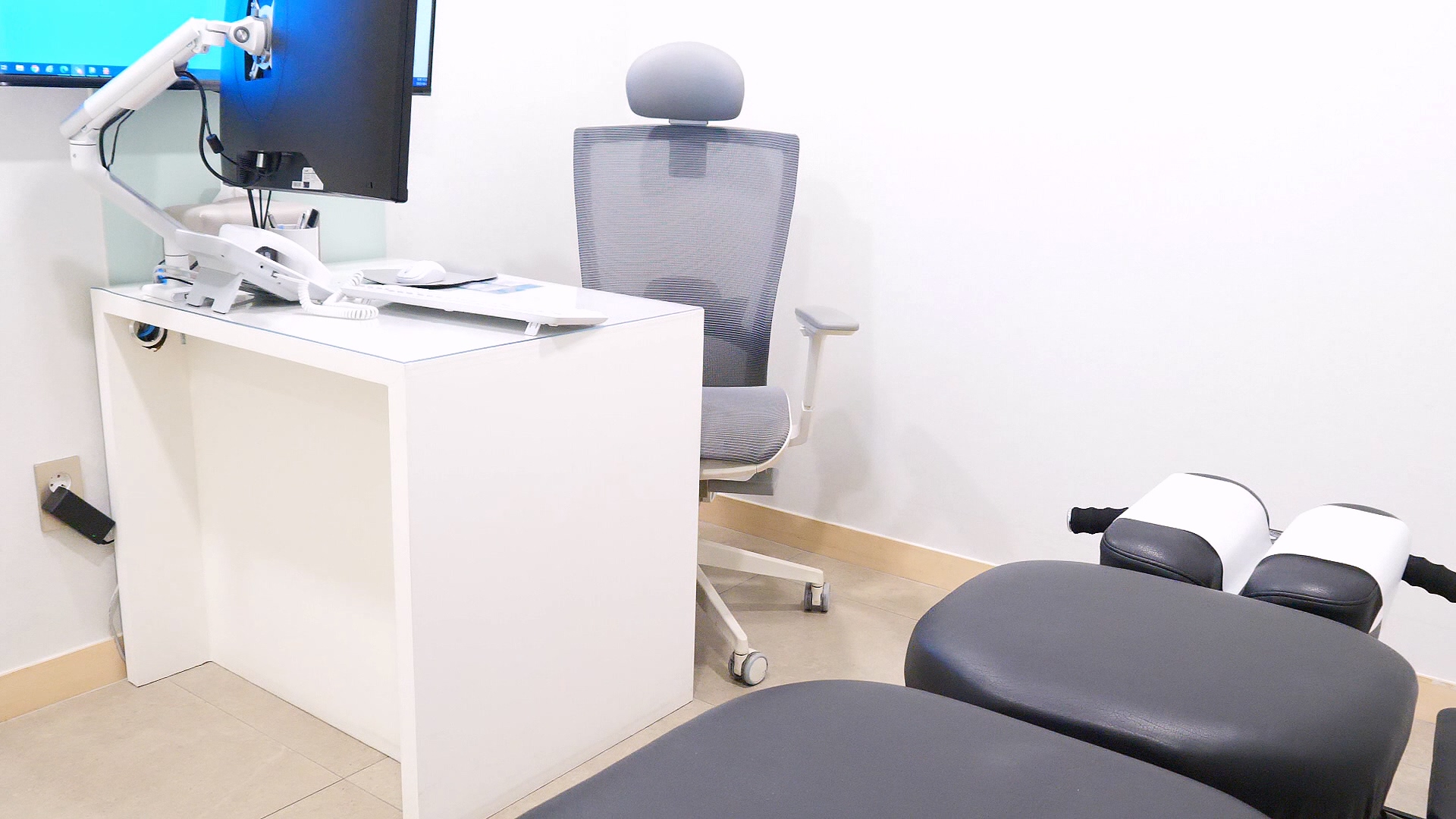
By assessing the whole spine and soft tissue structures, we aim to facilitate true physiological recovery. Individual responses to therapy may vary, and long-standing or severe structural damage often requires multiple targeted sessions.
Understanding Post-Accident Korean Medical Care and Core Principles
Post-accident Korean medical care is defined as an integrative, non-surgical therapeutic framework that combines acupuncture, acupotomy, Chuna manual therapy, and herbal medicine to restore structural integrity and internal physiological balance after a traumatic impact. Unlike approaches that look only at superficial injuries, this methodology focuses on how a single impact disrupts the delicate alignment of the entire spinal column and its supporting soft tissues.
Definition and Holistic Approach to Collision Injuries
When a vehicular collision occurs, the body absorbs structural shock wave patterns that can displace vertebrae and strain microscopic ligamentous fibers. Post-accident Korean medical care views the human body as an interconnected web of structural and functional systems, meaning a misalignment in the cervical spine can ultimately destabilize the lumbar region or impair autonomic functions. At Bonecure, our diagnostic process utilizes meticulous structural evaluation techniques to identify deep tissue restrictions and subtle joint subluxations that conventional imaging might miss. By focusing on root-cause structural restoration, this holistic model helps rebuild the body’s innate biomechanical stability. While many patients report noticeable comfort during the recovery process, the overall duration and final outcomes of treatment are subject to individual physical variations and the specific nature of the initial trauma.
Addressing Whiplash and Soft Tissue Damage Safely
Whiplash injury, characterized by a rapid acceleration-deceleration movement of the neck, remains one of the most prevalent consequences of automobile accidents, resulting in micro-tears and severe muscle guarding. Post-accident Korean medical care addresses this complex soft tissue trauma by employing targeted, gentle acupuncture and manual techniques designed to alleviate deep-seated muscular hypertonicity and improve localized vascular circulation. It is crucial to understand that treating acute whiplash requires an experienced, careful touch to prevent aggravating the hyper-acute inflammatory response. At Bonecure, we carefully monitor each patient's physiological feedback to adjust treatment depth and intensity accordingly. Patients should be aware that temporary mild soreness or minor bruising can occur after localized soft tissue interventions, and individuals with complex pre-existing spinal degeneration may require a longer period of clinical care to achieve optimal structural stabilization.
Advanced Interventions for Structural Restoration at Bonecure
Advanced interventions for structural restoration at Bonecure comprise specialized, clinically guided procedures aimed at releasing chronic deep-tissue adhesions and correcting structural joint misalignments caused by trauma. These treatments are applied systematically based on objective clinical evaluations to ensure that both the rigid skeletal frame and the surrounding myofascial structures are restored to their proper anatomical positions.
Acupotomy for Soft Tissue Adhesion Release
Acupotomy utilizes a specialized micro-blade instrument to physically access and meticulously release dense, fibrotic tissue adhesions and deep muscular contractures caused by sudden impact trauma. When muscles and ligaments are strained during an accident, the body deposits disorganized collagen fibers as a defense mechanism, which often results in painful chronic adhesions that restrict normal range of motion. By gently separating these abnormal attachments, acupotomy helps restore proper blood flow and facilitates the regeneration of healthy, flexible tissue structures. At Bonecure, this procedure is executed with high structural precision to minimize patient discomfort. However, patients must note that potential side effects include temporary localized soreness, minor bleeding, or superficial bruising at the insertion site. While rare, infection remains a minimal risk inherent to any micro-invasive procedure, and multiple treatment sessions are typically necessary for severe or chronic cases.
Chuna Manual Therapy for Spine and Joint Realignment
Chuna manual therapy is a specialized hands-on technique wherein the practitioner applies gentle, controlled force to structural joints, muscles, and fascial networks to correct subluxations and restore optimal structural alignment. Following an automobile accident, subtle shifts in pelvic or spinal alignment can create unequal weight distribution, leading to compensatory pain patterns across the entire musculoskeletal framework. Through customized Chuna manipulation, we work to realign displaced structural segments and relieve pressure on impinged neural pathways. For more details on preparing for your initial structural assessment, you may read A 2026 Guide to Your First Oriental Medical Clinic Appointment: Preparing for Structural Restoration. At Bonecure, Chuna is adapted to each patient's tolerance level, ensuring a safe recovery process. Because structural changes take time to stabilize, consistency in attending scheduled sessions is vital, and individual outcomes naturally vary depending on pre-existing posture.
Herbal Formulations for Inflammation and Internal Bruising
Customized herbal medicine prescriptions play an essential role in post-accident care by targeting internal inflammation, accelerating tissue repair, and resolving systemic stagnation or internal bruising caused by physical trauma. The sudden deceleration forces of an accident can lead to micro-vascular damage and localized fluid retention, which prolongs pain and delays the structural healing of surrounding muscles. Our tailored decoctions utilize natural botanical ingredients chosen specifically to clear metabolic waste products and enhance cellular recovery from within. To better understand how customized internal formulas support external recovery, you can refer to Customized Herbal Medicine Prescriptions: A 2026 Clinical Approach to Internal Balance and Structural Recovery. At Bonecure, every formula is prepared in strict accordance with safety guidelines. It is important to acknowledge that the therapeutic efficacy of herbal care depends on individual metabolic profiles, and patients should disclose any concurrent medications during their clinical consultation.
Comparing Post-Accident Korean Medical Care with Conventional Options
Comparing therapeutic modalities allows patients to understand the unique characteristics of different rehabilitation pathways. Post-accident Korean medical care distinguishes itself by focusing heavily on long-term structural alignment and natural soft tissue regeneration, presenting a distinct methodology when viewed alongside conventional modern symptomatic management strategies.
| Feature / Aspect | Post-Accident Korean Medical Care at Bonecure | Conventional Symptomatic Options |
|---|---|---|
| Primary Therapeutic Goal | Root-cause structural restoration and deep soft tissue adhesion release. | Rapid management of acute pain and reduction of localized inflammation. |
| Core Treatment Modalities | Acupotomy, Chuna manual therapy, tailored herbal decoctions, and acupuncture. | Pharmacological pain relievers, muscle relaxants, and standard physical therapy. |
| Soft Tissue Approach | Micro-blade separation of chronic deep-tissue fiber adhesions. | Generalized superficial modalities and targeted exercise regimens. |
| Structural Realignment | Customized manual joint mobilization focusing on whole-body symmetry. | Postural education and localized mechanical traction devices. |
| Potential Limitations | Temporary localized soreness, minor bruising; requires multiple sessions. | Potential pharmaceutical side effects; risk of recurring symptoms post-medication. |
Structural Alignment vs. Symptomatic Pain Management
While conventional approaches often rely on temporary pharmacological interventions to reduce acute pain signals, post-accident Korean medical care prioritizes evaluating the structural integrity of the entire spine to achieve long-term functional stability. Conventional pharmacological options focus on the rapid control of acute pain and inflammation during the early stages of injury, which can complement the long-term structural alignment and soft tissue recovery emphasized in Korean medical care. At Bonecure, we analyze the entire musculoskeletal system as a dynamic unit, using precise manual methods to address the root physical structural distortions caused by a collision. This approach helps prevent the development of chronic, secondary compensation patterns in the lower back or neck. To gain insight into how comprehensive care addresses persistent discomfort, you can read Acupuncture for Chronic Pain Management: A 2026 Clinical Guide by Bonecure. Patients should understand that structural restoration is a gradual process that requires active participation, and immediate complete pain eradication cannot be guaranteed due to individual healing variations.
Synergistic Effects of Integrated Post-Trauma Rehabilitation
Integrating the specialized structural realignment techniques of Korean medical care with conventional therapeutic exercises can create a highly comprehensive and balanced recovery pathway for trauma survivors. While manual structural corrections optimize joint mechanics and release severe soft tissue tension, structured physical rehabilitation exercises help reinforce the surrounding musculature to maintain that corrected alignment over time. This collaborative approach ensures that both the structural framework and functional movement patterns are thoroughly addressed during the recovery process. At Bonecure, we support a well-rounded perspective on health and respect the role of diverse clinical options. It is important for patients to note that combining different care modalities should always be managed under professional clinical guidance to ensure safety, as individual tolerance levels and healing timelines differ significantly based on the severity of the initial impact.
Clinical Evidence and Essential Patient Safety Guidelines
Clinical evidence and essential patient safety guidelines provide the scientific foundation and transparent risk disclosures necessary for patients to make informed decisions regarding their post-trauma recovery. Utilizing published case reports and objective diagnostic parameters helps demonstrate the structural adjustments that can occur during a structured course of Korean medical care.
Scientific Insights into Spinal Curvature and Concussion Recovery
Clinical observations and published case reports in the field of Korean medicine suggest that structured interventions, such as Chuna therapy and specialized acupuncture, can support the recovery of proper spinal curvature and assist in managing post-concussion symptoms. For instance, specific case studies analyzing whole-spine X-ray data have shown measurable improvements in spinal alignment and structural symmetry following consecutive sessions of manual care. Additionally, clinical tracking using standardized assessment metrics—including validated headache, dizziness, and anxiety scales—has documented favorable trends in patients recovering from mild traumatic brain injuries. At Bonecure, we utilize these objective frameworks to carefully monitor structural and functional progress. However, because these published findings are categorized as clinical case reports, they reflect the specific outcomes of individual patients under care. These results do not guarantee identical outcomes for all individuals, as therapeutic efficacy is highly dependent on each patient's unique health status.
Understanding Individual Variations and Potential Treatment Risks
Every human body possesses a unique anatomical background, meaning that recovery timelines and reactions to advanced structural therapies will naturally vary from person to person. While post-accident Korean medical care emphasizes non-surgical, natural recovery, patients must remain fully informed about the typical structural responses and minor risks associated with care. For example, undergoing intensive soft tissue interventions like acupotomy can result in transient localized soreness, minor bleeding, or superficial bruising, which generally resolve within a few days. Furthermore, individuals presenting with severe chronic degenerative changes or extensive pre-existing spinal issues may experience a more gradual recovery curve, necessitating a greater number of treatment sessions. At Bonecure, we maintain a transparent approach to patient care, conducting thorough preliminary evaluations to maximize safety and tailor every procedure to the individual's structural tolerance.
Key Takeaways
- Post-accident Korean medical care focuses on comprehensive structural alignment and releasing deep soft tissue adhesions caused by collision forces.
- Advanced procedures like acupotomy at Bonecure physically separate dense, fibrotic tissue restrictions to help restore natural mobility.
- Chuna manual therapy gently realigns displaced joint segments, addressing root mechanical imbalances rather than merely masking pain.
- Every therapeutic intervention carries distinct characteristics, meaning individual recovery timelines vary and minor temporary soreness can occur.
- For personalized structural evaluation and customized post-trauma recovery planning, please consult directly with our clinical staff.
Frequently Asked Questions
Q. What is post-accident Korean medical care?
Post-accident Korean medical care is a comprehensive therapeutic approach that uses non-surgical methods such as acupuncture, acupotomy, and Chuna manual therapy to treat underlying musculoskeletal misalignment and soft tissue damage caused by vehicular trauma. Instead of simply masking symptoms, it targets the root structural distortions resulting from an impact. At Bonecure, we analyze the patient's entire spinal alignment to restore balance and facilitate long-term functional recovery.
Q. How does acupotomy treat car accident injuries?
Acupotomy uses a specialized micro-blade instrument to physically release chronic tissue adhesions and deep muscle tension resulting from sudden impacts, which helps restore normal mobility and blood circulation. When trauma causes muscle fibers to heal in a tight, disorganized manner, this precise technique gently separates the restricted areas. This structural release supports the body's natural tissue regeneration process.
Q. Are there any side effects or risks with acupotomy?
Patients may experience temporary localized soreness, minor bleeding, or bruising at the insertion site. While rare, infection is a minimal risk inherent to any procedure that breaks the skin barrier. At Bonecure, we maintain strict safety protocols to keep these risks as low as possible. Treatment outcomes and recovery experiences vary depending on individual health conditions.
Q. Is post-accident Korean medical care covered by automobile insurance?
In many regions where Korean medicine is integrated into the healthcare system, auto insurance policies cover these treatments to assist with accident recovery. The coverage typically includes structural treatments like Chuna therapy and acupuncture when they are deemed clinically necessary for rehabilitation. Please consult with our clinic administration for specific details regarding your individual insurance coverage.
Q. How many treatment sessions will I need to see improvement?
The duration of care depends heavily on the severity of the trauma, pre-existing spinal health, and individual recovery rates. Some patients notice initial comfort after a few sessions, but chronic or severe structural issues usually require multiple sessions to achieve sustainable structural alignment. We design a customized schedule based on your initial physical evaluation.
Q. Can I combine Korean medical care with conventional physical therapy?
Yes, integrating both approaches can offer comprehensive care for trauma rehabilitation. Combining structural alignment techniques with conventional therapeutic exercises often enhances overall physical recovery by reinforcing the muscles around realigned joints. It is always best to keep both providers informed to ensure a well-coordinated and safe treatment plan.
Q. What should I expect during my first visit to Bonecure after an accident?
Your initial visit involves a thorough evaluation of your spinal alignment, posture, and soft tissue symptoms to pinpoint the exact source of your discomfort. I will analyze your functional mobility and review your injury history to design a customized therapeutic plan tailored to your specific recovery needs. This ensures your care focuses directly on restoring structural balance safely.
For professional guidance regarding your structural recovery and personalized care options, please schedule a detailed consultation. Bonecure / Oriental Medical Doctor Song Jung-hyun
FAQ
- What is post-accident Korean medical care?
- Post-accident Korean medical care is a comprehensive therapeutic approach that uses non-surgical methods such as acupuncture, acupotomy, and Chuna manual therapy to treat underlying musculoskeletal misalignment and soft tissue damage caused by vehicular trauma. Instead of simply masking symptoms, it targets the root structural distortions resulting from an impact. At Bonecure, we analyze the patient's entire spinal alignment to restore balance and facilitate long-term functional recovery.
- How does acupotomy treat car accident injuries?
- Acupotomy uses a specialized micro-blade instrument to physically release chronic tissue adhesions and deep muscle tension resulting from sudden impacts, which helps restore normal mobility and blood circulation. When trauma causes muscle fibers to heal in a tight, disorganized manner, this precise technique gently separates the restricted areas. This structural release supports the body's natural tissue regeneration process.
- Are there any side effects or risks with acupotomy?
- Patients may experience temporary localized soreness, minor bleeding, or bruising at the insertion site. While rare, infection is a minimal risk inherent to any procedure that breaks the skin barrier. At Bonecure, we maintain strict safety protocols to keep these risks as low as possible. Treatment outcomes and recovery experiences vary depending on individual health conditions.
- Is post-accident Korean medical care covered by automobile insurance?
- In many regions where Korean medicine is integrated into the healthcare system, auto insurance policies cover these treatments to assist with accident recovery. The coverage typically includes structural treatments like Chuna therapy and acupuncture when they are deemed clinically necessary for rehabilitation. Please consult with our clinic administration for specific details regarding your individual insurance coverage.
- How many treatment sessions will I need to see improvement?
- The duration of care depends heavily on the severity of the trauma, pre-existing spinal health, and individual recovery rates. Some patients notice initial comfort after a few sessions, but chronic or severe structural issues usually require multiple sessions to achieve sustainable structural alignment. We design a customized schedule based on your initial physical evaluation.
- Can I combine Korean medical care with conventional physical therapy?
- Yes, integrating both approaches can offer comprehensive care for trauma rehabilitation. Combining structural alignment techniques with conventional therapeutic exercises often enhances overall physical recovery by reinforcing the muscles around realigned joints. It is always best to keep both providers informed to ensure a well-coordinated and safe treatment plan.
- What should I expect during my first visit to Bonecure after an accident?
- Your initial visit involves a thorough evaluation of your spinal alignment, posture, and soft tissue symptoms to pinpoint the exact source of your discomfort. I will analyze your functional mobility and review your injury history to design a customized therapeutic plan tailored to your specific recovery needs. This ensures your care focuses directly on restoring structural balance safely.