
Post
A 2026 Clinical Guide to Autonomic Health and Structural Restoration at Bonecure Seoul
A structural restoration clinic in Seoul focuses on non-pharmacological, holistic methods to regulate the body's health by addressing underlying physiological imbalances.
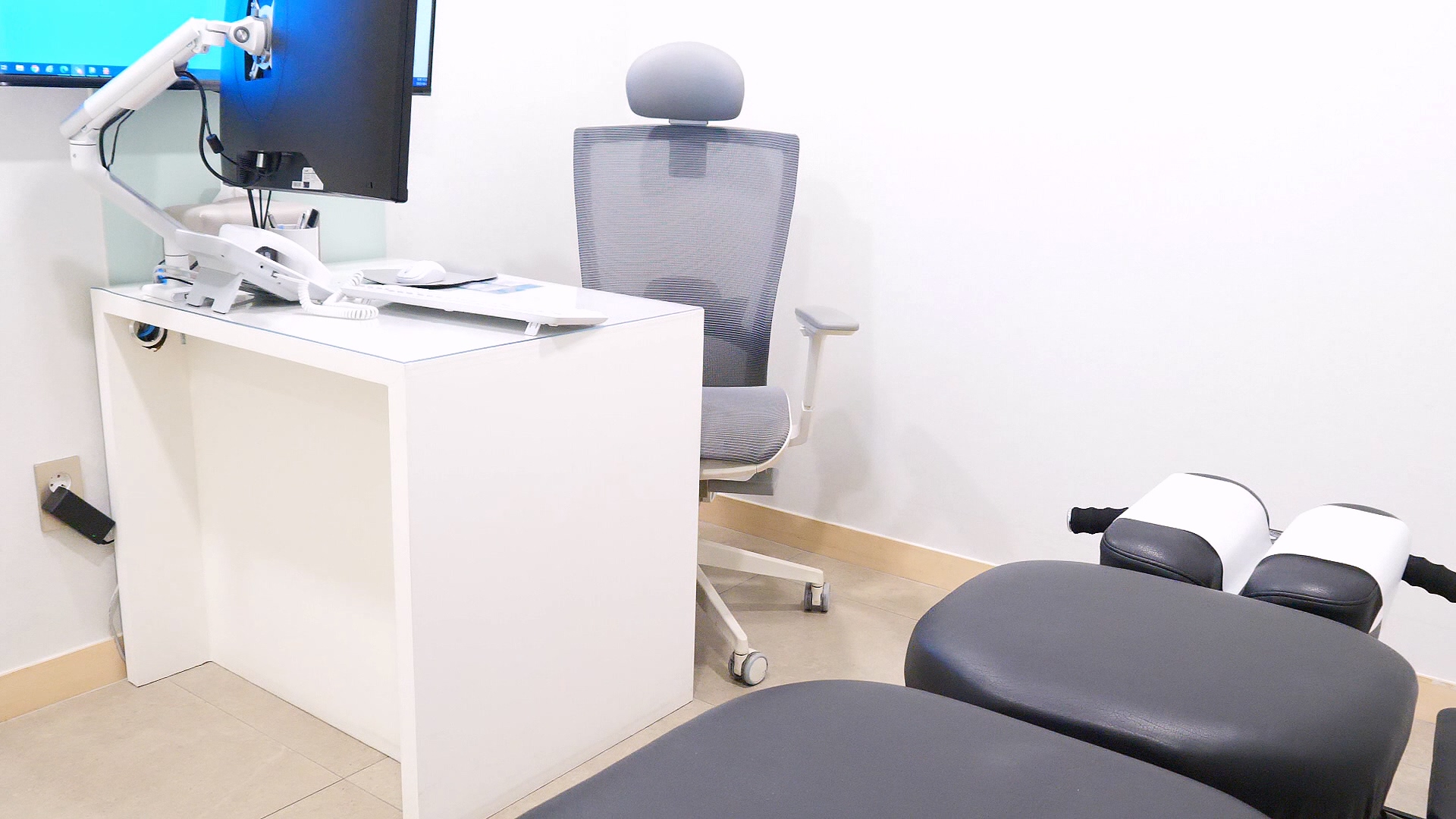
Bonecure specializes in structural restoration to optimize the autonomic nervous system and functional recovery for sustainable health. This guide explores how aligning your skeletal structure can facilitate lasting relief from chronic symptoms without the risks associated with temporary symptomatic treatments.
Understanding Autonomic Balance Through Structural Restoration
Autonomic balance through structural restoration involves the realignment of the skeletal framework to remove nerve interference and restore the body's innate ability to regulate internal functions. Hello, I am Dr. Song Jeong-hyeon, a Korean medicine doctor who has long focused on Needle Scalpel therapy and structural recovery. At my clinic, we view chronic conditions not just as a matter of isolated symptoms, but as a reflection of your body's structural harmony. When the spine and pelvis are misaligned, they can put pressure on nerves that regulate your autonomic functions, leading to persistent issues like Baeyeol-jeung (dorsal burning sensation) or chronic fatigue. By restoring the correct alignment, we help your body function as it was designed to. A 2026 Clinical Guide to Non-invasive Spine Therapy: Structural Restoration at Bonecure provides more depth on how these methods support overall wellness.
The Bonecure Approach to Autonomic Health
The Bonecure approach to autonomic health begins with the understanding that the human body is a self-regulating organism, provided its structural integrity remains intact. We focus on the relationship between the spine and the autonomic nervous system, which controls everything from digestion to heart rate. In my clinical experience, patients often struggle with chronic ailments not because of a lack of general health, but due to structural subluxations that impede nerve signaling. By utilizing specialized techniques like Needle Scalpel therapy to release myofascial adhesions and fibrosis, we aim to restore the flow of neural signals and blood. This process helps recalibrate the autonomic balance, potentially allowing the body to recover from functional disorders more effectively. It is important to note that while some patients may notice changes in movement or sensation after just a few sessions, chronic autonomic issues often require a more comprehensive 20-session course to achieve stable results. Every patient receives a tailored plan based on their unique spinal curvature.
Why Structural Alignment Matters for Chronic Recovery
Structural alignment is critical for recovery because a compromised skeletal frame often leads to chronic low-grade inflammation and reduced circulation. When the spine is out of balance, the body often enters a state of physiological stress, affecting the sympathetic nervous system which is linked to various systemic dysfunctions. By correcting the thoracic and lumbar curves, we can reduce this mechanical stress on the nervous system. For instance, in my clinical studies, I have observed cases where correcting significant spinal curvature abnormalities led to improved energy levels and more balanced autonomic responses. While individual results vary, restoring a neutral pelvic tilt can also improve the efficiency of the core muscles and nerve conduction during daily activities. This structural foundation is essential for anyone looking for a clinic in Seoul that looks beyond surface-level symptoms. We emphasize that these results depend heavily on the patient's specific structural condition at the start.
Defining Structural Recovery vs. Symptomatic Treatment
Defining structural recovery versus symptomatic treatment is essential for setting realistic health expectations. Traditional treatments often focus on suppressing pain or symptoms with medication. In contrast, the structural restoration approach focuses on enabling the body to manage its own functional needs by removing physical blockages. In clinical cases of autonomic dysfunction or tinnitus, structural restoration may help improve balance, though individual results vary depending on the patient's condition. Conventional methods might see temporary relief followed by a relapse, but our goal is a gradual, steady transition to a healthier state through structural stability. It is vital to understand that this is not a quick fix. Success requires patience as the body adapts to its new, more efficient alignment. Minor soreness or temporary bruising can occur during the healing phase as tissues reorganize themselves after Needle Scalpel intervention.
Correcting the Foundation: How Spinal Alignment Affects Your Autonomic System
Correcting the spinal foundation refers to the precise adjustment of vertebrae to ensure that the central nervous system communicates effectively with the rest of the body. When the communication between the brain and the internal organs is clear, the body can accurately maintain homeostasis. A 2026 Clinical Guide to a Structural Health and Metabolic Balance Clinic: Supporting Functional Wellness further explains these neuro-functional connections.
The Link Between Autonomic Nervous System and Functional Balance
The link between the autonomic nervous system and functional balance is profound, as this system governs the subconscious functions that dictate how we recover and maintain health. If the sympathetic nervous system is constantly overactive due to spinal tension, the body remains in a "fight or flight" state, which hinders healing and organ function. Through structural restoration, we target the cervical and thoracic regions to balance the parasympathetic and sympathetic branches. Clinical data from various case reports, including those addressing autonomic dysfunction and Parkinsonism symptoms, shows that stabilizing the spine can lead to improved heart rate variability and better stress management, both of which are precursors to recovery. For some, 10 to 15 sessions are necessary to see a measurable shift in autonomic markers. While some patients report immediate feelings of lightness, others with more chronic conditions may require a longer duration of care to see meaningful functional changes. We always prioritize a balanced nervous system over rapid symptom suppression.
Addressing Chronic Inflammation via Structural Decompression
Addressing chronic inflammation via structural decompression is a key component of our recovery strategy. Compressed joints and tight fascia create localized inflammatory responses that can become systemic over time, interfering with neural health. By using precise anatomical release techniques, we decompress the affected areas, allowing for better circulation and waste removal. In my practice, I have documented cases where patients with conditions like sudden hearing loss or Meniere’s syndrome saw functional improvements following a course of 20 treatments. This decompression helps reset the body’s internal environment, making it more receptive to long-term health. However, it is important to disclose that decompression therapies, while non-invasive, may cause temporary fatigue as the body processes released tensions. The degree of improvement is highly individual and depends on the patient’s initial health status and adherence to the recommended treatment frequency. We focus on creating a sustainable internal environment where natural recovery can occur.
Optimizing Internal Function Through Vertebral Realignment
Optimizing internal function through vertebral realignment involves targeting specific spinal segments that provide nerve supply to the vital organs. Misalignments in the T5 to T9 vertebrae can contribute to Baeyeol-jeung (burning sensations in the back) and poor gut motility by interfering with autonomic signaling. By restoring the correct positioning of these vertebrae, we can help improve the efficiency of the digestive tract and sensory nerves. Clinical observations indicate that patients often report better digestion and reduced burning sensations after their structural issues are addressed. Structural alignment can support digestive function by ensuring the nervous system communicates effectively with the internal organs. It is essential to recognize that while spinal correction supports the organs, it does not replace the need for comprehensive health management. Furthermore, the rate of improvement can vary, and some patients may require additional support to achieve their desired health outcomes. We aim for functional harmony across all systems.
Comparing Bonecure Natural Therapies with Standard Care Programs
Comparing natural therapies involves analyzing the differences between structural integration and traditional symptom-based management. At Bonecure, we believe that a healthy body naturally maintains its balance when its structure is sound.
The Principles of Integrated Structural Therapy
Integrated Structural Therapy focuses on spinal alignment and nerve function to optimize the autonomic nervous system. By utilizing Needle Scalpel therapy and Chuna manual restoration, we target root structural causes to support long-term stability. While temporary soreness or minor bruising may occur, the goal is to create a functional foundation that allows the body to maintain its own balance naturally, moving beyond the need for constant pharmacological intervention.
The Role of Needle Scalpel Therapy in Tissue Adhesion Release
The role of Needle Scalpel therapy in tissue adhesion release is to physically break down the stubborn, fibrotic tissues that lock the body into poor postural patterns. These adhesions act like internal straitjackets, restricting blood flow and neural activity. By using a specialized blade-like needle, we can perform micro-releases that are often more effective than traditional acupuncture for chronic structural issues. In my clinical experience, releasing these deep adhesions can lead to an immediate improvement in range of motion and a reduction in localized tension. For example, a patient who had suffered for years from restricted movement in their lumbar spine saw a noticeable improvement in their movement patterns and comfort after just 5 sessions. While the procedure involves some discomfort, the goal is long-term tissue regeneration. It is important to note that potential side effects include temporary pain at the site of insertion or, in very rare cases, minor infection, which is why we maintain strict sterile protocols.
Long-term Health Maintenance through Structural Balance
Long-term health maintenance through structural balance is achieved by ensuring the body does not return to its old, inefficient patterns. Once the initial realignment is complete, we focus on stabilizing the muscles and fascia that support the spine. This prevents the recurrence of nerve interference that originally caused functional sluggishness. According to case reports involving 20 sessions of structural correction for complex conditions like sudden hearing loss or autonomic dysfunction, patients who maintain their alignment are more likely to experience stable, long-term health improvements. We emphasize that maintenance is an active process. A patient who successfully normalized their hearing and autonomic function after 20 sessions of therapy also found that their overall systemic resilience remained high as a benefit of their improved health. Individual commitment to posture and occasional check-ups are necessary to sustain these results. Our approach at Bonecure is to give you the tools and the structural foundation to support long-term health.
Personalized Recovery Protocols for Sustainable Transformation
Personalized recovery protocols are customized clinical pathways designed to address the specific structural misalignments and autonomic dysfunctions unique to each individual patient. No two bodies are identical, and therefore, no two treatment plans should be the same. A 2026 Clinical Guide to Selecting a Functional Medicine Clinic in Seoul: The Bonecure Approach to Structural Recovery discusses how these personalized plans are developed.
Initial Structural Diagnosis and Functional Assessment
The initial structural diagnosis and functional assessment at Bonecure involve a comprehensive evaluation of your posture, spinal curvature, and autonomic health. We use Whole Spine X-ray analysis to identify the exact degree of vertebral subluxation and its potential impact on your nervous system. By quantifying these structural issues, we can create a baseline for your recovery. In my practice, I have seen that patients who start with a clear understanding of their structural imbalances are more motivated to follow through with their 10 to 20-session protocols. We also look at subjective markers like the Beck Anxiety or Depression scales, as mental well-being is closely tied to physical health. This assessment ensures that we are targeting the right areas for maximum impact. It is important to understand that the initial diagnostic phase is crucial for managing expectations and identifying any potential contraindications for Needle Scalpel therapy.
Customizing Treatment for Chronic Functional Disorders
Customizing treatment for chronic functional disorders means adapting our techniques to the patient's specific history of pain and neural dysfunction. For someone who has struggled with symptoms like Parkinsonism or chronic Torticollis (cervical dystonia), the adhesions are often deeper and more widespread, requiring a more intensive course of Needle Scalpel therapy. We might focus on the cervical spine for those with chronic stress-induced symptoms, or the thoracic region for those with dorsal burning (Baeyeol-jeung). In my clinical reports, I have documented how tailoring the frequency and location of structural adjustments can lead to better outcomes for those who have failed with standard medication. For example, a patient with significant pelvic rotation found that a specialized 20-session protocol was the key to unlocking their physical potential. While we strive for significant improvement, we always remind patients that chronic conditions take time to resolve. The customization process allows us to adjust the protocol based on how your body responds.
Managing Healing Responses and Individual Progress
Managing healing responses and individual progress is an ongoing part of the clinical journey at Bonecure. As the body realigns, it is common to experience "healing crises," where old tensions are released and the nervous system recalibrates. This may manifest as temporary fatigue, muscle soreness, or changes in sleep patterns. We monitor these responses closely to ensure that the treatment remains within the patient's tolerance levels. In clinical cases, we have observed that patients who communicate their symptoms clearly often have a smoother transition to better health. For instance, a patient undergoing a 20-session course for spinal restoration might feel more tired after the 5th session as their body begins to repair deep tissues. This is a normal part of the process, but everyone’s timeline is different. We do not guarantee a specific timeline for all symptoms, as the primary goal is structural and functional health. However, by consistently monitoring progress through follow-up X-rays and symptom assessments, we can ensure that the patient is moving toward a state of lasting wellness.
Key Takeaways
- Structural restoration at Bonecure focuses on realigning the spine to optimize the autonomic nervous system and functional recovery.
- Unlike symptomatic treatments, this approach addresses the physical root causes of nerve interference through techniques like Needle Scalpel therapy and Chuna.
- A typical clinical course involves 10 to 20 sessions, with results varying based on the individual's initial structural condition and chronic health history, such as in cases of sudden hearing loss or Parkinsonism symptoms.
- Potential side effects like temporary soreness or minor bruising are managed through personalized protocols and professional clinical oversight.
Frequently Asked Questions
Q. What defines the Bonecure approach in Seoul?
Bonecure focuses on restoring the body's innate functional balance through structural correction and nervous system optimization. Rather than relying on chemical suppressants, we target structural subluxations and fibrosis that impede autonomic health. This holistic approach aims for long-term wellness by ensuring the body's systems can communicate and function efficiently without neural blockages.
Q. How does spinal alignment influence chronic health issues?
Misalignments in the spine, particularly in the cervical and thoracic regions, can interfere with the nerves that control the autonomic nervous system. By correcting these structural issues, we reduce the stress on the nerves, which helps regulate functions like digestion, sensation, and movement. A balanced skeletal structure allows the body to maintain a more efficient functional state naturally.
Q. Are the results of structural treatments permanent?
While individual results vary, focusing on structural root causes aims for sustainable, long-term health improvements. Maintaining a balanced skeletal structure helps prevent the recurrence of chronic pain or autonomic dysfunction. However, lasting results require the patient to maintain good postural habits and occasionally return for maintenance sessions to ensure the spine remains in alignment.
Q. Does the treatment involve painful procedures or downtime?
Procedures like Needle Scalpel therapy are designed for the precise release of deep tissue adhesions (fibrosis) and can involve some discomfort during the session. While most patients can resume daily activities quickly, some temporary soreness, fatigue, or minor bruising may occur as the body begins its healing process. We tailor each session to the patient's individual sensitivity levels.
Q. How many sessions are typically required to see functional changes?
The number of sessions depends on the severity of the structural imbalance and the chronicity of the condition. While some patients report improved movement or reduced tension after just a few treatments, significant and stable functional shifts—such as those seen in case reports for hearing recovery or autonomic stabilization—usually require a structured course of 10 to 20 sessions.
Q. Can structural therapy help with specific conditions like Baeyeol-jeung (dorsal burning)?
Yes, by addressing vertebral subluxations in the thoracic spine that affect the sensory and autonomic nerves, we can often reduce the fire-like or 화끈거리는 sensations known as Baeyeol-jeung. Improved spinal alignment reduces the nerve irritation that causes these abnormal sensations, supporting overall autonomic balance and systemic comfort.
Q. Is this approach suitable for those with chronic fatigue and autonomic imbalance?
Absolutely, as chronic fatigue and functional struggles are often linked to an imbalanced autonomic nervous system. By stabilizing the spine and releasing myofascial tension, we help resolve the underlying physical stress that prevents many people from maintaining their vitality. Restoring structural integrity provides the foundation needed for long-term functional health.
Bonecure / Dr. Song Jeong-hyeon
FAQ
- What defines a natural weight loss clinic in Seoul?
- A natural weight loss clinic, such as Bonecure, focuses on restoring the body's innate metabolic balance through structural correction and nervous system optimization. Rather than relying on chemical suppressants or extreme calorie deficits, we target the structural subluxations that impede metabolic health. This holistic approach aims for long-term wellness by ensuring the body's systems can communicate and function efficiently.
- How does spinal alignment influence my ability to lose weight?
- Misalignments in the spine, particularly in the thoracic and lumbar regions, can interfere with the nerves that control digestion and metabolism. By correcting these structural issues, we reduce the stress on the autonomic nervous system, which helps regulate fat storage and energy utilization. A balanced skeletal structure allows the body to maintain a more efficient metabolic state naturally.
- Are the results of these natural treatments permanent?
- While individual results vary, focusing on structural root causes aims for sustainable, long-term health improvements. Maintaining a balanced skeletal structure helps prevent the metabolic slowdown often seen after traditional dieting. However, lasting results require the patient to maintain good postural habits and occasionally return for maintenance sessions to ensure the spine remains in alignment.
- Does the treatment involve painful procedures or downtime?
- Procedures like Needle Scalpel therapy are designed for the precise release of deep tissue adhesions and can involve some discomfort during the session. While most patients can resume daily activities quickly, some temporary soreness, fatigue, or minor bruising may occur as the body begins its healing process. We tailor each session to the patient's individual sensitivity levels to ensure a manageable experience.
- How many sessions are typically required to see metabolic changes?
- The number of sessions depends on the severity of the structural imbalance and the chronicity of the weight issues. While some patients report feeling lighter or more energized after just a few treatments, significant and stable metabolic shifts usually require a structured course of 10 to 20 sessions. This allows the body enough time to reorganize tissues and stabilize its new alignment.
- Can structural therapy help with digestive issues related to weight gain?
- Yes, by addressing vertebral subluxations in the middle of the spine that affect the nerves leading to the digestive tract, we can often improve gut motility and nutrient absorption. Improved digestion is a critical component of healthy weight management, as it reduces bloating and ensures the body is effectively processing fuel. Many patients report improved regularity as a secondary benefit of their structural care.
- Is this approach suitable for those with chronic fatigue and weight issues?
- Absolutely, as chronic fatigue and weight struggles are often two sides of the same coin—an imbalanced autonomic nervous system. By stabilizing the spine and releasing myofascial tension, we help resolve the underlying physical exhaustion that prevents many people from maintaining an active lifestyle. Restoring structural integrity provides the energy needed to support long-term metabolic health.