
Post
Natural Stress Relief Acupuncture: A 2026 Guide to Structural and Nervous System Recovery
Natural Stress Relief Acupuncture is a holistic therapeutic approach that utilizes fine needles to modulate the body's autonomic response to environmental and internal pressures. Hello, I am Dr. Jeong-hyeon Song, a Korean Medicine Doctor and the director of Bonecure Clinic.
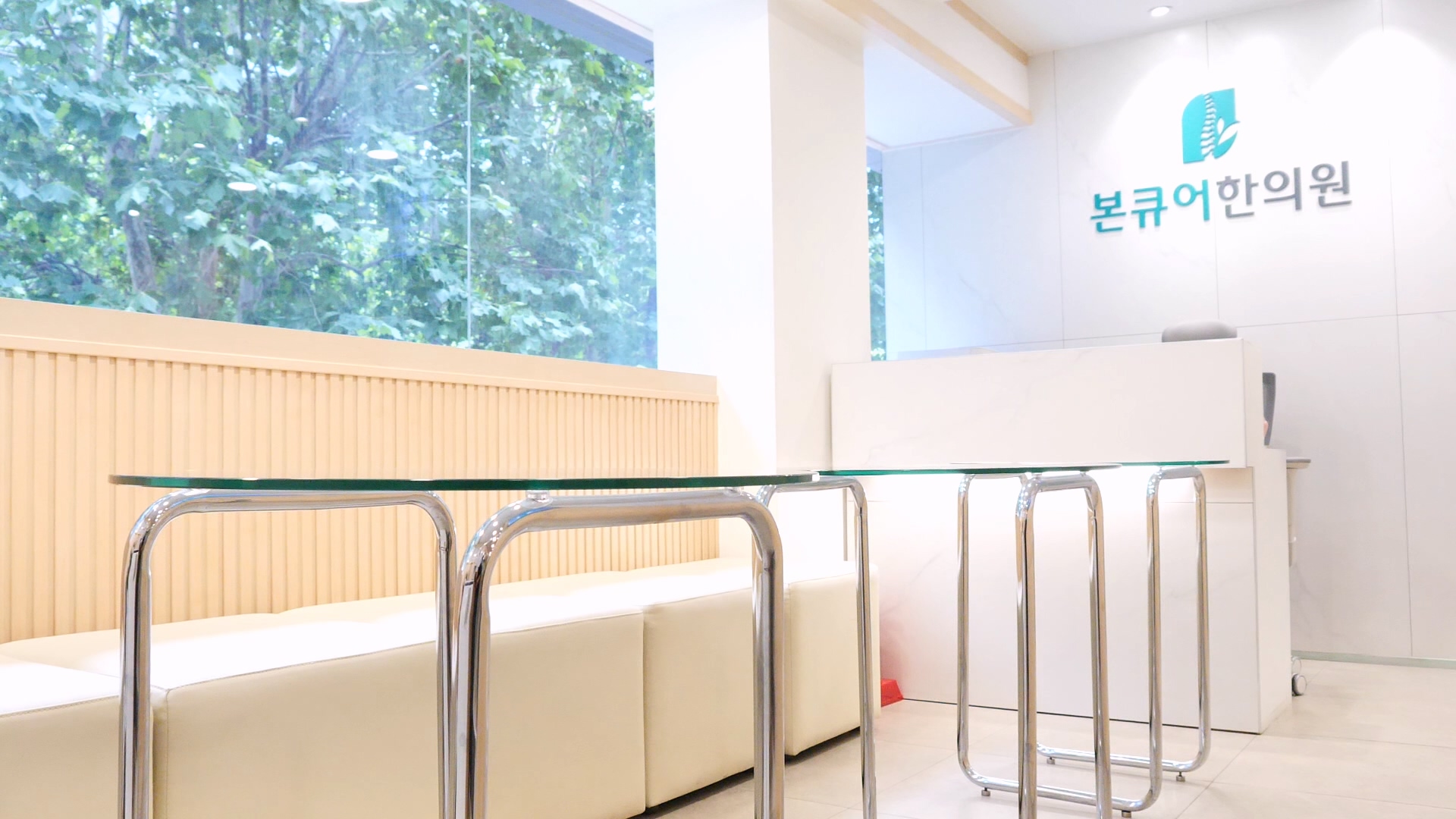
I have dedicated my career to specializing in Acupotomy and structural restoration to help patients reclaim their physical and emotional equilibrium. This guide explores how evidence-based traditional techniques provide a sustainable pathway to tranquility by addressing the root causes of tension. My philosophy centers on providing impactful, efficient care that produces immediate changes in the body's structural alignment and nervous system function.
Understanding Natural Stress Relief Acupuncture and Its Foundations
Natural Stress Relief Acupuncture is defined as a clinical practice that targets specific neurological pathways to mitigate the systemic effects of chronic tension. It functions by recalibrating the internal environment through the precise insertion of sterile needles into established meridians. At Bonecure, this process is viewed as a structural necessity because physical misalignment often exacerbates emotional distress. By addressing both the body and the mind, this foundational therapy aims to restore homeostasis and improve the patient's overall quality of life. We focus on identifying the specific structural blocks that prevent your nervous system from functioning optimally.
What is Natural Stress Relief Acupuncture?
Natural Stress Relief Acupuncture is a specialized branch of traditional medicine that focuses on the strategic stimulation of acupoints to mitigate the physiological effects of chronic tension. At Bonecure, this process involves the insertion of ultra-thin, sterile needles to harmonize the flow of energy and blood throughout the musculoskeletal system. Unlike general relaxation techniques, this clinical approach targets the deep fascial layers and the autonomic nervous system to address the root causes of anxiety. Scientific observations suggest that this modality promotes systemic homeostasis by regulating the autonomic nervous system and restoring neurotransmitter balance. By providing a non-invasive alternative to systemic drugs, it offers a path for patients seeking long-term resilience. While the immediate sensation may involve a mild dull ache, the primary objective is to induce a state of profound physiological rest. This foundation is essential for individuals dealing with the compounding stressors of modern urban environments, particularly those experiencing somatic symptoms like tension headaches or digestive irregularities.
How Traditional Techniques Stimulate the Nervous System
The mechanisms behind acupuncture involve the stimulation of the peripheral nervous system, which sends signals to the brain to release specific biochemicals. These techniques are designed to regulate the flow of signals within the dorsal horn of the spinal cord, effectively modulating pain perception and stress responses. At Bonecure, I observe that by targeting specific nerve endings, we can trigger the release of endorphins and serotonin, which are natural mood stabilizers. This biological interaction helps to reduce the overactivity of the sympathetic nervous system, often referred to as the fight-or-flight response. Patients often report a sense of lightness or clarity following a session, which is a result of these internal chemical shifts. It is important to note that while the stimulation is subtle, its effects on the brain's neuroplasticity can be significant over time. Consistent sessions help the body maintain a more balanced state, allowing for improved mental focus and physical relaxation even during demanding situations.
The Role of Acupuncture in Modern Integrative Medicine
Acupuncture has transitioned from an alternative practice to a cornerstone of modern integrative medicine, often used alongside conventional therapies to enhance patient outcomes. In a contemporary clinical setting, it is recognized for its ability to treat various stress-induced conditions such as insomnia and chronic fatigue. Integration allows for a more comprehensive assessment, where structural health is evaluated alongside psychological well-being. At Bonecure, we prioritize this multi-dimensional view to ensure that each patient receives a tailored treatment plan that addresses their unique stressors. Medical professionals increasingly refer patients to acupuncture for non-pharmacological pain management and anxiety reduction. This trend is supported by clinical research indicating that acupuncture can be a safe and effective adjunct to standard care. By combining the wisdom of traditional meridians with modern physiological understanding, practitioners can provide a more holistic recovery experience. This collaborative approach ensures that the patient's recovery is not just temporary but built on a foundation of long-term health and structural integrity.
The Physiological Mechanisms of Stress Reduction Through Acupuncture
The physiological mechanisms of stress reduction through acupuncture involve the complex interplay between the needle insertion and the body's hormonal and neurological systems. When an acupoint is stimulated, it initiates a cascade of events that calm the central nervous system and promote systemic repair. This process is essential for reversing the biological wear and tear caused by prolonged exposure to high cortisol levels. By understanding these internal dynamics, we can better appreciate how a seemingly simple procedure can lead to profound health benefits.
Activating the Parasympathetic Nervous System for Deep Relaxation
One of the primary benefits of acupuncture is its ability to activate the parasympathetic nervous system, which is responsible for the body's rest and digest functions. When this system is dominant, the heart rate slows down, digestion improves, and the muscles begin to release accumulated tension. Clinical data indicates that regular stimulation of specific points can help shift the body out of a chronic state of sympathetic dominance. Bonecure integrates these principles to help patients who suffer from the physical manifestations of burnout. The activation of the vagus nerve is a critical component of this process, as it serves as a major communication highway between the brain and the internal organs. By fostering a parasympathetic state, acupuncture allows the body to redirect its energy toward cellular repair and immune function. This shift is vital for long-term health, as it provides the necessary recovery time that the body often lacks in a high-pressure lifestyle. Patients often feel a profound sense of calm during and after treatment.
Regulating Hormones: Lowering Cortisol and Balancing Neurotransmitters
Acupuncture plays a significant role in regulating the endocrine system, particularly by lowering levels of cortisol, the body's primary stress hormone. High cortisol levels are linked to a variety of health issues, including weight gain, high blood pressure, and weakened immunity. By balancing the endocrine response, acupuncture helps to stabilize these levels and prevent the negative consequences of chronic stress. Furthermore, the treatment influences the production of neurotransmitters like dopamine and gamma-aminobutyric acid, which are essential for emotional regulation and relaxation. In my clinical experience, balancing these chemicals can lead to a noticeable reduction in anxiety and mood swings. In our clinical practice, we aim for a significant reduction in symptom intensity as measured by standardized scales, helping patients manage the sensory burden of chronic stress. These hormonal shifts provide a biological basis for the emotional relief that many patients describe. Reducing systemic inflammation through hormonal balance also contributes to overall physical comfort and mental clarity, supporting a sustainable recovery process.
Alleviating Physical Manifestations of Stress such as Muscle Tension
Stress often manifests physically as chronic muscle tension, particularly in the neck, shoulders, and lower back. Acupuncture addresses this by improving local blood circulation and releasing trigger points that have become tight and painful. The insertion of needles causes a micro-trauma that signals the body to send oxygenated blood and nutrients to the affected area, facilitating tissue repair. At Bonecure, I emphasize the importance of resolving these physical blocks to ensure that the nervous system can function without interference. When muscles are chronically contracted, they can compress nerves and limit mobility, further increasing the patient's stress levels. By alleviating this tension, acupuncture provides physical relief and prevents the development of more severe musculoskeletal issues. This physical liberation often leads to an improvement in sleep quality and daily energy levels. I focus on delivering treatments that yield immediate results you can feel, rather than prescribing a mandatory number of sessions. Each plan is personalized to your unique structural needs. Please note that individual results may vary based on the severity of the condition. Regular maintenance can prevent the recurrence of tension, allowing for a more active and comfortable lifestyle.
Bonecure's Clinical Approach: Integrating Acublade and Structural Alignment
Bonecure's clinical approach is centered on the integration of Acublade therapy and structural alignment to provide comprehensive relief for both physical and emotional stress. We believe that a balanced structure is the foundation of a healthy nervous system, and our techniques are designed to restore this harmony. By combining specialized tools with traditional knowledge, we offer a unique pathway to recovery that addresses the deep-seated causes of chronic pain and tension. Our commitment is to provide evidence-based care that yields measurable improvements in our patients' lives.
Acublade Therapy: Addressing Chronic Adhesion and Structural Stress
Acublade therapy, also known as Acupotomy, is a signature technique at Bonecure that utilizes a specialized blade-shaped needle to treat chronic tissue adhesions. These adhesions often form as a result of long-term stress, repetitive strain, or injury, and they can significantly restrict movement and cause persistent pain. By precisely releasing these tight bands of tissue through dissection and adhesiolysis, we can restore normal blood flow and nerve function to the affected areas. This method is particularly effective for patients who have not found relief through conventional acupuncture or massage. The structural release provided by Acublade therapy helps to realign the body, reducing the overall burden on the nervous system. While the procedure involves more intensity than traditional needles, the resulting sense of freedom and mobility is often reported as a major breakthrough. I prioritize immediate improvement so that you can feel the change in your body from the very first treatment. This targeted approach ensures that we are treating the root physical causes of stress, rather than just masking the symptoms.
Korean Medicine Doctor Blog: Insights into Real-world Clinical Notes
My clinical notes often reflect the profound connection between structural integrity and emotional resilience. In my years of practice, I have documented numerous cases where correcting a patient's spinal alignment led to a significant decrease in their anxiety levels. My clinical focus for chronic conditions, such as tinnitus or autonomic dysfunction, involves addressing cervical spine alignment and structural tension, as these physical factors often exacerbate the perception of symptoms. By focusing on these structural foundations, we work toward a significant improvement in the patient's quality of life. These real-world insights demonstrate that the body cannot be treated in isolation from the mind. At Bonecure, we document every step of the journey, from initial evaluations to follow-up assessments. This evidence-based approach allows us to refine our techniques and provide the most effective care possible. Sharing these clinical experiences helps patients understand the potential for recovery, even in cases that have been chronic for decades. My blog serves as a resource for those seeking a deeper understanding of how traditional medicine adapts to modern health challenges.
Case-Specific Observation: Structural Balance and Emotional Recovery
Observing the relationship between structural balance and emotional recovery has been a cornerstone of our work. When the spine and joints are properly aligned, the body spends less energy on maintaining posture, leaving more resources for mental and emotional regulation. We often see that as a patient's posture improves, their confidence and mood also trend upward. This is not a coincidence; a balanced physical frame supports a balanced nervous system. At Bonecure, we utilize tools like Whole Spine X-rays to visualize these structural issues and track progress over time. For instance, a patient might arrive with severe back pain and high stress, only to find that as their spinal curvature is addressed, their overall stress resilience improves. This holistic transformation is what we strive for with every individual. It is important to remember that individual results vary, and chronic conditions require a commitment to the personalized plan we develop together. However, the synergy between physical alignment and mental peace is a consistent theme in our clinical success stories. We provide a supportive environment where patients can focus on their comprehensive health.
Comparing Stress Relief Modalities: Acupuncture vs. Traditional Alternatives
When choosing a path for stress management, it is helpful to compare the efficacy and characteristics of various modalities. Acupuncture offers a unique set of benefits that differ from pharmacological or purely physical treatments. The following table provides a neutral comparison of common stress relief options based on clinical observations.
| Feature | Acupuncture (Bonecure) | Pharmaceutical Interventions | General Massage Therapy |
|---|---|---|---|
| Mechanism | Nervous system & structural modulation | Chemical neurotransmitter alteration | Superficial muscle relaxation |
| Primary Goal | Restore homeostasis and alignment | Symptom management | Temporary tension relief |
| Side Effects | Potential minor bruising or soreness | Possible systemic side effects | Generally minimal |
| Sustainability | Focuses on structural recovery | Requires consistent dosage | Focuses on temporary relief |
| Application | Localized and systemic | Systemic | Primarily localized |
Advanced Acupotomy in Seoul: Root Cause Pain Relief at BoneCure Korean Medicine Clinic
Why Korean Traditional Medicine Clinic Cheongdam Approaches Are Unique
The approach taken at a Korean Traditional Medicine clinic in Cheongdam, such as Bonecure, is characterized by a high level of specialization in structural and autonomic health. We integrate advanced diagnostic tools with time-honored techniques to provide a level of precision that is rare in general practice. Our focus is on the root cause, particularly the relationship between the spine and the nervous system. This specialized focus allows us to treat complex conditions that are often triggered or worsened by stress, such as autonomic dysfunction. By addressing the physical structure through Acupotomy and Chuna therapy, we provide a more robust foundation for emotional health. The environment in our clinic is designed to be modern and professional, moving away from traditional mysticism toward evidence-based results. This commitment to scientific validation while maintaining traditional principles makes our approach uniquely effective for the modern patient. We believe that true healing comes from this balance of old and new, ensuring that our patients receive the most comprehensive care available.
Pros and Cons of Non-Pharmacological Interventions
Non-pharmacological interventions like acupuncture offer several advantages, including the lack of systemic side effects typically associated with anxiety medications. These treatments empower the body's natural healing mechanisms rather than introducing external chemicals. One of the main benefits is the localized nature of the treatment, which can target specific areas of tension or dysfunction. However, these methods often require a greater time commitment from the patient, as results are cumulative and may take several sessions to manifest fully. At Bonecure, I educate our patients on the importance of consistency in their treatment plan. While medications may provide faster temporary relief, non-pharmacological approaches focus on long-term sustainability and systemic health. It is also important to consider that acupuncture may not be suitable for everyone, particularly those with certain bleeding disorders or an intense phobia of needles. However, for the majority of patients, it provides a safe and effective way to manage stress without the risk of dependency. By weighing these factors, patients can make informed decisions about their health and choose the path that best aligns with their long-term wellness goals.
Professional Considerations and Safety Protocols for Acupuncture
Ensuring patient safety is our highest priority at Bonecure. Professional acupuncture requires strict adherence to hygiene and clinical standards to prevent complications and ensure the best possible outcomes. Before beginning any treatment, a thorough consultation is conducted to assess the patient's medical history and current health status. This ensures that the chosen therapy is appropriate and safe for their specific needs.
Essential Safety Measures and Potential Side Effects
While acupuncture is generally considered very safe when performed by a licensed professional, there are potential side effects that patients should be aware of. The most common include minor bruising at the needle site, temporary soreness, or a mild feeling of fatigue immediately following a session. These are typically short-lived and resolve within a day or two. When performing Acupotomy (Acublade therapy), patients may experience localized pain, minor bleeding, or, in very rare cases, infection. At Bonecure, we use only single-use, sterile needles to eliminate the risk of infection. We also conduct a detailed screening for any contraindications, such as the use of blood thinners or the presence of a pacemaker. It is crucial to inform your practitioner of any pre-existing conditions or medications you are taking. Our clinical protocols are designed to minimize discomfort and maximize safety, ensuring a positive experience for every patient. We believe that informed patients are safer patients, which is why we provide clear information about what to expect before, during, and after your treatment.
What to Expect During Your Consultation at a Seoul Acupuncture Clinic
During your initial consultation at Bonecure, you can expect a comprehensive and highly efficient evaluation that focuses on your stress-related symptoms. We often use diagnostic imaging, such as X-rays, to identify any structural misalignments that may be contributing to your condition. This data-driven approach allows me to create a personalized treatment plan that targets your specific needs. The consultation is also a time for you to ask questions and discuss any concerns you may have about the treatment process. We will explain the recommended techniques and the goals for your recovery. At Bonecure, we prioritize impact over length; our system is designed to provide intensive, high-impact clinical care within a concentrated 10 to 20-minute timeframe per session. This ensures that your treatment is focused and effective without unnecessary delays. We strive to create a professional and welcoming environment where you feel heard and supported, building a roadmap for your long-term health through precise and immediate action.
Integrating Moxibustion Therapy for Enhanced Stress Management
In some cases, we integrate moxibustion therapy with acupuncture to enhance the stress-relief benefits. Moxibustion involves the application of heat to specific acupoints using the herb mugwort, which can help to improve circulation and warm the body's meridians. This technique is particularly beneficial for patients who experience stress as a feeling of coldness, fatigue, or stagnation in their energy. At Bonecure, we use modern, smoke-minimized moxibustion to ensure a comfortable and professional environment. The gentle heat provides an additional layer of relaxation, helping to soothe the nervous system and promote a deeper state of rest. This combination of heat and needle stimulation can be more effective than either treatment alone for certain chronic conditions. Like all our therapies, moxibustion is applied based on a clinical assessment of the patient's constitution and needs. While the sensation is generally pleasant and warming, care is taken to ensure the skin is protected and the heat levels are appropriate. This integrated approach allows us to address the diverse ways that stress affects the human body, providing a more versatile and effective range of treatments.
Expert Korean Medicine Doctor Consultation: A 2026 Guide to Integrative Healing
Frequently Asked Questions
Q. How exactly does acupuncture help in reducing stress naturally?
Acupuncture stimulates specific neurological points that trigger the release of endorphins and serotonin while naturally balancing the autonomic nervous system. This process shifts the body from a fight-or-flight sympathetic state into a restorative parasympathetic state. By regulating these internal responses, the body can better manage both physical and emotional pressures without the need for systemic drugs.
Q. Are there any side effects associated with stress relief acupuncture?
While generally safe when performed by a professional at Bonecure, some individuals may experience minor bruising, temporary soreness, or localized pain at the needle site, especially after Acublade therapy. Others might feel mild fatigue as the body recalibrates. These effects are typically mild and resolve within 24 to 48 hours. In rare cases, minor bleeding or infection can occur, which we manage with strict sterile protocols.
Q. How many sessions are typically required to feel a difference in stress levels?
At Bonecure, we focus on immediate improvement that patients can feel from the very first treatment. We do not require a mandatory number of sessions (like 10 or 20) as a standard rule. Instead, we monitor your progress in real-time and adjust the frequency based on your individual response and the complexity of your structural condition. As with any medical procedure, results vary between patients.
Q. Does Bonecure use specific techniques for chronic pain and stress?
Yes, I utilize Acublade therapy (Acupotomy) to release physical adhesions in the soft tissues and improve structural alignment. This specialized method addresses the deep-seated physical burdens of chronic stress that traditional needles might not fully reach. Correcting these structural blocks is essential for restoring the natural flow of the nervous system.
Q. Can acupuncture replace my current stress or anxiety medication?
Acupuncture is an excellent complementary therapy that provides structural and neurological support. However, any changes to prescribed medication must be discussed and managed by your primary healthcare provider or psychiatrist. We focus on improving your body's self-regulatory capacity, which may support your overall treatment goals under medical supervision.
Q. How much does a stress relief acupuncture session cost at Bonecure?
Costs depend on the specific treatments required, such as whether Acublade therapy or moxibustion is combined with standard acupuncture. We recommend a direct consultation for a personalized treatment plan and pricing details tailored to your specific condition. We prioritize transparency and will discuss all options during your visit.
Q. Is the treatment painful?
Most patients feel only a slight pinch or a heavy, dull sensation upon needle insertion. Many find the experience so relaxing that they rest during the session. While Acublade therapy is more intensive and may involve temporary discomfort, the immediate physical relief it provides often outweighs any short-term sensation during the procedure.
Key Takeaways
- Autonomic Balance: Natural Stress Relief Acupuncture works by modulating the autonomic nervous system and restoring neurotransmitter harmony.
- Immediate Impact: Bonecure emphasizes immediate improvement you can feel, focusing on efficient, 10 to 20-minute specialized treatments.
- Structural Focus: We prioritize the connection between spinal alignment and emotional resilience using advanced tools like Acublade therapy and X-ray diagnostics.
- Personalized Care: There is no mandatory session count; each treatment plan is tailored to the individual's progress and structural needs.
- Professional Safety: Treatments are performed by Dr. Jeong-hyeon Song using sterile, single-use equipment to ensure maximum safety and minimize side effects like bruising or soreness.
Bonecure / Dr. Jeong-hyeon Song
FAQ
- How exactly does acupuncture help in reducing stress naturally?
- Acupuncture stimulates specific neurological points that trigger the release of endorphins and serotonin while naturally lowering cortisol levels. This process shifts the body from a fight-or-flight sympathetic state into a restorative parasympathetic state. By balancing these internal chemicals, the body can better manage both physical and emotional pressures without the need for systemic drugs.
- Are there any side effects associated with stress relief acupuncture?
- While generally safe when performed by a licensed professional at Bonecure, some individuals may experience minor bruising or temporary soreness at the needle site. Others might feel a sense of mild fatigue or a 'healing crisis' immediately following the session as the body recalibrates. These effects are typically mild and resolve within 24 to 48 hours.
- How many sessions are typically required to feel a difference in stress levels?
- The number of sessions varies significantly depending on the individual's structural health and the chronicity of their stress. While some feel immediate relaxation after just one treatment, a structured plan of 5 to 10 sessions is often recommended for sustained results. For more complex structural issues, such as those involving the spine, 20 or more sessions may be necessary for normalization.
- Does Bonecure use specific techniques for chronic pain and stress?
- Yes, we frequently utilize Acublade therapy (Acupotomy) to release physical adhesions in the soft tissues and improve structural alignment. This specialized method addresses the deep-seated physical burdens of chronic stress that traditional needles might not fully reach. Correcting these structural blocks is essential for long-term nervous system health.
- Can acupuncture replace my current stress or anxiety medication?
- Acupuncture is an excellent complementary therapy that can work alongside your existing medical plan. However, any changes to prescribed medication must be discussed and managed by your primary healthcare provider or psychiatrist. We focus on providing structural and neurological support that may eventually allow for a reduction in medication under medical supervision.
- How much does a stress relief acupuncture session cost at Bonecure?
- Costs vary depending on the specific treatments required, such as whether Acublade therapy or moxibustion is combined with standard acupuncture. We recommend a direct consultation for a personalized treatment plan and pricing details tailored to your specific condition. We prioritize transparency and will discuss all options during your initial visit.
- Is the treatment painful?
- Most patients feel only a slight pinch or a heavy, dull sensation known as 'De-Qi' upon needle insertion. Many find the experience so relaxing that they fall asleep during the session. While Acublade therapy is more intense than standard acupuncture, the immediate physical relief it provides often outweighs any temporary discomfort during the procedure.