
Post
Restoring Digestive Function Through Structural Alignment and Korean Medicine: A 2026 Guide
Restoring the body's functional and structural harmony is the cornerstone of effective gastrointestinal wellness. My name is Dr. Song Jung-hyun, and at Bonecure Korean Medicine Clinic, I specialize in identifying how skeletal misalignments contribute to chronic internal ailments.
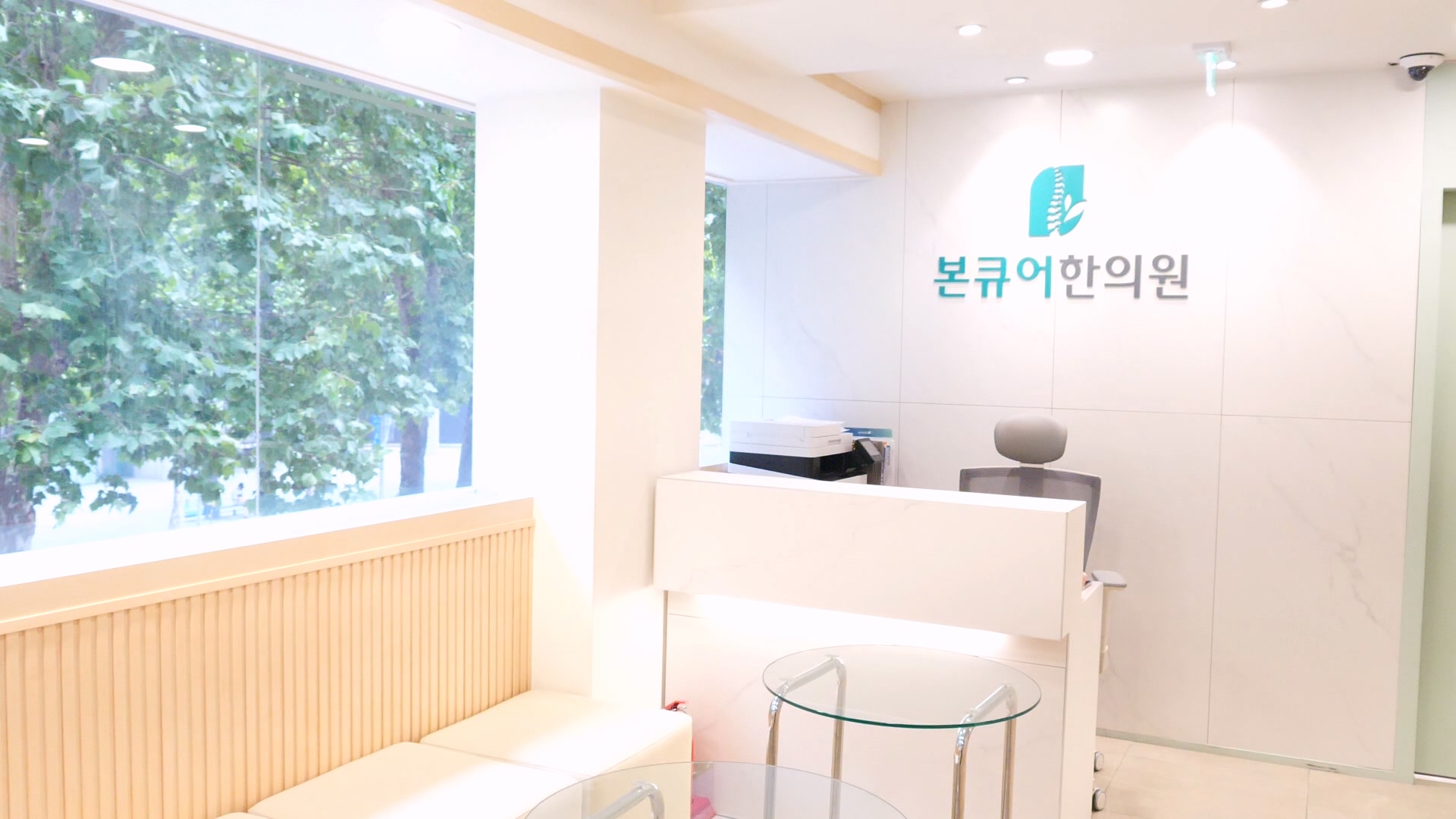
Rather than simply addressing localized symptoms, we focus on the root causes of pain and functional stagnation through personalized treatment plans. By combining traditional therapies with modern structural analysis, we help each patient regain a balanced daily life. This guide explores how spinal integrity and autonomic regulation serve as the foundation for digestive health, complementing traditional pharmacology to offer a more integrated recovery path. When your bones smile, life smiles, and this philosophy guides every clinical decision we make for our patients in Gangnam.
Understanding Structural Alignment and Its Role in Digestive Health
In Korean medicine, the 'Spleen and Stomach' are viewed as the body's central engine, but their function is heavily dependent on the surrounding physical structure. At Bonecure, we believe that the digestive system is an interconnected network influenced by neurological signaling and skeletal arrangement. When the spine is misaligned, it can physically impede the internal organs and disrupt the communication between the brain and the gut. Our approach focuses on harmonizing these systems to resolve the underlying imbalances that lead to chronic inflammation. By restoring structural integrity, we aim to support the body's natural ability to transform nutrients into vital energy, or 'Qi.' While individual results may vary and structural alignment is only one factor in wellness, a healthy digestive tract can be influenced by how your body is positioned to process nutrients.
The Relationship Between Spinal Integrity and Internal Organ Vitality
Traditional Hanbang emphasizes the spleen and stomach as primary engines for energy transformation. However, clinical observations in my practice suggest that systemic fatigue and bloating are often linked to underlying structural stagnation. When the thoracic vertebrae are not properly aligned, they can put pressure on the nerve pathways that regulate gastric motility. At Bonecure, we prioritize the restoration of this harmony through Chuna therapy and manual correction. This foundational work can be a helpful part of long-term health and may assist in reducing the likelihood of recurrence of chronic metabolic deficiencies. While individual results vary, restoring the proper curvature of the spine can help create a more favorable environment for organ function. A robust digestive system serves as the foundation for immunity, and ensuring the structural 'housing' of these organs is clear of interference is our primary goal for every patient we treat.
A Holistic Perspective on the Brain-Gut Axis and Autonomic Balance
Addressing chronic gastrointestinal distress requires looking beyond the stomach to the entire structural environment of the patient. A holistic approach means considering the brain-gut axis, where neurological signaling plays a significant role in digestion. Our treatment strategy involves regulating the autonomic nervous system to allow the parasympathetic 'rest and digest' functions to take over effectively. At Bonecure, we analyze the patient's posture, lifestyle, and spinal alignment as a single, unified data set. This comprehensive perspective allows us to treat conditions like functional dyspepsia more effectively by calming an overactive sympathetic nervous system. By integrating these factors, we aim to support long-term wellness and help maintain the patient's quality of life, though individual results may vary. This method complements localized medical interventions by providing the structural stability necessary for the body's internal systems to heal and maintain their own natural rhythm.
Precision Diagnosis for Personalized Structural and Functional Recovery
Every patient presents a unique physiological and skeletal profile, making individualized diagnosis the cornerstone of a successful recovery. We utilize modern diagnostic tools alongside traditional methods to categorize each patient's specific constitution and structural state. For instance, a patient with indigestion rooted in thoracic compression requires a different intervention than one suffering from metabolic chemical imbalances. During the initial consultation at Bonecure, we conduct a comprehensive assessment of the spine and pelvis to map out the patient’s structural status. This precision ensures that we do not apply a one-size-fits-all solution to complex chronic conditions. By identifying the mechanical root of gastrointestinal slowdown, we can prescribe a roadmap that addresses the patient's specific biological and structural requirements. This diagnostic clarity is vital for facilitating the gradual improvements in comfort that many patients experience during their treatment journey.
Core Therapies for Digestive Wellness at Bonecure Clinic Seoul
Bonecure Clinic in Seoul serves as a hub for evidence-based integrative therapies that bridge ancient wisdom with modern clinical standards for digestive health. Our clinic focuses on techniques that stimulate the body's natural healing mechanisms, specifically targeting the nerves and muscles associated with the gastrointestinal tract. By applying precision acupotomy and Chuna therapy, we modulate motility and reduce visceral hypersensitivity. These methods provide a safe and effective alternative for those seeking recovery paths that address structural factors alongside symptom management. Our goal is to provide care designed for improvement, aiming for each treatment session to support the body's overall balance and skeletal harmony in a contemporary clinical setting, though individual results may vary.
Personalized Herbal Medicine for Intestinal Resilience and Balance
Herbal medicine remains a vital modality for managing symptoms associated with chronic bloating and irregular bowel movements. At Bonecure, we emphasize that these formulas are designed to strengthen the functional resilience of the intestines and modulate the gut microbiome. Rather than using standard pre-packaged solutions, we provide evidence-based herbal prescriptions tailored to the individual's constitution. These formulas are researched for their ability to reduce visceral pain and improve the delivery of nutrients to the digestive tract. While herbal medicine is a personalized approach, it is important to note that effects vary by individual, and rare side effects such as indigestion or allergic reactions may occur. By strengthening the functional state of the organs, we provide a benefit that supports long-term health. This approach ensures that the digestive system can maintain its own balance even after the initial course of treatment is completed, fostering lasting gastrointestinal wellness.
Thermal Therapy and Myofascial Release for Abdominal Vitality
Thermal therapies and cupping are essential for improving blood circulation within the abdominal cavity. These techniques stimulate enzyme activity and intestinal peristalsis by enhancing blood flow to the mesenteric regions. In my practice at Bonecure, these therapies are designed to support bowel regularity and aim to improve digestive function by enhancing local circulation. Additionally, we utilize myofascial release to address tension in the abdominal and back regions, which often contributes to physical digestive discomfort. These techniques are particularly effective for individuals with slow digestion who feel physically 'tight' or 'cold' in their core. By physically stimulating the tissue and releasing adhesions, we promote a more responsive and fluid intestinal environment. This mechanical optimization is a vital component of our comprehensive approach, ensuring that the physical pathways for digestion are open and functioning as intended.
Acupotomy and Precision Acupuncture for Neurological Regulation
Precision acupuncture targets neuro-reflex points that communicate with the enteric nervous system to resolve digestive slowdowns. At Bonecure, we utilize specialized acupotomy (needle-knife) techniques to release deeper adhesions in the spinal fascia that might be physically restricting nerve flow to the stomach. Research has demonstrated that modulating the vagus nerve through these points can normalize stomach acid secretion and gallbladder function. While acupuncture and acupotomy are generally safe, patients should be aware of potential side effects such as temporary pain, localized bruising, or in rare cases, infection at the site. Clinical data indicates that patients with chronic indigestion often experience a reduction in symptom severity after a structured course of treatment. By utilizing acupotomy to address the pathways of the spinal nerves, we provide a treatment designed to support the recovery process, with results depending on individual patient conditions.
Comparative Perspectives: Structural Recovery vs. Conventional Care
Structural-focused Korean medicine and conventional gastroenterology offer distinct but potentially complementary approaches to health. Conventional methods provide essential diagnostics and biochemical interventions, while Bonecure focuses on the functional state of the organs and the structural integrity of the body's neurological pathways to provide an additional perspective on wellness. Understanding where each modality fits helps patients navigate their personal health journey more effectively. Our integrative approach is designed to complement standard care, particularly for those whose digestive issues may be influenced by physical misalignment alongside other factors.
Our clinical focus at Bonecure centers on structural alignment and autonomic balance, utilizing tools like acupotomy, Chuna, and herbal medicine to address nerve interference and structural misalignment. We encourage active patient involvement through postural and skeletal correction to support constitutional recovery and long-term alignment.
Addressing Structural Factors Associated with Acid Reflux and Stagnation
In addition to conventional medicine which provides rapid relief from acidity, our clinic explores the structural factors associated with the issue. Many digestive complaints can be influenced by spinal alignment or autonomic balance. For instance, a thoracic vertebrae deviation may affect the nerves that control the stomach, contributing to reflux symptoms. In such cases, structural alignment offers a valuable complementary approach to standard medical care. At Bonecure, we find that addressing these mechanical issues aims to support long-term management. By focusing on structural recovery, we aim to assist the body in maintaining its own health, which can be a helpful option alongside standard digestive medications. We aim to restore the body's innate ability to digest and absorb nutrients by ensuring the physical and neurological infrastructure of the body is properly aligned.
Integrating Modern Diagnostics with Traditional Structural Wisdom
Modern integrative clinics like Bonecure combine traditional wisdom with diagnostic standards such as X-ray imaging to visualize skeletal issues. This integration allows for a verifiable assessment of a patient's progress. For example, we monitor objective metrics such as heart rate variability (HRV) to assess the state of the autonomic nervous system during the recovery process. This evidence-first approach has helped elevate the credibility of our treatments, as clinical observations suggest that structural corrections may influence physiological functions related to internal organs. By utilizing both subjective patient feedback and objective clinical data, we provide a transparent treatment environment for chronic issues. This dual approach ensures that we are not just 'guessing' at the problem but are targeting the specific spinal segments that are interfering with the patient's digestive vitality, leading to more predictable and sustainable clinical outcomes.
The Bonecure Perspective: Digestive Health Through Bone Alignment
At Bonecure, our perspective is centered on the principle that physical structure dictates physiological function. We recognize that the digestive organs are housed within the abdominal cavity and supported by the spine and pelvis. When the skeletal framework is misaligned, it leads to physical compression of the organs and interference with the neurological signals required for healthy metabolism. Our specialized approach focuses on addressing these structural anomalies using Chuna therapy and acupotomy to facilitate the body's recovery process. We believe that when your bones are in their correct positions, your body's internal systems can finally operate without the burden of physical stress. This alignment-first philosophy is a core part of our specialized care for those seeking to manage chronic functional disorders, providing a supportive path alongside conventional treatments.
The Impact of Thoracic Health on the Autonomic Nervous System
The connection between the spinal column and the digestive system is a fundamental pillar of my clinical practice. The autonomic nervous system, which regulates gastrointestinal motility, travels through and exits the spinal canal. When structural misalignments occur in the thoracic region, they can physically irritate these nerve pathways, leading to symptoms like 'burning back' (Baeryeol-jeung) or chronic indigestion. In my clinical experience, restoring the proper curvature of the spine can reduce sympathetic overactivity, which often hinders digestion. By addressing the structural root, we harmonize the brain-gut axis and ensure the neurological 'wiring' for the stomach and intestines operates without interference. This structural focus ensures that the patient’s recovery is not just temporary but is built upon a corrected physical foundation, promoting long-term visceral health and metabolic efficiency. Korean Medicine Doctor Consultation: A 2026 Guide to Integrative Healing
Enhancing Metabolism Through Postural Correction and Manual Therapy
Correcting a patient's posture can have a profound impact on their organ function. Slumped posture often leads to 'abdominal crowding,' where the stomach and intestines are physically compressed, reducing the space available for proper movement. This compression can decrease transit speed, leading to gas and chronic constipation. At Bonecure, we use manual structural correction to open up the thoracic and abdominal space, allowing the organs to function in their intended anatomical positions. Postural correction is designed to help restore physical balance, which may assist in recovering the body's natural vitality by reducing physical obstruction. Improved posture also facilitates better diaphragmatic breathing, which acts as a natural pump for the digestive system. This mechanical optimization is a vital component of our comprehensive digestive health strategy, ensuring that the body's internal 'machinery' has the space it needs to thrive. Acupotomy Treatment in Seoul: Root Cause Pain Relief at BoneCure Korean Medicine Clinic
Clinical Insights on Recovery from Chronic Functional Disorders
Clinical case insights from my clinic highlight the recoveries possible when bone alignment is prioritized alongside traditional therapies. In my clinical experience, I have observed that addressing thoracic alignment can be a significant factor in managing chronic digestive discomfort. By addressing significant vertebral deviations, we are able to restore the nerve flow to the digestive tract. These clinical observations represent individual outcomes; results vary and this does not guarantee the same outcome for every person. At Bonecure, we have seen how spinal adjustments lead to improved gastric motility and overall comfort. These cases demonstrate that our slogan, 'When your bones smile, life smiles,' reflects our clinical philosophy and the results we strive for. By aligning the structure, we aim to support the body's natural potential for healing, which may help patients manage the constraints of chronic digestive distress.
Frequently Asked Questions
Q. What is the primary goal of treatment at Bonecure?
The primary goal is to identify the root causes of pain and functional imbalances by focusing on structural alignment. We aim to help each patient regain a balanced daily life by ensuring the skeletal system and internal organs work in harmony.
Q. Does Bonecure provide personalized herbal prescriptions for digestion?
Yes, we provide specialized herbal medicine tailored to each patient's unique constitution and condition. These formulas are designed to strengthen the functional resilience of the gastrointestinal tract and support long-term recovery.
Q. Are there any side effects associated with acupotomy for digestion?
Acupotomy is generally safe when performed by an expert. However, patients may experience temporary soreness, localized bruising, or minor pain at the treatment site. In rare cases, there is a risk of infection, which we manage with strict clinical protocols.
Q. How can spinal alignment actually help my stomach issues?
Structural misalignments in the spine can irritate the nerves that control digestive motility. By restoring proper alignment, we reduce interference in the autonomic nervous system, allowing the organs to operate more efficiently and without physical compression.
Q. How many sessions are typically required for chronic issues?
Chronic conditions generally require a consistent course of treatment to achieve stable structural correction. While some notice immediate changes, the total number of sessions required is determined based on an individual assessment of the patient's chronicity and specific health needs.
Q. What makes Dr. Song Jung-hyun's approach different?
Dr. Song focuses on providing thorough care, utilizing his expertise in acupotomy and structural correction to support patient recovery. He directly treats each patient to ensure that the skeletal framework supports internal organ health, providing personalized care tailored to each individual's unique structural needs.
Q. Is the clinic accessible for international patients in Seoul?
Yes, Bonecure Clinic is located in Gangnam-gu, Seoul, and welcomes international patients. We provide detailed consultations to ensure that our structural approach and integrated therapies are clearly explained to all patients seeking long-term wellness.
Key Takeaways
- Structural Focus: At Bonecure, we believe that spinal alignment is the foundation for healthy nerve communication and internal organ function.
- Autonomic Balance: Treatments target the sympathetic and parasympathetic nervous systems to resolve the root causes of digestive stagnation.
- Personalized Care: Every treatment plan is tailored to the individual's specific skeletal and constitutional needs, aiming for effective support of the body's recovery.
- Integrated Therapies: We combine Chuna, acupotomy, and personalized herbal medicine to provide a comprehensive recovery path for chronic conditions.
- Root Cause Recovery: By addressing mechanical issues like posture and vertebral deviation, we aim for sustainable health and to assist in reducing the likelihood of symptom recurrence.
Bonecure Korean Medicine Clinic / Dr. Jung-hyun Song
FAQ
- What is the primary goal of Korean medicine digestive health treatment?
- The primary goal is to restore the natural balance and harmony between internal organs, specifically focusing on the spleen and stomach. We aim to ensure the efficient conversion of nutrients into energy by addressing both functional and structural imbalances within the body.
- Does Bonecure provide herbal medicine prescriptions in Korea for chronic IBS?
- Yes, we provide specialized herbal formulas like Tongsayobang and Gwakhyangjeonggi-san which have been researched for their effectiveness in managing lower-intestinal symptoms. However, it is important to remember that individual results may vary depending on each patient's unique constitution and condition.
- Are there any side effects associated with acupuncture for digestion?
- Acupuncture is generally safe when performed by a qualified professional at a clinic like Bonecure. Some patients may experience minor bruising, temporary soreness, or lightheadedness at the needle site, though these symptoms typically resolve quickly without further intervention.
- Can spinal alignment really improve my digestion?
- Yes, structural misalignments in the spine can interfere with the nerves that control the digestive tract, leading to functional issues. By restoring proper alignment, we can improve autonomic function and digestive efficiency, allowing the organs to operate without neurological interference.
- How many sessions are typically required for chronic digestive issues?
- Chronic conditions often require a consistent course of treatment to achieve lasting results. While some notice changes early, a structured plan of 10 to 20 sessions is commonly recommended to ensure both structural and functional improvements are stabilized.
- What makes the approach at Bonecure different from other clinics?
- Our approach combines traditional acupuncture and herbal medicine with advanced structural correction, focusing on the principle that skeletal health influences organ function. This ensures we treat the body as an integrated whole rather than just managing isolated symptoms.
- Is traditional Korean medicine suitable for international patients in Seoul?
- Absolutely, many international patients seek integrative medicine in Seoul for its holistic benefits. We provide detailed consultations at Bonecure to ensure all treatments are explained clearly and tailored to each individual's needs, regardless of their country of origin.