
Post
A 2026 Guide to Korean Herbal Medicine Consultation Seoul: Structural Restoration at Bonecure
Hello. I am Dr. Song Jung-hyun, a practitioner who has long focused on Acupotomy and structural restoration at Bonecure.
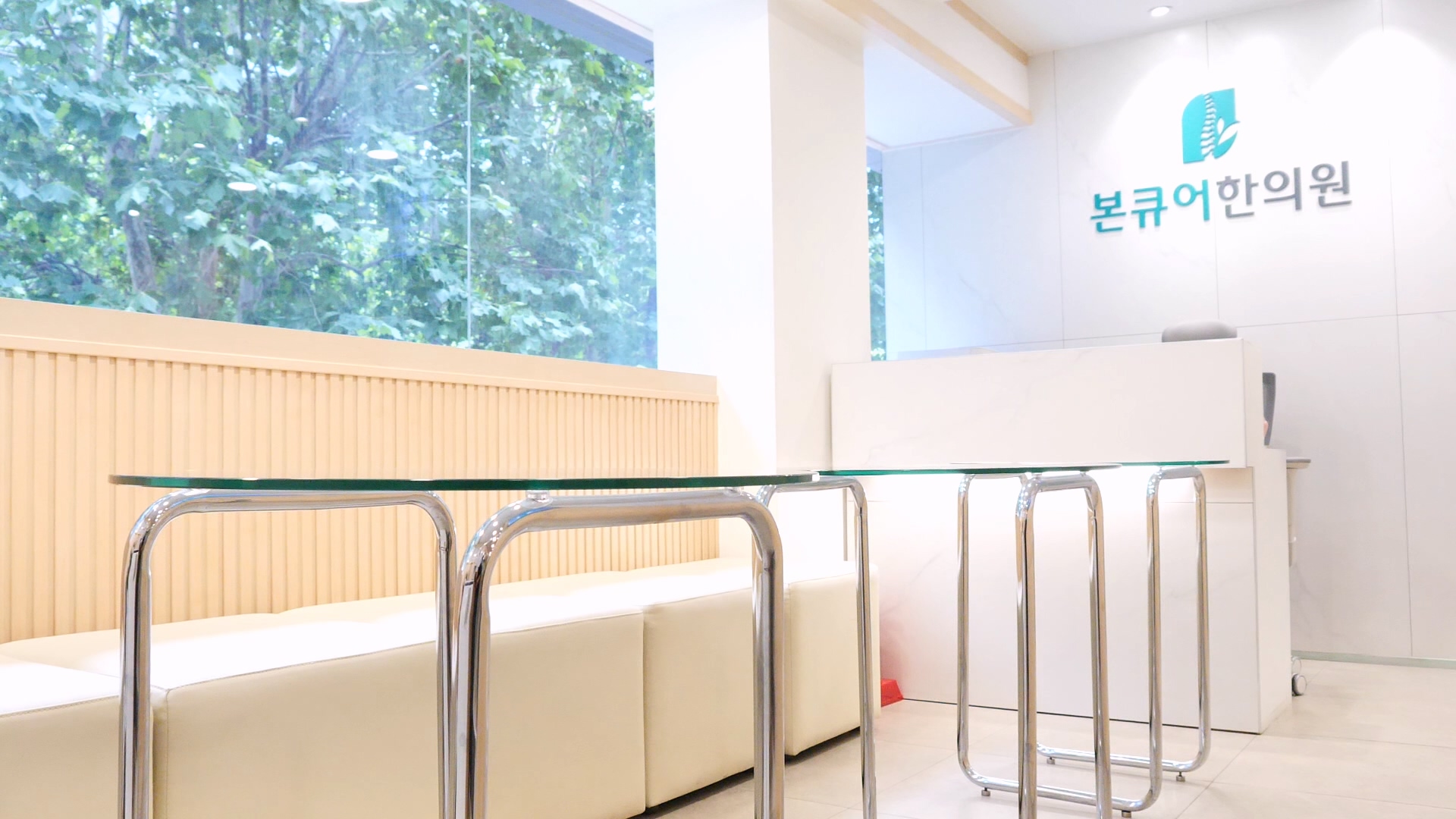
A Korean herbal medicine consultation Seoul represents an impactful and highly efficient diagnostic session focused on identifying the structural and internal causes of persistent physical distress. By integrating traditional wisdom with modern mechanical insights, we offer a path toward functional recovery through precise and essential interventions.
Understanding Korean Herbal Medicine Consultation in Seoul
A Korean herbal medicine consultation Seoul is defined as a systematic evaluation process that analyzes a patient's spinal structure, autonomic nervous system balance, and musculoskeletal integrity to determine the root cause of chronic symptoms. This diagnostic approach moves beyond the simple identification of pain points to understand how the body's entire framework is functioning as a single, cohesive unit. By assessing the relationship between bone alignment and internal organ health, practitioners can develop a personalized strategy that facilitates long-term wellness rather than providing temporary symptomatic relief.
What to Expect During Your First Bonecure Consultation
Your initial consultation at Bonecure is a targeted evaluation of your musculoskeletal and autonomic health. Typically lasting between 10 and 20 minutes, this session is designed for maximum clinical efficiency, beginning with a physical examination and a review of your medical history. We focus on identifying structural imbalances that may be contributing to chronic pain or internal dysfunction. By utilizing specialized diagnostic tools and physical assessments, we create a roadmap for your recovery. It is important to note that our system is optimized for impactful results through compressed session times, ensuring the diagnostic depth is tailored specifically to the most critical needs. This first step is crucial for establishing a baseline for your spinal alignment and nervous system health. We encourage patients to bring any existing X-rays or medical records to provide a more comprehensive view of their past health challenges. Our goal is to focus entirely on professional treatment and achieving tangible structural improvements.
The Principles of Modern Korean Medicine and Body Alignment
Modern Korean medicine as practiced at Bonecure integrates classical herbal knowledge with a rigorous understanding of spinal biomechanics. We believe that when the physical structure of the body is restored to its natural state, the internal systems can function with much higher efficiency. This principle involves looking at the spine not just as a support structure but as a vital conduit for neural communication. During a consultation, we evaluate how minor deviations in your posture might be affecting your metabolic rate or digestive health. By addressing these structural discrepancies through integrative methods, we can support the body's innate ability to heal from within. This holistic view ensures that we are not just treating an isolated symptom but are instead fostering a state of comprehensive vitality. For those seeking specialized care, understanding this connection is essential. You may find more information in our A 2026 Clinical Guide to Your English-Speaking Korean Medicine Doctor in Seoul: Structural Restoration at Bonecure to see how we bridge these two disciplines.
Specialized Approaches to Chronic Pain and Structural Issues
Specialized approaches to chronic pain are defined as the application of mechanical interventions, such as Acupotomy, to release fascial adhesions and restore the mobility of the musculoskeletal system. These methods target the actual physical restrictions that prevent normal movement and blood flow, which are often the primary drivers of long-term discomfort. By mechanically addressing these issues, we can facilitate the regeneration of healthy tissue and improve the overall structural integrity of the patient's body.
Acupotomy: Restoring Adhesion and Tissue Function
Acupotomy is a core technique at Bonecure that utilizes a specialized, blade-shaped needle to perform micro-adhesion release within the soft tissues. This procedure is designed to target areas where chronic inflammation has caused muscles and fascia to become abnormally stuck together. By carefully releasing these adhesions, we can restore normal circulation and nerve function to the affected region. While the treatment can cause some temporary discomfort during the procedure, many patients report a significant improvement in their range of motion shortly after the session. It is important to realize that for this individual patient case, the immediate release of pressure led to a noticeable decrease in localized tension. We maintain a high standard of safety, though patients should be aware of potential side effects such as minor bruising or localized swelling that typically resolves within 3 to 5 days. This approach provides a mechanical solution to chronic structural problems that may not respond to conservative management alone.
The Science of Spinal Realignment and Vitality Recovery
The science behind our structural restoration focuses on the measurable changes in spinal curvature and its impact on the autonomic nervous system. At Bonecure, we often use whole-spine X-ray analysis to track these variations over time. Correcting the alignment of the cervical and lumbar spine can lead to improved neurological output, which in turn supports cardiovascular and digestive health. For instance, in certain clinical cases, we have seen that restoring the natural curve of the neck can alleviate symptoms that were previously considered unrelated to the spine. While results vary based on individual conditions, the goal is always to move the body toward physiological equilibrium. This structural approach is particularly effective for those dealing with complex syndromes that involve both physical pain and internal fatigue. For a deeper understanding of these methods, consider reading our A 2026 Guide to Acupuncture for Pain Management in Seoul: Restoring Structural Harmony at Bonecure, which elaborates on the specific techniques we use to achieve these results.
Understanding Different Approaches: Conventional and Bonecure Integrative Methods
Understanding different treatment methods involves evaluating the characteristics of various care paths. While conventional approaches often focus on managing symptoms through pharmaceutical means, integrative structural medicine focuses on addressing the physical conditions related to the musculoskeletal system. This comparison helps patients choose the care path that most closely aligns with their recovery goals.
| Feature | Conventional Symptomatic Relief | Bonecure Structural Restoration |
|---|---|---|
| Primary Goal | Symptomatic management | Structural and functional restoration |
| Methodology | Medication or local injections | Acupotomy and spinal realignment |
| Session Time | 10 to 15 minutes | 10 to 20 minutes |
| Long-term Focus | Managing symptoms as they arise | Restoring tissue health and balance |
| Diagnostic Focus | Pain location | Whole-body alignment and nerve flow |
Structural Correction vs. Symptomatic Relief
The distinction between structural correction and symptomatic relief is fundamental to the care provided at Bonecure. Most traditional pain management strategies focus on blocking pain signals, which can be effective in the short term but often leaves the underlying structural deformity unaddressed. Our integrative approach seeks to fix the mechanical issues, such as spinal misalignments or tissue adhesions, that are the actual sources of the pain signals. By repairing the structure, the need for the body to send pain signals is naturally reduced. Patients often find that while structural work requires more active participation, the results are more sustainable because the mechanical burden on the body has been lifted. It is essential to recognize that chronic conditions often require multiple sessions to achieve stability, and we work closely with each individual to monitor their progress. This transition from just feeling better to actually being better is the core of our clinical philosophy.
Safety Protocols and Individualized Care Path
Safety protocols and individualized care paths are defined as the rigorous set of clinical guidelines and personalized adjustments made to ensure that each patient receives the most effective treatment while minimizing any potential risks. These protocols involve exhaustive patient screening, the use of sterile, single-use equipment, and a continuous feedback loop between the practitioner and the patient. This ensures that every intervention is calibrated to the specific sensitivity and health status of the person being treated.
Evidence-Based Practice and Clinical Case Reports
We prioritize an evidence-based approach by documenting our clinical experiences in formal case reports. For example, our clinical case reports have documented instances where patients with long-term chronic tinnitus or hearing difficulties experienced significant functional improvements following a course of structural therapy. These reports illustrate the potential for recovery in specific clinical settings, though it is important to note that results vary significantly based on the individual's condition and medical history, and these outcomes do not guarantee identical results for every patient. At Bonecure, we believe in using these objective metrics to refine our techniques and provide better guidance to our patients. By analyzing these data points, we can better predict how certain conditions might respond to our specific protocols. This transparency in our clinical outcomes helps build trust and ensures that our treatment strategies remain grounded in observed reality rather than just theory.
Managing Expectations and Understanding Treatment Limitations
While our methods are highly specialized, it is important for patients to have a realistic understanding of treatment limitations. Not all conditions can be resolved in a single session, and chronic or severe structural issues often require a series of treatments to reach a stable state of health. Common side effects at Bonecure include temporary soreness or minor swelling at the Acupotomy site, which is a normal part of the tissue remodeling process. We generally advise patients to avoid strenuous exercise for at least 24 hours following a procedure to allow the body to settle. Furthermore, the speed of recovery can be influenced by factors such as age, lifestyle, and the duration of the original condition. We provide a clear explanation of these factors during your consultation to ensure there are no surprises during your journey. Our priority is your safety and long-term health, which sometimes means taking a more measured and gradual approach to structural restoration.
Key Takeaways
- Root Cause Analysis: Consultations at Bonecure focus on identifying structural misalignments through efficient, clinical evaluation.
- Specialized Techniques: Acupotomy is used to mechanically release tissue adhesions and restore mobility.
- Efficiency-Focused Care: Sessions are optimized to be impactful and concise, typically lasting 10 to 20 minutes.
- Safety First: Treatments are conducted with strict safety protocols, including a recommended 24-hour rest period post-procedure.
- Individualized Care: Every plan is tailored to the patient's unique physical structure and health history.
Frequently Asked Questions
Q. What is the primary focus of a Bonecure consultation?
Our consultation focuses on identifying the root cause of pain by analyzing your spinal structure and neural balance, rather than just treating temporary symptoms. We provide a focused, high-impact clinical assessment to determine the source of mechanical discomfort.
Q. Is Acupotomy suitable for everyone visiting Seoul?
While highly effective for many, its suitability depends on individual health status. We conduct a thorough assessment during your visit to ensure it is the right approach for your specific condition and to minimize any potential risks.
Q. How long does a typical Korean herbal medicine session last?
At Bonecure, we operate on a highly efficient and impactful system. A standard consultation and treatment session typically takes about 10 to 20 minutes, allowing us to focus strictly on necessary structural interventions.
Q. Are there any side effects to the structural treatments?
Some patients may experience temporary soreness, minor bruising, or slight swelling at the site of Acupotomy, which generally resolves within 3 to 5 days. These are common reactions as the tissue begins to heal and reorganize after the adhesion release.
Q. Do I need to bring previous X-rays or medical records?
While not mandatory, bringing previous imaging results can provide valuable context for your structural history and help us refine your personalized plan. This data allows us to see how your condition has evolved over time.
Q. Can I return to daily activities immediately after treatment?
Most patients return to their routine immediately, though we recommend avoiding strenuous exercise or heavy lifting for 24 hours to allow the body to stabilize. This brief rest period helps the treated tissues settle and prevents unnecessary strain.
Q. Is the treatment covered by international health insurance?
Coverage varies significantly by provider and plan. We provide the necessary medical certificates and receipts for you to submit to your insurance company for reimbursement, though we recommend checking with your provider beforehand.
For personalized advice or to schedule a consultation, please contact us directly.
Bonecure / Dr. Song Jung-hyun
FAQ
- What is the primary focus of a Bonecure consultation?
- Our consultation focuses on identifying the root cause of pain by analyzing your spinal structure and neural balance, rather than just treating temporary symptoms. We use a combination of physical assessments and medical history reviews to understand the mechanical source of your discomfort.
- Is Acupotomy suitable for everyone visiting Seoul?
- While highly effective for many, its suitability depends on individual health status. We conduct a thorough assessment during your first visit to ensure it is the right approach for your specific condition and to minimize any potential risks.
- How long does a typical Korean herbal medicine session last?
- A standard consultation and treatment session usually takes about 60 to 90 minutes, depending on the complexity of the structural issues being addressed. This allows us to provide a comprehensive evaluation and a precise intervention during the same visit.
- Are there any side effects to the structural treatments?
- Some patients may experience temporary soreness, minor bruising, or slight swelling at the site of Acupotomy, which generally resolves within 3 to 5 days. These are common reactions as the tissue begins to heal and reorganize after the adhesion release.
- Do I need to bring previous X-rays or medical records?
- While not mandatory, bringing previous imaging results can provide valuable context for your structural history and help us refine your personalized plan. This data allows us to see how your condition has evolved over time.
- Can I return to daily activities immediately after treatment?
- Most patients return to their routine immediately, though we recommend avoiding strenuous exercise or heavy lifting for 24 hours to allow the body to stabilize. This brief rest period helps the treated tissues settle and prevents unnecessary strain.
- Is the treatment covered by international health insurance?
- Coverage varies significantly by provider and plan. We provide the necessary medical certificates and receipts for you to submit to your insurance company for reimbursement, though we recommend checking with your provider beforehand.