
Post
A 2026 Guide to Acupuncture for Pain Management in Seoul: Restoring Structural Harmony at Bonecure
Hello. I am Song Jung-hyun, a practitioner at Bonecure who has long focused on the clinical application of structural restoration and advanced needle therapies.
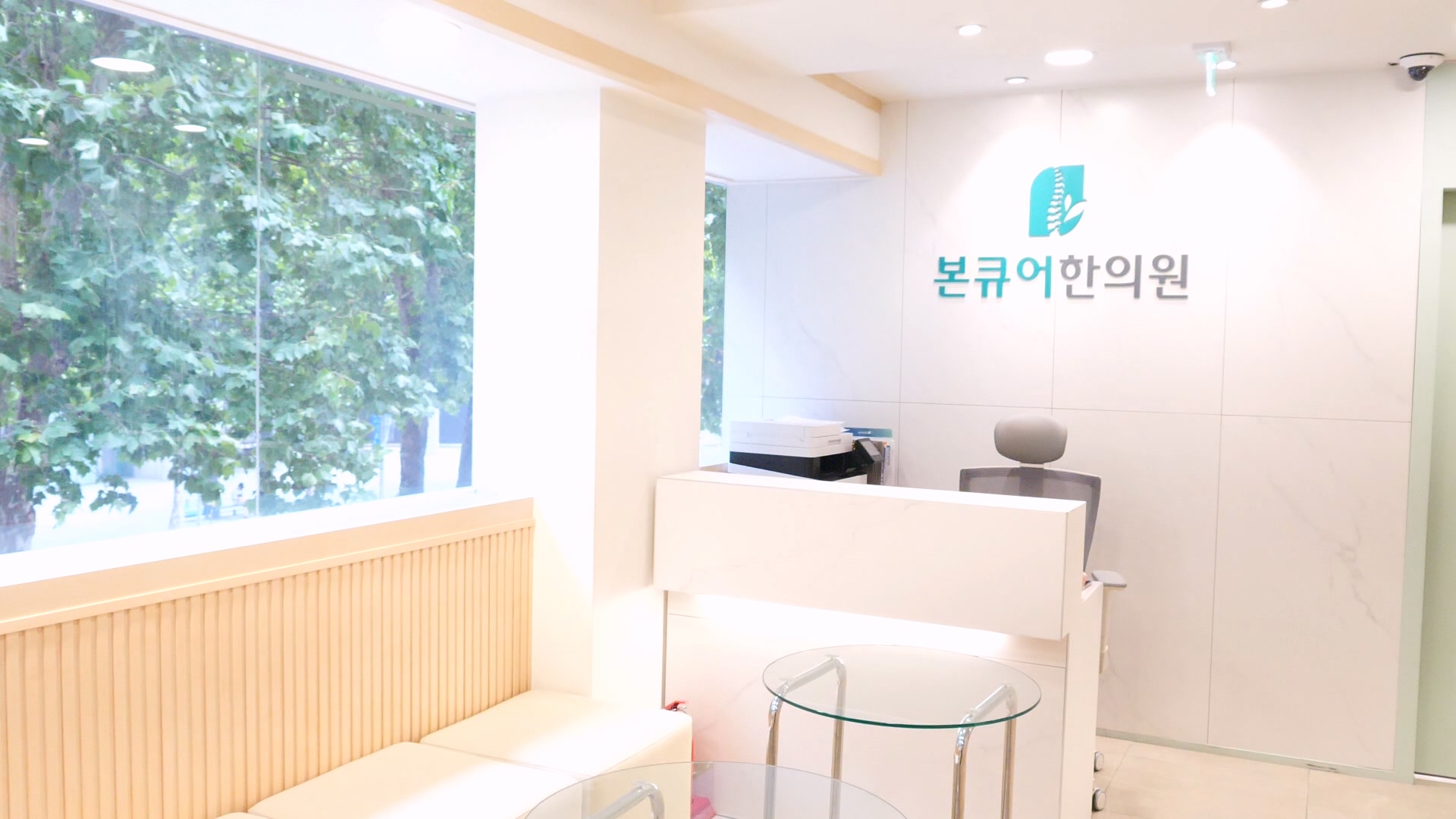
In a fast-paced city like Seoul, chronic pain often stems from underlying skeletal misalignments and soft tissue adhesions that go unnoticed during standard examinations. My goal is to bridge the gap between traditional wisdom and modern structural science to provide relief that addresses the root cause of your discomfort.
Acupuncture for pain management in Seoul is a therapeutic practice defined by the insertion of fine needles into specific neurovascular points to alleviate physical discomfort and restore physiological harmony. By integrating these methods into a comprehensive structural recovery plan, we help patients move beyond temporary relief and toward sustainable health.
The Role of Acupuncture in Modern Pain Relief
Acupuncture for pain management Seoul involves the insertion of sterile needles into specific anatomical points to modulate the nervous system and promote blood flow. In a modern healthcare landscape, this technique has evolved from simple symptom management to a sophisticated neuro-structural intervention. Clinical practitioners utilize these protocols to address muscle tension, reduce inflammation markers, and facilitate the release of endorphins, which are the body's natural analgesics. For patients experiencing chronic discomfort, the methodology provides a non-invasive alternative to pharmacological reliance, potentially reducing the incidence of systemic side effects. By targeting the autonomic nervous system, acupuncture can help regulate physiological responses to stress, which often exacerbates physical pain. This dual approach, addressing both the physical trigger and the neurological response, allows for a more comprehensive management strategy. As research continues to validate its efficacy for conditions like migraine or lower back pain, it remains a cornerstone of integrative medical care in metropolitan Seoul.
Wellness Tourism Seoul Acupuncture: A 2026 Guide to Structural Restoration at Bonecure
How Bonecure Integrates Traditional Methods with Structural Recovery
At Bonecure, we integrate these traditional needle techniques with modern structural restoration strategies to address the biomechanical roots of physical suffering. Our philosophy centers on the idea that when the skeletal structure is aligned, the body’s innate healing capacity is maximized. Instead of merely treating the localized site of pain, we assess the entire kinetic chain to identify imbalances in the spine and joints. By combining precision acupuncture with structural analysis, we aim to provide a pathway for patients to reclaim their mobility and daily comfort. This integrative approach is designed to support long-term wellness by ensuring that the internal environment is conducive to tissue repair and neurological stability. We utilize objective metrics, including whole-spine X-ray evaluations and standardized pain scales, to monitor progress scientifically. This rigorous commitment to structural integrity ensures that every session is tailored to the individual’s unique physiological needs, fostering a balanced and resilient physical foundation.
Key Techniques for Chronic and Acute Pain Relief
Key techniques for chronic and acute pain relief involve targeted interventions designed to address both the immediate sensation of distress and the underlying mechanical triggers. These specialized procedures focus on resolving tissue adhesions and correcting postural deviations that contribute to persistent nerve irritation.
Miniscalpel Acupuncture for Adhesion Release
Miniscalpel acupuncture, often referred to as acupotomy, is a specialized technique used at Bonecure to release stubborn soft tissue adhesions and chronic fibrosis. Unlike traditional thin needles, the miniscalpel features a microscopic blade tip designed to physically detach tight ligaments and muscles from surrounding structures. This process is particularly effective for patients who have not found relief through conventional therapies, as it addresses the mechanical obstructions that impede blood flow and nerve signals. By precisely targeting these knots or adhesions, the procedure helps restore the natural gliding motion of muscles and fascia. While the sensation can be more intense than standard acupuncture, many patients report a significant reduction in deep-seated pressure immediately following the treatment. It is important to note that because this is a mechanical intervention, individual responses may vary, and multiple sessions might be necessary for chronic conditions. Our team prioritizes sterilized environments and precision to ensure the highest standards of safety during these advanced procedures.
A 2026 Clinical Guide to Non-invasive Spine Therapy: Structural Restoration at Bonecure
Spinal Realignment and Structural Restoration Strategies
Spinal realignment and structural restoration strategies involve more than just adjusting bones, they focus on the harmonious interaction between the skeletal system and the central nervous system. At Bonecure, we employ protocols such as FCST to stabilize the relationship between the skull and the cervical spine, which can influence systemic health. This alignment is crucial because even minor deviations in the spine can lead to persistent nerve compression and muscle strain. By restoring the natural curvature of the neck and back, we can help alleviate the structural stress that contributes to chronic headaches, neck pain, and even digestive issues. Clinical observations have shown that improving spinal symmetry can lead to better outcomes in autonomic balance, as measured by heart rate variability and other physiological indicators. Each patient receives a customized plan focused on corrective movements and acupuncture to maintain these structural gains. This holistic focus on alignment helps ensure that the body remains functional and pain-free over the long term.
Understanding the Mechanisms of Modern Acupuncture and Structural Recovery
Modern acupuncture at Bonecure is designed to address the biomechanical aspects of chronic pain through targeted interventions. Our approach focuses on structural restoration and the release of soft tissue adhesions using specialized techniques like miniscalpel acupotomy and FCST. By addressing mechanical misalignments and deep-seated adhesions, we aim to facilitate a more efficient recovery process. Unlike general rehabilitation exercises that focus primarily on muscle strengthening, our methodology prioritizes the restoration of the body's structural integrity to support long-term mobility and comfort. This targeted approach aims to help patients achieve a reduction in deep-seated pressure and improved functional alignment.
Clinical Evidence and Individualized Treatment Processes
Clinical evidence and individualized treatment processes are the evidence-based methodologies used to validate therapeutic outcomes through objective data, such as radiological imaging and standardized health questionnaires. At Bonecure, we rely on these metrics to ensure that every patient's progress is documented and verifiable.
Clinical observations at Bonecure have shown that structural restoration can lead to significant improvements in objective pain metrics and overall patient well-being. In our clinical experience, patients with long-standing chronic discomfort have demonstrated meaningful reductions in subjective pain scores and improved autonomic balance following a consistent course of treatment. Furthermore, standardized health scales often reflect a positive trend in emotional and physiological stability as structural harmony is restored. We utilize precision specialized needles to ensure clinical accuracy during each 10-to-20-minute session. These objective metrics, combined with whole-spine X-ray analysis, allow us to track structural shifts that were previously considered static. By documenting these changes, we can provide patients with clear evidence of their progress, ensuring that the treatment plan remains aligned with their specific physiological recovery goals.
Safety Protocols and Potential Limitations of Treatment
Safety protocols and potential limitations refer to the essential medical guidelines and realistic expectations that ensure patient well-being while acknowledging that physiological responses to treatment can vary between individuals. Our commitment to safety is paramount in every clinical interaction.
While our procedures are designed to be safe, possible side effects may include temporary soreness at the site, minor bruising, or very rarely, localized infection. It is essential for patients to understand that chronic or severe conditions often require multiple sessions to achieve structural stability. Results are not guaranteed and can vary based on the individual's age, medical history, and lifestyle factors. During your initial consultation, we will discuss these risks and set realistic expectations for your recovery journey. We follow strict sterilization and HIPAA guidelines to protect your health and privacy throughout the treatment process.
Key Takeaways
- Acupuncture in Seoul targets neurovascular points to modulate the nervous system and manage pain effectively.
- Bonecure specializes in structural restoration and miniscalpel acupotomy to release deep soft tissue adhesions.
- Objective metrics, including X-rays and health scales, are used to track clinical progress scientifically.
- Individual results vary, and multiple sessions are typically required for chronic structural correction.
Frequently Asked Questions
Q. What is the primary benefit of acupuncture for pain management?
Acupuncture aims to restore the body's natural balance and improve circulation to damaged tissues. At Bonecure, we specifically focus on releasing adhesions and correcting structural imbalances to address the root cause of pain, rather than just masking symptoms. This dual approach helps facilitate a more comprehensive recovery.
Q. Does the procedure involve significant discomfort or pain?
While some patients may experience a brief sensation during the insertion of specialized needles like the miniscalpel, the goal is to provide immediate relief from deep-seated tension. Experiences vary individually, and we prioritize patient comfort throughout the session. Most patients describe the sensation as a deep pressure that leads to a feeling of release.
Q. How many sessions are typically required to see results?
The number of treatments depends on the severity and chronicity of the condition. We prioritize providing immediate improvement that patients can often feel starting from the first session. For chronic or complex structural issues, a personalized treatment plan will be developed to ensure sustainable stability and recovery, rather than following a fixed number of visits.
Q. Are there any side effects associated with acupuncture treatments?
Possible side effects may include temporary soreness at the site, minor bruising, or very rarely, localized infection. We follow strict sterilization and safety protocols to minimize these risks for every patient. Any post-treatment discomfort usually resolves within 24 to 48 hours.
Q. Is acupuncture effective for structural issues like scoliosis or disc problems?
Acupuncture, particularly when combined with spinal realignment techniques, can help improve the balance of the musculoskeletal system. Our clinical case reports have shown improvements in spinal alignment and mobility for specific patients. However, it is important to note that structural changes require a multi-faceted approach and consistent care.
Q. How does Bonecure measure the effectiveness of the treatment?
We utilize objective assessment tools, including whole-spine X-ray analysis and standardized health scales for pain, anxiety, and gastrointestinal function, to track progress scientifically for each individual case. This allows us to adjust the treatment plan based on real-time data and physiological feedback.
Q. Can I receive acupuncture if I am currently taking other medications?
In most cases, acupuncture can be safely integrated with other treatments. However, it is essential to have a consultation with a qualified practitioner like Director Song Jeong-hyeon to ensure a coordinated and safe approach to your pain management. Please disclose all current medications during your initial health history review.
For personalized structural analysis and pain management support, please visit us for a consultation.
Bonecure / Song Jung-hyun
FAQ
- What is the primary benefit of acupuncture for pain management?
- Acupuncture aims to restore the body's natural balance and improve circulation to damaged tissues. At Bonecure, we specifically focus on releasing adhesions and correcting structural imbalances to address the root cause of pain, rather than just masking symptoms. This dual approach helps facilitate a more comprehensive recovery.
- Does the procedure involve significant discomfort or pain?
- While some patients may experience a brief sensation during the insertion of specialized needles like the miniscalpel, the goal is to provide immediate relief from deep-seated tension. Experiences vary individually, and we prioritize patient comfort throughout the session. Most patients describe the sensation as a deep pressure that leads to a feeling of release.
- How many sessions are typically required to see results?
- The number of treatments depends on the severity and chronicity of the condition. While some individuals notice changes quickly, chronic or complex structural issues often require a series of 10 to 20 sessions to achieve sustainable recovery. We will develop a personalized timeline during your first assessment.
- Are there any side effects associated with acupuncture treatments?
- Possible side effects may include temporary soreness at the site, minor bruising, or very rarely, localized infection. We follow strict sterilization and safety protocols to minimize these risks for every patient. Any post-treatment discomfort usually resolves within 24 to 48 hours.
- Is acupuncture effective for structural issues like scoliosis or disc problems?
- Acupuncture, particularly when combined with spinal realignment techniques, can help improve the balance of the musculoskeletal system. Our clinical case reports have shown improvements in spinal alignment and mobility for specific patients. However, it is important to note that structural changes require a multi-faceted approach and consistent care.
- How does Bonecure measure the effectiveness of the treatment?
- We utilize objective assessment tools, including whole-spine X-ray analysis and standardized health scales for pain, anxiety, and gastrointestinal function, to track progress scientifically for each individual case. This allows us to adjust the treatment plan based on real-time data and physiological feedback.
- Can I receive acupuncture if I am currently taking other medications?
- In most cases, acupuncture can be safely integrated with other treatments. However, it is essential to have a consultation with a qualified practitioner like Director Song Jeong-hyeon to ensure a coordinated and safe approach to your pain management. Please disclose all current medications during your initial health history review.