
Post
A 2026 Clinical Guide to Holistic Healing Clinic Gangnam: Structural Recovery and Integrative Wellness
Hello. I am Song Jeonghyeon, a Korean medicine doctor who has focused on acupotomy for many years. A Holistic Healing Clinic in Gangnam serves as a comprehensive center for integrative health, focusing on the fundamental restoration of bodily balance through both traditional Korean medicine and modern structural diagnostics.
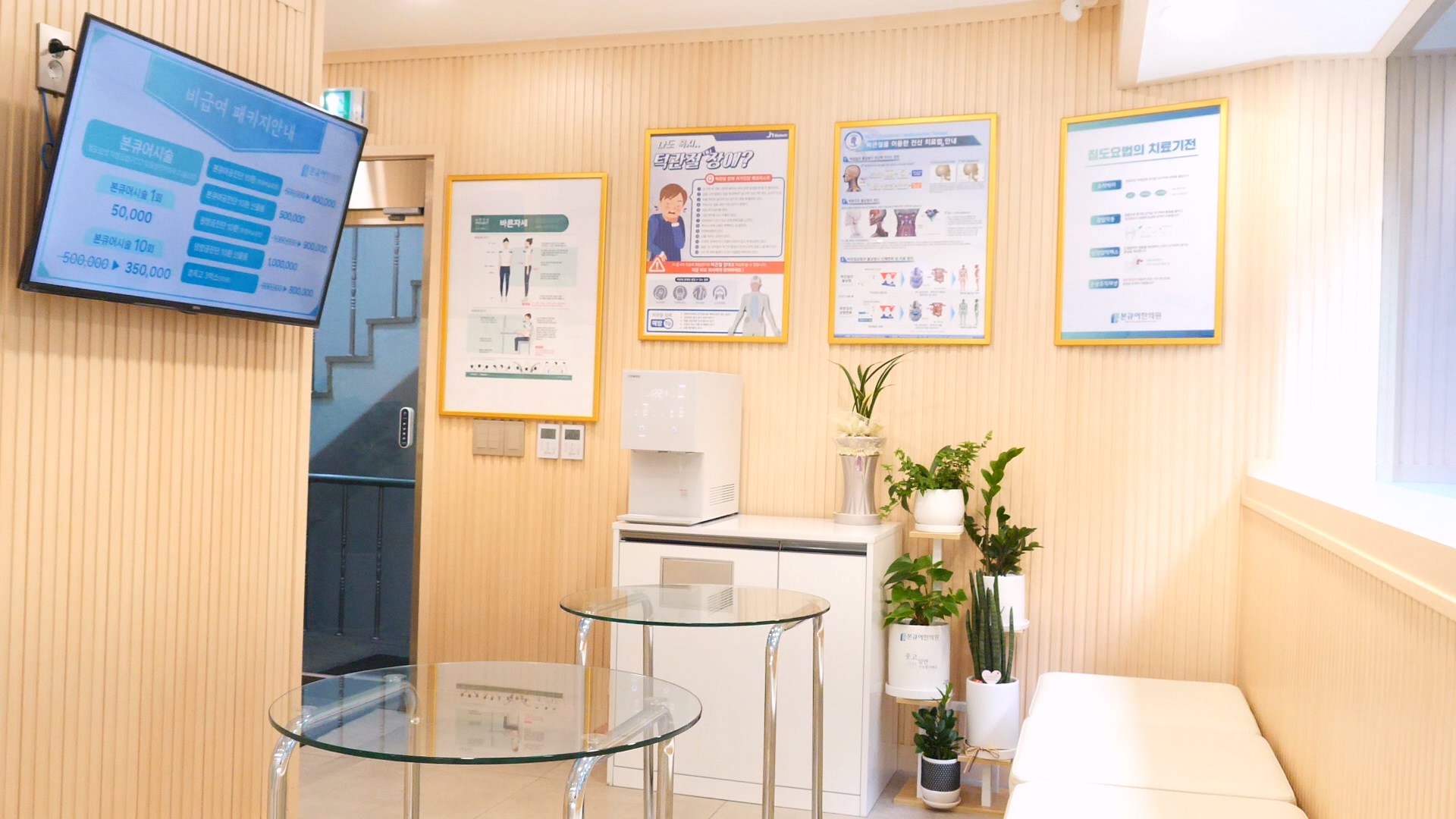
In this guide, I will explain how we address chronic conditions by identifying the root causes of pain and autonomic dysfunction, a philosophy practiced at Bonecure Korean Medicine Clinic. Our approach focuses on the belief that when your bones are in their rightful place, the body can finally begin its true healing process.
What Defines a Holistic Healing Clinic in Gangnam?
[image: A minimalist medical illustration showing a human spine with balanced structural alignment in a deep teal and warm wood-toned clinic setting, emphasizing stability and harmony.]
The Core Philosophy of Integrative Korean Medicine
A holistic healing clinic in this region is defined by its commitment to treating the whole person rather than isolated symptoms, utilizing a synergy of meridian therapy and structural realignment. At Bonecure, we believe that true recovery stems from restoring the body’s natural alignment and balance. The core philosophy centers on the principle that "when your bones smile, life smiles." This approach goes beyond temporary pain relief, focusing on the underlying structural causes of discomfort. By utilizing advanced diagnostic tools alongside ancient wisdom, we create a roadmap for long-term vitality. Patients are not just recipients of care but active participants in their healing journey. We prioritize identifying the root of autonomic dysfunction and musculoskeletal imbalances that often go unnoticed in standard checkups. This integrative framework ensures that every treatment, from herbal medicine to manual therapy, serves the goal of systemic harmony and sustainable health for every individual we serve.
Why Global Patients Seek Holistic Care in Cheongdam
Global patients are increasingly drawn to the Cheongdam and Gangnam areas for holistic care because of the high concentration of expertise in non-surgical structural restoration. Many international travelers seek efficient yet profound interventions for conditions like acute neck pain or chronic fatigue that standard protocols may overlook. In my practice, I have treated numerous foreign patients who required immediate relief before long-haul flights. While some individuals may notice a response in the early stages of treatment, the number of sessions required varies significantly based on the individual's condition. These clinics offer a unique combination of hospitality and advanced medical evaluation, such as autonomic nervous system (ANS) testing and spinal analysis. While we refer patients to nearby partner hospitals for imaging like X-rays or MRIs, the ability to receive an expert consultation and a personalized treatment plan promptly is a significant advantage for those with limited time.
Acupuncture for Back Pain and Chronic Condition Management
[image: An anatomical diagram of the human back showing the layers of muscles and the spine, highlighting areas where tissue adhesions commonly form, styled as a clean medical infographic.]
Resolving Adhesions via Specialized Blade Needle Therapy
Within Bonecure, we utilize specialized blade needle therapy, also known as acupotomy, to address the physical adhesions that often cause chronic pain. This technique involves using a flat-headed needle to gently release stuck tissues and thickened ligaments that compress nerves and blood vessels. By breaking down these internal blockages, we facilitate the body's natural ability to regenerate healthy tissue and restore normal function. In clinical notes from my practice, I have observed that this method is highly effective for patients who have not found relief through conventional acupuncture alone. However, it is important to note that because this is a more intensive procedure, some patients may experience minor bleeding, localized swelling, or temporary soreness at the site of application. These reactions are typically mild and resolve within a few days. The goal of blade needle therapy is to provide a structural reset for the musculoskeletal system.
Traditional Medicine Clinical Notes on Structural Realignment
Structural realignment is a cornerstone of our approach, utilizing techniques such as Chuna manual therapy to restore the proper curvature of the spine. When the skeletal framework is misaligned, it places undue stress on the nervous system, potentially leading to a wide range of autonomic issues. Through careful assessment, including analysis of whole-spine X-rays provided by our partner medical institutions, we identify specific areas of deviation and apply manual pressure to encourage correct positioning. This process is not merely about adjusting bones but about re-educating the surrounding muscles and fascia to support a healthy posture. Many patients report improved range of motion following these sessions. For those interested in the broader benefits of manual intervention, I recommend reading A 2026 Clinical Guide to Chuna Manual Therapy Benefits and Structural Recovery. Addressing the structural foundation is essential for ensuring that other treatments can be fully effective within a balanced bodily environment.
Integrating Moxibustion and Cupping for Tissue Recovery
Moxibustion and cupping are vital supportive therapies that enhance the effects of acupuncture by improving systemic circulation and metabolic waste removal. Moxibustion uses thermal energy to warm the meridians and dispel internal cold, which is particularly beneficial for patients with chronic inflammation or poor blood flow. Cupping therapy complements this by creating a vacuum that pulls stagnant blood to the surface, facilitating the detoxification of deep muscle layers. While cupping may leave temporary purple marks or minor bruising, these are signs of increased blood flow and typically disappear within a week. The integration of these techniques helps to relax the nervous system and prepare the body for structural adjustments. In a holistic healing clinic in Gangnam, these methods are not used in isolation but are carefully timed to maximize the recovery of the soft tissues. This multi-layered approach ensures that both the internal environment and the external structure are optimized for long-term health.
Comparative Approach: Traditional vs. Holistic Integrative Therapy
Comparing traditional treatments to holistic integrative therapy involves evaluating how each approach addresses both the immediate symptoms and the underlying structural causes of disease. While traditional methods often focus on meridian flow, a holistic integrative approach at Bonecure incorporates biomechanical analysis to provide a comprehensive recovery plan.
| Feature | Conventional Acupuncture | Holistic Integrative Therapy (Bonecure) |
|---|---|---|
| Primary Focus | Meridian-based circulation | Structural restoration of the framework |
| Diagnostic Tools | Pulse and tongue diagnosis | X-ray analysis and autonomic tests |
| Main Technique | Filiform needle acupuncture | Acupotomy (blade needle) and Chuna |
| Session Intensity | Generally mild | May involve temporary soreness (high intensity) |
| Long-term Goal | Energy balance maintenance | Structural stability and systemic recovery |
Comparison of Structural Recovery Techniques
At Bonecure, we emphasize that while conventional methods may offer temporary relief, integrative structural therapy targets the physical source of misalignment. Traditional acupuncture is excellent for managing energy flow, but when a patient has a physical deviation in the spine or pelvic tilt, a more direct mechanical intervention is required. By combining Chuna manual therapy with acupotomy, we can address both the skeletal structures and the soft tissue adhesions simultaneously. This dual approach is what sets a holistic healing clinic in Gangnam apart from general wellness centers. Patients often find that their progress is more sustainable when the physical framework of their body is stabilized. It is important for individuals to understand that structural change takes time, and multiple sessions are usually necessary to achieve lasting results. For more details on this process, you can explore our A 2026 Clinical Guide to Structural Restoration by Dr. Song Jeonghyeon at Bonecure.
Scientific Substantiation of Korean Traditional Medicine
The scientific substantiation of traditional Korean medicine is a priority in modern practice, moving beyond anecdotal evidence to documented clinical outcomes. In my clinic, I utilize objective measurement tools such as autonomic nervous system (ANS) testing and analysis of digital X-rays to track patient progress. For example, I have published case reports on conditions like 18-year chronic tinnitus and idiopathic scoliosis, demonstrating clinical improvements through structured intervention. These reports are based on specific patient groups and serve as clinical evidence of what is possible, though they do not guarantee identical results for everyone. By quantifying improvements in pain scales and structural angles, we provide patients with a clear understanding of their healing trajectory. This evidence-based mindset helps to bridge the gap between traditional wisdom and modern medical standards. We believe that transparency in results and a commitment to clinical research are essential for the evolution of holistic medicine for the best possible care.
Specialized Programs for Intractable Diseases and Autonomic Balance
[image: A medical diagram illustrating the autonomic nervous system, showing the connection between the brain, the upper cervical spine, and various internal organs, in a clean and modern style.]
Holistic Wellness for Parkinsonism and Autonomic Dysfunction
Specialized programs at Bonecure focus on managing complex conditions like Parkinsonism, spasmodic torticollis (dystonia), and autonomic dysfunction. Parkinsonism, which presents symptoms similar to Parkinson's disease, often responds well to structural interventions that address cervical and thoracic alignment. Many patients also present with symptoms like heart palpitations and insomnia stemming from an overactive sympathetic nervous system. We focus on identifying structural triggers, such as tension in the upper cervical spine that may interfere with vagus nerve function. By releasing this tension through acupotomy and restoring proper alignment, we help the body transition into a state of parasympathetic dominance. While these treatments are targeted for symptom management and slowing progression, individual results vary based on the duration and severity of the condition. Patients are encouraged to maintain a consistent treatment schedule to stabilize their nervous system. Our goal is to provide a specialized pathway for those dealing with chronic neurological challenges.
Evidence-Based Case Reports on Tinnitus and Vertigo
Addressing chronic conditions like tinnitus and vertigo requires a meticulous, evidence-based approach that connects internal symptoms to external structural health. In my clinical experience at Bonecure, I have documented a case report involving a patient suffering from 18 years of chronic tinnitus. Through targeted intervention focusing on cervical alignment and autonomic balance, we observed significant clinical improvements in the patient's self-reported symptoms over a specific treatment period. In another instance, a patient presenting with sudden hearing loss showed a positive recovery of auditory function after completing a series of targeted sessions. These results, while specific to these individuals and not a guarantee for all patients, illustrate the potential of integrative Korean medicine. We utilize objective metrics, such as autonomic function tests, to track progress scientifically. While treatment may cause temporary soreness or mild bruising, the focus remains on restoring the neurological and structural pathways necessary for sensory recovery and long-term equilibrium for complex sensory disorders.
Clinical Outcomes in Spasmodic Torticollis and Posture Correction
Spasmodic torticollis (dystonia) and posture correction are major focal points for those seeking a holistic healing clinic in Gangnam. At Bonecure, our specialized programs utilize whole-spine X-ray analysis to objectively evaluate structural changes throughout the treatment process. We have published case reports regarding moderate idiopathic scoliosis where patients showed visible alignment changes after consistent structural therapy. These programs are designed to correct the fundamental imbalances that lead to chronic pain and decreased mobility. While severe or long-standing conditions may require a multi-phase approach, our clinical notes indicate that addressing the tension and fibrosis in the deep neck tissues via acupotomy is vital for lasting results. It is important to note that individual recovery rates vary, and some patients may experience temporary muscle fatigue following intensive sessions. By combining manual adjustments with anatomical release, we help patients maintain their progress. This strategy ensures that each patient receives a treatment plan tailored to their unique anatomical needs.
Frequently Asked Questions
Q. What should I expect during my first visit to Bonecure?
Your first visit involves a comprehensive consultation including structural movement analysis and autonomic function (ANS) tests. As a Korean medicine doctor, I personally examine your spinal alignment and internal balance to create a customized treatment plan. If imaging like an X-ray is needed, we will refer you to a nearby partner medical institution.
Q. Is acupuncture for back pain effective for chronic conditions?
Acupuncture, particularly specialized blade needle therapy (acupotomy), is designed to release internal adhesions and promote tissue regeneration. For chronic cases, multiple sessions are typically required to achieve structural stability. Based on clinical notes from my practice, addressing the root structural cause is essential for relief, though individual recovery rates differ.
Q. Are there any side effects to traditional Korean medicine treatments?
Treatments like blade needle therapy or cupping may cause temporary soreness, minor bruising, or localized swelling at the site of application. These are generally mild and subside within a few days. However, patients with severe chronic conditions or infection risks should consult thoroughly before proceeding, as individual reactions to treatment vary.
Q. How does moxibustion therapy in Seoul differ from Western heat therapy?
Moxibustion therapy in Seoul utilizes the thermal energy of burning mugwort on specific acupoints to enhance blood circulation and systemic vitality. Unlike general heat pads, it focuses on internal thermal regulation and meridian stimulation, which is a hallmark of the holistic healing approach practiced at Bonecure Korean Medicine Clinic.
Q. Can I receive treatment if I am visiting Gangnam as a foreign traveler?
Yes, we provide services for international patients. We offer efficient treatment sessions for those with tight schedules, such as travelers needing urgent relief for neck or back pain before a flight. Please note that for complex or chronic conditions, a follow-up care plan is often recommended to ensure lasting results.
Q. Are the results for tinnitus or Parkinsonism guaranteed?
In medical practice, no result can be guaranteed as each body responds differently. However, my published case reports on conditions like chronic tinnitus and idiopathic scoliosis demonstrate significant improvements in specific patient groups. These reports serve as clinical evidence of what is possible through consistent structural and herbal intervention.
Q. What is the cost of holistic Korean medicine treatments in Gangnam?
The cost varies depending on the complexity of the condition and the required therapies such as acupotomy, herbal medicine, and manual realignment. We focus on high-value care targeting the root cause. For specific pricing and a personalized treatment plan, a direct consultation at our clinic is necessary.
Key Takeaways
- Holistic healing in Gangnam integrates traditional Korean medicine with structural analysis for long-term recovery.
- Specialized techniques like blade needle therapy (acupotomy) target physical adhesions to resolve chronic pain and fibrosis.
- Treatment outcomes are tracked using objective metrics like autonomic nervous system tests and X-ray analysis.
- Bonecure specializes in intractable conditions including Parkinsonism, tinnitus, and spasmodic torticollis (dystonia).
- Individual results vary, and patients should be aware of potential minor side effects such as temporary soreness or bruising.
For more information on how we can help you achieve structural balance, please reach out for a consultation.
Bonecure Korean Medicine Clinic / Song Jeonghyeon
FAQ
- What should I expect during my first visit to a holistic healing clinic in Gangnam?
- Your first visit involves a comprehensive assessment including structural analysis and autonomic function tests. As a Korean medicine doctor, I personally examine your spinal alignment and internal balance to create a customized treatment plan. While specific results vary by individual, many patients experience a clearer understanding of their root causes during the initial consultation.
- Is acupuncture for back pain effective for chronic conditions?
- Acupuncture, particularly specialized blade needle therapy, is designed to release internal adhesions and promote tissue regeneration. For chronic cases, multiple sessions are typically required to achieve structural stability. Based on clinical notes from my practice, addressing the root structural cause is essential for long-term relief, though individual recovery rates differ.
- Are there any side effects to traditional Korean medicine treatments?
- Treatments like blade needle therapy or cupping may cause temporary soreness, minor bruising, or localized swelling at the site of application. These are generally mild and subside within a few days. However, patients with severe chronic conditions or infection risks should consult thoroughly before proceeding, as individual reactions to treatment vary.
- How does moxibustion therapy in Seoul differ from Western heat therapy?
- Moxibustion therapy in Seoul utilizes the thermal energy of burning mugwort on specific acupoints to enhance blood circulation and systemic vitality. Unlike general heat pads, it focuses on internal thermal regulation and meridian stimulation, which is a hallmark of the holistic healing approach practiced at Bonecure.
- Can I receive treatment if I am visiting Gangnam as a foreign traveler?
- Yes, many clinics in the Cheongdam and Gangnam areas, including Bonecure, provide services for international patients. We offer efficient treatment sessions for those with tight schedules, such as travelers needing urgent relief for neck or back pain before a flight, though complex cases may require follow-up care.
- Are the results of holistic healing for tinnitus or scoliosis guaranteed?
- In medical practice, no result can be 100% guaranteed as each human body responds differently. However, my published case reports on conditions like tinnitus and idiopathic scoliosis demonstrate significant improvements in specific patient groups. These reports serve as clinical evidence of what is possible through consistent structural and herbal intervention.
- What is the cost of holistic Korean medicine treatments in Gangnam?
- The cost varies depending on the complexity of the condition and the combination of therapies such as acupuncture, herbal medicine, and manual realignment. We focus on providing high-value care that targets the root cause rather than temporary symptom relief. For specific pricing and personalized quotes, a direct consultation at the clinic is necessary.