
Post
A 2026 Clinical Guide to Structural Restoration and Do-chim Therapy in South Korea: The Bonecure Perspective
Hello. I am Dr. Song Jeong-hyeon, the representative director of Bonecure Korean Medicine Clinic, specializing in structural restoration and the treatment of intractable pain.
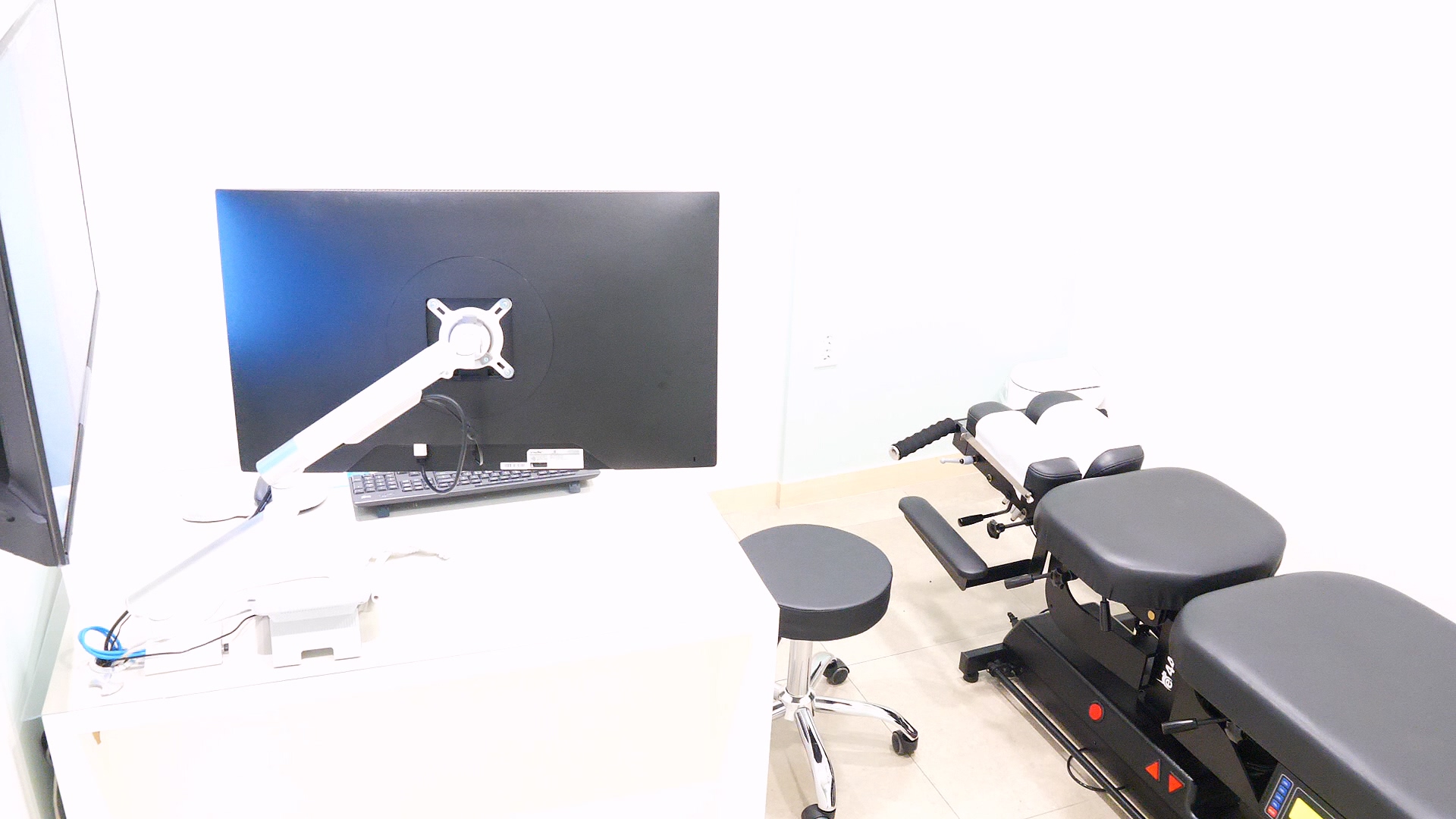
In the medical landscape of South Korea, we focus on harmonizing the body's internal balance with its musculoskeletal structure. This comprehensive guide outlines how our clinical approach, centered on "Do-chim" (Acunit) therapy, supports the restoration of movement and systemic wellness through evidence-based techniques.
Understanding Structural Restoration and Do-chim Therapy in South Korea
Structural restoration at Bonecure is a targeted medical intervention designed to identify and correct misalignments in the skull and spine. Rather than simply masking symptoms, we focus on identifying the root causes of pain. A core component of this process is Do-chim therapy (also known as Acunit therapy), which utilizes a specialized micro-blade needle to physically release adhesions in the soft tissues. This procedure goes beyond surface-level relief by addressing the underlying physiological factors that contribute to chronic dysfunction, such as fibrotic muscle tension and nerve entrapment.
Our approach focuses on biological alignment and structural harmony to support overall health. By applying Do-chim to specific anatomical points, we can break down internal adhesions—bands of scar-like tissue that restrict blood flow and nerve signals. This biological reaction is essential for restoring the body's structural framework and reducing the recurrence of pain. At Bonecure, we view this process as a vital component of "Healthy Everyday Life," ensuring that functional improvements are grounded in improved systemic function. Our goal is for patients to feel a difference as soon as they leave the treatment room, as we prioritize immediate and efficient recovery over protracted treatment cycles.
Efficient Approach to Pain and Functional Recovery
The Bonecure approach to pain focuses on restoring the functional length and elasticity of muscles and connective tissues. In clinical practice, we prioritize impact and efficiency. Unlike conventional approaches that might mandate a rigid series of 10 or 20 sessions, we aim for immediate symptom improvement that the patient can perceive. During a session, specialized needles are used to improve blood flow to the affected areas, such as the cervical spine or thoracic region.
Research and clinical experience indicate that localized micro-circulation increases significantly during the session, which facilitates the delivery of oxygen to chronically ischemic tissues. This enhanced metabolic activity supports the natural turnover of cells, leading to a faster recovery of range of motion. Because this method relies on precisely identifying the point of entrapment, the results tend to be more effective for those who have failed to find relief elsewhere. We focus on being a "unique" clinic that provides personalized, non-factory-style care.
The Science of Myofascial Adhesion Release
Structural regeneration is driven by the release of myofascial adhesions, a process critical for treating conditions like Spasmodic Torticollis (Dystonia) and Dorsal Burning Sensation (Baeyeoljeung). When Do-chim penetrates the tissue, it reaches the deep layers where fibrosis has occurred. These fibrotic bands are the primary culprits behind chronic stiffness and nerve compression. The mechanical release provided by the micro-blade triggers the tissue to remodel itself, effectively restoring normal muscle length over time.
Studies have shown that consistent structural stimulation can improve nerve conduction and reduce the "burning" sensations associated with autonomic imbalance. At Bonecure, we refine this process by ensuring that the stimulation is precisely calibrated to the patient's specific structural misalignment, whether it involves the C5 nerve root or the thoracic dorsal rami. This scientific foundation ensures that the restoration is both effective and sustainable, providing a long-term alternative for patients suffering from intractable diseases who are seeking a specialized, evidence-based approach.
Key Differences Between Traditional and Modern Techniques
Modern Do-chim therapy differs from traditional acupuncture by incorporating current anatomical knowledge and advanced needle technologies. While traditional techniques may focus on energy flow, modern clinical applications emphasize the physical release of myofascial adhesions and the decompression of specific nerve groups. These contemporary protocols utilize ultra-thin, specialized tools that allow for high precision in "dissecting" (박리) adhered tissues without surgical incisions.
Furthermore, at Bonecure, we integrate structural assessments of the skull, neck, and jaw to ensure that the skeletal system is not pulling the muscles out of alignment. This integrative approach allows for more targeted treatments that address specific concerns, such as the 서동증 (bradykinesia) seen in Parkinsonism or the localized heat of Baeyeoljeung. By combining the wisdom of structural medicine with modern biomechanical understanding, Bonecure provides a highly specialized service that meets the rigorous standards of 2026 medical care. As with any medical procedure, individual results may vary, and a consultation is required to assess suitability.
The Bonecure Approach: Balancing Structure for Systemic Health
The Bonecure method represents a specialized clinical framework that integrates structural spinal correction with Do-chim therapy to achieve systemic balance. We believe that chronic conditions are often a reflection of the body's internal structural integrity, particularly the alignment of the cervical spine and the temporomandibular joint (TMJ). If the neck is misaligned, it can create tension that manifests as neurological symptoms or intractable pain. Our approach begins with a comprehensive structural analysis, including Whole Spine X-ray assessment via our partner hospitals, to identify these underlying issues.
Structural Alignment and Neurological Balance
Neurological health is deeply influenced by the alignment of the skull and the cervical vertebrae. When the spine is out of balance, the muscles often compensate by pulling unevenly, which can lead to nerve entrapment. Bonecure utilizes specialized Do-chim techniques to release tension in the suboccipital muscles and the C1 transverse process, allowing for improved nerve signaling. This is particularly relevant for patients with Parkinsonism or Torticollis, where the goal is managing symptoms and slowing progression.
By restoring symmetry to the underlying bone and muscle structures, the body's natural regulatory systems can function more effectively. For more information on this specific topic, you may read about Structural Alignment for Intractable Diseases: A 2026 Clinical Guide to Natural Restoration. This structural foundation ensures that localized treatments produce a more symmetrical and functional result that supports the patient's daily quality of life.
Adhesion Release Through Do-chim Therapy
Adhesions in the fascia can trap nerves and restrict blood flow, leading to "burning" sensations in the back or limited neck rotation. Bonecure employs Do-chim therapy to physically break down these internal adhesions. These specialized tools are designed to release tight bands of fibrotic tissue that are often resistant to standard physical therapy. By liberating the fascia, we allow for improved fluid dynamics and nutrient delivery.
This process is particularly effective for treating stubborn conditions like Spasmodic Torticollis, where the muscle has become structurally "shortened" due to chronic nerve signals. While the sensation of Do-chim may be more intense than standard acupuncture, the release of these adhesions often results in an immediate feeling of "opening" and improved range of motion. This technique is a cornerstone of our ability to achieve significant improvements in difficult cases without the need for invasive surgical intervention.
The Synergistic Effect of Spine Health and Systemic Vitality
The health of the spine directly impacts systemic vitality through the autonomic nervous system. A healthy, well-aligned spine ensures that nerve signals and blood flow reach the internal organs and the head without interference. At Bonecure, we emphasize that a stiff thoracic spine or a misaligned neck can lead to "Baeyeoljeung" (Dorsal Burning Sensation), where the patient feels intense heat despite normal skin temperature. This is often a sign of nerve entrapment in the thoracic dorsal rami.
By integrating spinal adjustments into our protocols, we enhance the body's ability to regulate itself from the inside out. This synergy ensures that the benefits of Do-chim are amplified by a balanced nervous system. For a deeper dive into our methodology, consider reading A 2026 Clinical Guide to Dr. Song Jeong-hyeon's Structural Restoration at Bonecure. This perspective ensures that patients achieve a state of health that is a true reflection of their structural integrity.
Comparing Do-chim with Conventional Physical Therapy
Comparing Do-chim with conventional physical therapy involves evaluating the mechanism of action and the depth of tissue intervention. While standard physical therapy or massage focuses on surface-level muscle relaxation, Do-chim focuses on the internal release of fibrotic adhesions. Below is a comparison to help clarify the distinct characteristics of our intervention.
| Feature | Do-chim (Acunit) Therapy | Standard Physical Therapy | Conventional Acupuncture |
|---|---|---|---|
| Mechanism | Mechanical adhesion release | External muscle relaxation | Meridian stimulation |
| Target | Fibrotic tissue / Adhesions | Superficial muscles | Energy points |
| Primary Focus | Structural restoration | Symptom management | General wellness |
| Expected Result | Immediate functional gain | Gradual relaxation | Long-term balance |
| Side Effects | Minor bruising, soreness | Minimal | Minor bruising |
Clinical Observations and Recovery Protocols
Every patient presents a unique combination of structural concerns, which necessitates a customized approach. By monitoring the body's response to initial Do-chim sessions, we adjust the depth and location of treatment to maximize the release of adhesions. This individualized care plan ensures that patients receive the most effective treatment for their specific needs, whether they are looking to address chronic back heat, neck rotation issues, or tremor management.
Documented Improvements in Intractable Symptoms
In our clinical experience, we have observed significant improvements in patients suffering from Torticollis and Parkinsonism who have failed other treatments. Objective measures, such as range of motion tests and the Baeyeoljeung scale, often reveal a reduction in pain and heat intensity. For instance, many patients report a feeling of "lightness" in the neck or back immediately after a session. These improvements are attributed to the physical release of the "entrapment points" that were previously ignored. While individual results vary, the trend toward better functional mobility is a consistent observation in our practice.
Addressing Autonomic Balance in Baeyeoljeung
The autonomic nervous system plays a critical role in how we perceive sensations like heat and cold. Chronic structural imbalances in the thoracic spine can lead to an overactive sympathetic response, manifesting as Dorsal Burning Sensation. At Bonecure, we target the thoracic dorsal rami and the multifidus muscles to release the pressure on these nerves. This internal regulation is often why patients feel a sense of relief from the "burning" sensations that were previously untreatable by standard medication.
Treatment Philosophy and Expected Progression
At Bonecure, we do not believe in "standard cycles" that require 10 visits before results appear. Our philosophy is rooted in efficiency—we want to see immediate changes. If the structure is corrected and the adhesion is released, the patient should feel it. For chronic structural issues or intractable diseases like Parkinsonism, we focus on managing the progression and maintaining quality of life. Periodic maintenance may be recommended depending on the patient's lifestyle and the severity of the initial condition.
Safety Protocols and Material Considerations
Safety is our priority. We use sterile, single-use disposable Do-chim needles to ensure the highest hygiene standards. Before any procedure, a thorough screening is conducted to identify risks like bleeding disorders. While Do-chim is generally safe, patients should be aware of potential side effects including localized soreness, minor bruising, or a temporary increase in thirst as the body processes the release. Our clinic adheres to strict medical guidelines to ensure a safe experience.
Key Takeaways
- Bonecure integrates structural alignment with Do-chim therapy to address the root causes of pain and intractable diseases.
- Do-chim (Acunit) therapy focuses on the physical release of fibrotic adhesions for immediate functional improvement.
- We specialize in conditions such as Spasmodic Torticollis, Dorsal Burning Sensation (Baeyeoljeung), and Parkinsonism management.
- Our approach values efficiency; we aim for results the patient can perceive immediately rather than forcing long, repetitive sessions.
- Professional structural analysis, including Whole Spine X-ray, is used to ensure precision in every treatment.
Frequently Asked Questions
Q. What exactly is Do-chim (Acunit) therapy?
Do-chim is a specialized form of acupuncture that uses a needle with a tiny micro-blade at the tip. It is designed to physically release (박리) fibrotic adhesions and scar tissue in the muscles and fascia that standard needles cannot reach. This makes it highly effective for chronic, stiff pain and structural misalignments.
Q. Is the procedure painful, and is there downtime?
Since Do-chim involves releasing adhered tissue, there can be a sensation of pressure or temporary soreness during the procedure. However, most patients report that this "good pain" is followed by immediate relief and increased mobility. There is minimal downtime, though minor bruising or localized tenderness for a few days is possible.
Q. How many sessions will I need?
Dr. Song Jeong-hyeon focuses on efficiency. We do not demand a set number of sessions (like "you must do 10 sessions"). Instead, we evaluate the immediate response. While chronic or intractable conditions may require ongoing management, our goal is for you to feel a significant difference early in the process.
Q. Can this help with 'burning back' sensations (Baeyeoljeung)?
Yes. Dorsal Burning Sensation is often caused by nerve entrapment in the thoracic spine. By using Do-chim to release the muscles and fascia compressing those nerves, we can help normalize the sensory signals and reduce the burning sensation.
Q. How does Bonecure differ from other clinics?
We focus on "Structural Restoration." We don't just treat where it hurts; we look at the alignment of the skull and spine. We are a clinic for those who want a doctor who is "serious about treatment" and provides compressed, impactful care rather than factory-style protocols.
Q. Are there side effects to be aware of?
As with any needle-based procedure, potential side effects include minor bruising, localized swelling, or temporary soreness. In rare cases, minor infection could occur if aftercare isn't followed. We provide clear guidelines and use sterile techniques to ensure patient safety.
For a detailed assessment of your structural health and to see if Do-chim therapy is right for you, please schedule a consultation. Bonecure / Song Jeong-hyeon
FAQ
- What exactly is facial rejuvenation acupuncture?
- Facial rejuvenation acupuncture is a natural medical procedure that utilizes specialized, ultra-fine needles to stimulate facial muscles and dermal tissue. By promoting increased blood circulation and triggering the body's natural collagen production, it helps improve skin elasticity and reduces fine lines. This approach focuses on enhancing the skin's own regenerative capabilities rather than relying on external chemical fillers or toxins.
- Is the procedure painful or does it require downtime?
- Most patients experience only mild, temporary sensations during the session, and there is essentially zero downtime required. While minor bruising or temporary redness may occur depending on individual skin sensitivity, these typically resolve quickly within 24 hours. Most individuals can resume their daily activities immediately after leaving the clinic, making it a convenient option for busy lifestyles.
- How many sessions are typically required to see results?
- While some patients notice a subtle glow or improved tone after a single session, a cumulative effect is usually observed over a course of 5 to 10 treatments. The exact number of sessions required depends heavily on the individual's age, skin condition, and specific aesthetic goals. Chronic structural issues may require a more extended protocol of up to 20 sessions for optimal restoration.
- Can this treatment help with facial asymmetry?
- Yes, facial acupuncture can be highly effective for improving symmetry by focusing on the structural balance of the facial muscles and the cervical spine. By releasing tension in the neck and jaw, Bonecure helps realign the facial features for a more balanced and harmonious appearance. This structural approach addresses the root cause of asymmetry rather than just treating the surface symptoms.
- How long do the effects of facial acupuncture last?
- With a full initial course of treatment and occasional maintenance sessions every 1 to 3 months, the results can last for six months to a year or longer. The longevity of the effects is highly dependent on individual lifestyle factors, such as diet, sleep, and consistent sun protection. Because the treatment improves the actual health of the tissue, the benefits are more sustainable than temporary chemical injections.
- Are there any risks or side effects I should be aware of?
- Possible side effects are generally minor and include localized tenderness, very small bruises at needle sites, or rare instances of temporary swelling. It is essential to consult with a qualified practitioner like those at Bonecure to assess your health history and ensure the treatment is appropriate for you. We follow strict safety and hygiene protocols to minimize any risk of infection or adverse reactions.
- How does Bonecure differ from standard spa acupuncture?
- Bonecure distinguishes itself by integrating a philosophy of structural restoration with aesthetic care. We do not just look at the skin; we assess the underlying bone and muscle structures, including the spine, to ensure facial improvements are supported by overall bodily health. This clinical, evidence-based approach ensures that aesthetic results are grounded in structural integrity and systemic vitality.