
Post
Restoring Equilibrium: A 2026 Structural Guide to Autonomic Dysfunction Dizziness at Bonecure
Hello, I am Dr. Song Jung-hyun.
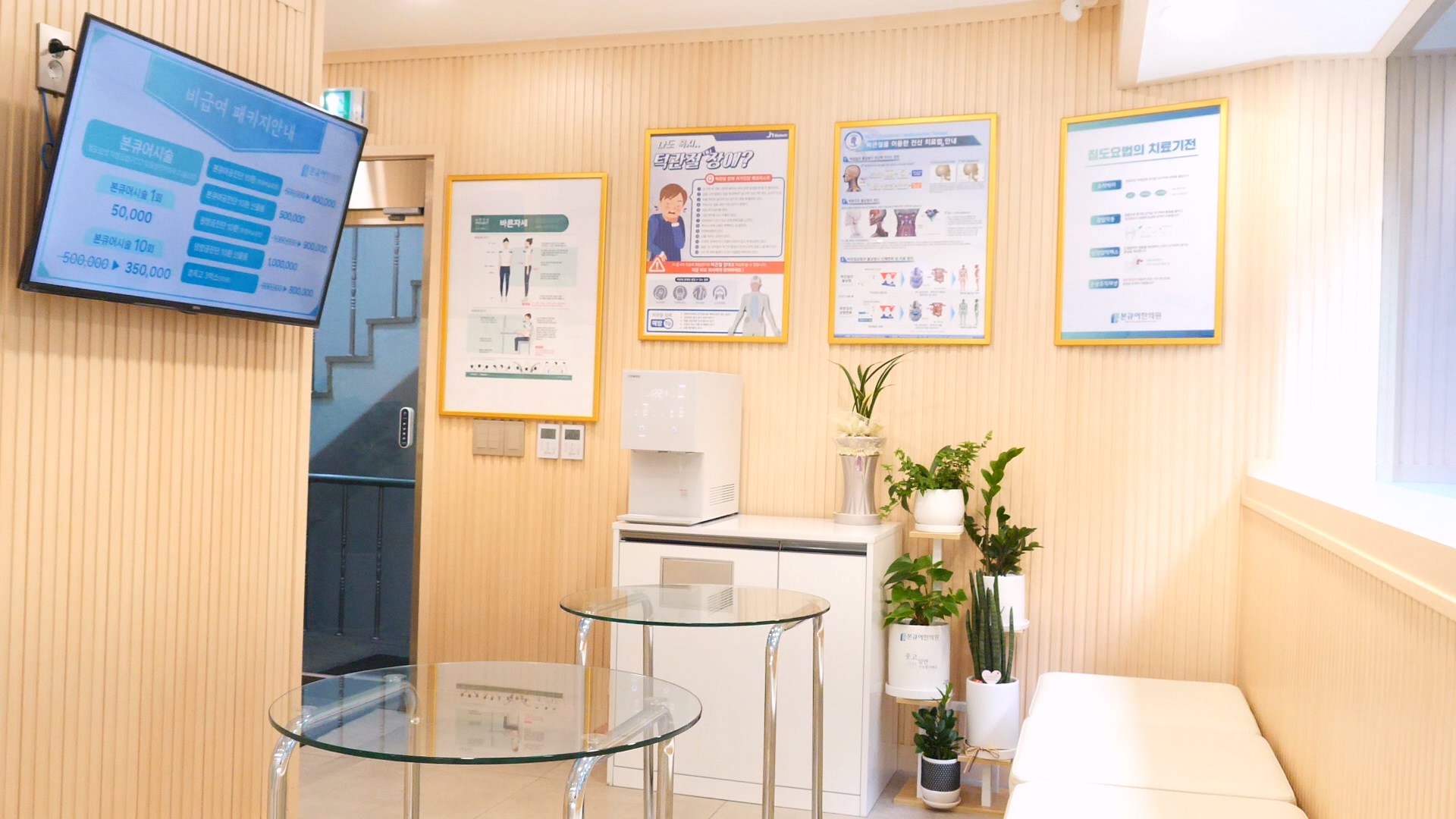
For many years, I have dedicated my practice to the study and application of Acupotomy, or Dochim therapy, to address complex neurological and structural disorders. Autonomic dysfunction dizziness is a condition that often leaves patients feeling lost in a cycle of specialists and inconclusive tests, yet it is a challenge we address daily through the lens of structural integrity and neural balance.
Understanding Autonomic Dysfunction Dizziness and Its Impact on Life
Autonomic dysfunction dizziness is a complex sensory disturbance where the body cannot properly regulate involuntary signals, leading to persistent instability, lightheadedness, or a sense of being disconnected from one's environment. This condition arises when the autonomic nervous system fails to coordinate vestibular inputs with cardiovascular responses, resulting in a variety of debilitating physical sensations.
Common Symptoms and the Vestibular Connection
The experience of autonomic dysfunction dizziness often transcends simple spinning sensations, manifesting as a pervasive sense of disequilibrium or brain fog that affects daily productivity. Many patients reporting these symptoms at Bonecure describe a feeling of being on a boat, which stems from a disconnect between the vestibular system and the autonomic control of blood pressure. Research suggests that up to 30 percent of patients with chronic dizziness also exhibit signs of autonomic imbalance, such as heart palpitations or cold extremities. This connection is vital because the vestibular nuclei in the brainstem are closely linked with the autonomic centers. When these signals become cross-wired or suppressed, the body fails to maintain a stable orientation in space. Patients often find that their symptoms worsen during periods of stress or postural changes, highlighting the sensitivity of the nervous system to external and internal pressures. Addressing these symptoms requires a comprehensive look at both sensory input and autonomic regulation.
Why Conventional Tests May Not Always Identify the Root Cause
A significant challenge for those suffering from autonomic dysfunction dizziness is that standard diagnostic tools, including MRIs or basic blood work, frequently return normal results. This discrepancy often occurs because conventional imaging is primarily designed to detect gross structural damage like tumors or fractures, whereas autonomic issues are frequently functional in nature. At Bonecure, we focus on identifying subtle soft tissue adhesions or minor misalignments in the upper cervical spine that may not be the primary focus of standard scans but can still influence the surrounding nerves. Statistical data indicates that many chronic dizziness cases are eventually categorized as functional or non-specific because typical ear or brain tests focus on different diagnostic criteria than autonomic regulation. By focusing on the functional relationship between the spine and the nervous system, we aim to identify structural factors that are often overlooked in routine screenings.
The Structural Link Between the Cervical Spine and the Nervous System
The cervical spine serves as a critical structural bridge where misalignment can directly interfere with the autonomic nervous system through mechanical pressure or vascular restriction. Because the nerves controlling balance and blood flow pass through or near the spinal column, any loss of structural symmetry can lead to faulty signaling and chronic dizziness.
How Neck Alignment Influences Autonomic Balance
Neck alignment is a foundational element in neurological health because the cervical spine houses the pathways for the autonomic nervous system to communicate with the brain. At Bonecure, we emphasize that the structural integrity of the C1 and C2 vertebrae is paramount for maintaining parasympathetic balance. When the neck loses its natural curvature or develops chronic tension, it can create mechanical tension on the dural sheath and blood vessels. This tension often manifests as autonomic dysfunction dizziness because the brain receives conflicting signals regarding the body’s position and vascular needs. Clinical observations at Bonecure suggest that improving cervical alignment can help stabilize blood flow to the vestibular system, which is crucial for equilibrium. While many focus solely on the ears, the structural position of the head over the neck determines the quality of neural feedback. Restoring this alignment is not just about relieving pain but about ensuring that the nervous system operates without physical interference. For more information, see our Dizziness and Lightheadedness Recovery: A 2026 Structural Guide at Bonecure.
The Role of the Vagus Nerve in Maintaining Stability
The vagus nerve is the primary conduit of the parasympathetic nervous system, responsible for the rest and digest state that counteracts the stress-induced fight-or-flight response. In cases of autonomic dysfunction dizziness, the vagus nerve may be underactive or physically compressed by tight musculature and misaligned vertebrae in the upper neck. At Bonecure, we find that liberating the space around the vagal exit point can significantly improve a patient's sense of stability and calm. This nerve regulates everything from heart rate to vestibular processing, meaning any irritation can lead to the lightheadedness characteristic of autonomic issues. Research into neural therapy suggests that vagal tone is a strong predictor of recovery in patients with chronic vertigo. By utilizing specialized techniques to reduce pressure on this vital nerve, we aim to restore the body’s internal thermostat. This structural approach addresses the biological hardware that supports the software of our autonomic responses, facilitating a more resilient and balanced physiological state.
Integrative Korean Medicine Approaches at Bonecure
Integrative Korean Medicine at Bonecure focuses on combining traditional principles with structural correction to restore the natural flow of neural signals and vascular supply to the brain and vestibular system. Our goal is to treat the root cause of the dysfunction rather than simply masking the sensations of dizziness with temporary medication.
Dochim Therapy for Releasing Neural Adhesions
Dochim therapy, a specialized form of acupotomy used at Bonecure, is specifically designed to treat chronic neural adhesions that contribute to autonomic dysfunction dizziness. This technique involves a micro-surgical needle-knife that releases fibrotic tissues and scarred ligaments surrounding the cervical spine. These adhesions often trap nerves or restrict blood vessels, creating the chronic signals that lead to dizziness. In my clinical practice, I do not adhere to fixed treatment counts like 'ten sessions to see results.' Instead, I focus on identifying the exact point of structural failure so that patients can feel an immediate shift in their symptoms as soon as the obstruction is released. However, it is important to note that because Dochim is a more intensive procedure than standard acupuncture, it may cause temporary soreness, minor bruising, or localized swelling for a few days. These are normal responses as the body begins the healing process of remodeling the tissue. While the speed of recovery varies based on the chronicity of the condition, the goal is always immediate structural feedback. This restoration is essential for long-term neural health and stability.
Specialized Acupuncture and Natural Herbal Formulas
Beyond physical manipulation, Bonecure utilizes specialized acupuncture and natural herbal formulas to support nerve regeneration and systemic balance. Acupuncture for autonomic dysfunction dizziness focuses on stimulating specific distal and local points that influence the hypothalamic-pituitary-adrenal axis, reducing sympathetic overactivity. This helps reset the nervous system, making it less reactive to the triggers that cause dizziness. Complementing this, our herbal formulas are prescribed to enhance blood circulation and provide the nutritional building blocks necessary for neural repair. Statistical reviews of integrative medicine suggest that combining structural release with biochemical support can significantly enhance treatment efficiency compared to single-modality treatments. Patients at Bonecure receive a customized protocol that addresses both the physical pressure on their nerves and the underlying physiological fatigue. While these natural methods are generally safe, patients might experience mild digestive changes or temporary fatigue as their system adjusts. This holistic synergy is designed to promote a sustainable recovery by nourishing the body from the inside out.
The Bonecure Approach to Structural Restoration
Understanding the specific methodology of structural restoration at Bonecure is essential for those seeking a comprehensive approach to their health. Our focus is on the physical framework that supports the nervous system, aiming for functional recovery through targeted interventions.
At Bonecure, we utilize Acupotomy (Dochim) and structural alignment to address the cervical spine and autonomic pathways. While many patients seek long-term solutions, our sessions are focused on creating structural change. It is important to note that while pharmacological interventions have their place in medicine, our approach prioritizes physical restoration. As with any procedure, Dochim may result in temporary soreness or minor bruising, which are common and expected responses.
Long Term Outcomes and Lifestyle Integration
Achieving lasting relief from autonomic dysfunction dizziness requires a shift from merely managing symptoms to restoring functional capacity. At Bonecure, we believe that structural restoration is the key to preventing the recurrence of vertigo and lightheadedness. By correcting the root misalignments and releasing deep-seated tissue adhesions, the body regains its ability to self-regulate without the need for constant pharmacological intervention. Our clinical observations suggest that patients who maintain their structural health through proper ergonomics and follow-up care report high levels of satisfaction and stability in the long term. It is important to remember that chronic conditions, especially those involving the nervous system, often require a series of treatments over several weeks to reach a stable state. While the initial phase focuses on immediate relief, the subsequent phases at Bonecure aim to solidify these structural changes. Every patient’s journey is unique, and while we cannot guarantee a 100 percent cure, our goal is to maximize the body's natural potential for equilibrium and vitality. For further reading, explore our A 2026 Guide to Managing Autonomic Dysfunction through Structural Recovery at Bonecure.
Traditional Medicine Clinical Notes and Patient Experiences
Clinical notes and patient case studies provide valuable insights into the patterns of recovery for those suffering from chronic dizziness. By analyzing these real-world examples, we can better understand how structural intervention influences the autonomic nervous system over time.
Case Study Analysis of Vertigo Improvement
Through various clinical experiences at Bonecure, we have observed a strong correlation between structural imbalances in the cervical region and autonomic dizziness. By addressing the physical framework of the nervous system through Dochim therapy and alignment, we focus on improving the patient's functional stability. In many instances, patients who have struggled with persistent lightheadedness despite normal results on standard tests find that focusing on spinal tension leads to a gradual reduction in symptoms. These clinical observations highlight the potential benefits of a structural perspective in managing complex dizziness. While individual results vary and depend on the specific condition of the patient, our goal remains the restoration of balance and daily function. We continue to monitor such cases to refine our integrative protocols for the best possible patient outcomes.
Frequently Asked Questions
Q. What exactly is autonomic dysfunction dizziness?
It is a condition where the autonomic nervous system, which controls involuntary functions, fails to regulate blood flow or vestibular signals correctly, leading to persistent lightheadedness or vertigo. This often results from a disconnect between the sensory organs and the brain's regulatory centers.
Q. How does acupuncture help with autonomic balance?
Acupuncture for chronic pain and nervous system regulation helps stimulate specific neural pathways to reduce sympathetic overactivity and promote parasympathetic relaxation. By targeting specific points, it encourages the body to exit a constant state of fight-or-flight.
Q. What is the Dochim therapy mentioned in clinical notes?
Dochim, or the needle-knife, is a specialized tool used to release adhesions in soft tissues around the spine that may be compressing nerves. While effective for structural issues, it may cause temporary soreness or minor bruising as the tissues begin to heal.
Q. Are the results of this treatment guaranteed?
No medical treatment can guarantee a 100 percent cure for every patient. Outcomes depend heavily on the individual's condition, the chronicity of the symptoms, and adherence to the recommended treatment plan. Results vary by patient based on their unique physiology.
Q. Are there any side effects to traditional Korean medicine treatments?
Most patients tolerate treatment well, but some may experience temporary fatigue, localized pain at the injection site, or minor bleeding. These effects are generally short-lived and are considered a part of the body's natural inflammatory response to healing.
Q. How many sessions are typically required for chronic dizziness?
Chronic conditions often require a series of treatments to achieve stable results. Unlike clinics that set a pre-determined number of sessions, our approach focuses on immediate structural feedback. The total number of visits depends on the severity of the misalignment and individual healing rates.
Q. Can I receive treatment at Bonecure if I live in Seoul?
Yes, our Korean traditional medicine clinic in Cheongdam, Seoul, specializes in treating complex autonomic and structural disorders. We welcome both local and international patients seeking a structural approach to chronic dizziness and nervous system health.
Key Takeaways
- Autonomic dysfunction dizziness is often a functional issue related to structural misalignments in the cervical spine.
- Standard diagnostic tests may not always focus on the subtle neural adhesions that can contribute to chronic lightheadedness.
- Dochim therapy at Bonecure aims to release these adhesions to restore proper blood flow and nerve signaling with immediate feedback.
- Recovery is a gradual process that involves both structural correction and internal physiological support.
- Individual results vary, and long-term success is enhanced by maintaining proper spinal ergonomics.
If you are struggling with persistent dizziness and have yet to find answers, structural restoration may be the missing piece of your recovery. To schedule a consultation and learn more about our approach, please contact our clinic.
Bonecure / Dr. Song Jung-hyun
FAQ
- What exactly is autonomic dysfunction dizziness?
- It is a condition where the autonomic nervous system, which controls involuntary functions, fails to regulate blood flow or vestibular signals correctly, leading to persistent lightheadedness or vertigo. This often results from a disconnect between the sensory organs and the brain's regulatory centers.
- How does acupuncture help with autonomic balance?
- Acupuncture for chronic pain and nervous system regulation helps stimulate specific neural pathways to reduce sympathetic overactivity and promote parasympathetic relaxation. By targeting specific points, it encourages the body to exit a constant state of fight-or-flight.
- What is the Dochim therapy mentioned in clinical notes?
- Dochim, or the needle-knife, is a specialized tool used to release adhesions in soft tissues around the spine that may be compressing nerves. While effective for structural issues, it may cause temporary soreness or minor bruising as the tissues begin to heal.
- Are the results of this treatment guaranteed?
- No medical treatment can guarantee a 100 percent cure for every patient. Outcomes depend heavily on the individual's condition, the chronicity of the symptoms, and adherence to the recommended treatment plan. Results vary by patient based on their unique physiology.
- Are there any side effects to traditional Korean medicine treatments?
- Most patients tolerate treatment well, but some may experience temporary fatigue, localized pain at the injection site, or minor bleeding. These effects are generally short-lived and are considered a part of the body's natural inflammatory response to healing.
- How many sessions are typically required for chronic dizziness?
- Chronic conditions often require a series of treatments to achieve stable results. A typical course might involve multiple sessions over several weeks, depending on the severity of the structural misalignment and the patient's rate of healing.
- Can I receive treatment at Bonecure if I live in Seoul?
- Yes, our Korean traditional medicine clinic in Cheongdam, Seoul, specializes in treating complex autonomic and structural disorders. we welcome both local and international patients seeking a structural approach to chronic dizziness and nervous system health.