
Post
Comprehensive Guide to Autonomic Dysfunction Clinic Care and Structural Recovery in 2026
Greetings. I am Dr. Song Jung-hyun, a Korean medicine doctor who has long specialized in acupotomy and structural recovery.
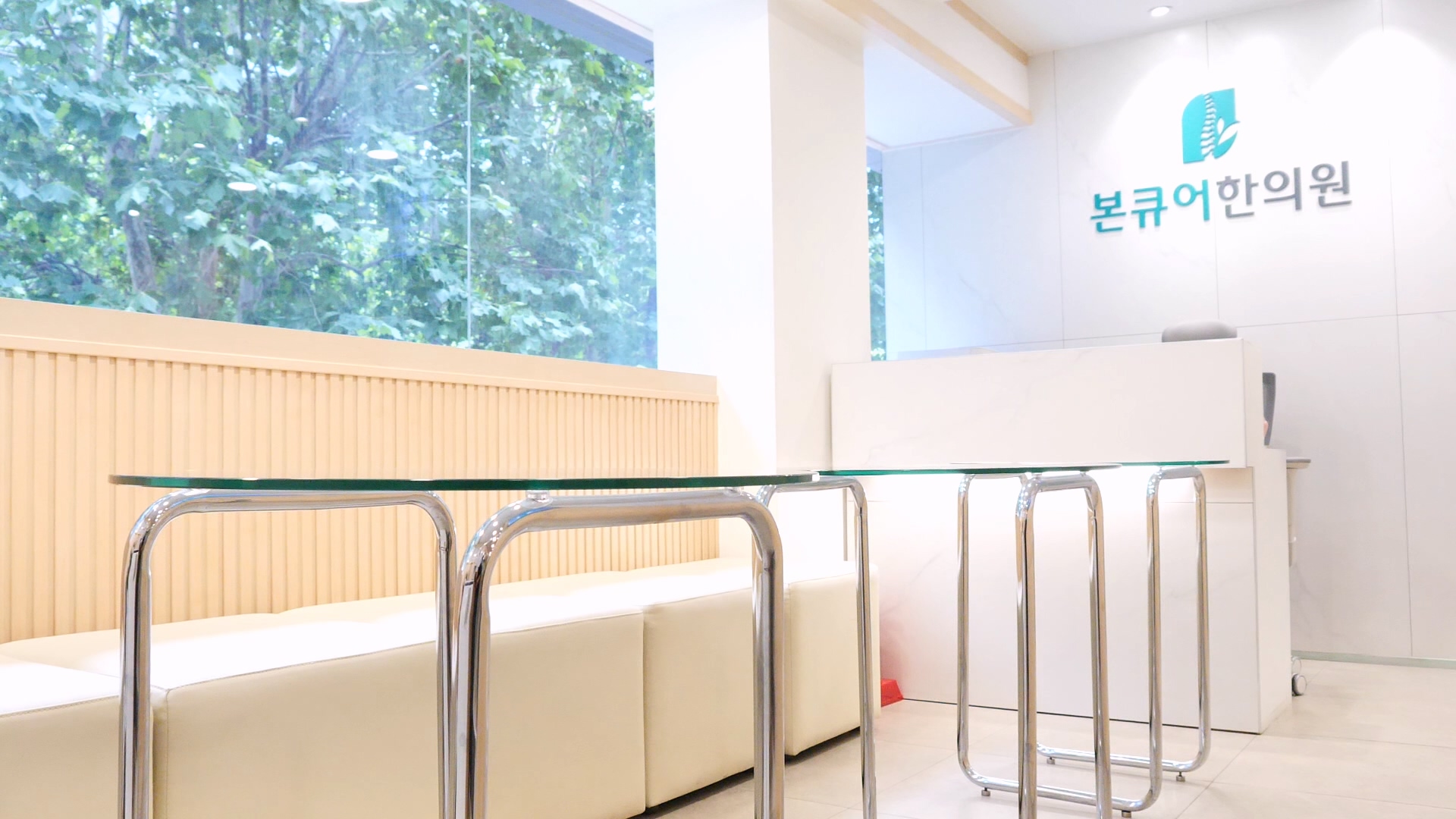
Autonomic dysfunction is a condition where the autonomic nervous system (ANS), which regulates involuntary actions like heart rate and digestion, fails to maintain internal balance. At Bonecure, we focus on identifying and treating the structural misalignments in the spine that may be the hidden cause of these systemic neural issues.
Understanding Autonomic Dysfunction and the Role of a Specialized Clinic
Autonomic dysfunction refers to the impaired communication within the autonomic nervous system (ANS), the network responsible for managing involuntary bodily functions like breathing and blood pressure. When this system fails to communicate correctly, it leads to a wide range of symptoms that can affect nearly every organ in the body. A specialized autonomic dysfunction clinic focuses on diagnosing these imbalances and finding the physical stressors that disrupt the flow of neural information.
The Balance Between Sympathetic and Parasympathetic Systems
The autonomic nervous system is composed of two primary branches that must remain in a state of dynamic equilibrium to maintain health. The sympathetic nervous system acts as the body’s gas pedal, preparing it for fight or flight responses, while the parasympathetic system serves as the brake, facilitating rest and digest functions. Autonomic dysfunction occurs when this balance is disrupted, often leaving the body in a state of perpetual high alert or chronic fatigue. At Bonecure, we recognize that this imbalance frequently stems from physical interference within the spinal column. When the structural alignment of the vertebrae is compromised, it can put undue pressure on the autonomic ganglia, preventing the nervous system from switching between these two states effectively. Restoring this balance is not merely about suppressing symptoms like heart palpitations or digestive issues; it involves realigning the physical framework to allow the body's internal regulatory signals to flow without interruption or distortion.
Common Symptoms That Mask Underlying Neural Imbalances
Identifying the root of systemic health issues can be challenging because autonomic dysfunction often presents through a wide array of masking symptoms. Patients frequently visit an autonomic dysfunction clinic complaining of persistent dizziness, chronic insomnia, or unexplained gastrointestinal distress that does not respond to standard localized treatments. These symptoms occur because the autonomic nerves regulate nearly every involuntary function in the body, from blood pressure to body temperature. When these signals are compromised, the resulting manifestations can feel disjointed and unrelated to the spine. For instance, a patient might suffer from cold extremities and anxiety simultaneously, both of which may be downstream effects of neural compression in the upper thoracic region. In my clinical experience, addressing these disparate issues requires a holistic perspective that views the body as a single interconnected structure. By focusing on the structural integrity of the nervous system, we can begin to resolve the underlying neural static that causes such diverse and debilitating symptoms.
The Structural Connection: How Spinal Alignment Affects Nerve Function
The structural connection in autonomic health describes the physical relationship between the alignment of the spinal column and the efficiency of the neural pathways that run through it. The spine serves as the protective housing for the nervous system, and any deviation in its curvature can create mechanical tension on the nerves. By addressing these structural flaws, we can alleviate the physical stress on the autonomic nervous system and help the body return to its natural state of homeostasis.
The Cervical Spine as a Gateway to Autonomic Health
The cervical spine, particularly the upper neck region, acts as a critical gateway for the transmission of autonomic signals between the brain and the rest of the body. This area houses the vagus nerve and several vital sympathetic pathways that regulate cardiac and respiratory rhythms. When misalignment occurs in the cervical vertebrae, often referred to as text neck or a loss of natural curvature, it can create mechanical tension that irritates these sensitive neural structures. This irritation is a frequent culprit behind chronic headaches, vestibular issues, and autonomic instability. At Bonecure, we prioritize the restoration of cervical alignment because even a minor structural shift can significantly impact the quality of neural communication. By utilizing Chuna therapy and targeted structural corrections, we aim to reduce this mechanical stress. It is important to note that while cervical restoration can lead to systemic improvements, the pace of recovery depends on the individual's long-term posture and the severity of existing spinal degeneration.
Why Structural Restoration is Vital for Long Term Recovery
Structural restoration is the cornerstone of long-term recovery for patients suffering from chronic autonomic imbalances. Many conventional approaches focus on pharmacological symptom management, which may provide temporary relief but often fails to address the physical cause of nerve irritation. At Bonecure, the objective is to support the physical environment of the nervous system by focusing on structural alignment. When the spine is properly aligned, it can help reduce mechanical pressure on the autonomic nerves, which aims to assist the body in returning to its natural state of homeostasis. This process requires a commitment to both clinical treatment and lifestyle modifications to maintain the corrected alignment. While the body has a remarkable capacity for self-healing, structural health is a key factor in neural function. By focusing on the skeletal structure, we aim to provide a foundation that helps the autonomic system function more effectively and supports long-term health goals. Please note that individual results may vary based on the patient's condition.
Comprehensive Care at a Korean Traditional Medicine Clinic in Cheongdam
Comprehensive care at a specialized Korean traditional medicine clinic in Cheongdam involves the integration of structural realignment techniques and traditional therapies to restore systemic health. By combining modern diagnostic insights with time-tested methods, we can provide a multi-faceted approach to complex conditions like autonomic dysfunction. Our goal is to offer a personalized treatment plan that addresses both the physical structure and the internal balance of the patient's body.
Acupotomy for Adhesion Release and Nerve Decompression
Acupotomy serves as a specialized micro-surgical acupuncture technique designed to address chronic tissue adhesions that conventional treatments often overlook. At Bonecure, I utilize this tool to physically release hardened ligaments and tendons that may be compressing vital nerve pathways. When these soft tissues become fibrotic due to chronic stress or injury, they can entrap the autonomic nerves, leading to persistent dysfunction. By precisely targeting these adhesions, we aim to restore the natural space required for neural signaling. However, patients should be aware that this procedure involves a level of physical stimulus that might cause temporary soreness, minor bruising, or, in very rare cases, localized infection at the site of insertion. These risks are carefully managed through sterile protocols and personalized aftercare plans. While some individuals experience immediate relief from neural tension, others with chronic conditions may require a structured series of treatments to achieve significant and lasting structural recovery.
Integrating Pharmacopuncture and Physical Therapy for Neural Recovery
Pharmacopuncture and physical therapy serve as vital supportive treatments at Bonecure, enhancing the structural work performed through acupotomy and Chuna. While acupotomy focuses on releasing physical adhesions, pharmacopuncture utilizes purified herbal extracts injected into specific acupoints to reduce inflammation and stimulate the body's natural healing response in localized tissues. This combination is particularly effective for patients whose tissues have become hypoxic due to long-term neural compression or chronic structural stress. Physical therapy further assists by modulating the musculoskeletal system and supporting the stabilization of corrected alignments. By integrating these methods, we can address both the mechanical obstructions and the secondary inflammatory issues that accompany autonomic dysfunction. However, patients should be aware that pharmacopuncture involves localized injections, which carries a minor risk of temporary sensitivity or site-specific soreness. These therapies are most effective when used as part of a comprehensive plan that includes structural realignment over several treatment sessions.
Understanding the Approach of Bonecure Structural Therapy
Bonecure Structural Therapy focuses on the mechanical relationship between the spine and the nervous system. Unlike approaches that focus solely on localized symptoms, our method emphasizes the importance of the physical environment surrounding the nerves. By utilizing techniques such as Acupotomy, Chuna, and structural restoration, we aim to address the physical triggers of autonomic instability. This approach is designed to support long-term homeostasis by improving spinal alignment and reducing mechanical stress on neural pathways. It is important to consult with a specialist to determine the most appropriate care plan for your specific needs, as the effectiveness of any therapy can vary between individuals.
To better understand how these physical factors contribute to systemic health, you may find it helpful to read about Identifying Autonomic Dysfunction Causes: A 2026 Structural Perspective at BonCure. Additionally, learning about the recovery process can provide clarity on what to expect, as detailed in our guide on A 2026 Structural Guide to Managing Autonomic Dysfunction through Structural Recovery at Bonecure.
Clinical Evidence and Safety Standards in Traditional Medicine
Clinical evidence and safety standards in traditional medicine refer to the data-driven approach to validating treatment outcomes while acknowledging the inherent risks and limitations of clinical procedures. We rely on objective evaluations, such as X-ray analysis and standardized health scales, to track patient progress. Transparency regarding potential side effects is essential to ensuring a safe and effective treatment environment for every patient seeking structural restoration.
Insights from Traditional Medicine Clinical Notes and Case Reports
Clinical evidence from my own practice, including various case reports, highlights the potential of structural recovery in treating complex autonomic conditions. Clinical observations suggest that structural recovery can be a significant factor in managing complex autonomic conditions. By focusing on structural alignment and reducing neural compression, we aim to support the body's natural healing processes and improve the patient's quality of life. Our clinical approach is based on the principle that improving the physical environment of the nervous system can lead to meaningful symptom relief. However, it is essential to understand that clinical outcomes are highly individual and depend on various factors. These observations do not guarantee specific results for every patient, and a personalized diagnosis is required to assess potential benefits. Factors such as the duration of the illness and the patient's baseline health significantly influence the trajectory of recovery. We rely on objective measures like X-ray imaging and validated anxiety or depression scales to monitor each patient's progress.
Understanding Potential Side Effects and Treatment Limitations
Every medical intervention carries certain risks and limitations that must be transparently discussed with the patient before beginning treatment. At Bonecure, while our structural restoration techniques are designed to be minimally invasive, patients may experience side effects such as temporary pain at the injection site, minor swelling, or localized bruising. These reactions are typically part of the body’s inflammatory response to tissue release and often resolve within a few days. Furthermore, it is important to acknowledge that structural therapy is not an overnight cure for chronic autonomic dysfunction. Severe cases or long-standing conditions may require 20 or more sessions to achieve stability, and some degree of residual symptoms may persist depending on the extent of permanent nerve or tissue damage. We emphasize that individual response times vary, and consistent follow-up is necessary to prevent relapse. If a patient does not show progress within a reasonable timeframe, we re-evaluate the treatment plan to ensure we are addressing all possible factors contributing to their neural imbalance.
Key Takeaways
- Autonomic dysfunction is often linked to mechanical compression of the nerves due to spinal misalignment.
- Structural restoration at Bonecure focuses on realigning the cervical and thoracic spine to restore neural balance.
- Acupotomy and Chuna therapy are core techniques used to release tissue adhesions and decompress nerve pathways.
- Long-term recovery requires addressing the root structural cause rather than just managing temporary symptoms.
- Clinical success is individual, with factors like condition duration and patient health affecting the outcome of the 20 or more sessions often required for chronic cases.
Frequently Asked Questions
Q. What exactly is autonomic dysfunction?
It is a condition where the autonomic nervous system, which controls involuntary functions like heart rate and digestion, does not function correctly. At Bonecure, we look for structural issues in the spine that may be interfering with these neural signals and causing systemic imbalances.
Q. How does acupuncture for back pain relate to the autonomic nervous system?
Acupuncture can reduce muscle tension and inflammation around the spine, which directly impacts nerve health. By relieving pressure on the nerves exiting the spinal column, it helps restore the proper flow of signals within the autonomic system, facilitating overall homeostasis.
Q. Is the acupotomy procedure painful or risky?
Acupotomy uses a specialized tool to release adhesions in deep tissues, which may cause temporary discomfort or minor bruising. It is performed with medical precision to minimize risks, though individual results vary and potential side effects like mild swelling or localized infection should be discussed during your consultation.
Q. How many sessions are typically required at an autonomic dysfunction clinic?
The duration of treatment depends entirely on the severity and chronicity of the condition. While some notice changes early on, chronic cases usually require a consistent series of 20 or more sessions to achieve structural stability and lasting neural recovery.
Q. What is the benefit of visiting a Korean traditional medicine clinic in Cheongdam?
Clinics in this area, like Bonecure, combine modern diagnostic insights with specialized techniques such as Chuna, acupotomy, and pharmacopuncture. This provides a holistic approach that targets both the mechanical skeletal structure and the body's internal balance for comprehensive healing.
Q. Can structural alignment help with non-pain symptoms like dizziness or insomnia?
Yes, because the autonomic nervous system regulates sleep and balance. If a misalignment in the neck is stressing the nerves, correcting that structure can often lead to improvements in these systemic symptoms by removing the cause of neural interference.
Q. Are there any side effects to the herbal medicines used for nerve health?
Most patients tolerate traditional herbal formulas well, though some may experience minor digestive changes as their system adjusts. We customize every prescription based on an individual's constitution and medical history to minimize risks and ensure the formula supports neural recovery effectively.
For more information on how structural restoration can help restore your neural health, please contact our clinic for a consultation.
Bonecure / Dr. Song Jung-hyun
FAQ
- What exactly is autonomic dysfunction?
- It is a condition where the autonomic nervous system, which controls involuntary functions like heart rate and digestion, does not function correctly. At Bonecure, we look for structural issues in the spine that may be interfering with these neural signals and causing systemic imbalances.
- How does acupuncture for back pain relate to the autonomic nervous system?
- Acupuncture can reduce muscle tension and inflammation around the spine, which directly impacts nerve health. By relieving pressure on the nerves exiting the spinal column, it helps restore the proper flow of signals within the autonomic system, facilitating overall homeostasis.
- Is the acupotomy procedure painful or risky?
- Acupotomy uses a specialized tool to release adhesions in deep tissues, which may cause temporary discomfort or minor bruising. It is performed with medical precision to minimize risks, though individual results vary and potential side effects like mild swelling should be discussed during your consultation.
- How many sessions are typically required at an autonomic dysfunction clinic?
- The duration of treatment depends entirely on the severity and chronicity of the condition. While some notice changes early on, chronic cases usually require a consistent series of 20 or more sessions to achieve structural stability and lasting neural recovery.
- What is the benefit of visiting a Korean traditional medicine clinic in Cheongdam?
- Clinics in this area, like Bonecure, combine modern diagnostic insights with specialized traditional techniques such as Chuna and moxibustion therapy. This provides a holistic approach that targets both the mechanical skeletal structure and the body's internal energy balance for comprehensive healing.
- Can structural alignment help with non-pain symptoms like dizziness or insomnia?
- Yes, because the autonomic nervous system regulates sleep and balance. If a misalignment in the neck is stressing the nerves, correcting that structure can often lead to improvements in these systemic symptoms by removing the cause of neural interference.
- Are there any side effects to the herbal medicines used for nerve health?
- Most patients tolerate traditional herbal formulas well, though some may experience minor digestive changes as their system adjusts. We customize every prescription based on an individual's constitution and medical history to minimize risks and ensure the formula supports neural recovery effectively.