
Post
Wellness Clinic Cheongdam-dong: A Professional Guide to Structural Recovery at Bonecure
Hello. I am Song Jeong-hyeon, a Korean medicine doctor who has long specialized in acupotomy and structural restoration. In the heart of Seoul, finding a Wellness Clinic Cheongdam-dong that prioritizes long-term physiological health over temporary relief is essential for maintaining a high quality of life.
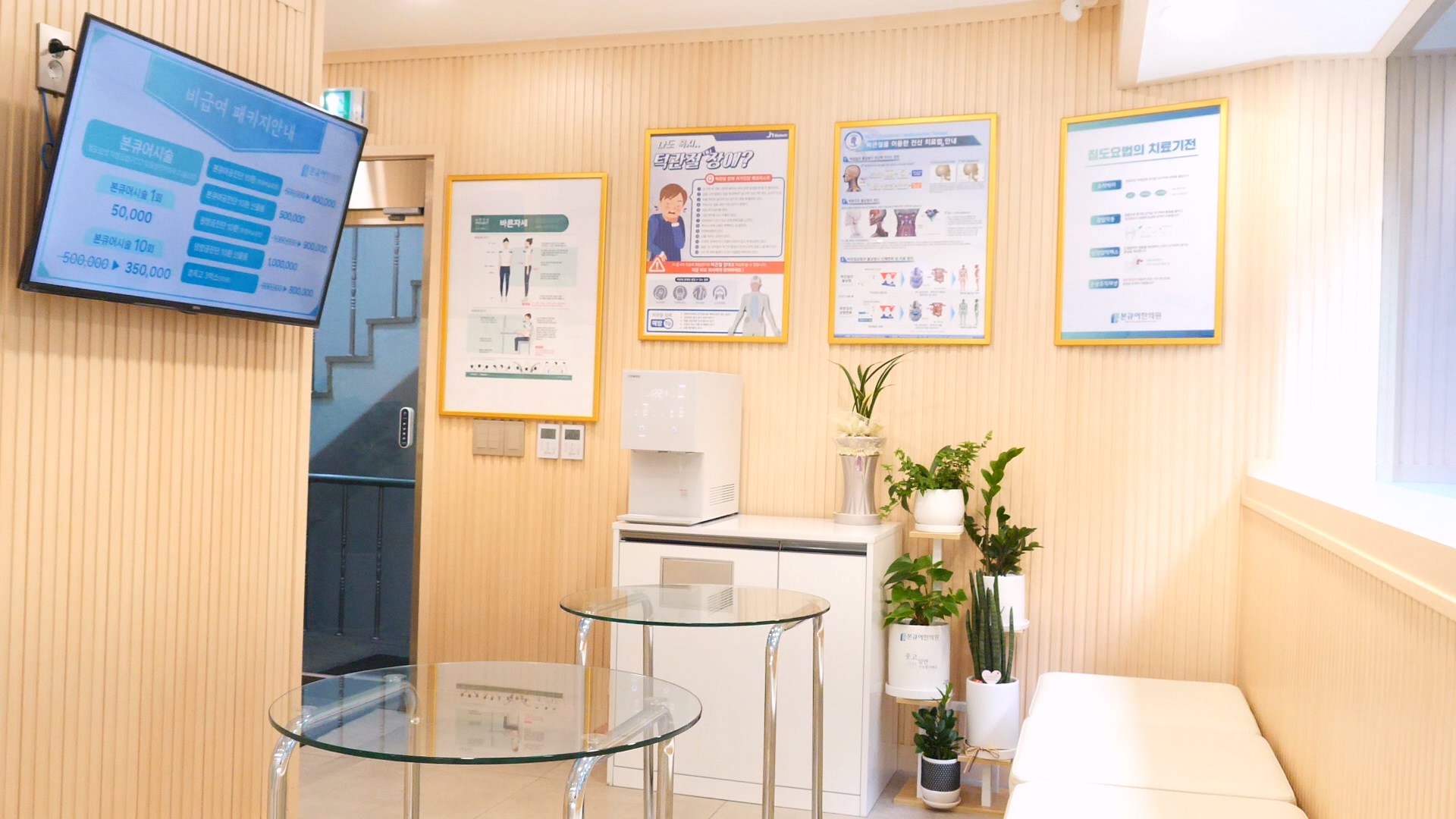
This guide explores how structural alignment and modern traditional medicine provide a foundation for sustainable vitality.
The Landscape of Wellness Clinics in Cheongdam-dong
A premium wellness clinic in Cheongdam-dong represents the pinnacle of patient-centered care, blending high-end service with rigorous clinical methodologies. This district has evolved into a global hub for integrated healthcare, where patients seek more than just basic treatments. They look for comprehensive wellness strategies that address the root causes of physical discomfort rather than merely masking symptoms with superficial interventions. This evolution reflects a growing demand for precision medicine that respects the body's natural architecture while utilizing advanced diagnostic frameworks to ensure safety and measurable outcomes.
Defining Premium Integrated Healthcare in Seoul
In the competitive health landscape of Gangnam, premium healthcare is defined by its ability to integrate traditional wisdom with evidence-based modern diagnostics. High-end clinics focus on systemic health, utilizing tools like whole spine X-ray imaging to assess structural integrity before initiating any intervention. For many, a Wellness Clinic Cheongdam-dong is not just a place for recovery but a sanctuary for health optimization. Patients expect tailored protocols that account for their unique lifestyle stressors and biological markers. This approach moves away from the one-size-fits-all model, prioritizing highly efficient and impact-driven clinical protocols that maximize therapeutic value within a condensed timeframe. By combining professional environments with clinical rigor, these establishments provide a space where physical healing and functional restoration coexist. The goal is to establish a health baseline that prevents future degeneration, ensuring every therapeutic step contributes to a broader vision of longevity. Consequently, the standards for clinical excellence and patient hospitality remain unparalleled in this metropolitan region.
Why Global Patients Seek Specialized Care in Gangnam
International patients frequently travel to Seoul seeking specialized treatments that are often unavailable or less refined in their home countries. The concentration of expertise in areas such as non-surgical spinal correction and advanced acupuncture makes this district a primary destination for medical tourism. Patients from diverse backgrounds seek out a Wellness Clinic Cheongdam-dong for its reputation in handling complex, chronic conditions that have not responded to conventional therapies elsewhere. These individuals often prioritize clinics that provide clear documentation and scientific explanations for traditional methods. The accessibility of high-tech imaging alongside manual therapies offers a level of transparency that builds significant trust. Furthermore, the ability to receive intensive, concentrated care within a short timeframe is a major draw for those managing busy global schedules. This influx of international interest has pushed local practitioners to maintain world-class standards in both clinical results and multilingual patient communication. As a result, the region has become a benchmark for how traditional practices can be successfully modernized for a global audience.
The Role of Bonecure in Modern Traditional Medicine
Within this sophisticated medical ecosystem, Bonecure stands as a specialized institution dedicated to the principle that structural alignment is the key to systemic health. My philosophy, centered on the phrase "When your bones smile, life smiles," emphasizes the restoration of the body's internal balance. At Bonecure, we focus on identifying tissue adhesions and skeletal misalignments that frequently lead to chronic pain and autonomic dysfunction. We prioritize the functional recovery of the musculoskeletal system as the primary focus of our clinical practice. By utilizing specialized acupotomy techniques, we aim to release stubborn adhesions that restrict movement and impair circulation. Our approach is grounded in clinical evidence, including case reports on conditions such as 18-year chronic tinnitus and idiopathic scoliosis. We believe that true wellness begins with a foundation of physical integrity. By restoring the proper relationship between the spine and the nervous system, we help our patients regain the vitality needed for their daily lives. Our commitment remains focused on delivering measurable, root-cause solutions in a professional and efficient environment.
Advanced Traditional Korean Medicine for Persistent Pain
Advanced traditional Korean medicine for persistent pain involves the application of specialized techniques to resolve chronic inflammation and structural imbalances. This field utilizes targeted interventions like acupotomy and therapeutic decoctions to facilitate the body's innate healing mechanisms. By focusing on the deep connective tissues and skeletal alignment, practitioners can address pain that has become resistant to standard pharmacological treatments. The goal is to provide a long-lasting solution by improving the underlying physiological environment, rather than just providing temporary analgesic effects.
Clinical Efficacy of Acupuncture for Back Pain
Clinical observations and systematic reviews consistently highlight the role of specialized acupuncture in managing chronic spinal discomfort. In a Wellness Clinic Cheongdam-dong, this practice is refined through the use of precision tools designed to reach deeper muscular layers. For patients suffering from persistent back pain, acupuncture works by modulating pain signals and reducing local inflammation. My clinical experience includes cases where patients showed significant improvement in mobility after a series of targeted sessions. While individual results may vary, the objective is to stimulate the nervous system to promote natural recovery. For instance, in documented case studies, patients often report a reduction in pain intensity scores after consistent treatment. It is important to note that while acupuncture is generally safe, patients should expect a thorough physical assessment to determine the most effective needle placement. This ensures that the treatment addresses the specific anatomical drivers of the pain. By focusing on the root of the discomfort, we aim to provide relief that supports the patient's overall structural health and functional capacity over the long term.
The Role of Advanced Acupotomy in Improving Tissue Vitality
Advanced acupotomy serves as a core therapeutic intervention at Bonecure, especially for patients with restricted circulation caused by deep fibrotic tissue. By utilizing a specialized blade-shaped needle, we physically separate internal blockages that impede blood flow and nerve signal transmission. This process effectively 'opens up' the affected areas, facilitating the delivery of oxygen and nutrients to previously stagnant tissues. It is frequently applied to the cervical and thoracic regions where chronic tension often leads to autonomic symptoms and circulatory stagnation. In our clinical practice, we observe that patients respond rapidly when structural adhesions are removed from the musculoskeletal framework. This efficient release not only addresses local pain but also supports the body’s autonomic balance by removing physical stressors from the nervous system. Unlike traditional acupuncture, this specialized tool allows for an impact-driven restoration of health, making it essential for patients who require focused recovery within a streamlined treatment schedule. By clearing these pathways, we restore the natural metabolic vitality of the body.
Traditional Medicine Clinical Notes on Structural Recovery
Documenting structural recovery requires a rigorous approach to clinical notes and patient progress tracking. At Bonecure, we emphasize the use of objective markers such as X-ray imaging and standardized pain scales to monitor the efficacy of our interventions. For example, a patient presenting with an 18-year history of chronic tinnitus underwent 20 sessions of targeted structural therapy, resulting in a significant improvement in clinical indicators. Please note that individual results may vary depending on the patient's condition. Such cases illustrate the profound impact that correcting spinal and cervical alignment can have on seemingly unrelated symptoms. Our clinical notes also reflect the recovery of patients with Meniere's-like symptoms, where hearing levels were normalized through structural restoration. These records are vital for proving that traditional methods can produce measurable, scientific results. Traditional Medicine Clinical Notes: Structural Integrity and Evidence-Based Documentation at Bonecure Clinic provides further insight into our meticulous documentation process. We also utilize assessment tools like the Beck Depression and Anxiety Inventories to monitor the psychological improvements that often accompany physical healing. This comprehensive data collection ensures that every patient's journey is mapped with precision, providing a clear path toward sustained wellness and functional restoration.
Structural Realignment vs. Surface Aesthetic Enhancements
Structural realignment focuses on the fundamental balance of the skeletal and muscular systems to improve overall health and function. Understanding the specific focus of structural realignment is crucial for patients seeking long-term relief from chronic issues. While various wellness approaches exist, our methodology centers on the internal architecture that supports the entire body. Realignment aims to fix the internal architecture that supports the entire body, ensuring that every movement is efficient and pain-free.
A Comparative Look at Holistic and Cosmetic Approaches
When choosing between a holistic and a cosmetic approach, it is important to identify the primary health objective. Holistic recovery, as practiced at Bonecure, focuses on the deep-seated causes of physical dysfunction, such as joint misalignment or tissue adhesions. Cosmetic treatments in a Wellness Clinic Cheongdam-dong often focus on laser therapies or skin rejuvenation, which address the epidermal and dermal layers. While a youthful appearance is a common goal for many, we focus on the vitality that comes from a healthy, aligned spine. Patients who only pursue surface treatments may find that their underlying pain or fatigue persists. Conversely, those who prioritize structural integrity often find that their external appearance improves naturally as circulation and posture are restored. For instance, a patient with improved cervical alignment often exhibits a more confident and relaxed facial expression. At Bonecure, we believe that true beauty is a byproduct of internal health. Our treatments are designed to ensure that the skeletal framework is robust enough to support a vibrant lifestyle. This foundational health is what allows individuals to maintain their energy levels and physical performance as they age, providing a more permanent form of wellness.
| Feature | Structural Recovery (Bonecure) | Aesthetic/Surface Treatments |
|---|---|---|
| Primary Goal | Functional restoration and pain relief | External appearance and skin health |
| Target Area | Spine, joints, and deep connective tissue | Epidermis, dermis, and subcutaneous fat |
| Methodology | Acupotomy, alignment, and herbal medicine | Lasers, fillers, and skin tightening |
| Health Impact | Improves nervous system and mobility | Enhances skin texture and facial contour |
| Long-term Value | Prevents degeneration and chronic pain | Requires periodic maintenance for look |
| Clinical Focus | Evidence-based structural integrity | Visual symmetry and surface rejuvenation |
Precision Healing at Bonecure: A Modern Clinical Perspective
Precision healing at Bonecure involves the use of specialized tools and diagnostic evidence to deliver targeted therapeutic interventions. This approach moves beyond general wellness, focusing on the specific micro-structures of the body that contribute to chronic illness. By utilizing a modern clinical perspective, we can offer solutions for conditions that have historically been difficult to treat with conventional medicine alone. This involves a deep understanding of anatomy and a commitment to refining traditional techniques for the modern age.
Acupotomy and the Science of Releasing Tissue Adhesions
Acupotomy is a specialized form of acupuncture that utilizes a blade-shaped needle to physically release adhesions in the soft tissues. These adhesions, often caused by chronic inflammation or injury, can trap nerves and restrict blood flow, leading to persistent pain and stiffness. In our clinical practice at Bonecure, we use this technique to treat complex musculoskeletal conditions that do not respond to traditional needles. The science behind acupotomy lies in its ability to induce a micro-injury that stimulates a robust healing response in the localized area. This process helps to remodel the scar tissue into healthy, functional fibers. While the procedure is highly effective, it may cause temporary localized pain or minor bruising immediately following the session. In very rare instances, infection is a potential risk, which is why we maintain strict sterile protocols. Most patients require a series of treatments to achieve significant structural changes, especially in chronic cases. By focusing on the exact site of the adhesion, we can provide immediate relief and long-term functional improvement. This precision is what sets our approach apart in the landscape of a Wellness Clinic Cheongdam-dong.
Restoring Mobility and Vitality through Bone Alignment
Restoring mobility through bone alignment is the final step in achieving comprehensive physical wellness. At Bonecure, we view the skeletal system as the framework upon which all other bodily functions depend. When bones are misaligned, they create a cascade of tension throughout the muscular and nervous systems. This often manifests as chronic fatigue, digestive issues, or localized pain. Our treatment protocols involve a combination of manual techniques and specialized tools to gently guide the bones back into their optimal positions. We have seen cases where improving the curvature of the spine has led to a significant reduction in autonomic symptoms. For example, a patient with idiopathic scoliosis may experience improved breathing and energy levels after consistent alignment sessions. Advanced Acupotomy in Seoul: Root Cause Pain Relief at BoneCure Korean Medicine Clinic provides more details on how we integrate these methods. While the recovery process requires time and commitment, the results are often life-changing. Restoring the natural alignment of the body allows the nervous system to function without interference, promoting a state of vitality that radiates through every aspect of the patient's life. This structural foundation is essential for anyone seeking a truly healthy and active lifestyle in 2026.
Frequently Asked Questions
Q. What defines a high-end wellness clinic in Cheongdam-dong?
A premium wellness clinic in this district combines luxury service with evidence-based interventions, often integrating traditional Korean medicine with modern diagnostic tools to address systemic health. These establishments prioritize personalized care and long-term health outcomes over quick, superficial fixes.
Q. Can acupuncture effectively address chronic back pain?
Clinical observations indicate that specialized acupuncture helps by releasing muscular tension and improving structural alignment. At Bonecure, we have seen patients report significant reductions in pain intensity after targeted sessions, though individual results always vary based on individual conditions.
Q. What is the benefit of Chuna therapy at a professional Seoul clinic?
Chuna therapy utilizes manual techniques to correct skeletal misalignments and balance the musculoskeletal system. It is frequently used alongside acupotomy to improve circulation, relieve nerve pressure, and restore the body's natural architecture, facilitating faster recovery.
Q. Are there any risks or side effects associated with acupotomy?
While targeted for precision, potential risks include temporary localized pain, minor bruising, or very rarely, infection. It is important to discuss your medical history with the practitioner first to ensure the procedure is appropriate for your specific condition.
Q. How does Bonecure differ from standard aesthetic clinics in Gangnam?
Unlike clinics focused primarily on surface-level skin or cosmetic enhancements, Bonecure focuses on internal structural balance, bone health, and the recovery of fundamental body movements. We believe that internal alignment is the foundation of both health and natural beauty.
Q. How many sessions are typically recommended for long-standing musculoskeletal issues?
At Bonecure, we prioritize immediate symptom relief, with many patients experiencing noticeable changes from the first session. While the total number of visits depends on the patient's chronicity, our impact-driven approach focuses on achieving measurable progress much faster than standard long-term programs.
Q. Is Bonecure accessible for international patients who do not speak Korean?
Yes, our clinic regularly assists international visitors seeking specialized traditional Korean medicine. We focus on providing a clear understanding of the treatment process for all global patients to ensure a comfortable and professional experience.
Key Takeaways
- Root Cause Focus: True wellness in Cheongdam-dong involves addressing structural misalignments rather than just surface-level symptoms.
- Integrated Techniques: Combining acupotomy, Chuna therapy, and spinal alignment provides a comprehensive path to functional recovery.
- Evidence-Based Care: Modern traditional medicine at Bonecure relies on objective documentation, including X-rays and standardized pain scales.
- Impact-Driven Approach: We focus on highly efficient sessions and immediate symptom relief to restore vitality without unnecessary delays.
Bonecure Korean Medicine Clinic / Dr. Song Jeong-hyeon
FAQ
- What defines a high-end wellness clinic in Cheongdam-dong?
- A premium wellness clinic in this district combines luxury service with evidence-based interventions, often integrating traditional Korean medicine with modern diagnostic tools to address systemic health. These establishments prioritize personalized care and long-term health outcomes over quick, superficial fixes.
- Can acupuncture effectively address chronic back pain?
- Clinical observations indicate that specialized acupuncture helps by releasing muscular tension and improving structural alignment. At Bonecure, we have seen patients report significant reductions in pain intensity after a series of targeted sessions, though individual results always vary.
- What is the benefit of moxibustion therapy in a professional Seoul clinic?
- Professional moxibustion utilizes controlled thermal stimulation to enhance blood flow and metabolic function. It is frequently used alongside acupuncture to support the body's natural healing processes and prepare tissues for deeper structural work.
- Are there any risks or side effects associated with acupotomy?
- While targeted for precision, potential risks include temporary localized pain, minor bruising, or very rarely, infection. It is important to discuss your medical history with the practitioner first to ensure the procedure is appropriate for your condition.
- How does Bonecure differ from standard aesthetic clinics in Gangnam?
- Unlike clinics focused primarily on surface-level skin or cosmetic enhancements, Bonecure focuses on internal structural balance, bone health, and the recovery of fundamental body movements. We believe that internal alignment is the foundation of both health and natural beauty.
- How many sessions are typically recommended for long-standing musculoskeletal issues?
- Chronic or severe conditions generally require a series of sessions to achieve measurable structural improvement. A personalized plan is developed after an initial assessment of the patient's condition, with many cases showing significant progress after 10 to 20 treatments.
- Is Bonecure accessible for international patients who do not speak Korean?
- Yes, our clinic regularly assists international visitors seeking specialized traditional Korean medicine. We focus on providing a clear understanding of the treatment process for all global patients to ensure a comfortable and professional experience.