
Post
A 2026 Guide to a Traditional Korean Postpartum Care Clinic: Structural Recovery at Bonecure
Hello. I am Director Song Jung-hyun, a traditional Korean medicine practitioner who has specialized in Dochim therapy for many years. Today, I would like to discuss how a specialized traditional Korean postpartum care clinic approach can help mothers restore their health after delivery.
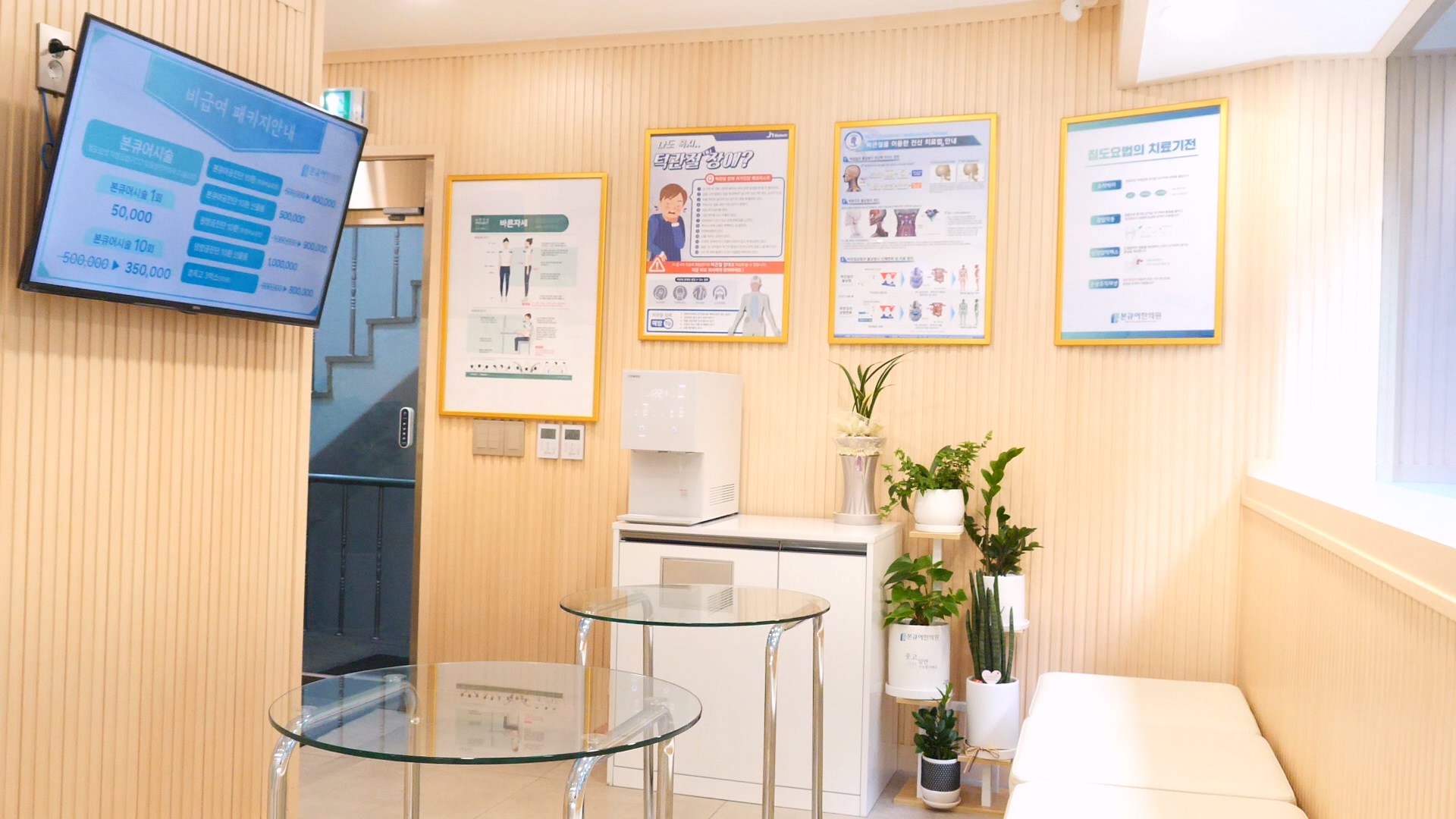
Childbirth brings immense physical transformation, and addressing these structural changes is essential for preventing long-term chronic pain.
Understanding Traditional Korean Postpartum Care at Bonecure
Traditional Korean postpartum care clinic methodologies traditionally focus on warmth, rest, and replenishing internal energy to support a mother's recovery after childbirth. At Bonecure, we modernize this time-honored philosophy by combining internal revitalization with meticulous structural alignment to address the root causes of postpartum discomfort. This integrated approach ensures that the body heals comprehensively rather than just masking temporary symptoms.
The Core Philosophy of Postpartum Recovery
The fundamental philosophy of traditional Korean postpartum care clinic practices revolves around eliminating pathogenic wind and cold while restoring vital qi and blood. During pregnancy, the hormone relaxin softens ligaments, making the entire skeletal framework vulnerable to shifts and instability. According to clinical consensus, a mother's body remains highly malleable for several months after delivery, which presents a crucial window for structural intervention. Rather than merely recommending bed rest, our philosophy emphasizes active, gentle realignment to ensure the body heals in its proper position. By focusing on both internal nourishment and external skeletal integrity, we help mothers regain their pre-pregnancy strength efficiently. This balanced framework prevents the development of chronic musculoskeletal conditions that often persist for years when left unaddressed.
Restoring Internal Balance and Vitality After Childbirth
Restoring internal balance after childbirth requires a careful understanding of the profound depletion a mother experiences. The birthing process involves significant blood loss and physical exertion, which leaves the metabolic and immune systems temporarily compromised. Traditional Korean postpartum care clinic protocols utilize personalized herbal formulations to promote the discharge of lochia and improve overall blood circulation throughout the body. At Bonecure, we analyze each individual's metabolic state to ensure that internal recovery supports structural healing. Enhanced blood circulation directly accelerates tissue repair in the pelvic floor and lower back muscles, creating a synergy between internal vitality and structural integrity. This holistic approach ensures that the body has the necessary physiological resources to rebuild weakened ligaments and muscles. Consequently, mothers experience a reduction in systemic fatigue and an improvement in overall functional energy levels.
The Role of Bonecure in Modern Postpartum Wellness
Modern postpartum wellness demands an approach that goes beyond traditional confinement practices to accommodate the active lifestyles of contemporary mothers. As a clinic focusing on traditional Korean postpartum care, Bonecure fulfills this role by providing precise, evidence-first physical restoration. Our clinical framework recognizes that modern mothers face unique physical challenges, such as prolonged sitting, nursing postures, and repetitive lifting, which can exacerbate existing pelvic misalignments. By utilizing advanced diagnostic methods, we create tailored recovery pathways that fit seamlessly into a mother's postpartum schedule. Our focus remains entirely on objective structural recovery, ensuring that every therapeutic intervention is backed by clinical rationale and individual progress tracking. This modern adaptation allows mothers to safely transition back into their daily routines while protecting their long-term spinal health.
The Structural Foundation: Why Spinal and Pelvic Alignment Matters
Spinal and pelvic alignment forms the literal foundation of physical health, particularly after the profound structural shifts that occur during pregnancy. When the pelvis becomes distorted or misaligned, it disrupts the kinetic chain of the entire body, leading to compensatory pain in the knees, shoulders, and neck. Restoring the natural alignment of these core structures is essential for achieving long-term mobility and structural balance.
Correcting Pelvic Distortions Caused by Pregnancy
Pregnancy naturally forces the pelvis to anteriorly tilt and widen to accommodate the growing fetus, a change that significantly alters the mother's center of gravity. This structural shift often persists after childbirth, leading to persistent pelvic asymmetry and functional leg length discrepancies. In our traditional Korean postpartum care clinic, we systematically assess these pelvic distortions using objective structural metrics. Correcting these misalignments early prevents the ligaments from tightening around an asymmetric pelvis, which can permanently alter gait and posture. By applying targeted manual forces and specialized acupuncture techniques, we encourage the pelvis to return to its optimal anatomical position. This corrective process helps restore the natural shock-absorbing capabilities of the pelvic ring, significantly reducing the mechanical stress placed on the surrounding soft tissues and joints.
Addressing Chronic Back and Joint Pain Through Alignment
Chronic back and joint pain after delivery is rarely a localized issue; it is almost always the result of broader structural instability. When the pelvis remains misaligned, the lumbar spine is forced to compensate, leading to muscle strains, disc stress, and localized joint inflammation. Many mothers also experience severe wrist and knee discomfort due to altered biomechanics during infant care. Our approach as a traditional Korean postpartum care clinic involves realigning the central spinal axis to redistribute physical loads evenly across the musculoskeletal system. When the spine and pelvis are correctly balanced, peripheral joints are relieved of excessive compensatory strain, allowing localized inflammation to subside naturally. This systemic realignment addresses the root cause of the discomfort, offering a path toward sustainable relief rather than temporary comfort.
When Your Bones Smile, Life Smiles: The Bonecure Approach
Our foundational philosophy at Bonecure is captured by the guiding principle: when your bones smile, life smiles. This expression reflects our commitment to helping mothers regain a life free from the limiting constraints of chronic postpartum pain and structural dysfunction. True wellness begins when the skeletal framework is perfectly aligned, allowing the nervous system and musculature to function without interference or irritation. We understand that a mother's physical health directly impacts her ability to care for her family and enjoy daily activities. By prioritizing precise structural restoration, we aim to restore the joy of effortless movement and vitality to every patient we treat. This dedication to core skeletal health defines our clinical identity and shapes every aspect of our patient care protocols.
Specialized Treatment Methods at Bonecure
Specialized treatment methods at our clinic are designed to address both the deep tissue adaptations and the joint restrictions that develop during pregnancy. We combine advanced micro-dissection techniques with precise manual adjustments to safely restore optimal musculoskeletal function. Each method is carefully tailored to the delicate physiological state of a postpartum patient.
Dochim Therapy for Releasing Tissue Adhesions
Dochim therapy, or blade acupuncture, is a specialized traditional Korean medical procedure that utilizes a micro-blade tip to perform precise tissue decompression. During pregnancy and postpartum recovery, prolonged structural stress and poor posture often lead to chronic muscle tension and the formation of dense tissue adhesions. These adhesions restrict local blood flow and bind muscle fibers together, causing persistent pain and limited range of motion. By carefully targeting these affected areas, Dochim therapy achieves micro-lysis, or the gentle releasing of tightened tissue adhesions, which stimulates the body's natural cellular regeneration. This procedure effectively restores elasticity to chronically shortened muscles and tendons surrounding the pelvis and lumbar spine. While the treatment can cause mild, temporary local soreness, it is a highly focused approach for resolving deep-seated structural restrictions that standard therapies may not fully reach.
Chuna Manual Therapy for Functional Movement Restoration
Chuna manual therapy is a specialized hands-on treatment where the practitioner utilizes their hands and body weight to apply controlled forces to joints and soft tissues. This therapy is highly effective for correcting articular subluxations and restoring functional range of motion in the postpartum spine and pelvis. By applying gentle, rhythmic mobilization techniques, we help realign misaligned joint structures without causing undue stress to the mother's recovering ligaments. Chuna therapy also helps normalize neuromuscular tone, reducing the painful muscle spasms that frequently accompany pelvic instability. This manual restoration is essential for retraining the body's proprioceptors, ensuring that the brain recognizes and maintains the newly corrected structural alignment. Through consistent sessions, mothers can experience a significant improvement in movement fluidity and a reduction in daily physical fatigue.
Comparing Bonecure Methods with Conventional Postpartum Care
When evaluating postpartum recovery options, it is helpful to understand the distinct characteristics of various care methods. Traditional postpartum care often emphasizes general relaxation and thermal therapies, which focus primarily on short-term comfort and systemic rest. Conventional physical therapy frequently focuses on general strengthening exercises and conditioning to support muscle recovery. Bonecure complements these approaches by focusing specifically on structural recovery, combining the targeted cellular release of Dochim therapy with the precise joint mobilization of Chuna therapy. The following table outlines the primary characteristics and focuses associated with these different postpartum care options:
| Care Type | Primary Focus | Typical Methods Used | Structural Approach |
|---|---|---|---|
| Relaxation-Focused Care | General comfort and thermal recovery | Massage, sitz baths, warm rooms | General systemic rest |
| Exercise-Focused Therapy | Muscle strengthening and conditioning | Therapeutic exercise, modalities | General conditioning |
| Bonecure Structural Approach | Tissue adhesion release and joint alignment | Dochim therapy, Chuna manual therapy | Targeted structural alignment |
Clinical Observations and Personalized Recovery Paths
Clinical observations demonstrate that postpartum recovery is a highly individualized process requiring precise, data-driven treatment pathways. By tracking objective structural changes and utilizing validated assessment metrics, we ensure that each mother receives care tailored to her unique rate of healing. This evidence-first methodology guarantees that interventions remain safe, effective, and perfectly aligned with the patient's physical progress.
Individual Case Studies on Postpartum Structural Recovery
In my clinical practice at Bonecure, I have observed numerous instances where targeted structural intervention significantly improved a mother's quality of life. In clinical practice, postpartum patients frequently present with pelvic asymmetry and persistent lower back pain that can restrict daily mobility. Evaluations often reveal a tilt in the pelvic framework and soft tissue adhesions in the sacroiliac region. Through a structured approach combining Chuna manual therapy and localized Dochim therapy, clinical observations indicate that pelvic alignment can be progressively managed and walking tolerance supported. Similarly, addressing tissue adhesions in the thoracic region can help manage nursing-related neck discomfort and stiffness. These clinical approaches focus on structural care, though individual responses and recovery timelines naturally vary based on each patient's unique health status.
Scientific Evidence and Objective Evaluation Metrics
Our approach to postpartum care is grounded in scientific evidence and the use of objective evaluation metrics to monitor patient progress. We utilize standardized assessment tools, including specialized structural tracking and functional movement indicators, to measure changes in spinal and pelvic alignment. In my published clinical case reports, each summarizing individual clinical cases examining structural restoration, spinal curvature correction, and autonomic balance, I have documented the objective changes observed when structural distortions are addressed. For example, data from a report summarizing a specific clinical case of spinal deformity management indicated improvements in vertebral alignment parameters following targeted manual and acupuncture interventions. These documented case studies provide valuable clinical insights into how the body responds to structural therapy, although they represent individual outcomes and do not guarantee identical results for every patient. We remain committed to using these objective metrics to ensure our treatments are consistently refined and tailored to each individual.
Expectations for Long-term Mobility and Pain Management
Achieving long-term mobility and effective pain management requires a progressive treatment plan that moves from acute pain relief to structural stabilization. During the initial phase of care at a traditional Korean postpartum care clinic, the primary goal is to reduce acute tissue tension and alleviate localized discomfort. As alignment improves, the focus shifts toward strengthening the core stabilizing musculature to maintain the corrected skeletal positions. Mothers can generally expect a gradual reduction in the frequency and intensity of pain flare-ups as their structural integrity is restored. Long-term success depends heavily on a combination of clinical treatments, ergonomic adjustments during daily infant care, and consistent adherence to prescribed home exercises. By investing in structural realignment during the postpartum period, mothers can protect their joints from premature degenerative changes and enjoy improved physical function for years to come.
Safety Protocols and Treatment Considerations
Safety protocols and careful treatment considerations are paramount when treating mothers during the delicate postpartum recovery period. Our clinical decisions are always guided by a thorough pre-treatment assessment to ensure that every intervention is perfectly safe for the patient's current physiological state. Understanding the natural limitations and mild variations in recovery timelines helps patients approach their treatment with confidence.
Managing Potential Side Effects and Recovery Time
While traditional Korean medical interventions are highly effective, it is essential to recognize that any clinical procedure involves potential side effects and a specific recovery period. For example, Dochim therapy involves the precise release of deep tissue adhesions, which can naturally result in temporary localized soreness, minor bruising, or mild swelling at the insertion sites. These responses are typical tissue reactions and generally resolve within two to three days without requiring special intervention. We advise patients to avoid strenuous physical exertion and prolonged thermal exposure, such as hot baths or saunas, immediately following a session to minimize the risk of localized irritation or infection. Our clinic enforces strict sterilization protocols and utilizes single-use, sterile instruments for every procedure to ensure maximum safety. Patients are provided with clear, detailed post-treatment care guidelines to support a smooth and comfortable recovery experience.
Understanding Individual Variations in Treatment Outcomes
It is vital for patients to understand that individual variations play a significant role in the overall outcome and timeline of postpartum structural treatment. A mother's rate of recovery depends on numerous intersecting factors, including her pre-pregnancy physical fitness, the complexity of her delivery, the severity of her skeletal misalignment, and her daily activity levels. While some individuals report noticeable improvements in mobility and comfort after just a few sessions, chronic or severe structural distortions typically require a more extended, multi-treatment approach to achieve stable alignment. Furthermore, the persistent presence of the hormone relaxin can affect joint laxity for several months post-delivery, meaning that structural stabilization may take longer for some mothers than for others. We emphasize personalized case management over generalized expectations, ensuring that treatment plans are continuously adjusted based on how the individual body responds to care over time.
Consultation Guidelines for New Mothers
For new mothers considering structural care at a traditional Korean postpartum care clinic, we recommend scheduling an initial consultation once the immediate acute healing phase after delivery has safely passed, typically around four to six weeks postpartum. During this comprehensive evaluation, we conduct a detailed review of the patient's obstetric history, current symptoms, and overall physical condition. It is important to disclose any specific medical factors, such as whether the delivery was vaginal or via Cesarean section, as this directly influences the timing and selection of manual therapy techniques. We encourage mothers to ask detailed questions about their treatment plan, expected duration, and lifestyle modifications during care. Our goal is to provide a transparent, supportive environment where mothers feel fully informed and active participants in their recovery journey. Prioritizing an open dialogue ensures that we can deliver the safest and most effective care tailored to your family's needs.
Key Takeaways
- Postpartum structural recovery focuses on realigning the pelvis and spine, which are naturally altered during pregnancy and childbirth.
- Dochim therapy provides precise micro-lysis to release deep soft tissue adhesions, helping to restore natural flexibility and alleviate chronic discomfort.
- Chuna manual therapy safely mobilizes restricted joints and normalizes neuromuscular tone, supporting functional movement and systemic balance.
- Clinical results and recovery timelines vary based on individual health factors, requiring personalized, data-driven treatment pathways.
- Safe clinical protocols require a thorough pre-treatment consultation and an awareness of typical, temporary side effects like local soreness.
Frequently Asked Questions
Q. What is the primary focus of Bonecure's traditional Korean postpartum care?
At Bonecure, Director Song Jung-hyun focuses on structural restoration. While traditional care often emphasizes herbal medicine, we prioritize realigning the spine and pelvis to ensure long-term health and mobility after childbirth.
Q. When is the best time to start postpartum structural treatment?
Recovery usually begins after the initial acute healing phase, typically 4 to 6 weeks postpartum. However, the timing depends on the individual's recovery speed and the type of delivery, so a consultation with Director Song is recommended.
Q. Is Dochim therapy safe for mothers who have recently given birth?
Dochim therapy, or blade acupuncture, is used to release adhesions in tightened tissues. While effective for structural recovery, it may cause temporary soreness, minor bruising, or localized swelling. These effects are generally mild and resolve quickly.
Q. How many sessions are typically required for postpartum recovery?
Treatment frequency varies significantly based on the severity of spinal misalignment and chronic pain levels. Some patients notice improvements quickly, but chronic or severe cases may require multiple sessions to achieve stable alignment.
Q. Can structural treatment help with postpartum joint pain in the wrists and knees?
Yes, many postpartum joint issues stem from shifted centers of gravity and pelvic imbalances. By correcting the core structural alignment, we help redistribute physical stress and reduce pain in the extremities.
Q. Are the results of Bonecure's treatments guaranteed for every patient?
While we strive for the best clinical outcomes using scientific evidence, results can vary from person to person. We focus on individual case management and do not provide absolute guarantees of specific results for everyone.
Q. Does Bonecure use anonymized patient data for treatment planning?
Yes, Director Song Jung-hyun utilizes insights from numerous clinical case reports to tailor treatments. All patient information is strictly anonymized to protect privacy while ensuring the highest standard of evidence-based care.
For personalized inquiries and to schedule a detailed structural assessment, please contact our office directly.
Bonecure / Director Song Jung-hyun
FAQ
- What is the primary focus of Bonecure's traditional Korean postpartum care?
- At Bonecure, Director Song Jung-hyun focuses on structural restoration. While traditional care often emphasizes herbal medicine, we prioritize realigning the spine and pelvis to ensure long-term health and mobility after childbirth.
- When is the best time to start postpartum structural treatment?
- Recovery usually begins after the initial acute healing phase, typically 4 to 6 weeks postpartum. However, the timing depends on the individual's recovery speed and the type of delivery, so a consultation with Director Song is recommended.
- Is Dochim therapy safe for mothers who have recently given birth?
- Dochim therapy, or blade acupuncture, is used to release adhesions in tightened tissues. While effective for structural recovery, it may cause temporary soreness, minor bruising, or localized swelling. These effects are generally mild and resolve quickly.
- How many sessions are typically required for postpartum recovery?
- Treatment frequency varies significantly based on the severity of spinal misalignment and chronic pain levels. Some patients notice improvements quickly, but chronic or severe cases may require multiple sessions to achieve stable alignment.
- Can structural treatment help with postpartum joint pain in the wrists and knees?
- Yes, many postpartum joint issues stem from shifted centers of gravity and pelvic imbalances. By correcting the core structural alignment, we help redistribute physical stress and reduce pain in the extremities.
- Are the results of Bonecure's treatments guaranteed for every patient?
- While we strive for the best clinical outcomes using scientific evidence, results can vary from person to person. We focus on individual case management and do not provide absolute guarantees of specific results for everyone.
- Does Bonecure use anonymized patient data for treatment planning?
- Yes, Director Song Jung-hyun utilizes insights from numerous clinical case reports to tailor treatments. All patient information is strictly anonymized to protect privacy while ensuring the highest standard of evidence-based care.