
Post
A 2026 Clinical Guide to Traditional Korean Medicine for Neuromuscular Health: The Bonecure Approach to Structural Restoration
Hello. I am Dr. Song Jeong-hyeon, a practitioner of Korean Medicine who has focused on acupotomy and structural restoration for many years. At Bonecure Korean Medicine Clinic, our approach is not merely about surface-level relief but about identifying the root causes of pain and restoring the body’s overall balance.
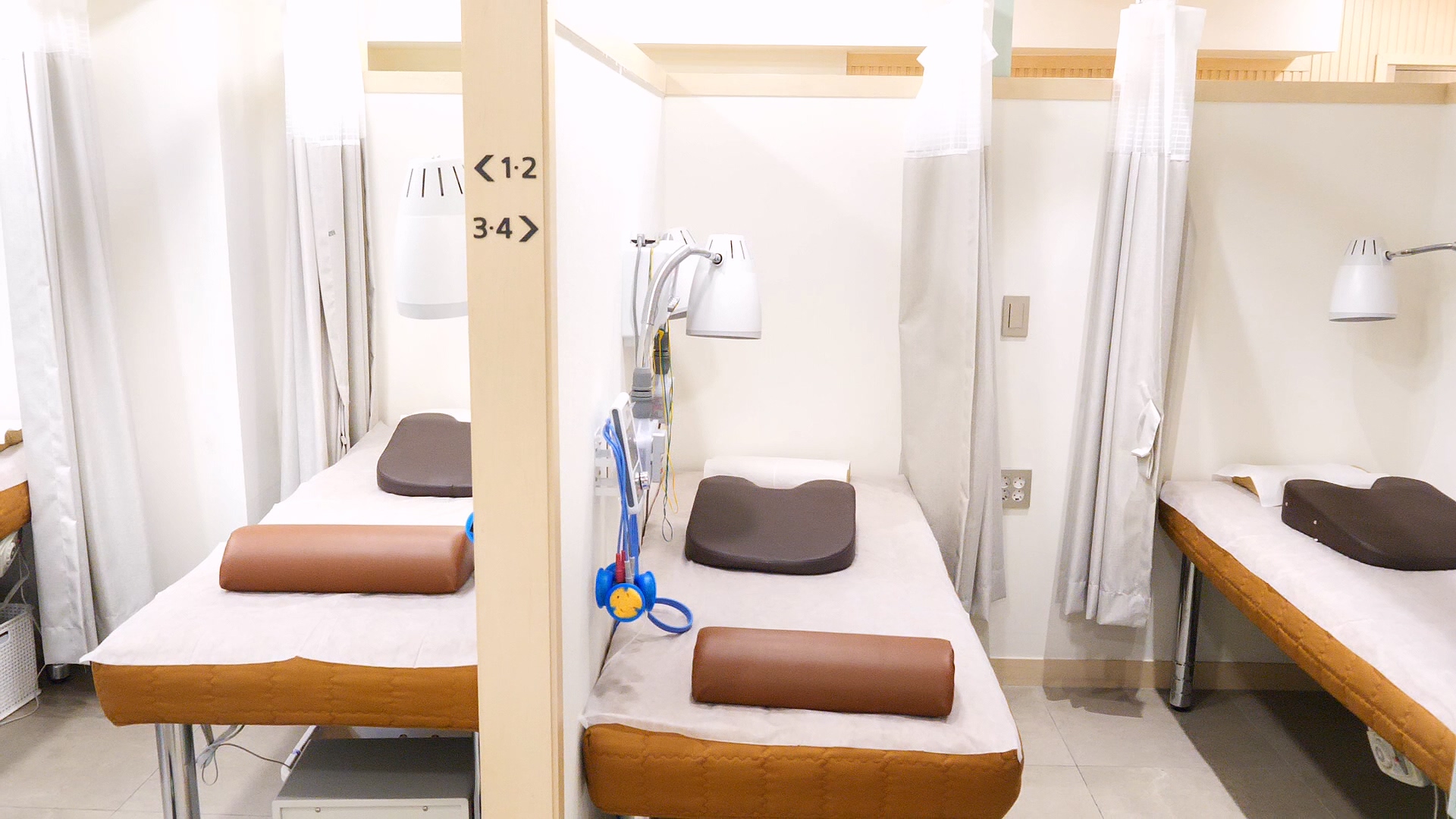
This comprehensive guide explores how structural integrity and neuromuscular harmony serve as the foundation for a healthy everyday life.
Structural Alignment and Neuromuscular Health
Traditional Korean Medicine for structural health defines the body's physical framework as a reflection of internal physiological stability and nerve function. Rather than isolating pain as an independent localized issue, this approach views symptoms—including chronic tension and neurological dysfunction—as results of systemic imbalances, such as poor circulation, autonomic dysfunction, or spinal deviations. By addressing these root causes, we aim to restore the natural regenerative capacity of the body through holistic methodologies.
The Core Principle: Internal Balance and Structural Integrity
In our clinical focus, we identify specific patterns of disharmony and structural misalignment that lead to chronic conditions. Based on clinical observations, many patients with chronic pain also report autonomic symptoms or internal discomfort, highlighting the interconnectedness of structural and internal health. By restoring metabolic equilibrium and structural symmetry, we provide the body with the environment necessary to repair tissues at the source. Bonecure prioritizes an efficient and impactful approach, ensuring that every patient receives a plan that targets both the visible symptoms and the underlying structural triggers for long-term resilience and health.
How Structural Alignment Influences Nerve Function and Vitality
Structural alignment is a critical factor in maintaining the pathways for nerve signaling and nutrient delivery. When the spine or neck is misaligned, it can compress vital nerves and vessels, potentially leading to sensory abnormalities or reduced blood flow to specific regions. In our practice at Bonecure, we have observed that patients with misaligned cervical curvature often suffer from nerve compression, which can manifest as various functional issues. Correcting the cervical curvature helps to decompress these pathways, improving microcirculation and nerve conductivity. Furthermore, a balanced autonomic nervous system, facilitated by a healthy spine, helps regulate the body's inflammatory responses. By integrating structural correction into daily care, we address the physical architecture that supports the nervous system, moving beyond the limitations of purely symptomatic interventions.
Innovative Approaches to Neuromuscular Recovery
Neuromuscular recovery in this context refers to the restoration of natural function and movement through the release of physical adhesions and the correction of underlying skeletal imbalances. At Bonecure, we utilize specialized tools to unlock the body's innate healing potential, focusing on the mechanical and biological aspects of the musculoskeletal structure. These techniques aim to revitalize the body's function, promoting a healthy, balanced state through natural tissue restoration.
Acupotomy Techniques for Releasing Chronic Muscle Adhesions
Acupotomy is a specialized form of acupuncture that utilizes a flat-headed needle to perform precise dissections of fibrotic tissues and adhesions. In neuromuscular treatments, these adhesions often form due to chronic muscle tension, repetitive strain, or postural issues, restricting movement and causing persistent pain. By strategically releasing these tissue adhesions, we stimulate a localized healing response that encourages the restoration of normal muscle length and function. In my clinical experience, releasing tension in the cervical and thoracic regions is vital for addressing conditions like cervical dystonia or back heat (Baeyeoljeung). This procedure aims for immediate functional improvement, though minor bruising or localized sensitivity may occur temporarily. As the tissue recovers, patients typically notice improved range of motion and reduced pain. Bonecure employs this technique to address the structural obstacles that prevent the body from reflecting its natural vitality.
Chuna Manual Therapy: Restoring Structural Balance and Function
Chuna Manual Therapy is a sophisticated technique where the practitioner uses their hands and specialized equipment to realign the musculoskeletal system, particularly the skull and spine. Chronic symptoms are often secondary to pelvic or spinal tilting, which creates uneven tension across the fascial networks of the body. By applying specific pressure to the cervical spine and other joints, we can restore balance to the body's structure. At Bonecure, we focus on these precise adjustments to ensure that the musculoskeletal system operates on a symmetrical and healthy foundation. This alignment supports better nerve signaling and reduces the risk of autonomic dysfunction. Patients often report that their body feels more balanced and functional after a series of structural correction sessions. This holistic realignment ensures that physical improvement is supported by a fundamentally sound and balanced structure.
Circulation and Nerve Function Recovery
Tissue regeneration is a biological process that relies heavily on the efficient delivery of nutrients through the vascular system and proper nerve innervation. When structural issues compromise circulation, the body's natural healing cycle can slow down, leading to persistent discomfort. We use specific techniques to stimulate peripheral vessels and decompress nerve pathways. Improved hemodynamics ensures that tissues receive a steady supply of nutrients necessary for repairing damage. In our clinical observations at Bonecure, we have noted that patients with optimized structural alignment show a better response to various treatments. Furthermore, efficient blood flow and nerve function prevent the buildup of metabolic waste products that can trigger inflammation or sensitivity. By focusing on the science of circulation and structural integrity, we empower the body to maintain its own health naturally.
Comparing Traditional Korean Medicine with Conventional Pain Management
Understanding the differences between the Bonecure approach and conventional pain management helps patients make informed decisions. While both fields aim to reduce pain, they utilize different philosophies. The following comparison highlights the unique strengths of the structural and holistic approach offered at Bonecure.
Structural Realignment vs. Symptom-Based Treatments
Structural realignment at Bonecure involves fixing the internal framework of the body to support long-term health, contrasting with treatments that focus only on suppressing temporary pain. Conventional management often relies on medication or localized injections to address symptoms. While these can provide temporary relief, they may not address the structural tension or circulatory issues that caused the symptoms. In contrast, our approach focuses on supporting the body's natural restorative processes through structural alignment. Please note that individual results may vary based on a patient's unique condition. By correcting the position of the vertebrae and releasing fibrotic adhesions, we improve the biological environment of the body. While symptomatic treatments might show immediate suppression of pain, structural changes provide a foundation for health that aims for sustainability. We believe that for lasting change, one must look to the bones and muscles that define our physical presence.
| Feature | Traditional Korean Medicine (Bonecure) | Conventional Pain Management |
|---|---|---|
| Primary Focus | Structural alignment and root causes | Symptom suppression and pain relief |
| Methodology | Acupotomy, Chuna, and Herbal Medicine | Medication, Injections, and Physical Therapy |
| Mechanism | Releasing adhesions and skeletal symmetry | Blocking pain signals or reducing local inflammation |
| Longevity | Aims for sustained health via maintenance | Focuses on periodic relief of symptoms |
| Side Effects | Potential temporary bruising or soreness | Potential systemic medication side effects |
| Invasiveness | Minimally invasive structural release | Ranges from non-invasive to surgical intervention |
A Comparative Look at Long-term Physical Resilience
Long-term physical resilience is determined by the body's ability to withstand stressors without losing its balance or health. Conventional approaches often focus on acute care for specific injuries. Korean Medicine, however, emphasizes building the body's strength from the inside out. By improving the health of the internal organs and the alignment of the spine, we ensure the body has a robust response to daily stress. At Bonecure, we aim to enhance the body's natural barrier and functional capacity. This focus on resilience means that our patients are less likely to experience a recurrence of symptoms once structural balance is achieved. By fostering a state of internal and structural health, we provide the tools needed to remain resilient for years to come, emphasizing quality of life over mere temporary fixes.
The Synergy of Herbal Medicine and Structural Correction
Herbal medicine and structural correction work together to create a synergistic effect addressing both chemical and mechanical aspects of health. At Bonecure, we recognize that structural adjustments are most effective when the body is chemically balanced and well-nourished. For instance, customized herbal formulas are designed to clear internal heat and tonify the blood, providing the necessary raw materials for tissue repair after acupotomy sessions. Conversely, a body that is properly aligned through Chuna therapy will distribute these nutrients more efficiently to all tissues. This integrated approach ensures that no part of the body is ignored. We have seen that this combined strategy often leads to more stable results than either therapy used in isolation. By harmonizing internal chemistry with physical structure, we create an environment where health can flourish naturally.
Holistic Strategies for Management and Maintenance
Holistic strategies involve a combination of clinical intervention and daily adjustments to maintain structural integrity. At Bonecure, we empower our patients to take an active role in their health journey. This proactive approach ensures that the benefits of clinical treatments are preserved through consistent, healthy habits in daily life.
Decompressing Nerve Pathways for Autonomic Balance
Proper nerve function is highly dependent on the posture of the neck and spine. A significant percentage of individuals spend hours looking down at devices, leading to compression of nerve pathways. This compression can cause chronic tension and autonomic symptoms, such as the "back heat" sensation (Baeyeoljeung) or digestive issues. Through targeted Chuna therapy at Bonecure, we restore the natural alignment of the cervical spine, opening up these vital pathways. Proper neck alignment can improve nerve flow and circulation, helping to clear sensory abnormalities and reduce inflammation. This structural correction acts as a natural restoration for the body's signaling system. By addressing the mechanical blockage of the nervous system, we provide a long-term solution for patients struggling with persistent discomfort related to poor posture and modern lifestyle habits.
Personalized Treatment for Chronic Conditions
Personalized plans are essential because every individual's structural makeup is unique. At Bonecure, we conduct an efficient yet thorough assessment, including an analysis of spinal alignment and movement. Based on this evaluation, we develop a multi-phased plan that may involve several sessions depending on the severity of the condition. For example, a patient with symptoms resembling parkinsonism or cervical dystonia might start with acupotomy to release fibrotic muscle tissue, followed by Chuna for alignment. We monitor progress using objective scales. It is important to note that while many experience improvements, individual results vary, and chronic conditions often require sustained effort. We also discuss potential side effects, such as temporary soreness, to ensure realistic expectations. These plans provide a roadmap for recovery that respects the body's natural pace of healing.
Daily Habits to Maintain Structural Integrity
Maintaining results requires a commitment to daily habits. At Bonecure, we recommend specific movements designed to counteract the effects of gravity and prolonged sitting. Simple adjustments, such as keeping digital screens at eye level, can prevent the recurrence of neck-related issues. Additionally, we emphasize a balanced lifestyle to support the body's regenerative capacity. Sleeping with supportive alignment can also prevent repetitive mechanical pressure on the spine. Our clinical observations indicate that patients who follow these daily maintenance protocols retain their treatment benefits for longer periods. We believe that health is a daily practice, and by integrating these changes, our patients can enjoy the lasting effects of their structural restoration. This holistic approach ensures that the health achieved in the clinic is sustained through awareness and proactive self-care.
You may also find these resources helpful:
- Facial Acupuncture for Anti-Aging: A 2026 Clinical Guide to Natural Rejuvenation and Structural Alignment
- A 2026 Clinical Guide to Traditional Korean Herbal Remedies: Restoring Internal Balance at Bonecure
Key Takeaways
- Traditional Korean Medicine treats physical health as a reflection of structural alignment and internal harmony.
- Bonecure utilizes acupotomy and Chuna therapy to release muscle adhesions and correct posture for functional restoration.
- Structural correction improves nerve conductivity and blood circulation, enhancing vitality from the inside out.
- Herbal medicine supports tissue regeneration and addresses systemic inflammation alongside physical therapy.
- Consistent daily habits are crucial for sustaining long-term results and preventing the recurrence of structural imbalances.
Frequently Asked Questions
Q. What is the primary focus of Bonecure Korean Medicine Clinic?
Bonecure focuses on identifying and treating the root causes of pain and functional disorders by restoring the body's structural alignment and internal balance. Rather than just suppressing symptoms, we aim to improve the body's natural healing capacity through specialized treatments like Chuna and acupotomy.
Q. Can correcting posture improve neurological symptoms?
Yes, misalignment in the spine can compress nerve pathways and blood vessels, leading to various neurological or autonomic symptoms. By restoring proper alignment, we help decompress these pathways, which can improve sensory issues, circulation, and overall nerve function.
Q. Are there any side effects to acupotomy (Dochim) treatment?
Acupotomy is a specialized procedure used to release deep muscle adhesions. While highly effective for restoring movement and reducing pain, temporary side effects like minor bruising, swelling, or localized soreness may occur. These are usually mild and resolve as the tissue undergoes natural healing.
Q. How long does it take to see results for chronic pain?
While some patients experience immediate relief in movement and comfort, chronic structural issues often require multiple sessions over several weeks. A personalized plan is developed based on the individual's condition, with consistent progress observed as structural integrity is restored.
Q. Is TKM effective for conditions like parkinsonism or dystonia?
Traditional Korean Medicine aims to manage symptoms and improve quality of life by addressing the physical and internal imbalances associated with these conditions. By releasing muscle adhesions and improving structural alignment, we help restore better movement and function. A specialized assessment is required for a personalized prognosis.
Q. Does Bonecure use aggressive surgical methods?
No, Bonecure focuses on minimally invasive structural restoration. We utilize specialized acupuncture (acupotomy), Chuna manual therapy, and herbal medicine to stimulate the body's own healing resources, avoiding the need for harsh synthetic chemicals or invasive surgery.
Q. How do I maintain the results of structural therapy?
Longevity of results depends on maintaining good posture and following the self-care protocols provided during treatment. Consistent maintenance, ergonomic adjustments in daily life, and specific stretching exercises are essential to prevent new structural imbalances from forming.
Should you have any further questions regarding your structural health, please reach out for a consultation. We are here to support your journey toward lasting wellness.
Bonecure / Dr. Song Jeong-hyeon
FAQ
- What is the primary focus of Traditional Korean Medicine regarding skin health?
- Traditional Korean Medicine focuses on treating the root cause of skin issues by balancing internal organs and ensuring proper structural alignment. Instead of merely treating the skin's surface with chemicals, it aims to restore the body's natural regenerative capacity. This holistic approach ensures that the skin reflects a state of true internal health and physiological harmony.
- Can correcting posture really improve my skin's appearance?
- Yes, posture plays a critical role because misalignment in the spine and neck can hinder blood circulation and lymphatic drainage. When these pathways are compressed, the skin may appear dull, puffy, or lose its elasticity. At Bonecure, we focus on spinal health to support the natural delivery of nutrients and the efficient removal of waste from the facial tissues.
- Are there any side effects to treatments like acupotomy for the face?
- Acupotomy is a specialized procedure that involves releasing deep tissue adhesions with a fine tool. While it is highly effective for improving skin texture and symmetry, temporary side effects like minor bruising, swelling, or localized sensitivity may occur. These symptoms are typically mild and resolve quickly as the tissue undergoes natural regeneration and healing.
- How long does it take to see visible results in skin texture and tone?
- While some patients experience immediate improvements in circulation and comfort, significant structural changes and skin regeneration typically require time. A standard course of treatment might involve multiple sessions over several weeks, depending on the individual's condition and goals. Consistent progress is usually observed as the body's structural integrity and internal balance are gradually restored.
- Is TKM effective for chronic inflammatory skin conditions?
- Traditional Korean Medicine aims to reduce systemic inflammation by restoring the body's self-healing mechanisms and improving overall circulation. By addressing metabolic imbalances and structural stress, it can help manage the underlying triggers of chronic inflammation. Since every patient's biological response is unique, a detailed consultation is required to develop a personalized and effective prognosis.
- Does Bonecure use chemical-based topical treatments?
- Bonecure prioritizes natural healing and structural restoration, avoiding the use of harsh synthetic chemicals or fillers. We utilize specialized acupuncture, acupotomy, and manual therapies to stimulate the body's own internal resources for skin health. Our goal is to empower the skin to repair and maintain itself through optimized physiological functions and structural balance.
- Are the results of structural skin therapy permanent?
- The longevity of results largely depends on maintaining the corrected posture and healthy lifestyle habits established during treatment. While structural release provides long-term benefits by removing adhesions, the body is still subject to daily stressors. Consistent maintenance and following the recommended self-care protocols are essential to prevent new imbalances from forming and to preserve your radiance.