
Post
Identifying Symptoms of Sudden Deafness: A 2026 Clinical Guide by Bonecure
Hello, I am Dr. Jeong-hyeon Song, a Korean medicine practitioner who has specialized in Acupotomy and structural restoration for many years.
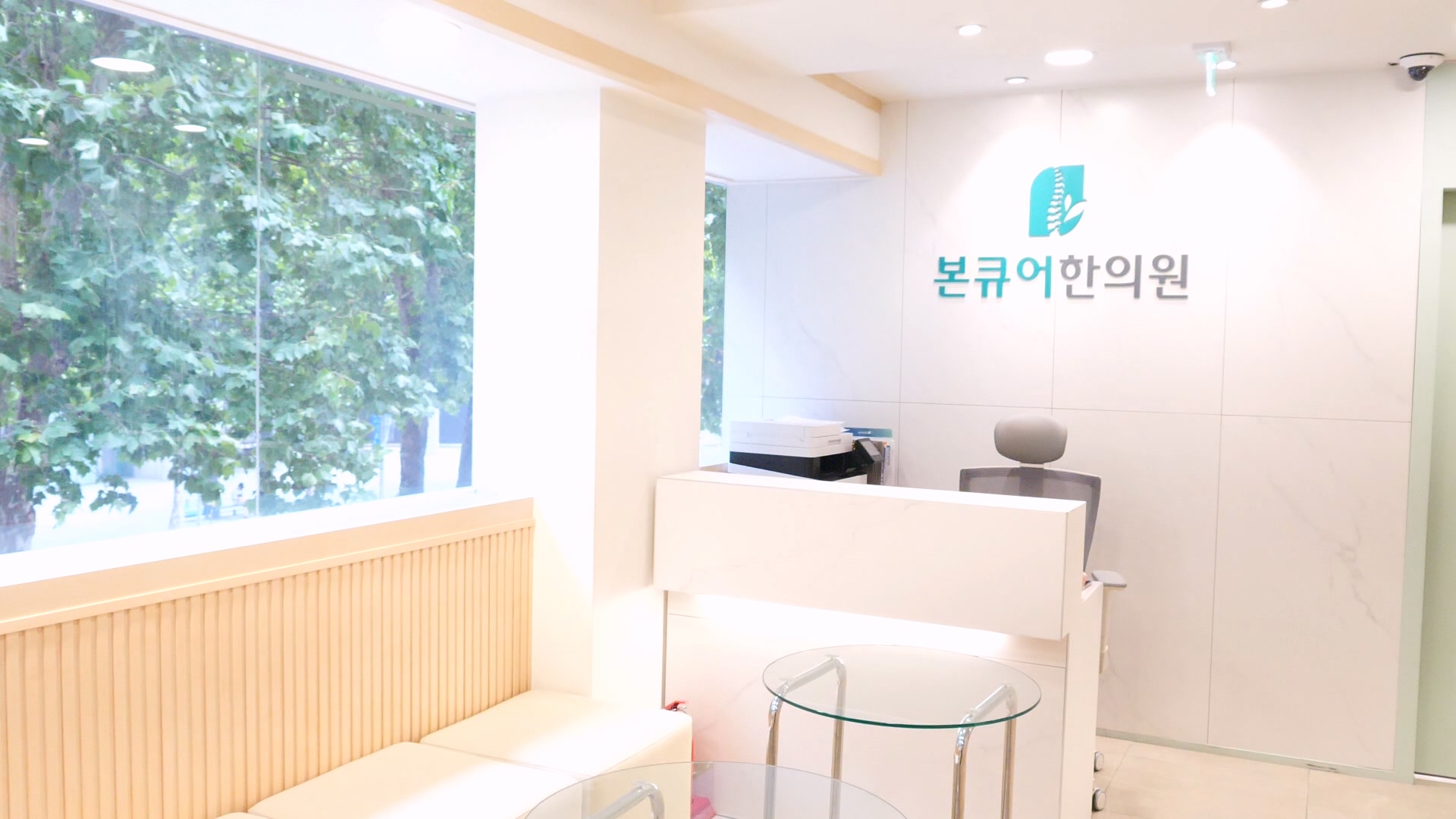
Symptoms of sudden deafness are characterized by a rapid, often unexplained loss of hearing in one ear that occurs almost instantly or over a few days. This article explains the clinical warning signs and the importance of structural health in the recovery process to help you take immediate action.
Understanding Symptoms of Sudden Deafness and Early Warning Signs
Sudden Sensorineural Hearing Loss (SSHL), commonly referred to as sudden deafness, is a medical emergency where hearing drops significantly over a short period. It is typically defined as a loss of at least 30 decibels across three connected frequencies within a 72-hour window.
Common Red Flags: Sudden Loss, Fullness, and Tinnitus
Identifying the symptoms of sudden deafness is the first step toward preventing permanent auditory damage. The most prevalent sign is a noticeable decrease in hearing sensitivity, usually isolated to one ear, which occurs abruptly or over a short duration of less than three days. Many patients describe an unusual sensation of ear fullness or pressure, similar to the feeling when an airplane changes altitude. Tinnitus, characterized by a persistent ringing or buzzing sound, often accompanies the hearing loss and can be highly distressing. In some instances, vertigo or dizziness occurs, indicating that the vestibular system within the inner ear might also be affected. Recognizing these red flags allows for a timely intervention, increasing the likelihood that patients can maintain their quality of life and potentially recover their hearing through appropriate clinical pathways and structural assessments.
Traditional Medicine Clinical Notes on the 72-Hour Golden Window
In both Western and Korean medicine, the first 72 hours after the onset of hearing loss are considered the golden window for treatment. Early intervention is crucial because the delicate hair cells in the cochlea can suffer irreversible damage if blood flow is not restored quickly. During this period, the inflammation of the auditory nerve is at its peak, and reducing this swelling is the primary clinical goal. Korean medicine practitioners observe that patients who seek care within this timeframe often show a higher rate of recovery compared to those who wait longer. Clinical experience suggests that the body's self-healing mechanisms are most responsive immediately following the initial trauma. By combining immediate diagnostic tests with therapies that enhance circulation and nerve function, we aim to minimize permanent loss. Delaying care beyond the first week significantly decreases the statistical probability of a full recovery, making it vital to act the moment symptoms appear.
The Structural Connection: How Spinal Alignment Affects Hearing
The auditory system does not function in isolation, and the structural integrity of the upper cervical spine plays a vital role in nerve health. Misalignments in the neck can create mechanical stress that impacts the vascular and neurological pathways leading to the ear.
Analyzing the Link Between the Cervical Spine and Auditory Nerves
The relationship between the cervical spine and the auditory nerves is rooted in the complex anatomy of the upper neck. The first and second cervical vertebrae, known as the atlas and axis, house critical pathways for blood vessels like the vertebral arteries that supply the inner ear. If these vertebrae are misaligned, they can cause tension in the surrounding soft tissues, potentially restricting microcirculation to the auditory system. Furthermore, the nerves responsible for hearing and balance pass through narrow channels near the skull base. Any structural imbalance in this area may lead to nerve irritation or interference. Practitioners of structural medicine look for these imbalances to understand why the auditory system might be compromised. Correcting the alignment of the cervical spine is not just about posture; it is about ensuring that the neurological and vascular environment is optimized for sensory recovery. Maintaining a neutral spinal position can support the long-term health of the delicate hearing organs.
How Nerve Adhesions Can Compromise Sensory Function
Chronic tension and repetitive stress often lead to the formation of adhesions in the fascia and muscles surrounding the cervical nerves. These adhesions are essentially scar tissues that bind different layers of tissue together, restricting natural movement and creating internal pressure. When these adhesions form near the auditory pathways, they can compress the nerves or the small blood vessels that nourish them. This compression may result in symptoms of sudden deafness or persistent tinnitus by disrupting the signals sent from the ear to the brain. In many cases, patients with sudden hearing loss also report a history of neck stiffness or chronic headaches, which points toward an underlying structural issue. By addressing these adhesions through precise detachment, we can release the physical bottlenecks that prevent the auditory nerve from functioning correctly. Restoring the elasticity and movement of the deep tissues in the neck is a critical component of a comprehensive recovery plan for those experiencing sudden changes in their hearing thresholds.
Integrative Treatment at Bonecure: The Role of Acupotomy
At Bonecure, we utilize advanced integrative techniques to address both the symptoms and the underlying structural causes of hearing loss. Our primary focus is on identifying root causes and restoring the body’s overall balance rather than simply managing symptoms.
Utilizing Knife-Needle Therapy for Nerve Decompression
Acupotomy, a specialized therapy using a knife-needle tool, is a cornerstone of the treatment protocol at Bonecure. This procedure involves the precise release of thickened ligaments and fibrous adhesions that are compressing the nerves and blood vessels in the upper cervical region. By creating micro-releases in the stubborn, calcified tissues, Acupotomy is intended to help manage and reduce the internal pressure on the auditory system. This decompression is essential for restoring proper blood flow to the cochlea. Unlike standard acupuncture, this method physically breaks down the structural barriers to healing. My clinical philosophy is built on achieving immediate and perceptible changes; we focus on ensuring the patient can feel the improvement in their symptoms right away as the structural alignment is restored.
Combining Chuna Manual Therapy with Specialized Acupuncture
To complement the deep tissue release of Acupotomy, Bonecure incorporates Chuna manual therapy to realign the skeletal structure. Chuna is a traditional Korean manipulative technique that uses the practitioner’s hands to correct the positioning of the vertebrae and joints. By gently guiding the cervical spine back into its proper alignment, we can ensure that the results of the nerve decompression are long-lasting. This holistic approach also includes specialized acupuncture designed to stimulate the autonomic nervous system and reduce inflammation. By addressing both the soft tissue adhesions and the bone alignment, we provide a dual-layered strategy for recovery. At Bonecure, we do not require patients to commit to a fixed number of sessions before seeing results. Instead, each treatment is designed to be impactful and efficient, focusing on the immediate normalization of structural function.
Sudden Hearing Loss Symptoms and Structural Recovery: A 2026 Clinical Guide by Bonecure
Comparing Treatment Approaches for Sudden Deafness
Choosing the right path for recovery involves understanding the differences between standard medical interventions and integrated structural care. Both approaches have specific roles in the clinical management of hearing loss.
Standard Steroid Therapy versus Structural Realignment
The conventional medical approach to sudden deafness usually involves high-dose corticosteroids to reduce systemic inflammation. This is often the first line of defense and is highly effective for many patients when administered within the first few days. However, steroids focus primarily on the chemical and inflammatory aspects of the condition and may not address mechanical issues. Structural realignment, on the other hand, focuses on the physical environment surrounding the nerves. By correcting cervical posture and releasing muscle adhesions, this approach seeks to remove the root cause of nerve irritation. While steroids provide a rapid anti-inflammatory effect, structural therapy aims for sustainable recovery by improving the baseline health of the neck and skull base. Integrating both approaches often offers the most balanced path to recovery.
Choosing a Korean Traditional Medicine Clinic Cheongdam for Care
Selecting a specialized clinic in the Cheongdam area, such as Bonecure, allows patients to access a high level of expertise in structural Korean medicine. We utilize advanced diagnostic tools, such as whole-spine X-rays, to analyze the exact nature of a patient's spinal curvature. Our focus is on a patient-centered approach that seeks the root of the dysfunction through personalized treatment plans. The expertise found in a professional setting ensures that every procedure, particularly Acupotomy, is performed with precision. A dedicated clinic provides a calm, therapeutic environment where patients can focus on their healing journey with the support of a team dedicated to structural and neurological restoration.
| Feature | Standard Steroid Therapy | Structural Recovery (Bonecure) |
|---|---|---|
| Primary Goal | Reduce inflammation chemically | Decompress nerves and align structure |
| Mechanism | Systemic medication | Acupotomy and Chuna manipulation |
| Focus Area | Inner ear hair cells | Cervical spine and nerve pathways |
| Timing | Best within 72 hours | Effective in both acute and chronic stages |
| Method | Oral or intratympanic injection | Manual and tool-based physical release |
| Side Effects | Weight gain, sleep issues, gastric upset | Temporary soreness, minor bruising |
Scientific Evidence and Patient Recovery Considerations
Understanding the evidence behind structural treatments helps set realistic expectations for patients. Clinical data provides a foundation for modern Korean medicine practices.
Case Report Analysis: Significant Improvements in Hearing Thresholds
In my clinical practice at Bonecure, I have documented case reports highlighting the progress of patients dealing with SSHL and related symptoms. For example, some individuals with sudden hearing loss or Meniere's-like symptoms have shown significant auditory improvement following consistent structural care. These reports indicate that addressing cervical alignment and nerve compression may help facilitate the body's natural healing process. However, it is essential to understand that these outcomes are specific to the individuals in the case studies. Results for sudden deafness vary based on the severity of the initial hearing loss and the duration of symptoms. While clinical evidence suggests a positive correlation between structural restoration and sensory improvement, Bonecure emphasizes that success is not guaranteed for every patient and results may vary.
A 2026 Clinical Guide to the Root Causes of Tinnitus: A Structural Perspective at Bonecure
Potential Side Effects and Safety Guidelines for Acupotomy
While Acupotomy is a highly effective tool for structural recovery, it is important to be aware of the potential side effects. At Bonecure, we prioritize patient safety by following strict clinical guidelines and using sterilized equipment. Some patients may experience temporary soreness, a dull ache, minor bruising, or a small amount of bleeding at the treatment site, which typically resolves quickly. In very rare cases, complications like infection could occur, though this is mitigated through professional hygiene standards. Patients with certain blood-clotting disorders should consult their physician before undergoing treatment. Because results differ based on the individual’s health status, we focus on immediate structural improvement, though the number of sessions required for long-term stabilization is determined purely by the patient's individual response and physical changes.
Understanding Acupotomy Treatment Cost and Clinical Benefits: A 2026 Structural Guide
Frequently Asked Questions
Q. What are the most common symptoms of sudden deafness?
Symptoms usually include a rapid loss of hearing in one ear over a period of 72 hours or less. Patients often describe a feeling of fullness, pressure, loud tinnitus, or sudden dizziness. It is a medical emergency that requires immediate attention.
Q. Why is structural health important for hearing recovery?
The auditory nerves pass near the cervical spine, particularly the upper vertebrae. Structural misalignment can lead to nerve compression or poor circulation, which may hinder the ear's ability to recover. Aligning the spine ensures a better environment for the nerves.
Q. How does Acupotomy help with hearing issues?
Acupotomy uses a specialized tool to release tight adhesions in the soft tissues around the neck and skull base. This helps restore blood flow and reduce pressure on the nerves involved in hearing. It physically addresses the mechanical causes of nerve irritation.
Q. Are there any side effects to the treatments at Bonecure?
While generally safe, some patients may experience temporary soreness, minor bruising, or slight bleeding. These symptoms are usually mild and resolve quickly. We follow strict safety protocols to minimize any risks of infection or serious complications.
Q. What is the success rate for treating sudden deafness with Korean medicine?
Recovery varies significantly based on how quickly treatment begins and the severity of the initial loss. Clinical case reports show significant improvement for many, though results are not guaranteed for every individual. Early intervention is the most important factor.
Q. How many sessions are typically required to see an improvement?
We do not follow a rule that requires 10 or 20 sessions before seeing results. At Bonecure, our goal is to achieve immediate, perceptible changes in the patient's symptoms from the first few treatments. The total plan is customized based on how your body responds and stabilizes.
Q. What is the cost of treatment at Bonecure?
Treatment costs vary depending on the combination of therapies such as Acupotomy and Chuna manual therapy. We recommend a consultation to provide a specific cost estimate based on your individual needs and the complexity of your structural issues.
Key Takeaways
- Act Fast: The 72-hour golden window is critical for recovery in cases of sudden hearing loss.
- Recognize Signs: Symptoms like ear fullness, ringing, and sudden hearing drops are red flags.
- Structural Focus: Misalignment in the cervical spine can impede the healing of auditory nerves.
- Immediate Results: Bonecure focuses on immediate symptom improvement through personalized Acupotomy and Chuna therapy without fixed session requirements.
- Individual Results: While many see improvement, outcomes depend on the severity and timing of the treatment.
If you are experiencing any changes in your hearing, immediate clinical evaluation is essential for your recovery.
Bonecure / Dr. Jeong-hyeon Song
FAQ
- What are the most common symptoms of sudden deafness?
- Symptoms usually include a rapid loss of hearing in one ear over a period of 72 hours or less. Patients often describe a feeling of fullness, pressure, loud tinnitus, or sudden dizziness. It is a medical emergency that requires immediate attention.
- Why is structural health important for hearing recovery?
- The auditory nerves pass near the cervical spine, particularly the upper vertebrae. Structural misalignment can lead to nerve compression or poor circulation, which may hinder the ear's ability to recover from sudden deafness. Aligning the spine ensures a better environment for the nerves.
- How does Acupotomy help with hearing issues?
- Acupotomy uses a specialized tool to release tight adhesions in the soft tissues around the neck and skull base. This helps restore blood flow and reduce pressure on the nerves involved in hearing, which is essential for sensory restoration. It physically addresses the mechanical causes of nerve irritation.
- Are there any side effects to the treatments at Bonecure?
- While generally safe, some patients may experience temporary soreness at the treatment site, minor bruising, or slight bleeding. These symptoms are usually mild and resolve quickly. We follow strict safety protocols to minimize any risks of infection or serious complications.
- What is the success rate for treating sudden deafness with Korean medicine?
- Recovery varies significantly based on how quickly treatment begins and the severity of the initial loss. Clinical case reports show significant improvement for many, though results are not guaranteed for every individual. Early intervention within the 72-hour window is the most important factor.
- How many sessions are typically required to see an improvement?
- Acute cases may require intensive treatment over several weeks to capture the healing window. Chronic or severe cases often require a personalized plan involving 10 to 20 sessions to stabilize structural and nerve function. Every patient receives a customized plan based on their diagnosis.
- What is the cost of treatment at Bonecure?
- Treatment costs vary depending on the combination of therapies such as Acupotomy and Chuna manual therapy. Because each case of sudden deafness is unique, we recommend a consultation to provide a specific cost estimate based on your individual needs and the complexity of your structural issues.