
Post
Sudden Hearing Loss Clinical Guide: A Structural Perspective by Bonecure
A sudden hearing loss recovery review provides an essential roadmap for patients who have experienced an unexpected drop in their auditory capabilities.
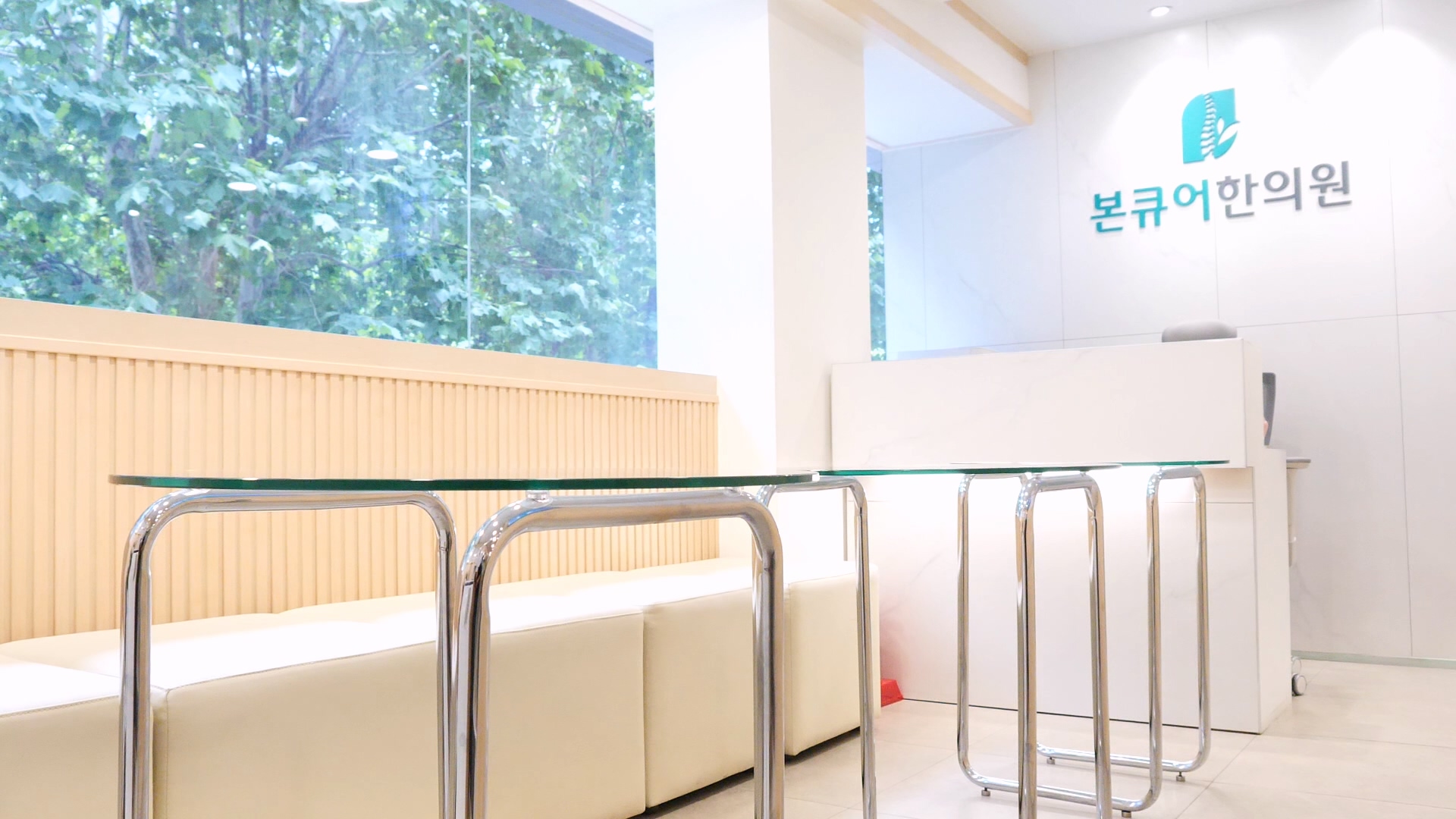
This guide explores how structural alignment and specialized Korean medicine can support the body's natural healing process during this critical time. Understanding the connection between spinal health and ear function is key to achieving a stable and long-term recovery outcome.
Hello. I am Dr. Song Jeong-hyeon, a Korean medicine practitioner who has specialized in acupotomy for many years at Bonecure. In my clinical experience, I have seen how the structural integrity of the cervical spine plays a vital role in auditory health. Today, I want to share insights into the sudden hearing loss recovery review process and how we approach this complex condition from a structural perspective.
Understanding Sudden Hearing Loss Recovery Through Clinical Insights
Sudden sensorineural hearing loss (SSNHL) is a medical urgency defined as a rapid loss of hearing of at least 30 decibels across three contiguous frequencies within 72 hours. This condition requires immediate clinical attention to preserve the function of the auditory nerve and the delicate structures within the cochlea. Understanding the physiological mechanisms behind this loss is the first step toward building an effective recovery plan that addresses both the symptoms and the underlying structural causes.
Defining Sudden Sensorineural Hearing Loss and the Critical Window
Sudden sensorineural hearing loss often appears as an unexplained, rapid loss of hearing in one or both ears. Clinical standards define this condition as a decrease of at least 30 decibels occurring across three or more frequencies. This change happens within a timeframe of 72 hours or less. Medical experts emphasize that the first three days are the most critical window for intervention. At Bonecure, we prioritize a specialized clinical assessment to maximize the chances of nerve preservation. While some patients notice a popping sound or a feeling of fullness before the loss, others wake up with a noticeable deficit. Timely intervention is the cornerstone of any positive sudden hearing loss recovery review in modern clinical practice.
Why Structural Health Impacts Auditory Function
Structural health refers to the alignment of the spine and the tension levels in the surrounding musculoskeletal tissues. In my clinical experience at Bonecure, I have observed that cervical spine misalignments can contribute to circulatory issues in the inner ear. The auditory nerve relies on consistent blood flow and clear neural pathways to transmit signals effectively to the brain. When the neck structures are compromised, they may put pressure on the vertebral arteries or autonomic nerves. This mechanical stress can hinder the body's natural ability to repair auditory damage. My research into spinal curvature abnormalities shows that correcting these structural defects often correlates with improved sensory outcomes. While hearing loss is often viewed solely as an internal ear problem, looking at the entire upper body structure provides a more comprehensive view of the patient's health. By focusing on these structural foundations, we create an environment where the auditory system can potentially function with fewer mechanical obstructions.
An Overview of Integrative Recovery Pathways at Bonecure
Bonecure offers a specialized approach that combines traditional Korean medicine with modern structural insights. Our pathway focuses on releasing deep-seated tissue adhesions that may be impacting the neurovascular bundles connected to the ear. During the recovery process, we review diagnostic results from external medical institutions and use symptom-specific questionnaires to monitor changes in hearing levels and overall physiological balance. We often see that patients who address their structural issues alongside conventional treatments report a more holistic sense of improvement. It is important to note that every sudden hearing loss recovery review is unique because biological responses vary between individuals. Our clinic in Cheongdam provides a professional environment where we customize each plan based on clinical data. We typically evaluate progress after every 10 sessions to ensure the treatment trajectory is appropriate for the patient's specific condition.
The Bonecure Approach: Acupotomy and Structural Alignment
Acupotomy is a specialized form of acupuncture using a blade-like needle to release adhesions in soft tissues and restore nerve function. When combined with structural spinal alignment, this approach aims to remove mechanical barriers to circulation and neural transmission. This integrative method focuses on the physical framework of the body as a primary driver for sensory recovery, particularly when conventional pharmacological treatments have reached their limits.
How Acupotomy Therapy Addresses Tissues and Nerve Compression
Acupotomy is a primary tool we use at Bonecure to treat the physical constraints surrounding the auditory pathways. This technique uses a specialized needle with a small blade at the tip to release thickened or adhered connective tissues. In many cases of hearing loss, the fascia and muscles around the upper cervical spine become chronically tight. These adhesions can compress the nerves and blood vessels that supply the inner ear. By precisely targeting these areas, we can reduce the mechanical pressure on the neural structures. In chronic cases, we have observed that persistent structural release can help alleviate long-standing symptoms by addressing deep-seated adhesions. However, it is important to remember that this procedure involves deep tissue work. While it can be effective, it may also cause temporary soreness, local pain, or minor bruising at the site. Individual results vary depending on the severity and duration of the condition.
Spinal Realignment and Its Role in Ear Blood Circulation
The relationship between the cervical spine and auditory health is a focal point of my clinical practice at Bonecure. When the vertebrae in the neck are misaligned, they can interfere with the vertebral artery, which is a major source of blood for the auditory system. Proper alignment ensures that the vessels can provide the oxygen and nutrients required for the delicate hair cells in the cochlea to survive. We utilize Whole Spine X-ray data (referred out to specialized centers) to identify these hidden structural issues. Correcting a forward head posture or a loss of the natural cervical curve can sometimes alleviate the vascular stress associated with hearing deficits. While results are not guaranteed, restoring the physical framework of the body often supports the neurological healing process. We have seen that consistent alignment work helps stabilize the internal environment of the ear. This structural stability is often reflected in more consistent results during a sudden hearing loss recovery review.
Traditional Medicine Clinical Notes on Auditory Nerve Support
In Korean medicine, we look beyond the physical structure to the functional vitality of the auditory nerve. At Bonecure, we use herbal prescriptions and specialized acupuncture to support the nervous system from within. These traditional methods are designed to reduce oxidative stress and inflammation that might be damaging the nerve fibers. My clinical notes often highlight the synergistic effect of combining physical tissue release with internal systemic support. We monitor these outcomes using symptom-specific scales to track the degree of improvement. It is important to note that individual responses to treatment can vary significantly. It is vital to recognize that these functional improvements often require time and multiple treatment sessions. Most patients begin to see a shift in their symptoms after a consistent course of 10 to 20 treatments. This comprehensive approach ensures we are addressing both the vessel and the signal in auditory recovery.
Analyzing Patient Progress and Recovery Review Trends
Monitoring recovery progress involves the review of external audiograms and subjective symptom tracking to assess the effectiveness of structural interventions. By analyzing trends in hearing thresholds reported by specialists and gathering patient feedback through standardized scales, we can refine treatment protocols to better suit individual needs. This data-driven approach ensures that the recovery journey is transparent and that adjustments are made based on objective evidence of neurological and sensory improvement.
A Case Study: Notable Auditory Recovery in a Specific Patient
In clinical practice, patients who seek help within the critical 72-hour window often present with significant tension in the suboccipital muscles and cervical misalignments. By addressing these structural issues through acupotomy and realignment, we aim to support the return of functional hearing levels. In one specific case under my care, a patient who integrated structural therapy with their existing medical regimen showed a marked improvement in hearing clarity after several sessions. Clinical observations suggest that early intervention is a key factor in recovery, though outcomes depend on individual variables such as age and underlying health conditions. Structural intervention is designed to complement the body's innate healing capacity by optimizing the physical environment of the auditory system.
Interpreting Hearing Scale Improvements from Pre to Post Treatment
Evaluating a sudden hearing loss recovery review requires a careful analysis of both subjective and objective data. At Bonecure, we track patient progress using symptom-specific questionnaires such as the Tinnitus Handicap Inventory (THI) and by reviewing decibel (dB) scale changes from external hearing tests. For example, a decrease in the hearing threshold from 70 dB to 30 dB as reported by an external audiometry center indicates a significant gain in auditory sensitivity. Our goal is to move patients toward minimal symptom impact through consistent structural care. These metrics provide a concrete way to measure how a patient is responding to structural realignment and acupotomy. However, these scales must be interpreted with caution. A numerical improvement does not always equate to a perfect return to original hearing. Some patients may still experience residual symptoms like a faint ringing or a feeling of slight distortion.
Why Individual Factors Influence Recovery Durations
The timeline for hearing restoration is highly variable and depends on several personal and clinical factors. At Bonecure, we find that younger patients often demonstrate a more rapid response to tissue release and alignment therapies. Conversely, patients with chronic conditions like diabetes or long-standing cervical disc issues may require a more extended treatment plan. The duration of the hearing loss before the first treatment is a significant predictor of the recovery rate. Clinical data suggests that those who begin care within the first 72 hours have a higher probability of a positive outcome. Furthermore, the severity of the initial loss dictates how many sessions are needed. We typically suggest an initial block of 10 sessions to observe the body's response. While some may see changes in 5 sessions, others might need up to 20 or more to achieve stability. Recognizing these individual differences is crucial for a successful and patient-centered recovery process.
Comparing Conventional and Korean Traditional Medicine for Hearing Loss
Comparing treatment modalities allows patients to understand the difference between anti-inflammatory pharmacological approaches and structural restoration methods. While Western medicine often focuses on systemic chemicals to suppress inflammation, Korean traditional medicine at Bonecure emphasizes the physical environment of the auditory nerve. Understanding these differences helps patients make informed decisions about pursuing integrated care for optimal hearing outcomes.
| Feature | Steroid Therapy (Conventional) | Structural Restoration (Bonecure) |
|---|---|---|
| Primary Goal | Reduce acute inflammation and swelling | Release tissue adhesions and align spine |
| Mechanism | Pharmacological (Chemical) | Physical (Acupotomy & Alignment) |
| Treatment Window | Best within the first 72 hours | Effective early, but addresses chronic issues |
| Common Tools | Oral or intratympanic steroids | Specialized blade-needles and manual therapy |
| Focus Area | Inner ear (Cochlea) | Cervical spine, nerves, and blood vessels |
| Delivery Method | Medication or local injection | Minimally invasive physical procedures |
Synergistic Effects of Integrated Care Models
Integrated care models combine the rapid anti-inflammatory action of Western medicine with the structural support of Korean traditional medicine. At Bonecure, many of our patients come to us while also receiving steroid treatments from their specialists. We believe these two approaches can work together to address both the immediate inflammation and the underlying structural causes. While steroids aim to reduce swelling in the inner ear, our focus is on ensuring the blood flow and nerve conduction pathways are physically unobstructed. This dual approach can potentially create a more favorable environment for the auditory hair cells to recover. However, it is important to coordinate these treatments under the guidance of licensed professionals. We ensure that our acupotomy and alignment procedures do not interfere with pharmacological interventions. By addressing the ear from multiple angles, we provide a more comprehensive support system.
Managing Expectations: What Every Patient Should Know
It is important for every patient to have a realistic understanding of the recovery process. At Bonecure, we emphasize that while structural restoration can support the auditory system, it is not a guaranteed cure for everyone. The human body is complex, and the delicate structures of the inner ear are sensitive to damage. Some patients may achieve a full return to their previous hearing levels, while others may only see partial improvements. We also highlight that treatments like acupotomy involve a physical sensation that can be uncomfortable for some. Patients should be prepared for potential side effects such as temporary site pain, localized soreness, or minor bruising. Furthermore, recovery is often a gradual process rather than an overnight fix. Patience and consistency are required, especially for those who have lived with hearing issues for a longer period. We provide transparent communication about these limitations to ensure that every patient feels informed throughout their individual treatment journey.
The Bonecure Clinical Experience in Cheongdam
The clinical experience in Cheongdam is designed to provide evidence-based Korean traditional medicine in a professional setting. We focus on integrating historical medical wisdom with contemporary anatomical research to offer patients a unique perspective on hearing health. Our clinic specializes in treating complex cases of sudden hearing loss and tinnitus through a structured, patient-centered approach led by my years of experience in acupotomy.
What to Expect During Your Initial Consultation at Bonecure
Your first visit is a comprehensive process designed to identify the structural factors related to your auditory concerns. I will begin by reviewing your medical history and the specific details of your hearing loss onset. At Bonecure, we perform a thorough physical examination focusing on the cervical spine, jaw, and upper back structures. We also review any previous audiograms or imaging results you have obtained from other medical centers. This allows us to create a customized treatment plan that addresses your unique structural misalignments. We take the time to explain how acupotomy and alignment might benefit your case. You will have the opportunity to ask questions about the procedure, the expected number of sessions, and any concerns regarding side effects. Our goal is to provide a clear roadmap for your recovery based on trust and evidence-based care.
Addressing Potential Side Effects and Treatment Limitations
While our methods at Bonecure are designed to be minimally invasive, it is essential to discuss potential risks. Acupotomy involves the use of specialized needles to release deep tissue adhesions, which can naturally result in some local discomfort. Patients may experience temporary soreness at the treatment site, minor bruising, or, in very rare cases, a localized infection. We maintain strict hygiene protocols to minimize these risks. It is also important to understand that structural medicine has its limitations. For example, if the auditory nerve has suffered permanent damage from a severe viral infection or long-term neglect, the degree of recovery may be limited. We cannot guarantee specific results or a 100% restoration of hearing. Each patient’s biology reacts differently to the treatment stimulus. We encourage patients to maintain an open dialogue with us regarding any side effects or concerns they have during their course of care.
The Long-term Importance of Maintaining Structural Balance
Achieving a positive outcome in a sudden hearing loss recovery review is only the first step. At Bonecure, we emphasize the importance of maintaining structural balance to prevent future issues. The cervical spine and the surrounding tissues require ongoing care, especially in our modern era of heavy digital device usage. Poor posture can lead to the recurrence of the very tensions and misalignments that initially hindered auditory circulation. We provide our patients with specific exercises and lifestyle recommendations to support their long-term spinal health. Regular check-ups can help identify minor shifts in alignment before they become significant problems. By keeping the musculoskeletal framework in optimal condition, you provide the best possible environment for your nervous system to function. Our commitment to your well-being extends beyond the initial recovery phase.
Frequently Asked Questions
Q. What constitutes a successful sudden hearing loss recovery review?
A successful recovery review typically involves an objective improvement in decibel levels as measured by external audiograms, alongside a reduction in subjective symptoms like tinnitus or fullness. However, results are highly individual and vary based on the severity of the initial loss. It is important to look at both numerical data and the quality of life improvements reported by the patient.
Q. How soon should I seek treatment at Bonecure after hearing loss starts?
The first 72 hours are considered critical for intervention in cases of sudden hearing loss. While Dr. Song Jeong-hyeon has observed progress in chronic cases, early intervention combined with structural alignment generally offers the most favorable conditions for auditory nerve recovery. Seeking help immediately increases the chances of addressing vascular stress before permanent nerve damage occurs.
Q. Are there any side effects to Acupotomy or Chuna therapy for hearing?
Acupotomy therapy involves specialized needles that may cause temporary local pain, soreness, or minor bruising. It is essential to discuss your medical history with Dr. Song to minimize risks. Most side effects are mild and resolve within a few days of the treatment session.
Q. Does Bonecure guarantee a full recovery of hearing?
No medical provider can guarantee a 100% cure or specific results for sudden hearing loss. Outcomes depend on the patient's age, the presence of underlying conditions, and how quickly treatment began. Bonecure focuses on optimizing structural health to support the body's natural recovery capacity rather than promising absolute outcomes.
Q. Can I receive Korean traditional medicine alongside Western steroid treatments?
Yes, many patients pursue an integrated approach by combining Western and Eastern care. While Western medicine focuses on reducing acute inflammation, Bonecure aims to address the structural and circulatory causes that may hinder the healing process. We recommend coordinating these treatments under professional guidance.
Q. What is the typical number of sessions required for results?
Based on clinical notes, progress is often assessed after an initial course of 10 to 20 sessions. However, some complex or chronic cases may require more intensive or long-term care to achieve stability in hearing levels. We perform regular evaluations every 10 sessions to monitor progress and adjust the treatment plan accordingly.
Q. Does Bonecure perform in-house hearing tests?
Bonecure is a specialized Korean medicine clinic focused on structural treatments. While we do not perform in-house audiometry, we closely review audiograms and test results provided by external specialists or hearing centers to monitor your clinical progress and adjust your structural treatment plan.
Key Takeaways
- Sudden hearing loss is a medical urgency; seeking treatment within the first 72 hours is critical for the best possible outcome.
- Structural alignment of the cervical spine is vital for maintaining blood circulation and nerve function in the inner ear.
- Acupotomy can help release deep tissue adhesions that may compress auditory pathways, though results vary by individual.
- An integrated approach combining conventional steroids and structural restoration provides comprehensive support for auditory recovery.
- Bonecure monitors progress by reviewing external specialist results and utilizing symptom-specific evaluation scales.
Bonecure / Dr. Song Jeong-hyeon
FAQ
- What constitutes a successful sudden hearing loss recovery review?
- A successful recovery review typically involves an objective improvement in decibel levels across multiple frequencies as measured by an audiogram, alongside a reduction in subjective symptoms like tinnitus. However, results are highly individual and vary based on the severity of the initial loss. It is important to look at both numerical data and the quality of life improvements reported by the patient.
- How soon should I seek treatment at Bonecure after hearing loss starts?
- The first 72 hours are considered critical for intervention in cases of sudden hearing loss. While Dr. Song Jeong-hyeon has observed progress in chronic cases, early intervention combined with structural alignment generally offers the most favorable conditions for auditory nerve recovery. Seeking help immediately increases the chances of addressing inflammation before permanent nerve damage occurs.
- Are there any side effects to Acupotomy or Chuna therapy for hearing?
- Acupotomy therapy involves specialized needles that may cause temporary local pain, minor bruising, or very rare instances of infection. It is essential to discuss your medical history with a licensed Korean medicine doctor to minimize risks. Most side effects are mild and resolve within a few days of the treatment session.
- Does Bonecure guarantee a full recovery of hearing?
- No medical provider can guarantee a 100% cure or specific results for sudden hearing loss. Outcomes depend on the patient's age, the presence of underlying conditions, and how quickly treatment began. Bonecure focuses on optimizing structural health to support the body's natural recovery capacity rather than promising absolute outcomes.
- Can I receive Korean traditional medicine alongside Western steroid treatments?
- Yes, many patients at our Cheongdam clinic pursue an integrated approach by combining Western and Eastern care. While Western medicine focuses on reducing acute inflammation, Bonecure aims to address the structural and circulatory causes that may hinder the healing process. Coordinating these treatments can offer a more comprehensive recovery strategy.
- What is the typical number of sessions required for noticeable results?
- Based on clinical notes, significant changes are often assessed after a course of 10 to 20 sessions. However, some complex or chronic cases may require more intensive or long-term care to achieve stability in hearing levels. We perform regular evaluations every 10 sessions to monitor progress and adjust the treatment plan accordingly.
- Why is the clinic’s location in Cheongdam relevant to the treatment experience?
- Our Korean traditional medicine clinic in Cheongdam provides a modern, evidence-based environment for specialized auditory care. Dr. Song Jeong-hyeon applies his specific research on spinal curvature and its relationship to sudden hearing loss and Meniere’s disease in this professional setting. The location reflects our commitment to providing high-quality, contemporary healthcare.