
Post
A 2026 Clinical Guide to Sinusitis Management and Structural Recovery
Hello. I am Dr. Song Jung-hyun, a practitioner of Korean Traditional Medicine specializing in acupotomy and structural recovery at Bonecure. For many years, I have focused on how physical alignment affects chronic respiratory conditions. Sinusitis is more than just a stuffed nose; it is a complex inflammatory response that often involves the structural integrity of the facial and cervical regions. In this guide, I will share insights into how we address these challenges through a structural lens to help you regain a healthy and balanced daily life.
Understanding Sinusitis and Its Impact on Daily Life
Sinusitis is defined as the inflammation or swelling of the tissue lining the paranasal sinuses, which typically leads to mucus accumulation, facial pressure, and breathing difficulties. When these cavities become blocked and filled with fluid, germs can grow and cause an infection, resulting in symptoms that interfere with sleep, productivity, and overall quality of life. Understanding the difference between acute and chronic conditions is the first step toward effective management.
Definition and Common Symptoms of Chronic Sinusitis
Chronic sinusitis is characterized by symptoms that persist for 12 weeks or longer, despite various treatment attempts. Unlike a common cold that resolves within a week, this condition involves persistent inflammation that can lead to thick nasal discharge, a reduced sense of smell, and significant pressure around the eyes and forehead. Public health data indicates that a significant portion of the adult population suffers from chronic sinus issues at some point. These individuals often experience a cycle of temporary relief followed by recurrence, which can be exhausting. Symptoms frequently include postnasal drip, which can irritate the throat and lead to a persistent cough. In many clinical observations, patients also report secondary symptoms such as ear pressure or dental pain, complicating the diagnostic process. Identifying these signs early is crucial because prolonged inflammation can lead to permanent changes in the nasal mucosa, making structural intervention more necessary to restore healthy drainage pathways.
The Relationship Between Nasal Health and Structural Alignment
Nasal health is deeply interconnected with the structural alignment of the skull and the upper cervical spine. The sinuses rely on clear, unobstructed pathways to drain mucus effectively, but when the surrounding tissues or bones are misaligned, this natural drainage is compromised. Clinical observations indicate that many chronic cases involve significant structural obstructions that prevent traditional medications from reaching the source of the problem. Misalignment in the neck can lead to increased tension in the muscles surrounding the face, which in turn puts pressure on the sinus cavities. This relationship means that even if the infection is cleared, the physical environment remains prone to future inflammation. At Bonecure, we emphasize the importance of assessing the entire head and neck complex rather than focusing solely on the nasal passages. By restoring the proper space and tension balance in the facial structures, we provide the body with the physical foundation it needs to maintain clear airways long after the initial treatment concludes.
Why Traditional Treatments May Sometimes Provide Limited Relief
Many patients turn to standard decongestants, antibiotics, or nasal sprays for relief, but these treatments often address only the chemical or bacterial aspects of the condition. While medications are effective for reducing acute inflammation, they frequently fail to address the underlying physical blockages or chronic tissue adhesions that keep the sinuses closed. Over-reliance on nasal sprays can sometimes lead to rebound congestion, where the tissues become even more swollen once the medication wears off. Furthermore, if the root cause involves a structural issue such as cervical tension, standard chemical treatments can be utilized complementarily with structural approaches to achieve more comprehensive results. Many patients find that addressing the architectural integrity of their nasal passages alongside standard care helps break the cycle of recurring discomfort. This limitation highlights the need for a more comprehensive approach that combines internal medicine with external structural correction to ensure that the respiratory system can function autonomously without constant pharmaceutical dependence.
Traditional Korean Medicine for Sinusitis and Chronic Respiratory Health
Traditional Korean Medicine (TKM) for respiratory health focuses on balancing the body’s internal environment while facilitating the natural flow of energy and fluids through the nasal passages. By utilizing a combination of acupuncture, herbal remedies, and physical therapies, TKM aims to reduce systemic inflammation and strengthen the immune system's response to environmental triggers. This holistic framework ensures that the treatment is tailored to the individual's specific constitution and the chronic nature of their symptoms.
Acupuncture for Facial Pressure and Sinus Drainage
Acupuncture serves as a powerful tool for alleviating facial pressure by stimulating specific neurovascular points that promote blood flow and lymphatic drainage. By targeting points around the nose and forehead, practitioners can trigger a relaxation response in the micro-muscles of the sinus cavities, allowing trapped mucus to escape. Many chronic sinus patients also experience tension-related headaches, which acupuncture can simultaneously address by releasing the surrounding muscular strain. The procedure involves the insertion of fine needles that signal the nervous system to modulate the inflammatory response, providing a natural alternative to chemical decongestants. During a typical session, patients may feel a mild sensation of heaviness or tingling, which is a normal sign of the body’s regulatory systems being activated. Over a series of treatments, this process helps to desensitize the nasal mucosa to allergens and irritants, leading to a reduction in the frequency and severity of sinus flare-ups. It is a gentle yet effective way to manage the daily discomfort associated with chronic congestion.
Integrating Moxibustion Therapy for Improved Nasal Circulation
Moxibustion therapy involves the application of thermal energy to specific points on the body, which helps to dispel "cold" and "dampness" that TKM identifies as core factors in chronic sinusitis. By improving local circulation through controlled heat, this therapy enhances the delivery of nutrients and immune cells to the inflamed nasal tissues. This increased warmth helps to thin out thickened mucus, making it easier for the body to expel, which is especially beneficial during the colder months when symptoms often worsen. Clinical observations suggest that thermal stimulation can improve ciliary function, the tiny hair-like structures in the nose responsible for clearing debris. While results vary, many patients report a soothing sensation and clarity in their breathing following a moxibustion session. It is often used in conjunction with other therapies to provide a comprehensive internal and external warming effect, bolstering the body’s natural defenses against respiratory infections. This method is particularly valued for its ability to treat chronic conditions that have become resistant to standard cooling or anti-inflammatory treatments over time.
Understanding Complementary Approaches to Nasal Health
Managing chronic sinusitis often involves a combination of methods. While standard decongestants provide rapid relief for acute swelling through chemical vasoconstriction, Traditional Korean Medicine (TKM) focuses on neuromodulation and improving drainage to support mucosal health. These approaches can be used in tandem; for instance, acupuncture may help reduce muscle tension that standard medications do not target. By balancing immediate symptom management with long-term structural care, patients can achieve a more sustainable recovery. It is important to consult with a professional to determine the best integrated plan for your specific condition. We focus on providing only the necessary treatments to restore your body's overall balance efficiently.
Advanced Structural Approaches: Bonecure's Specialization in Nasal Recovery
Structural recovery at Bonecure involves identifying and correcting the physical barriers that prevent the sinuses from functioning correctly, such as tissue adhesions and bone misalignments. Rather than simply relieving symptoms, we focus on identifying the root causes of pain and restoring the body’s overall balance through personalized treatment plans. Our specialized techniques are designed to release long-standing tension that traditional methods might overlook, aiming for immediate and perceptible improvement.
Acupotomy for Relieving Adhesion in Perinasal Tissues
Acupotomy at Bonecure involves the use of a specialized, flat-headed needle designed to release chronic adhesions and thickened tissues around the nasal area. When the tissues surrounding the sinuses become scarred or overly tight due to repeated infections, they physically constrict the drainage ports. Acupotomy allows us to perform a precise, non-surgical release of these tissues, effectively "opening" the pathways that have been blocked for years. In my clinical experience, patients often report an immediate sensation of increased airflow, as the physical pressure on the sinus walls is lifted during the session. This procedure is particularly effective for those who have found little success with standard acupuncture alone. By restoring the elasticity of the perinasal structures, we provide a solution for drainage that supports the body's natural healing mechanisms. While the sensation can be intense for a moment, the relief provided is often transformative, reflecting our commitment to high-impact, efficient care.
Cervical Spine Alignment and Its Connection to Sinus Health
At Bonecure, we recognize that the position of the upper cervical spine plays a vital role in the health of the cranial nerves and the blood supply to the facial region. Misalignment in the C1 and C2 vertebrae can lead to autonomic nervous system imbalances, which directly influence the production of mucus and the swelling of the nasal turbinates. By performing targeted adjustments to the neck, we can alleviate the nerve irritation that may be contributing to chronic sinus inflammation. Clinical observations at Bonecure indicate that patients frequently experience improved nasal airflow when structural cervical release is combined with local sinus treatment, though individual results may vary. This approach addresses the "input" side of the problem, ensuring that the signals governing the nasal mucosa are clear and balanced. Correcting posture and spinal alignment also helps to reduce the overall inflammatory load on the body, making the respiratory system less reactive to external triggers. This structural foundation is essential for ensuring that the benefits of our other treatments are sustained over the long term.
Structural Considerations for Chronic Sinusitis Recovery
In cases of chronic sinusitis, a structural approach can be highly beneficial. When persistent inflammation leads to tissue adhesions or cervical misalignments, these physical barriers can prevent natural drainage. By utilizing acupotomy and cervical correction, we aim to restore the physical framework of the sinuses, helping the body resolve deep-seated inflammation. We prioritize immediate improvement so that patients can feel the change in their symptoms promptly. As with any medical procedure, potential side effects of acupotomy may include temporary pain, minor bleeding, or infection at the site, and the effectiveness of treatment depends on the individual's health status. We focus on providing the most efficient care possible, avoiding unnecessary or prolonged treatment plans when immediate structural correction is feasible.
A 2026 Clinical Guide to Managing Nasal Congestion After Septum Surgery through Structural Recovery
Comprehensive Care at a Korean Traditional Medicine Clinic in Cheongdam
Comprehensive care at Bonecure involves a multi-faceted approach that integrates herbal prescriptions, physical therapy, and personalized treatment plans to manage respiratory health. By visiting our clinic in Cheongdam, patients can access a blend of traditional Korean medicine and modern diagnostic approaches. This integrative model ensures that every aspect of the patient's health—from their internal immunity to their external posture—is optimized for recovery.
Customized Herbal Medicine for Reducing Internal Inflammation
Herbal medicine plays a critical role in cooling the internal heat and drying the excess dampness that characterizes sinus infections in TKM. Each prescription is customized to the patient’s specific needs, focusing on herbs that have natural anti-inflammatory and anti-microbial properties. These formulas work systemically to strengthen the nasal mucosa and reduce the body's overactive response to irritants. By improving the quality of the blood and fluids circulating through the respiratory system, herbal medicine helps to prevent the thick mucus buildup that leads to infections. At Bonecure, we ensure that all herbs are of the highest quality and are prescribed based on a thorough analysis of the root cause. This internal support is a powerful complement to structural treatments, as it provides the biological building blocks needed for tissue repair. Over time, consistent use of these formulas can lead to a more resilient immune system, reducing the likelihood of future sinus complications.
Maintenance Strategies to Prevent Sinusitis Recurrence
Preventing the recurrence of sinusitis requires a proactive approach to environmental management and physical self-care. We educate our patients on the importance of maintaining proper humidity levels and using saline rinses to keep the nasal passages clear. Furthermore, maintaining the structural alignment achieved during treatment through regular stretching and ergonomic adjustments is essential. Since cervical tension can trigger sinus issues, staying mindful of posture—especially during long hours of computer work—is a key prevention strategy. Based on clinical experience, patients who adhere to these maintenance strategies experience far fewer relapses. We also recommend periodic check-ups to ensure that any minor misalignments are corrected before they lead to significant blockages. By taking ownership of these daily habits, patients can protect the progress made during their clinical sessions and enjoy the benefits of clear breathing year-round.
What to Expect During Your Visit to Bonecure
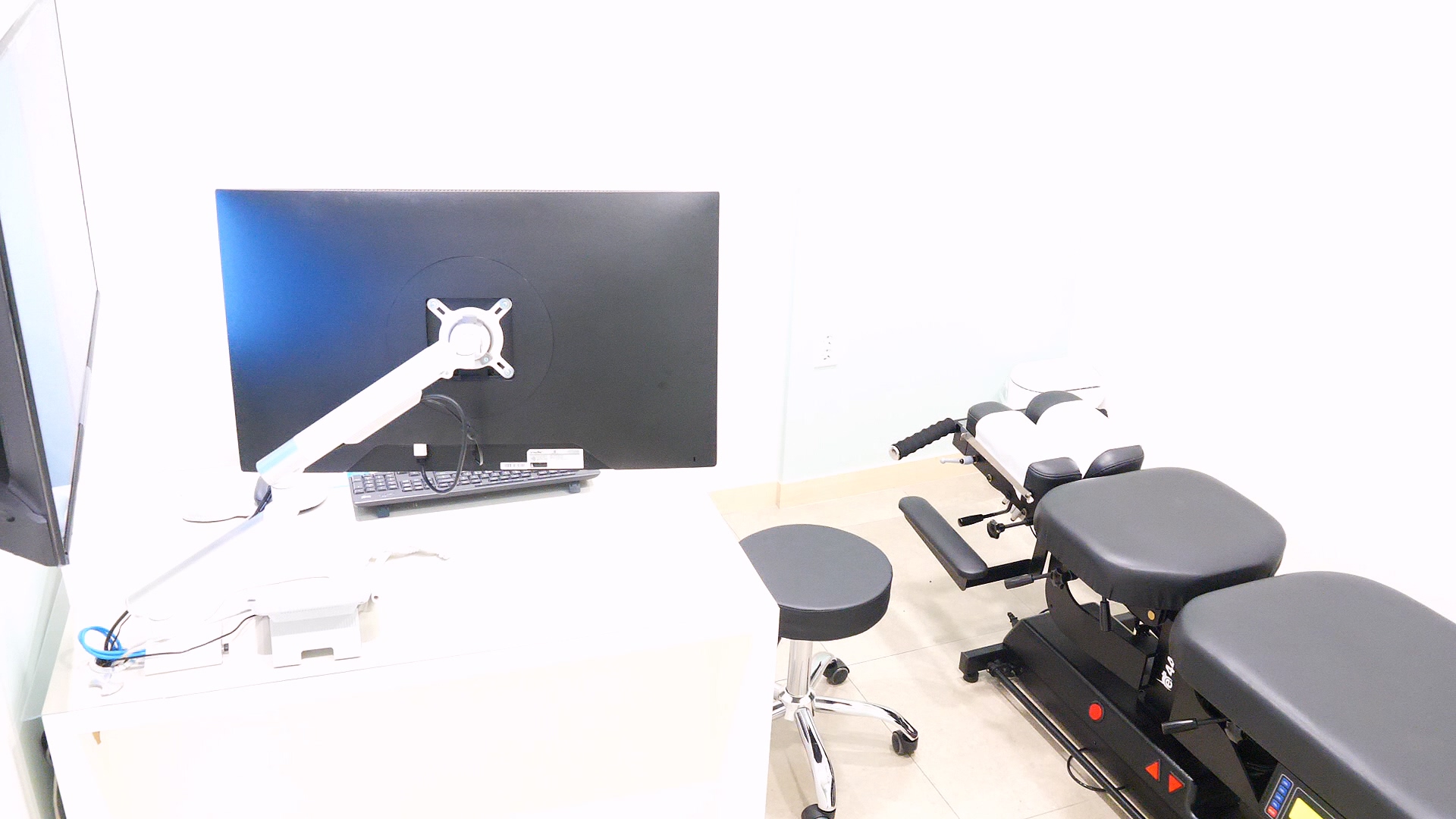
When you visit Bonecure, your journey begins with a detailed diagnostic process that includes a physical assessment of your facial structures and cervical alignment. We focus on identifying the root cause rather than simply relieving symptoms. The treatment sessions themselves are conducted in a calm, modern environment where your comfort is our priority. You may experience a variety of techniques, from gentle Chuna therapy to specialized acupotomy, all delivered with precision. We believe in transparency and efficiency; we only perform the treatments that are strictly necessary for your recovery. Most patients find that the immediate relief of physical pressure is well worth the temporary sensations felt during the session. Our team is dedicated to providing a supportive atmosphere where you can feel confident in the care you receive. By choosing a structural approach, you are investing in the long-term health of your respiratory system.
Chronic Rhinitis Treatment: A 2026 Clinical Guide to Structural Recovery and Acupuncture
Frequently Asked Questions
Q. What exactly is sinusitis and how does it differ from a common cold?
Sinusitis is the inflammation or swelling of the tissue lining the sinuses, often characterized by facial pain and thick nasal discharge. While a common cold usually resolves within 7 to 10 days, sinusitis can persist much longer, with chronic versions lasting 12 weeks or more. It involves actual fluid blockage and potential infection within the sinus cavities rather than just a general viral infection.
Q. How does acupuncture help in treating chronic sinusitis symptoms?
Acupuncture helps by stimulating specific nerves and blood vessels to reduce inflammation and promote the natural drainage of mucus. It triggers the release of endorphins and modulates the autonomic nervous system to decrease the swelling of the nasal mucosa. This provides a natural way to relieve facial pressure and improve airflow without the side effects of chemical decongestants.
Q. Is acupotomy used for sinusitis, and is it painful?
Acupotamy at Bonecure uses a specialized tool to release tight tissues and adhesions around the nasal area that block drainage. While you may feel a sensation of pressure or a brief sharp feeling during the release, the procedure is designed for rapid relief. Many patients find that the momentary discomfort is far outweighed by the immediate improvement in their ability to breathe.
Q. Are there any side effects to traditional Korean medicine treatments for sinusitis?
Minor side effects can include temporary soreness, slight bruising at the needle sites, or a temporary increase in nasal discharge as the sinuses begin to drain. These are generally mild and resolve quickly. As with any medical treatment, results may vary depending on the individual's condition and overall health status.
Q. How many sessions are typically required to see an improvement in nasal breathing?
At Bonecure, we do not require a fixed number of sessions like "you must do 10 sessions." We focus on treatments that provide immediate, perceptible changes during the visit. While the total number of visits depends on the chronic nature of the condition, we prioritize high-impact and efficient care so that you can feel the difference as soon as possible.
Q. Can structural alignment of the neck really affect my sinus issues?
Yes, misalignment in the upper cervical spine can affect the nerve pathways and blood flow related to the face, which can exacerbate sinus inflammation. When the neck is out of alignment, it can increase muscle tension that physically restricts sinus drainage. Correcting this alignment is often the key to resolving cases that do not respond to conventional chemical treatments.
Q. Does Bonecure provide customized herbal prescriptions for respiratory health?
Yes, we provide individualized herbal medicine aimed at strengthening the immune system and reducing the inflammatory response. These prescriptions are tailored to your specific body type and the nature of your symptoms. The goal is to provide internal support that enhances the results of our structural therapies for long-term respiratory wellness.
Key Takeaways
- Structural Focus: Chronic sinusitis is often linked to physical blockages and cervical misalignments that require targeted manual release.
- Acupotamy Benefits: This specialized technique releases tissue adhesions to restore natural sinus drainage with immediate, perceptible results.
- Efficient Care: We focus on necessary treatments that aim for immediate improvement rather than mandatory long-term packages.
- Integrated Path: Combining acupuncture, customized herbal medicine, and structural correction offers a comprehensive approach to nasal health.
Bonecure / Dr. Song Jung-hyun
FAQ
- What exactly is sinusitis and how does it differ from a common cold?
- Sinusitis is the inflammation or swelling of the tissue lining the sinuses, often characterized by facial pain and thick nasal discharge. While a common cold usually resolves within 7 to 10 days, sinusitis can persist much longer, with chronic versions lasting 12 weeks or more. It involves actual fluid blockage and potential infection within the sinus cavities rather than just a general viral infection of the upper respiratory tract.
- How does acupuncture help in treating chronic sinusitis symptoms?
- Acupuncture helps by stimulating specific nerves and blood vessels to reduce inflammation and promote the natural drainage of mucus. It triggers the release of endorphins and modulates the autonomic nervous system to decrease the swelling of the nasal mucosa. This provides a natural way to relieve facial pressure and improve airflow without the side effects of chemical decongestants.
- Is acupotomy used for sinusitis, and is it painful?
- Acupotamy at Bonecure uses a specialized tool to release tight tissues and adhesions around the nasal area that block drainage. While you may feel a sensation of pressure or a brief sharp feeling during the release, the procedure is designed for rapid relief of chronic congestion. Many patients find that the momentary discomfort is far outweighed by the significant improvement in their ability to breathe.
- Are there any side effects to traditional Korean medicine treatments for sinusitis?
- Minor side effects can include temporary soreness, slight bruising at the needle sites, or a temporary increase in nasal discharge as the sinuses begin to drain. These are generally mild and resolve within a day or two. As with any medical treatment, results may vary depending on the individual's chronic condition and overall health status, and we always monitor patients closely for any adverse reactions.
- How many sessions are typically required to see an improvement in nasal breathing?
- While some patients experience immediate ease after just one session, chronic or severe cases often require a structured plan of 10 to 20 sessions to achieve lasting structural and symptomatic balance. The number of sessions depends on how long the condition has been present and the extent of the structural misalignments involved. We develop a personalized timeline for each patient during the initial consultation.
- Can structural alignment of the neck really affect my sinus issues?
- Yes, misalignment in the upper cervical spine can affect the nerve pathways and blood flow related to the head and face, which can exacerbate sinus inflammation. When the neck is out of alignment, it can increase muscle tension that physically restricts sinus drainage and irritates the autonomic nerves controlling the nasal lining. Correcting this alignment is often the key to resolving "stubborn" cases that don't respond to medicine.
- Does Bonecure provide customized herbal prescriptions for respiratory health?
- Bonecure provides individualized herbal medicine aimed at strengthening the immune system and reducing the inflammatory response within the nasal mucosa. These prescriptions are tailored to your specific body type and the nature of your sinus symptoms, whether they are driven by heat, dampness, or deficiency. The goal is to provide internal support that enhances the results of our structural and acupuncture therapies.