
Post
Identifying Dorsal Burning Sensation (Baeyeol-jeung) and Root Cause Recovery in 2026
Dorsal burning sensation (Baeyeol-jeung) involves an abnormal sensory perception where the back feels hot or burning despite no external heat source.
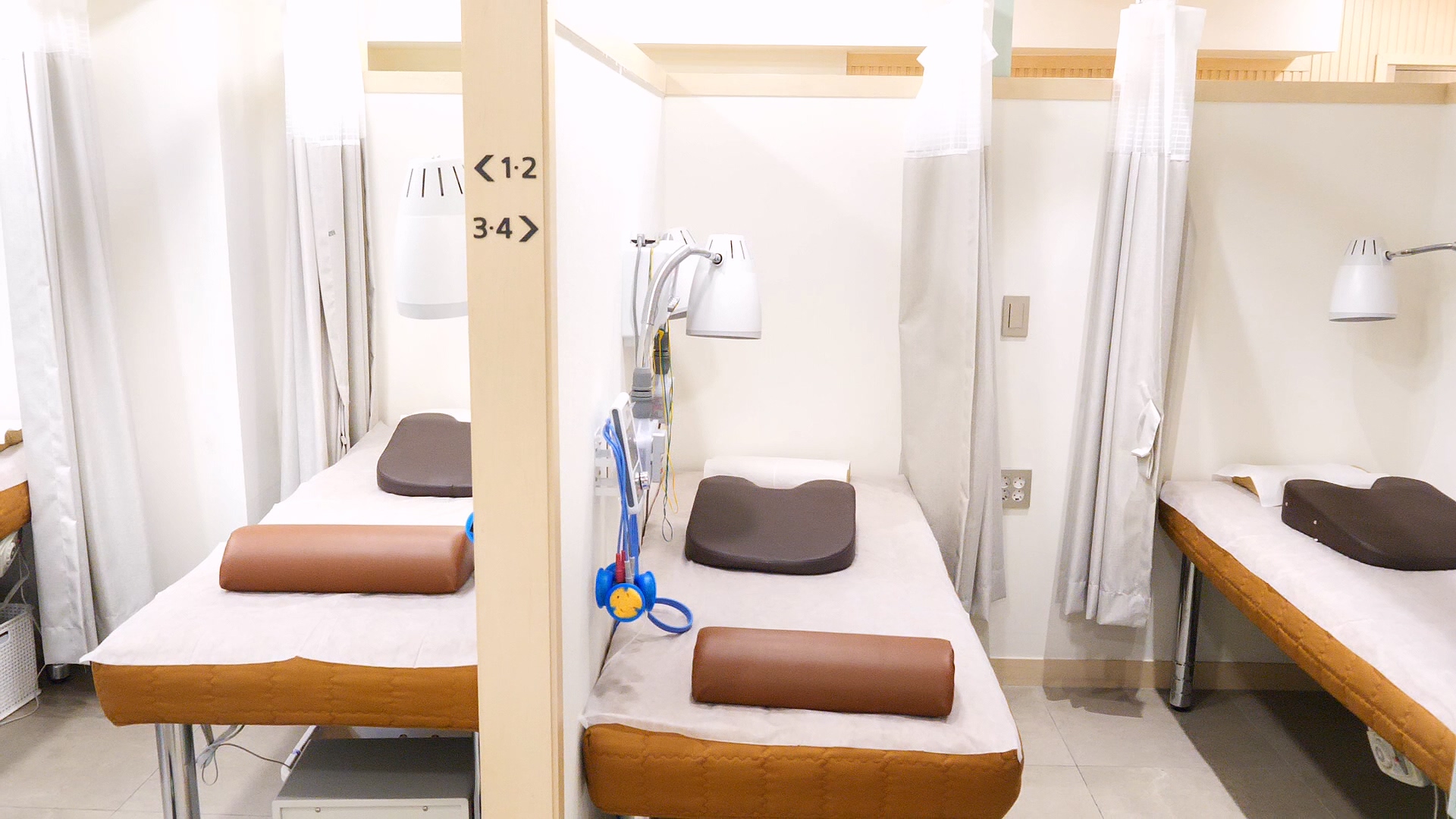
This guide outlines how Bonecure addresses these issues by focusing on structural integrity and the autonomic nervous system to provide sustainable relief for chronic sufferers in 2026.
Hello. I am Dr. Jeong-hyeon Song, an oriental medical doctor who has focused on acupotomy for a long time. Today, I will discuss how identifying and treating the underlying structural causes of dorsal burning sensation can lead to meaningful recovery.
Understanding Dorsal Burning Sensation and Root Causes
Dorsal burning sensation, often referred to in Korean medicine as Baeyeol-jeung, is a clinical manifestation of sensory nerve irritation or autonomic imbalance. Patients often describe a feeling of fire on their skin or a scalding sensation that persists even when the skin temperature is normal. Understanding the triggers behind this sensory dysfunction is essential for effective management.
Common Symptoms and Diagnostic Signs of Baeyeol-jeung
Typical symptoms of Baeyeol-jeung include a persistent feeling of heat in the back, electric-like shocks, or a crawling sensation (formication). Many patients report that these symptoms worsen with stress or fatigue, often leading to sleep disturbances and secondary anxiety. In clinical settings at Bonecure, we observe that patients with chronic conditions often present with these indicators alongside shoulder stiffness and indigestion. Diagnostic signs often point toward the entrapment of the dorsal scapular nerve or thoracic spinal nerves. It is important to note that while these signs are common, the intensity of the burning can vary significantly between individuals. Early identification of these signs allows for a more targeted approach to structural restoration. Professional assessment is necessary to distinguish these from dermatological conditions or simple muscular strain.
The Link Between Spinal Alignment and Autonomic Dysfunction
Structural imbalances in the thoracic and cervical spine are frequently the primary contributors to dorsal burning sensation. The autonomic nervous system, which regulates blood flow and sensory perception, is heavily influenced by the alignment of the vertebrae. At Bonecure, we utilize whole spine X-ray analysis to identify misalignments that may be irritating the nerves responsible for back health. When the spine is misaligned, it creates tension in the surrounding soft tissues, potentially compressing the medial or lateral branches of the thoracic nerves. This mechanical pressure can lead to 'dysesthesia' or abnormal burning sensations. By addressing these spinal issues, we aim to restore the neural pathways and rebalance the autonomic system, which manages how our body perceives temperature and pain.
Understanding Different Approaches to Sensory Management
Management for abnormal sensory symptoms often involves medications to mask nerve pain. While these interventions can provide temporary relief, some patients find that their symptoms recur if the underlying mechanical or structural factors contributing to nerve entrapment are not considered. At Bonecure, we focus on the relationship between the skeletal framework and the body's neural state. By addressing spinal influences that may affect nerve function, we aim to support the body's natural healing process. Our goal is to provide a comprehensive approach for those seeking to manage chronic burning sensations through structural restoration and decompression.
Innovative Korean Traditional Medicine for Structural Health
Innovative Korean traditional medicine at Bonecure involves a holistic integration of acupotomy and structural correction to reset the body's natural neural signaling. By combining clinical experience with modern diagnostic tools, we provide a pathway for patients whose symptoms have failed to respond to standard care protocols.
Acupotomy for Neural Release and Adhesion Control
Acupotomy (needle-knife therapy) serves as a vital tool for releasing chronic adhesions and providing immediate relief for dorsal burning symptoms. By targeting fibrotic tissues that entrap sensory nerves, this therapy can help restore normal nerve conduction and reduce abnormal heat sensations. At Bonecure, we focus on restoring balance to the body's structure, which helps stabilize the autonomic nervous system. Unlike standard acupuncture, acupotomy uses a specialized blade-like tip to physically dissect hardened tissues. The treatment works by enhancing local blood circulation and removing mechanical obstructions. While individual responses vary, this method offers a targeted way to manage chronic burning and tension. We ensure that every session is tailored to the patient's specific profile. Potential minor side effects may include temporary site soreness or very light bruising, which typically resolve quickly.
Chuna Therapy at Bonecure for Neural Decompression
Chuna therapy provides manual structural correction that is particularly effective for patients whose burning sensations are aggravated by poor posture. By realigning the vertebrae and pelvis, we reduce the physical stress on the spinal cord and exiting nerves. This manual correction helps to normalize the tension in the paravertebral muscles, which is essential for maintaining a calm nervous system. At Bonecure, Chuna is used to improve the body's overall symmetry, which is a core part of our "Bone-centered" philosophy. We have observed that integrating manual correction can significantly improve patient comfort levels by improving the flow of neural signals. This method also supports the autonomic nervous system in maintaining internal balance. It is a gentle yet powerful addition to our structural recovery programs. Patients often report a sense of lightness and improved movement following a session. We monitor all treatments closely to ensure safety and effectiveness.
Acupoint Stimulation and Structural Correction Approaches
Combining acupoint stimulation with structural correction allows Bonecure to address both the neural and mechanical aspects of dorsal health. When we realign the spine, we remove the physical pressure on nerves, while acupuncture points are used to modulate the nervous system's response. This dual approach is grounded in the belief that a straight spine leads to a healthy nervous system. We aim for immediate changes in patient comfort by correcting the thoracic and cervical alignment. In chronic cases, a personalized plan is designed to ensure that the skeletal changes are supported by healthy soft tissues. By stabilizing the foundation of the body, we create a sustainable environment where Baeyeol-jeung symptoms are less likely to recur. This comprehensive strategy ensures that we are treating the root cause rather than just the surface sensation. Our goal is to empower the body to heal itself through proper alignment and neural balance.
A Comprehensive Approach to Autonomic Care
At Bonecure, we believe in an integrated approach that focuses on structural and neural recovery. By addressing the root causes of persistent burning symptoms through methods like acupotomy and spinal alignment, we aim for long-term structural stability. This holistic view considers the spine, nerves, and the whole body rather than focusing solely on the area of pain. As with any medical procedure, potential minor side effects such as bruising or temporary soreness may occur, and results can vary based on the individual's condition and the chronicity of the ailment.
Synergy of Acupotomy and Spinal Realignment
Acupotomy is a specialized technique used at Bonecure to release chronic adhesions in the soft tissues surrounding the thoracic spine and neck. These adhesions often develop from long-term poor posture and can physically compress the nerves responsible for back sensations. By precisely releasing these tight bands, we allow for better spinal realignment and improved autonomic function. This synergy is crucial for patients with severe burning sensations that have resisted other forms of therapy. The release of tension often results in an immediate feeling of relief in the back and shoulder area. Our focus is on providing an impact-driven, efficient treatment that addresses the structural reality of the patient. This approach is highly technical and requires the expertise of a trained practitioner to ensure safety. It provides a mechanical solution to a mechanical problem. As with all procedures, results depend on the individual's baseline health and consistency in follow-up care.
Long-term Management Strategies for Chronic Pain
Maintaining the benefits of structural recovery requires a commitment to lifestyle management and periodic check-ups. At Bonecure, we educate patients on proper ergonomics and spinal-strengthening exercises to support the corrections made during treatment. Avoiding prolonged fixed postures and managing stress can also help minimize the return of autonomic symptoms. We suggest that patients maintain a proactive approach to their spinal health, especially during high-stress periods when the nervous system is most vulnerable. Proper hydration and balanced movement further support the health of the nerves and muscles. By staying proactive, patients can prevent minor misalignments from turning into chronic sensory disorders. Our clinical experience shows that patients who follow these maintenance guidelines report higher satisfaction and fewer relapses. Recovery is a journey that continues beyond the clinic doors. Consistent habits ensure that the body remains in a state of balance and resilience.
Clinical Notes and Patient Recovery Experiences
Clinical documentation and patient experiences at Bonecure provide valuable insights into the effectiveness of structural recovery for autonomic health. These notes highlight the importance of viewing sensory symptoms through the lens of whole-body alignment and nerve function.
Structural Alignment Case Studies for Neural Health
In our clinical practice, we have documented numerous cases where correcting the thoracic and cervical curves led to a reduction in abnormal heat sensations. For instance, patients who felt as if "hot water" was poured on their backs have found relief after a course of sessions focused on spinal restoration and acupotomy. X-ray comparisons often show a shift from a flat spine toward a more natural alignment, which correlates with improved neural signaling. While these results are specific to individual cases and do not guarantee the same outcome for everyone, they demonstrate the potential of the Bonecure method. We also monitor patient-reported outcomes, which frequently show stabilization as the physical structure aligns. These case studies serve as a testament to the interconnectedness of the human body. Every patient receives a detailed evaluation to determine how their unique structure affects their neural health. This approach ensures that our treatments are grounded in observable physiological changes.
Bonecure Method: Reclaiming Daily Vitality from Chronic Discomfort
Reclaiming vitality is the ultimate goal for patients suffering from the debilitating effects of Baeyeol-jeung. The Bonecure method focuses on removing the constant burden of abnormal sensations, allowing individuals to return to their daily activities with renewed focus. When the back no longer feels on fire and the mind is clear, overall quality of life significantly improves. We believe that when the bones are in their proper place, the rest of the body can function without unnecessary stress. This transition from chronic discomfort to vitality is a process that requires a focused treatment strategy. Many of our patients report that they no longer feel the need to constantly apply cooling packs or seek temporary distractions. By restoring the body's natural architecture, we help people smile again through better health. Our clinic is dedicated to providing a supportive environment for this transformative journey. Life truly smiles when the foundation of the body is sound.
Important Safety Considerations and Treatment Limitations
While structural recovery offers a promising path, it is important to understand the limitations and safety considerations involved. Treatments like acupotomy may cause temporary discomfort, minor bruising, or local swelling at the insertion site. These are standard responses as the body begins to heal. Patients with certain underlying medical conditions may need to stabilize their health before beginning intensive structural work. Bonecure prioritizes patient safety by conducting thorough initial consultations and physical exams. It is also important to recognize that chronic and severe cases may require multiple treatments to achieve long-term stability. We do not provide a 100% guarantee of a cure, as individual physiology and lifestyle factors play a large role in the outcome. However, we are committed to providing a high standard of care based on our specialized clinical expertise. Open communication between the doctor and patient is essential for managing expectations and ensuring the best possible recovery path.
A 2026 Clinical Guide to Autonomic Management and Structural Recovery at Bonecure
Chronic Pain Treatment: A 2026 Clinical Guide to Structural Recovery and Acupotomy
Frequently Asked Questions
Q. What are the most common symptoms of Baeyeol-jeung I should watch for?
Typical symptoms include a persistent burning or hot sensation in the back, even when the skin is cool to the touch. You may also feel electric shocks or a crawling sensation, which are often linked to nerve entrapment in the thoracic spine.
Q. Can Chuna therapy help with my dorsal burning sensation?
Yes, Chuna therapy focuses on realigning the vertebrae to reduce mechanical pressure on the nerves. By correcting the structural foundation, we can help normalize the signals sent to the brain, reducing abnormal sensory perceptions.
Q. Is acupotomy (needle-knife therapy) painful?
While acupotomy involves a more intensive release of deep tissue adhesions than standard acupuncture, it is designed to be efficient. Patients may feel a sharp sensation during the procedure and temporary soreness afterward, but many report immediate improvements in movement and comfort.
Q. Are there any side effects to the treatments used at Bonecure?
Potential minor side effects include temporary soreness, minor bruising, or light swelling at the treatment site. These are typical healing responses. Our clinic takes every precaution to ensure a safe and effective treatment tailored to your condition.
Q. How many sessions are typically required for improvement?
At Bonecure, we focus on providing essential and impactful care. While chronic cases often require a personalized series of sessions for long-term stability, many patients notice an immediate change in their symptoms after the first few treatments as the structural pressure is released.
Q. Does traditional Korean medicine offer a permanent solution for Baeyeol-jeung?
We focus on root-cause recovery by restoring structural integrity to prevent recurrence. While we aim for long-term relief, maintaining results requires ongoing postural awareness and healthy lifestyle habits to keep the spine in proper alignment.
Q. What makes Bonecure different from other clinics in Seoul?
Bonecure specializes in structural and "Bone-centered" recovery. We combine specialized acupotomy with spinal realignment to address the physical causes of autonomic and sensory dysfunction, ensuring that the body functions within a balanced framework.
Key Takeaways
- Dorsal burning sensation (Baeyeol-jeung) is often a sign of nerve entrapment or autonomic imbalance.
- Traditional Korean medicine at Bonecure integrates acupotomy and Chuna to release adhesions and realign the spine.
- Long-term recovery depends on addressing the structural root causes rather than just masking the symptoms.
- Personalized treatment and postural maintenance are essential for preventing the recurrence of chronic back discomfort.
For professional consultation and structural assessment of your health, please contact our clinic.
Bonecure / Dr. Jeong-hyeon Song
FAQ
- What are the most common sinusitis symptoms I should watch for?
- Typical symptoms include facial pressure, nasal congestion, thick discolored discharge, and a reduced sense of smell. At Bonecure, we also examine if these are linked to structural imbalances in the neck and spine that might be hindering natural drainage pathways.
- Can acupuncture for back pain really help with my sinus issues?
- Yes, in Korean medicine, the body is an interconnected system where spinal health affects all organs. Improving spinal alignment through acupuncture can enhance autonomic nervous system function, which helps regulate sinus drainage and reduces chronic inflammation.
- Is moxibustion therapy in Seoul effective for chronic respiratory conditions?
- Moxibustion provides deep thermal stimulation to specific points, boosting the immune response and improving circulation. It is highly effective for patients whose sinusitis symptoms worsen with cold or damp weather by helping to liquefy and expel trapped mucus.
- Are there any side effects to the needle-knife therapy used at Bonecure?
- While highly effective for releasing tissue adhesions, patients may experience temporary soreness or minor bruising at the treatment site. These are typical healing responses, though individual results and recovery times will vary depending on the severity of the condition.
- How many sessions are typically required for noticeable improvement?
- For chronic cases, a series of treatments is usually necessary to achieve long-term structural stability. We generally provide a personalized plan, often involving around 20 sessions for complex cases, after an initial consultation to address the root cause.
- Does traditional Korean medicine treatment offer a permanent cure for sinusitis?
- We focus on root-cause recovery by restoring the body's natural balance and structural integrity to prevent recurrence. While we aim for long-term relief, maintaining these results requires ongoing lifestyle management and periodic check-ups to ensure the spine remains aligned.
- What makes Bonecure different from a standard acupuncture clinic in Seoul?
- Bonecure specializes in 'Bone-centered' recovery by combining specialized acupuncture techniques like acupotomy with spinal realignment. This ensures that the respiratory system functions optimally within a balanced skeletal framework rather than just providing temporary symptom relief.