
Post
Comprehensive Guide to an Oriental Medical Doctor in Seoul: Structural Alignment and Recovery at BonCure
An Oriental Medical Doctor in Seoul is a specialized healthcare professional licensed to practice traditional Korean medicine, integrating historical diagnostic wisdom with modern clinical applications. In 2026, these practitioners play a vital role in managing chronic pain, autonomic dysfunction, and musculoskeletal misalignments through evidence-based treatments focusing on the root causes of distress. At BonCure Korean Medicine Clinic, the approach emphasizes restoring structural integrity to the spine and joints, ensuring that every patient receives a personalized recovery plan tailored to their unique physiological needs.
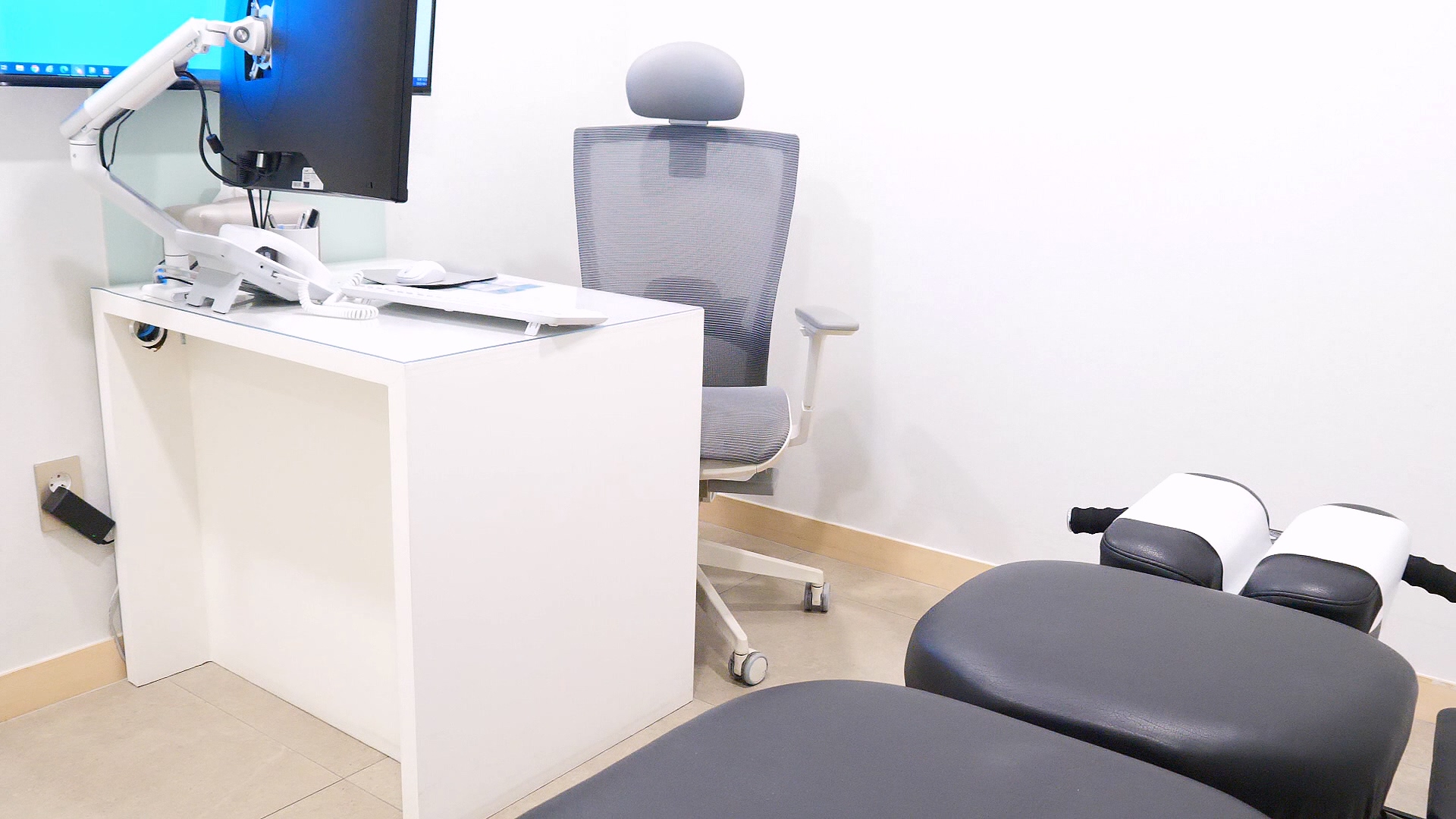
Understanding the Role of an Oriental Medical Doctor in Seoul
An Oriental Medical Doctor in Seoul serves as a primary healthcare provider legally recognized to diagnose and treat medical conditions using acupuncture, herbal prescriptions, and manual therapies. Unlike practitioners in other regions, these doctors undergo a standardized six-year academic curriculum that combines meridian theory with modern medical sciences like pathology and anatomy. This dual training allows them to interpret clinical data such as X-rays from diagnostic partners while providing holistic interventions that stimulate the body's natural healing processes for long-term stability.
Professional Qualifications and Licensing Standards
Becoming a qualified practitioner involves a rigorous educational journey. In Korea, an Oriental Medical Doctor in Seoul must complete a six-year integrated medical curriculum at an accredited university, encompassing biology, pathology, and diagnostic sciences alongside herbal pharmacology. Upon graduation, candidates must pass a national licensing examination to practice legally. This ensures that every doctor at BonCure possesses the academic depth necessary to diagnose complex structural and systemic conditions. Director Song Jeong-hyun, for instance, focuses on structural imbalances to resolve functional impairments. For patients in Cheongdam, this means receiving treatment from a professional who understands both historical wisdom and modern medical standards. Such high standards of education are essential for maintaining the integrity of traditional medicine within the modern Korean healthcare ecosystem.
The Philosophy of Structural Balance and Recovery
The fundamental philosophy guiding these practitioners is the belief that structural integrity is the cornerstone of wellness. This approach is encapsulated in the BonCure slogan: "When your bones smile, life smiles." By focusing on the alignment of the cranium, spine, and the balance of the autonomic nervous system, doctors aim to resolve the underlying tension that leads to chronic ailments. Instead of simply suppressing symptoms like pain, the goal is to identify why the body's structure has failed to maintain equilibrium. This might involve assessing how a misaligned cervical spine contributes to persistent headaches or how lumbar issues affect mobility. By restoring the correct skeletal arrangement, the body's internal circulation can function without obstruction. This holistic perspective views the patient as a complete biological system. Recovery is not just about the absence of pain but about the restoration of functional movement and a renewed sense of daily energy.
Collaborative Diagnostics in the Korean Healthcare System
In the current medical landscape, these doctors occupy a critical integrative role. While BonCure operates as a specialized clinic focused on focused, efficient treatment, it utilizes advanced diagnostics through strategic partnerships. For patients requiring precision imaging, the clinic refers to specialized facilities like Harrison Hospital for digital X-rays, CT, or MRI scans to verify structural imbalances before initiating therapy. This collaboration is particularly evident in the treatment of lifestyle-related disorders where pharmaceutical interventions alone may fall short. At BonCure, practitioners collaborate with the patient to monitor progress using objective metrics, such as spine curvature evaluations. The clinical environment is modern and professional, reflecting the contemporary nature of 2026 healthcare. Patients benefit from this synergy, as it provides a clear evidence-based pathway toward recovery that respects both the physical structure and the biological rhythm of the individual.
Core Treatments at a Korean Traditional Medicine Clinic in Cheongdam
A Korean traditional medicine clinic in Cheongdam provides a diverse array of therapeutic interventions designed to address both acute injuries and chronic systemic imbalances. These treatments are characterized by their non-surgical nature and their ability to trigger regenerative capabilities without invasive procedures. By utilizing specialized tools like ultra-fine needles and pharmacopuncture, doctors can target specific anatomical points to alleviate pain. The environment in Cheongdam is tailored to provide a professional, patient-centered experience where clinical precision meets high standards of care.
Acupuncture for Back Pain and Musculoskeletal Issues
Acupuncture is a widely recognized treatment for managing back pain and musculoskeletal conditions in Seoul. By inserting sterilized, single-use needles into precise points, the doctor can stimulate the nervous system to release natural pain-relieving chemicals and reduce localized inflammation. Research indicates this process helps modulate the body's stress response, often heightened in patients with chronic lumbar or cervical distress. At BonCure, acupuncture is used as a foundational therapy to prepare the body for deeper structural adjustments. It is important to note that while many find relief, individual results vary depending on the severity of the spinal condition. Some individuals may experience temporary minor bruising or light soreness at the insertion sites, which usually resolves within 48 hours. By focusing on both local pain and systemic energy flow, practitioners provide a comprehensive approach that supports long-term structural health and improved mobility.
Pharmacopuncture for Targeted Pain Relief
Pharmacopuncture is an advanced treatment that combines the benefits of acupuncture and herbal medicine by injecting refined herbal extracts directly into specific acupuncture points. An Oriental Medical Doctor in Seoul uses this method to deliver potent anti-inflammatory and tissue-regenerative substances exactly where they are needed most. This technique is particularly effective for chronic joint pain, ligament injuries, and nerve-related discomfort. At BonCure, pharmacopuncture is frequently integrated into treatment plans to accelerate the recovery of damaged tissues and provide more immediate relief than oral medication alone. While highly effective, patients should be aware that the injection site may feel temporary pressure or slight soreness. The ingredients are carefully selected based on the patient's constitution and the specific nature of their injury. By utilizing this targeted approach, clinicians can address localized inflammation while supporting the overall structural restoration of the musculoskeletal system.
Specialized Physical Therapy and Movement Recovery
Comprehensive physical therapy in a Korean clinic setting focuses on restoring the functional length and tension of the muscles surrounding the spine. This involves specialized manual techniques and clinical movement assessments to identify areas of fiber-like adhesions or muscular shortening. The Oriental Medical Doctor in Seoul applies these therapies to ensure that once the spine is realigned, the soft tissues can support the new, healthy position. At BonCure, physical therapy is designed to be impactful and efficient, often focusing on the most critical tension points to maximize recovery within short sessions. Patients often report improved flexibility and a reduction in the "heavy" feeling associated with chronic stiffness. Minor post-therapy fatigue or muscle soreness may occur as the body adjusts to new movement patterns. This therapy is a crucial component of pain management, as it assists in structural realignment by softening the rigid muscles that might otherwise pull vertebrae out of their natural position.
Advanced Clinical Notes on Acupotomy and Chuna Therapy
Advanced clinical practices in Korean medicine involve specialized tools and manual techniques to address deep tissue adhesions and skeletal misalignments. These procedures require a high degree of precision and anatomical knowledge. Acupotomy and Chuna therapy represent the pinnacle of structural restoration, offering a pathway for patients who have not found relief through standard conservative treatments. These methods are grounded in both traditional theory and modern biomechanics, providing a robust framework for managing complex chronic pain cases.
Precision Acupotomy for Releasing Chronic Adhesions
Acupotomy is a sophisticated procedure utilizing a specialized, flat-headed needle to mechanically release internal tissue adhesions and scars. This technique is particularly effective for chronic conditions where soft tissues have become fused, often entrapping nerves. As an Oriental Medical Doctor in Seoul specializing in this field, I have observed how releasing these adhesions can lead to immediate improvements in range of motion. For instance, in one specific clinical case involving chronic tinnitus, addressing cervical adhesions showed significant results, with the patient's distress scores dropping from 54 to 2 (note that results vary by individual). At BonCure, we prioritize precision to target only problematic tissue. Because this is a deeper intervention, it may cause temporary post-procedure soreness, minor bruising, or a small amount of bleeding. These side effects are typical parts of the body's natural response to the release. By clearing these physical obstructions, we allow the body to reset its structural balance and resume normal functions without the constant interference of trapped nerves.
Chuna Manual Therapy for Spine and Joint Alignment
Chuna therapy is a unique form of manual manipulation performed exclusively by licensed Korean medicine doctors to correct skeletal misalignments. This technique involves controlled pressure and strategic maneuvers to move joints and soft tissues back into optimal positions. At BonCure, Chuna is used to address the root causes of posture-related pain, such as forward head posture or pelvic tilts. By realigning the spine, we reduce mechanical stress on the intervertebral discs. This procedure is highly individualized; the force used depends on the patient's age and specific injury history. Case studies on spinal curvatures have shown that consistent Chuna sessions can help improve structural symmetry over time, though results are not guaranteed for all. While the primary goal is alignment, the therapy also has a positive effect on the autonomic nervous system. Regular sessions are often recommended for long-standing issues, as the body requires time to adapt to a newly corrected and balanced state.
Traditional Medicine Clinical Notes on Patient Recovery
Clinical notes from my practice at BonCure highlight the impact that structural restoration can have on systemic health issues. For example, a case study involving a patient with 18 years of chronic symptoms showed significant quality-of-life improvements after addressing cervical misalignments. Another clinical report regarding sudden hearing loss and Meniere’s-like symptoms demonstrated improved hearing levels after 20 sessions of structural adjustments and specialized acupuncture. In this specific individual case, the patient showed significant progress, though individual results can vary based on the chronicity and severity of the condition. These results underscore the importance of looking at the body as an interconnected whole. We often find that when the spine is aligned, secondary issues like digestive disturbances or sleep problems begin to resolve. This evidence-based approach allows us to provide targeted care for those struggling with chronic conditions for years. Each patient's journey is documented to refine treatment plans, ensuring our methods remain transparent and safe in the 2026 healthcare environment.
| Feature | Conventional Acupuncture | Specialized Acupotomy |
|---|---|---|
| Needle Type | Fine, filament-like needle | Scalpel-edged needle (Flat-head) |
| Primary Goal | Balancing circulation and nerves | Releasing chronic tissue adhesions |
| Sensation | Minimal to mild pressure | Significant pressure (immediate release) |
| Recovery | Little to no downtime | Temporary soreness (1-2 days) |
| Best For | Stress, minor pain, general health | Chronic adhesions, nerve entrapment |
A Comparative Look at Traditional Korean Medicine Treatments
When evaluating options at an Oriental Medical Doctor in Seoul, it is helpful to compare how different treatments target specific concerns. While all methods aim to restore balance, the mechanisms vary depending on whether the issue is muscular or structural. Understanding these differences helps patients realize why a combination of therapies is often the most effective approach for achieving lasting wellness and pain relief in a modern urban setting.
Comparing Conventional Acupuncture and Specialized Acupotomy
Conventional acupuncture and specialized acupotomy differ primarily in their structural goals and the tools used. Traditional acupuncture uses thin needles to influence the flow of energy and blood, making it ideal for managing stress and mild systemic imbalances. In contrast, acupotomy involves a thicker, flat-headed needle designed for the physical separation of adhered tissues. This makes acupotomy a more targeted intervention for chronic conditions like spinal stenosis or severe joint stiffness. At BonCure, we often use acupuncture to regulate the nervous system while employing acupotomy to address physical obstructions. While acupuncture is virtually painless, acupotomy involves more intense pressure. Both are safe when performed by a professional, but they serve different roles: acupuncture acts as a regulator, while acupotomy functions as a mechanical restorer of movement. The choice depends on the chronicity of the condition and physical findings during the initial assessment.
Holistic Benefits of Korean Medicine for Women's Health
Korean medicine offers extensive benefits for women's health by addressing physiological changes and structural stresses across life stages. An Oriental Medical Doctor in Seoul looks beyond hormonal symptoms to identify how circulation and spinal alignment affect female vitality. For instance, pelvic misalignment can contribute to menstrual discomfort or digestive issues, which are treated through a combination of Chuna and acupuncture. At BonCure, we recognize that women often carry stress in the neck and shoulders, leading to tension headaches. By restoring structural harmony, we can help regulate the internal environment and improve resilience against daily stressors. Our approach also includes supporting postpartum recovery, where realigning the pelvis is essential for long-term health. Treatments are gentle and tailored to the individual, ensuring the sensitive balance of the female body is respected. This holistic focus ensures women receive care that supports their entire well-being rather than just managing isolated symptoms.
Synergy Between Herbal Medicine and Manual Therapies
The synergy between personalized herbal medicine and manual therapies like Chuna is a cornerstone of the philosophy at BonCure. While manual therapies address physical alignment, herbal prescriptions work internally to nourish tissues and reduce systemic inflammation. For example, a patient receiving Chuna for a spinal issue may be prescribed herbal decoctions to strengthen ligaments and improve blood supply to the affected area. This internal support ensures that corrections made during physical sessions are more likely to be maintained. Research suggests integrating these two modalities can accelerate recovery and provide more sustainable results for chronic pain sufferers. Each herbal formula is customized based on the patient's constitution and specific health needs in 2026. By treating the body from both the inside and outside, we provide a comprehensive healing experience. This integrated approach acknowledges the complex interaction between physical structure and biochemical health.
Navigating Your Visit to a Korean Medicine Doctor Blog
Visiting an Oriental Medical Doctor in Seoul for the first time can be a transformative experience, but it is important to know what to expect. Understanding protocols and potential outcomes will help you feel more engaged in your treatment plan. At BonCure, we believe an informed patient is a more successful patient, and we strive to provide all necessary information for a productive visit to our clinic in Cheongdam.
Expected Outcomes and Patient Responsibilities
Patients visiting BonCure can expect a thorough initial consultation including a medical history review and physical examination. The goal of the first few sessions is to identify structural misalignments and develop a roadmap for recovery. While many notice immediate relief after a single treatment, long-term structural changes typically require a series of sessions to stabilize the spine. Patient responsibility is critical; following advice on posture and lifestyle adjustments is essential for maintaining benefits. Every individual's body responds differently based on the duration of their symptoms. While there is no guaranteed "instant cure," there is a clear path to gradual and meaningful improvement. By staying consistent with the treatment plan, patients can achieve significant advancements in their physical comfort and daily functional capacity.
Safety Protocols and Managing Potential Side Effects
Safety is the highest priority at BonCure. All needles used for acupuncture and acupotomy are sterile and single-use. An Oriental Medical Doctor in Seoul is trained to minimize risks and manage side effects. Common effects include temporary soreness, minor bruising, or a small amount of bleeding. While rare, risk of infection exists, though all side effects are usually mild and short-lived. In cases of deep tissue release via acupotomy, more significant soreness may occur, which is discussed beforehand. It is crucial to disclose pre-existing medical conditions, such as bleeding disorders or pregnancy, during your consultation. We also provide clear aftercare instructions to manage post-treatment sensations. By maintaining a professional environment and utilizing refined clinical techniques, we ensure your experience is as safe and comfortable as possible throughout your healing journey.
Finding BonCure for Comprehensive Pain Management
Finding the right practitioner is the first step toward reclaiming health, and BonCure offers a specialized destination for those seeking a dedicated Oriental Medical Doctor in Seoul. Located in Cheongdam, our clinic provides a medical experience focusing on structural restoration and root-cause recovery. Whether dealing with back pain, headaches, or complex autonomic issues, our team is dedicated to providing evidence-based care in a modern setting. You can explore our specific approaches through clinical articles, such as Advanced Acupotomy in Seoul: Root Cause Pain Relief at BonCure Korean Medicine Clinic. We invite you to experience the difference a structural focus can make. Our commitment to professional excellence ensures you receive specialized care as you work toward a future free from physical limitations. Let us help you start your journey to a balanced and vibrant life today.
Frequently Asked Questions
Q. What exactly does an Oriental Medical Doctor in Seoul do?
An Oriental Medical Doctor in Seoul is a licensed healthcare professional who specializes in traditional medicine, including acupuncture, herbal therapy, and Chuna manipulation. They focus on the body's structural alignment and internal balance. These doctors are trained in both traditional theories and modern medical diagnostics to provide a comprehensive approach to health.
Q. Is acupuncture for back pain effective for long-term relief?
Acupuncture can be highly effective for managing back pain by reducing inflammation and stimulating healing mechanisms. While many experience relief after a few sessions, long-term results often depend on addressing underlying structural issues. For chronic cases, combining acupuncture with structural therapies like Chuna or acupotomy at BonCure is often recommended.
Q. What are the common side effects of treatment?
Treatments like acupuncture and acupotomy are generally safe. Some patients may experience minor, temporary side effects such as local soreness, slight bruising, or a small amount of bleeding at the site. These issues typically resolve within a day or two and are a normal part of the body's response to the treatment. Rare risks include infection or lightheadedness.
Q. Does BonCure perform X-rays on-site?
BonCure is a specialized clinic focused on efficient structural treatments. For cases requiring diagnostic imaging like X-rays, CT, or MRI, we refer patients to our specialized medical partners, such as Harrison Hospital, to ensure the highest quality diagnostic data is used for your treatment plan.
Q. What is the difference between Chuna and other manual therapies?
Chuna is a unique manual therapy performed by Korean medicine doctors that focuses on realigning the spine and joints based on meridian theory and biomechanics. Unlike general massage, it involves specific thrusting and pulling techniques designed to correct skeletal structures and improve functional movement.
Q. Does Korean medicine for women’s health only focus on hormonal issues?
No, it takes a holistic approach that includes structural alignment, circulatory health, and stress management. While excellent for hormonal transitions, it also addresses issues like pelvic alignment and postpartum recovery. The goal is to restore the balance of the entire body to improve overall vitality.
Q. How much does a typical session at BonCure cost?
The cost depends on the complexity of treatments, such as whether you receive standard acupuncture, specialized acupotomy, or Chuna therapy. While we do not provide fixed pricing online, we focus on high-value care that addresses root causes. We encourage you to contact the clinic directly for detailed information regarding service costs.
Key Takeaways
- An Oriental Medical Doctor in Seoul is a licensed professional combining 6 years of medical education with traditional healing.
- BonCure focuses on "structural alignment" of the cranium and spine to address the root causes of chronic pain.
- Advanced treatments like acupotomy and Chuna provide mechanical relief for tissue adhesions and skeletal misalignments.
- The clinic utilizes specialized diagnostic partnerships (e.g., Harrison Hospital) for X-rays and MRI imaging.
- Patient results may vary, and safety is maintained through strict clinical protocols and personalized treatment plans in Cheongdam.
Hello. I am Dr. Song Jeong-hyun, an Oriental Medical Doctor who has specialized in acupotomy for many years. Fundamental recovery can be significantly influenced by whether the bones and physical structure are correctly aligned. I will do my utmost to provide the best care for your healthy daily life.
BonCure Korean Medicine Clinic / Director Song Jeong-hyun
FAQ
- What exactly does an Oriental Medical Doctor in Seoul do?
- An Oriental Medical Doctor in Seoul is a licensed healthcare professional who specializes in traditional medicine, including acupuncture, herbal therapy, and Chuna manipulation. They use these methods to treat a wide range of conditions by focusing on the body's structural alignment and internal balance. These doctors are trained in both traditional theories and modern medical diagnostics to provide a comprehensive approach to health.
- Is acupuncture for back pain effective for long-term relief?
- Acupuncture can be highly effective for managing back pain by reducing inflammation and stimulating the body's natural healing mechanisms. While many patients experience significant relief after a few sessions, long-term results often depend on addressing the underlying structural issues. For chronic cases, combining acupuncture with structural therapies like Chuna or acupotomy at Bonecure is often recommended for more sustainable outcomes.
- What are the common side effects of traditional Korean medicine treatments?
- Treatments like acupuncture and acupotomy are generally very safe when performed by a licensed professional. Some patients may experience minor, temporary side effects such as local soreness, slight bruising, or a small amount of bleeding at the needle site. These issues typically resolve within a day or two and are a normal part of the body's response to the treatment.
- How many sessions of moxibustion therapy in Seoul are usually required?
- The number of moxibustion sessions needed varies depending on the individual's condition and how their body responds to the heat therapy. Acute issues might show improvement within 3 to 5 sessions, while chronic systemic imbalances or deep-seated coldness may require several weeks of consistent treatment. Your doctor will create a personalized schedule during your initial consultation.
- What is the difference between Chuna and other manual therapies?
- Chuna is a unique manual therapy performed by Korean medicine doctors that focuses on realigning the spine and joints based on meridian theory and biomechanics. Unlike general massage, it involves specific thrusting and pulling techniques designed to correct skeletal structures and improve the flow of energy. It is an integrated medical procedure that targets the root cause of physical misalignment.
- Does Korean medicine for women’s health only focus on hormonal issues?
- No, Korean medicine takes a holistic approach to women's health that includes structural alignment, circulatory health, and stress management. While it is excellent for managing hormonal transitions, it also addresses issues like pelvic alignment, postpartum recovery, and digestive health. The goal is to restore the balance of the entire body to improve overall vitality and quality of life.
- How much does a typical session at a Korean medicine clinic in Cheongdam cost?
- The cost of a session depends on the complexity of the treatments provided, such as whether you receive standard acupuncture, specialized acupotomy, or Chuna therapy. While we do not provide fixed pricing in our guides, we focus on providing high-value care that addresses the root cause of your health issues. We encourage you to contact Bonecure directly for a detailed explanation of our service costs.