
Post
A 2026 Clinical Guide to Acupotomy and Structural Alignment: The BonCure Approach to Intractable Pain
Hello. I am Director Song Jung-hyun, a Korean medicine doctor at BonCure Clinic who has long focused on acupotomy and structural restoration. At BonCure Korean Medicine Clinic, we devote ourselves to identifying the root causes of pain rather than simply relieving symptoms.
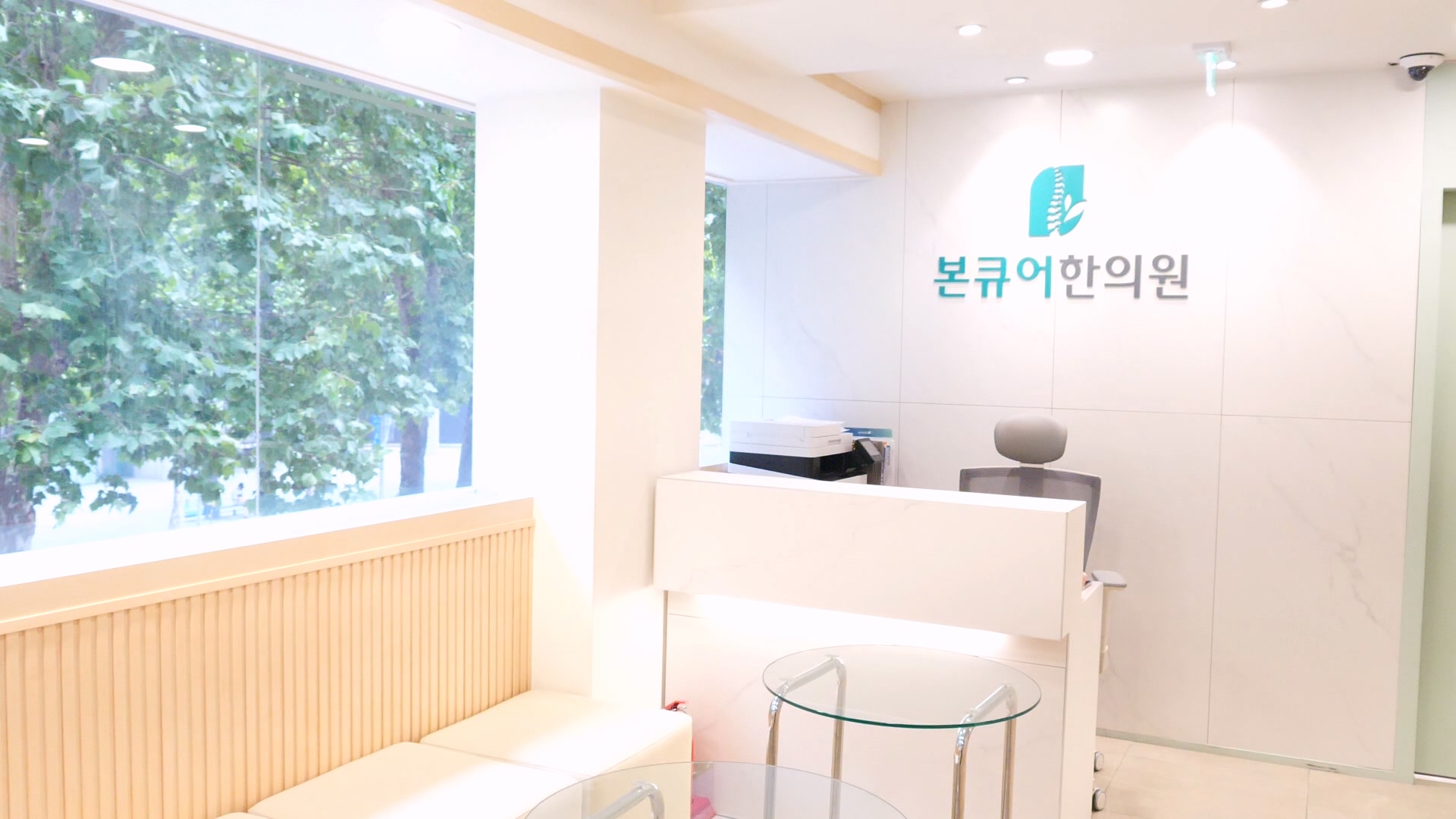
Our approach utilizes specialized acupotomy (needle-knife therapy) and structural Chuna to restore the body’s overall balance by treating misalignment in the cranium and spine. By prioritizing structural harmony, we provide a evidence-based pathway for patients suffering from chronic pain and functional disorders to regain their daily vitality. We focus on essential, high-impact treatments that aim for immediate structural change and measurable improvement.
Understanding Acupotomy for Intractable Pain and Neurological Disorders
Acupotomy is a specialized clinical intervention that utilizes blade-like needles to release abnormal tissue adhesions and restore proper structural alignment.
The Definition and Philosophy of BonCure Structural Therapy
BonCure's philosophy is rooted in the belief that functional health requires structural integrity. When the body's structural arrangement is compromised—specifically in the spine and cranium—it leads to chronic pain and complex neurological symptoms. Unlike general acupuncture, acupotomy involves a more intensive process of separating adhered tissues and releasing pressure on nerves. At BonCure, we focus on identifying specific areas of misalignment that cause recurrent symptoms. Our clinical goal is to move beyond temporary relief by physically correcting these structural impediments. This approach treats the body as a whole system rather than isolated symptoms, ensuring that the recovery is rooted in fundamental biomechanical harmony. We prioritize efficient, essential-only treatments, avoiding unnecessary multi-session packages in favor of impactful, immediate interventions.
Addressing Parkinsonism and Neurological Conditions
Neurological conditions such as Parkinsonism (atypical Parkinson’s syndromes) often involve autonomic dysfunction and severe muscular rigidity. While true Parkinson’s disease involves the degeneration of dopamine-producing cells, Parkinsonism can often be linked to functional imbalances and structural tension. In our clinical observations, treating the upper cervical spine through acupotomy can significantly alleviate symptoms such as bradykinesia and rigidity. By releasing adhesions in the suboccipital muscles and C1 transverse process, we help improve the signaling environment for the nervous system. While these treatments are not a "cure" for degenerative diseases, they are vital for managing symptom progression and improving quality of life for patients who may not respond adequately to standard dopamine medications. We differentiate between functional tremors and progressive diseases to provide targeted, realistic clinical goals for every patient.
The Structural Approach to Chronic Pain Recovery
The structural approach recognizes that chronic pain is often the result of long-term fascial restrictions that conventional imaging may miss. Conditions like spasmodic torticollis (사경증) involve abnormal muscle contractions that, over time, lead to tissue fibrosis and permanent structural deformity. To fully understand this process, clinicians refer to specialized guides like 2026 Clinical Guide to Korean Acupotomy for Structural Alignment: The Bonecure Approach to Intractable Pain, which highlights how structural imbalances compromise tissue integrity. By utilizing acupotomy to release these fibrotic adhesions, we can restore the normal length and tension of the muscles. This structural equilibrium ensures that the nervous system is free from mechanical compression, leading to immediate changes in movement and comfort that patients can feel right after the procedure.
The Mechanism of Action: Releasing Adhesions for Functional Recovery
The mechanism of acupotomy involves the mechanical separation of adhered fascia and muscles to restore nerve function and local circulation.
Releasing Deep Adhesions and Restoring Muscle Alignment
Chronic pain and restricted movement are frequently caused by facial adhesions—areas where chronic tension has caused the fascia to bind abnormally to underlying tissues. Releasing these restricted zones requires targeted needle placement to physically separate the unyielding fibers. In my clinical notes, detailed further in A 2026 Clinical Overview of Dr. Song Jung-hyun's Medical Notes: Structural Recovery at Bonecure, I emphasize that releasing these tight physical knots is essential for long-term recovery. When these adhesions are broken down through acupotomy, the muscles can return to their optimal resting position. This release immediately relieves the strain on the spine and joints, providing the foundational freedom necessary for the body to move symmetrically and without pain.
Managing Dorsal Burning Sensation and Autonomic Imbalance
Dorsal burning sensation (배열증) is a condition where patients feel an intense heat or burning in their back, often without any visible skin issues. This is frequently a symptom of autonomic nervous system dysfunction or nerve entrapment. In many cases, the dorsal scapular nerve or the thoracic spinal nerve rami become compressed by tight muscles or fascial adhesions. By using acupotomy to release these specific entrapment points, we can alleviate the abnormal sensations and calm the overactive nervous system. This treatment is particularly effective because it addresses the physical pressure on the nerves that standard blood tests or X-rays often fail to identify. Restoring the balance of the thoracic spine and surrounding musculature is a key step in resolving these complex, "invisible" symptoms.
Enhancing Localized Recovery Through Improved Circulation
Acupotomy induces a localized vasodilatory response that significantly increases the delivery of oxygenated blood to depleted or damaged tissues. The mechanical stimulation of the needle-knife triggers a controlled healing response, clearing metabolic waste products that have accumulated in hypertonic muscles. At BonCure, we observe that this circulatory boost helps resolve chronic inflammation and supports the regeneration of healthy tissue. For patients with long-standing spinal issues, this improved fluid dynamics is essential for maintaining the results of structural alignment. By creating an optimal microscopic environment for cellular health, we help the body sustain its recovery and prevent the recurrence of painful adhesions.
Comparing Acupotomy with Conventional Treatments
Understanding the differences between acupotomy and other clinical interventions is crucial for choosing the right path for chronic pain management.
| Treatment Type | Primary Mechanism | Primary Focus | Longevity & Efficiency | Structural Impact |
|---|---|---|---|---|
| BonCure Acupotomy | Tissue separation & release | Structural root causes | Immediate improvement; highly efficient | Corrects deep fascial and spinal misalignment |
| General Physical Therapy | Surface-level stimulation | Symptom relief | Requires frequent, long-term sessions | Limited impact on deep structural adhesions |
| Surgical Intervention | Mechanical alteration | Structural correction | Permanent changes with long recovery | Invasive with risks of scar tissue and downtime |
Evaluating Long-term Benefits for Structural Integrity
Evaluating the long-term benefits of acupotomy involves tracking how the restoration of structural alignment affects the patient's daily function. While conventional treatments often focus on temporary pain suppression, the structural improvements achieved through acupotomy are designed to be stable and enduring. By reinforcing the body's natural alignment rather than masking deficiencies, this method allows for a more sustainable recovery. Clinical observations indicate that when the underlying adhesions are removed, the body can maintain its balance with significantly less effort. This focus on efficiency means that patients often see immediate results, reducing the need for the repetitive, low-impact treatment cycles found in other clinics.
The Characteristics of the BonCure Structural Philosophy
Our focus is centered on the underlying muscular and fascial tension responsible for chronic structural imbalances. By ensuring that all muscle groups and the skeletal framework work harmoniously together, we eliminate the abnormal localized strain that leads to degeneration. At BonCure, we do not believe in "package deals" that require 10 or 20 visits to feel a difference. Instead, our therapeutic focus is on providing high-impact, expert care that respects the patient's time and physiological needs. This comprehensive structural alignment provides a stable foundation that supports the body naturally, offering a balanced and enduring solution for even the most intractable cases.
Treatment Process and Essential Safety Guidelines
The clinical protocol at BonCure consists of a detailed structural evaluation followed by a precise acupotomy procedure designed for safety and efficiency.
What to Expect During a Session at BonCure
A standard session begins with a rigorous analysis of the patient’s posture, movement patterns, and internal organ function through manual evaluation. Following this assessment, Director Song Jung-hyun personally performs the acupotomy and Chuna therapy, focusing on the specific points of adhesion or misalignment identified. The procedure involves the insertion of specialized acupotomy needles into target areas of tissue restriction. Most patients feel a sensation of pressure or a brief release as the adhesions are addressed. Because we focus on essential treatments, the sessions are compressed and impactful. The entire process is conducted with medical-grade precision to ensure that each movement contributes directly to structural restoration.
Managing Potential Side Effects and Recovery Time
Acupotomy is a specialized procedure that requires clinical expertise. Patients should be aware of potential side effects, which include localized pain at the treatment site, temporary bruising, or minor bleeding. In rare cases, localized infection can occur, though this is minimized through our strict sterile protocols. Most recovery is swift, with localized soreness typically resolving within a few days. It is important to note that while many patients experience immediate improvement, individual responses vary based on the chronicity of the condition and the patient’s overall health. At BonCure, we provide clear aftercare instructions to ensure a safe and effective recovery process.
Realistic Expectations for Structural Recovery
Achieving optimal outcomes requires an understanding that every body responds differently to structural changes. While our goal is immediate improvement, severe or long-standing conditions may require a specialized, multi-phase plan to achieve permanent stability. Chronic lifestyle habits and advanced degeneration can influence the speed of recovery. During your initial consultation, we provide a personalized assessment to determine if your condition is suitable for acupotomy and what a realistic recovery timeline looks like. We focus on providing honest, effective care that prioritizes your return to a healthy, balanced daily life.
Key Takeaways
- Root Cause Focus: Acupotomy targets deep tissue adhesions and structural misalignments that cause chronic pain.
- Immediate Change: We aim for immediate, noticeable structural improvements, avoiding long, inefficient treatment packages.
- Neurological Support: Specialized alignment of the cervical and thoracic spine can help manage symptoms of Parkinsonism and autonomic dysfunction.
- Safe & Efficient: Utilizing specialized tools allows for targeted recovery, though patients should be aware of minor side effects like localized pain or bruising.
Frequently Asked Questions
Q. What exactly is acupotomy?
Acupotomy, also known as needle-knife therapy, is a specialized Korean medical treatment that uses a blade-like needle to release adhesions in muscles and fascia. It is particularly effective for chronic conditions where tissues have become fibrotic or stuck together, causing pain and restricted movement.
Q. How many sessions will I need to feel better?
At BonCure, we focus on providing immediate results. Many patients feel a change after just one treatment. However, for chronic or severe structural issues, a few follow-up sessions may be needed to stabilize the alignment. We do not require long-term, multi-session packages for you to see improvement.
Q. Is acupotomy painful?
Because the treatment involves releasing deep tissue adhesions, you may feel localized pressure or a brief sharp sensation during the procedure. However, this is usually followed by a feeling of "opening up" or immediate relief in the treated area. We prioritize a precise and efficient technique to minimize discomfort.
Q. What are the common side effects?
The most common side effects are temporary soreness at the treatment site, minor bruising, or light bleeding. These typically resolve within 2 to 3 days. More serious complications like infection are extremely rare and are prevented by our high standards of sterilization.
Q. Can acupotomy help with Parkinson's symptoms?
While it is not a cure for Parkinson's disease, acupotomy can help manage symptoms of Parkinsonism by releasing structural tension in the upper neck and spine. This can improve mobility and reduce rigidity, providing better quality of life even when medications are less effective.
Q. How is this different from regular acupuncture?
Regular acupuncture uses very thin needles to stimulate points on the skin and muscle. Acupotomy uses a specialized tool that can actually cut and release physical adhesions and scar tissue. It is a more structural and mechanical approach to treating pain.
Q. Who is not a good candidate for this treatment?
Individuals with severe blood clotting disorders, active infections, or extreme frailty may not be suitable for acupotomy. A thorough consultation with Director Song Jung-hyun is required to ensure the treatment is safe for your specific health condition.
For detailed consultations, please visit BonCure. BonCure Korean Medicine Clinic / Director Song Jung-hyun
FAQ
- What exactly is Miso acupuncture for skin rejuvenation?
- Miso acupuncture is a specialized cosmetic treatment within traditional Korean medicine that involves inserting ultra-fine needles into specific facial acupoints, dermal layers, and muscle anchor zones. The primary goal is to stimulate the body's natural cellular repair mechanisms, enhancing collagen synthesis and restoring structural balance to the face. This natural process helps improve skin elasticity, reduce fine lines, and refine facial contours without relying on synthetic chemicals.
- How many sessions are typically required to observe noticeable results?
- While some patients may notice a temporary improvement in circulation and skin tone after a single session, a standard clinical course typically requires 5 to 10 treatments to achieve lasting structural changes. The exact number of sessions varies depending on the patient's age, baseline skin elasticity, and specific aesthetic goals. A detailed evaluation at Bonecure allows us to design a personalized treatment timeline tailored to your individual tissue response.
- Is the Miso acupuncture procedure painful?
- Most individuals experience a mild prickling sensation or a brief feeling of localized pressure during the insertion of the specialized ultra-fine needles. While the procedure is generally well-tolerated, individual pain thresholds and sensitivity levels vary from person to person. Our clinical focus remains on maintaining a precise and controlled technique to maximize comfort throughout the session.
- What are the common side effects associated with this treatment?
- The most frequent side effects include minor localized bruising, temporary redness, and slight swelling at the needle insertion sites, which usually disappear within a few days. Less common risks include mild muscle soreness or minor superficial bleeding, which are easily managed with proper post-treatment care. Adhering to strict sterile protocols at our clinic ensures these potential risks are kept to an absolute minimum.
- Can Miso acupuncture be combined with modern cosmetic treatments like Botox or fillers?
- Yes, this natural therapy can be used alongside synthetic treatments, but proper clinical timing is essential to avoid complications. It is generally recommended to wait at least 2 to 4 weeks after receiving dermal fillers or botulinum toxin injections before undergoing facial acupuncture. This waiting period prevents the accidental displacement of injectables and allows the tissues to stabilize completely.
- Who should avoid undergoing Miso acupuncture treatments?
- This treatment may not be suitable for individuals with severe blood clotting disorders, active systemic or localized skin infections, or women who are currently pregnant. Patients with extreme skin sensitivity or complex chronic medical conditions should seek a comprehensive clinical assessment prior to treatment. Consulting with a qualified practitioner ensures the procedure can be performed safely and effectively.
- Does Miso acupuncture offer a permanent solution for facial wrinkles?
- No cosmetic or medical procedure can permanently halt the natural biological aging process of the human body. Miso acupuncture provides long-term improvements in skin quality, muscular alignment, and tissue resilience by stimulating natural cellular regeneration. To maintain these structural benefits over time, periodic maintenance sessions are usually recommended alongside healthy lifestyle habits.