
Post
Restoring Life through Structural Alignment: A Guide to Acupotomy and Autonomic Health at BoneCure
Structural integrity is the foundation of a healthy life. At BoneCure, we focus on identifying the root causes of pain and functional disorders by correcting misalignments in the cranium and spine.
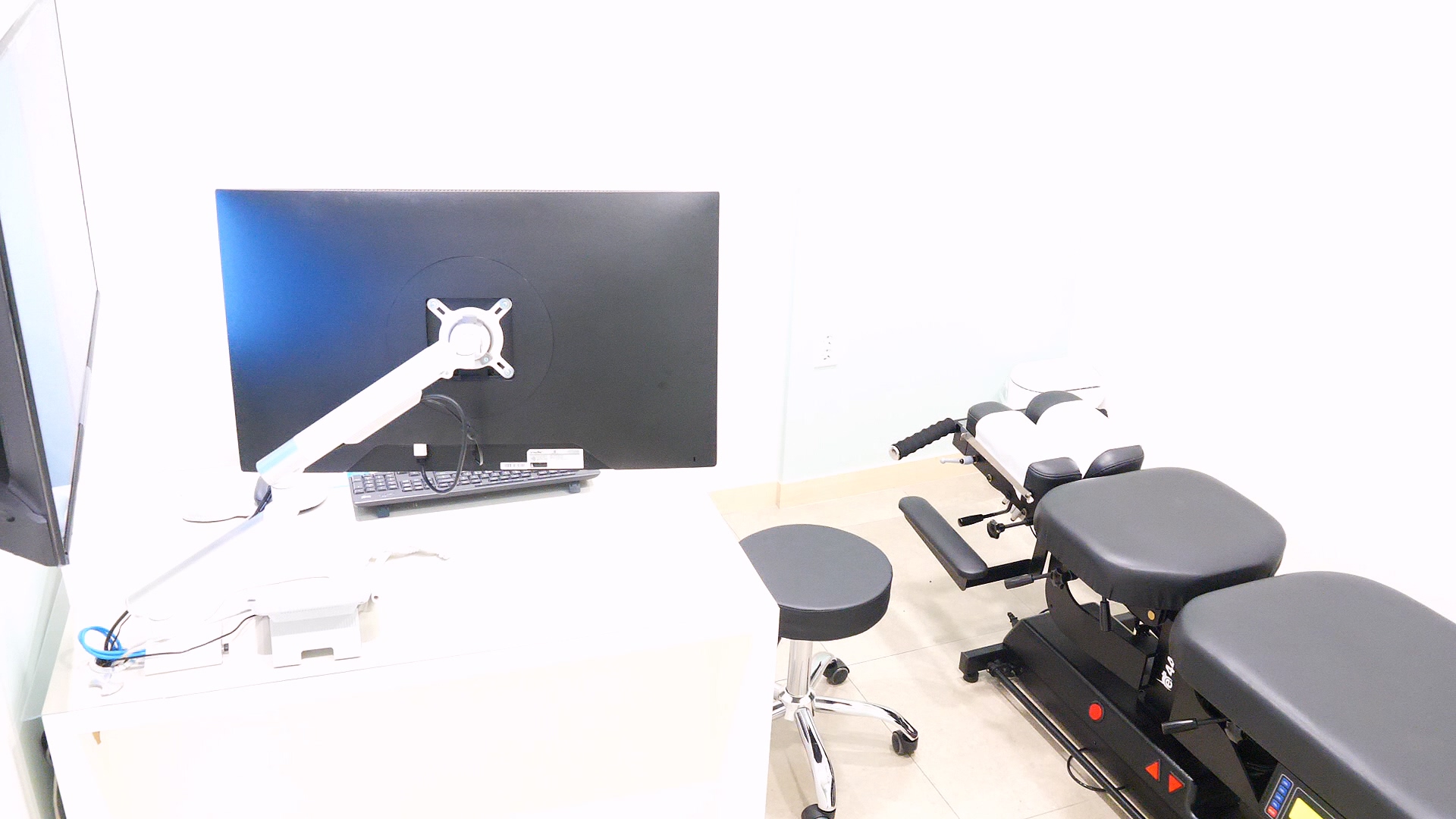
When the body's structure is restored, the nervous system function may improve, which can support the body's natural recovery processes. However, results vary by individual. I am Song Jeong-hyeon, the representative director of BoneCure Korean Medicine Clinic, and I have dedicated my practice to mastering Acupotomy and structural restoration to help patients regain their vibrant daily lives.
The Philosophy of Immediate Recovery: Root-Cause Structural Therapy
At BoneCure, we focus on efficient, targeted treatment plans designed to address the source of dysfunction. Our philosophy is built on the goal of "Rapid Recovery Support." While individual results vary depending on the severity of the condition, we aim for patients to experience a positive change in their symptoms as the structure is corrected and adhesions are released. We prioritize high-impact treatments that respect the patient's time and focus on restoring functional movement as effectively as possible.
Acupotomy: Breaking the Cycle of Chronic Adhesion
Acupotomy, or Dochim (blade-needle therapy), is our primary tool for treating chronic, recalcitrant pain. Unlike standard acupuncture, Dochim is designed to physically release fibrotic adhesions and thickened fascia that trap nerves and restrict blood flow. This is not a "one-size-fits-all" approach; we precisely identify the points where structural issues have led to tissue scarring. By releasing these adhesions, we aim to help restore the natural length and elasticity of muscles, which can be beneficial for posture correction and relieving nerve pressure. Please note that Acupotomy may cause temporary pain, minor bleeding, or rarely, infection at the site, and effects differ for each patient.
Diagnostic Precision through Collaboration
While BoneCure is a specialized clinic focusing on manual and needle-based interventions, we maintain rigorous standards of diagnostic accuracy. For patients requiring detailed imaging such as X-rays, CT scans, or MRIs—particularly for spinal misalignments or automotive accidents—we collaborate closely with Harrison Hospital. This partnership ensures that our structural treatments are informed by precise medical data, allowing for a safer and more effective therapeutic process. In-house, we focus on movement assessments, postural evaluation, and visceral function tests to create a personalized treatment map for every individual.
Specialized Care for Neurological and Autonomic Disorders
Our clinical expertise extends beyond simple musculoskeletal pain. We specialize in managing complex conditions where the nervous system and physical structure intersect, such as Parkinsonism and autonomic dysfunction.
Distinguishing Parkinson’s Disease from Parkinsonism
It is vital to distinguish between Parkinson’s Disease (PD) and Parkinsonism (Atypical Parkinsonism). While PD involves the degeneration of dopamine-producing cells and often responds well to medication, Parkinsonism refers to a group of disorders with similar symptoms—such as tremors, rigidity, and bradykinesia—that may not respond to dopamine. In my clinical experience, patients with "Parkinsonism" or "Atypical Parkinsonism" (such as MSA or PSP) may observe meaningful improvements in their quality of life when we address upper cervical misalignments. By performing intensive Acupotomy on the suboccipital muscles and C1 transverse process, we aim to help some patients manage "slowed movement" (bradykinesia) and autonomic symptoms. As with any medical procedure, individual responses vary and chronic conditions often require multiple sessions. While these results can be significant for some, it is important to note that individual responses to treatment vary and chronic conditions may require multiple sessions.
Managing 'Baeryeol-jeung': The Burning Sensation in the Back
Many patients suffer from "Baeryeol-jeung," a condition where the back feels as if it is burning or on fire, despite the skin appearing normal. This is often an "abnormal sensation" (dysesthesia) caused by the entrapment of the Dorsal Scapular Nerve or the Thoracic Dorsal Rami. When the thoracic spine is misaligned or the surrounding muscles like the rhomboids and multifidus become fibrotic, they compress these nerves. This doesn't just cause pain; it can trigger autonomic symptoms like heart palpitations or insomnia. At BoneCure, we use Acupotomy to release these specific entrapment points, which may help in reducing nerve irritation and alleviating the burning sensation. Results depend on the individual's physical state and the chronicity of the condition. Please note that the degree of relief depends on the individual's physical state and the chronicity of the nerve entrapment.
Addressing Dystonia and Structural Imbalance
Cervical Dystonia (Sakyung-jeung) is another area of focus. While some cases are simple muscle tension, persistent dystonia involves the fibrotic hardening of neck muscles due to repeated abnormal motor signals.
Improving Muscle Fibrosis in Dystonia
When the body receives constant abnormal contraction signals, the muscles eventually undergo fibrosis—they lose their elasticity and become permanently shortened. Structural correction of the spine alone is insufficient at this stage. We use Acupotomy to physically detach the adhesions, which can help in restoring the muscle toward its normal length. This procedure may involve temporary soreness or bruising, and its effectiveness varies by patient. By combining this with TMJ correction and Chuna therapy, we aim to address the extrapyramidal system's pressure and the local physical damage simultaneously. This integrated approach is designed to support the body's recovery, though clinical outcomes can differ between patients. Our focus on structural precision is rooted in a commitment to providing meticulous care based on clinical principles for every patient.
A Commitment to Honest and Efficient Care
We provide only the necessary treatments tailored to each individual's needs. At BoneCure, every intervention is designed to be essential and focused on the patient's specific structural issues. Our goal is to be a dedicated sanctuary for those seeking specialized care for complex conditions, providing intensive and personalized care for each patient. We treat every individual with dedication, focusing on achieving relief in applicable cases, though results and recovery times vary by individual. To learn more about our specific pain relief methods, visit our guide on Advanced Acupotomy in Seoul: Root Cause Pain Relief at BoneCure Korean Medicine Clinic.
Frequently Asked Questions
Q. How many sessions are required to see a difference?
We aim for efficient recovery. While some patients may notice an improvement in symptoms or range of motion after the very first treatment, the total number of sessions required depends on the severity of the structural damage and individual healing rates. The total number of sessions depends on the severity of the structural damage, but progress is monitored session by session.
Q. Is Acupotomy (Dochim) safe for neurological conditions?
Yes. In fact, it is often the preferred method for releasing the nerve entrapments that cause neurological symptoms. While there are material risks such as temporary soreness, minor bruising, or a rare risk of infection, these are managed through strict sterilization. It is important to understand that treatment outcomes vary by individual, and chronic or severe cases may require a series of treatments to achieve the desired results.
Q. Can BoneCure help with Atypical Parkinsonism?
While we do not claim to "cure" degenerative brain diseases, we focus on managing the symptoms and slowing the progression. For those with Atypical Parkinsonism who do not respond to dopamine meds, our focus on the upper cervical spine and autonomic nervous system may help support mobility and quality of life, though outcomes are not guaranteed and vary for each patient.
Q. What should I expect during my first visit?
Expect a deep dive into your physical structure. I will personally evaluate your posture, movement, and visceral functions. If necessary, I will refer you to our partner hospital for imaging. The treatment itself is intensive and focused on the root cause—expect a highly efficient session designed for maximum impact.
Key Takeaways
- BoneCure focuses on immediate structural restoration and root-cause treatment rather than long-term symptom management.
- Acupotomy (Dochim) is used to physically release fibrotic adhesions and nerve entrapments in chronic pain and dystonia.
- We provide specialized care for Parkinsonism and Baeryeol-jeung by focusing on upper cervical and thoracic alignment.
- Diagnostic precision is ensured through collaboration with Harrison Hospital for X-ray and MRI imaging.
- Every treatment is personalized and performed directly by the representative director to ensure a high level of clinical skill.
BoneCure Korean Medicine Clinic / Song Jeong-hyeon
FAQ
- What defines the Korean medicine approach to women's health?
- It is a holistic system that focuses on balancing internal energies such as Qi and Blood while addressing specific structural alignments. At Bonecure, we combine traditional herbal wisdom with structural corrections to treat the root cause of gynecological discomfort. This dual approach ensures that both chemical and physical factors are addressed simultaneously.
- How does acupuncture help with menstrual pain and irregularities?
- Acupuncture stimulates specific points to improve blood circulation in the pelvic area and regulate the endocrine system. While many find relief after 1 or 2 sessions, results vary depending on the individual's condition and underlying health status. It is a natural way to manage symptoms without reliance on pharmaceutical painkillers.
- What is the Bonecure specialized Acupotomy treatment for women?
- Acupotomy, or Dochim, uses a specialized needle to release adhesions in soft tissues. For women's health, it often focuses on the pelvic and spinal structures to restore nerve function and blood flow to reproductive organs. It is particularly effective for chronic cases that have resisted conventional treatments.
- Are there any risks or side effects associated with these treatments?
- Common side effects may include temporary soreness at the site, minor bruising, or localized swelling, which usually resolve within 24 hours. There is a very low risk of infection, which we manage through strict sterilization protocols. We provide a thorough consultation before every session to minimize any risks and ensure safety.
- How many sessions are typically required for postpartum recovery?
- The duration of treatment is highly individualized, though many patients follow a plan of 10 to 20 sessions. While some patients notice improvements in vitality and pain levels quickly, chronic or severe cases may require a more consistent plan over several weeks. We adjust the treatment based on the patient's recovery progress.
- Can Korean medicine be integrated with conventional fertility treatments like IVF?
- Yes, many patients use integrative medicine in Seoul to support fertility by improving the uterine environment. Our treatments focus on reducing stress and enhancing blood flow to the reproductive organs, though they do not replace standard medical procedures. We work alongside your conventional care to optimize the chances of success.
- What determines the cost of women's health treatments at Bonecure?
- Costs are based on the complexity of the condition, the type of specialized needles used, and the specific herbal ingredients prescribed. Since every treatment plan is customized, we encourage a face-to-face consultation for an accurate assessment and transparent pricing. This ensures that you receive the most effective care for your specific needs.