
Post
A Guide to the Korean Medicine Doctor Blog: Bridging Evidence and Tradition at Bonecure
Hello. I am Dr. Song Jeong-hyeon, a Korean medicine doctor specializing in acupotomy and structural restoration for many years.
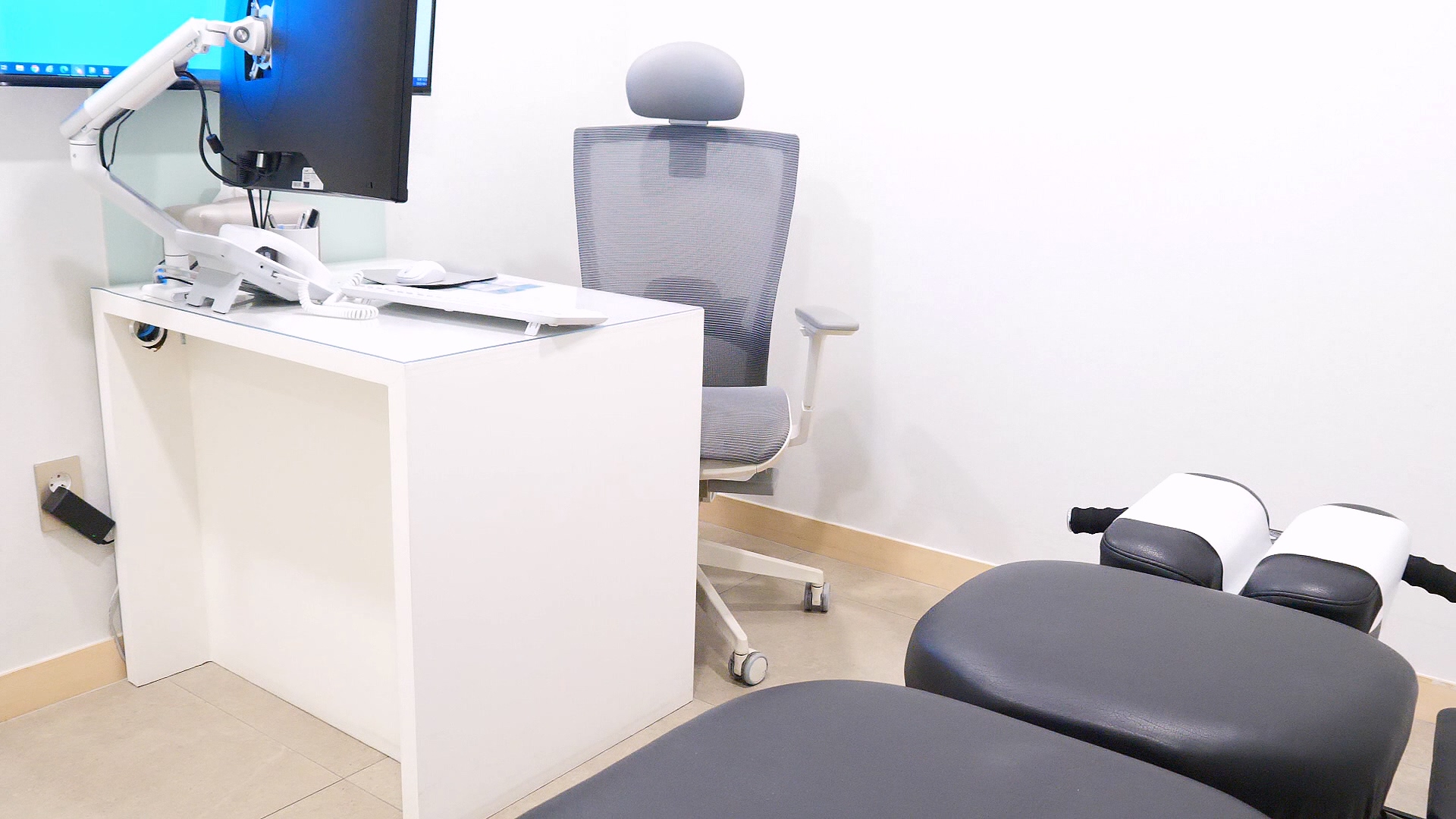
A professional Korean medicine doctor blog serves as an educational portal where clinical expertise meets patient advocacy to foster better healthcare outcomes. Through this medium, I aim to clarify the mechanical and systemic benefits of traditional therapies while grounding every claim in clinical observation.
Understanding the Essence of a Korean Medicine Doctor Blog
A professional Korean medicine doctor blog acts as a verified source of medical intelligence that bridges the gap between traditional treatment philosophies and modern evidence-based clinical practices. By synthesizing these two worlds, practitioners can offer patients a clearer understanding of how non-invasive or minimally invasive techniques address the root causes of their physical discomfort.
Bridging Ancient Wisdom and Modern Clinical Evidence
Navigating the intersection of traditional practices and modern science is the primary objective of a professional Korean medicine doctor blog. In today’s fast-paced healthcare environment, patients often seek more than just a prescription; they look for a comprehensive understanding of how millennial-old wisdom applies to their current ailments. At Bonecure, we focus on synthesizing classical diagnostic methods, such as movement evaluation and visceral function assessment, with contemporary clinical evidence to create a transparent roadmap for healing. This approach is not about choosing one system over another but about finding the synergy between them. For instance, while ancient texts describe the flow of energy, modern clinical notes translate these concepts into neurological and musculoskeletal terms that patients can easily grasp. By providing this educational bridge, a blog helps demystify treatments like acupuncture or herbal decoctions. It empowers individuals to take an active role in their recovery journey by grounding their decisions in reliable, evidence-based medical information.
The Role of Professional Clinical Notes in Patient Education
One of the most valuable aspects of a Korean medicine doctor blog is the presence of professional clinical notes. These notes serve as a secondary consultation for patients, offering deep dives into specific cases that reflect their own struggles. At Bonecure, I prioritize documenting the structural restoration process to show how alignment affects the whole body. For example, my official Naver blog (blog.naver.com/songhanisa) features clinical records that provide a database for comparative healing. These records transform abstract medical theories into tangible evidence. Patients can see how others with similar conditions, such as chronic disc issues or complex neurological symptoms, have navigated their treatment plans. This transparency builds a foundation of trust before a patient even enters the clinic. By sharing these detailed insights, a practitioner ensures that the healthcare journey is collaborative. Educational notes explain the rationale behind every needle placement and herbal ingredient, making the healing process predictable.
Navigating Reliable Medical Information in the Digital Landscape
Finding reliable medical information in the digital landscape can be daunting for patients seeking traditional care in Seoul. A Korean medicine doctor blog acts as a beacon of clarity amidst a sea of unverified health claims and promotional content. At Bonecure, the focus is always on evidence-first communication, ensuring that every claim regarding efficacy is backed by clinical observation or established research. The role of the practitioner in this digital space is to filter out the noise and present facts that matter to the patient's long-term well-being. This includes being honest about the limitations of treatment and the necessity of patient compliance. Whether it is explaining the nuances of herbal prescriptions or the mechanical benefits of spinal correction, the goal is to provide a comprehensive resource that stands up to scrutiny. By maintaining a high standard of digital professionalism, a clinic can foster a better-informed community that values structural health and preventative wellness over temporary relief.
Comprehensive Approaches to Chronic Pain Management in Seoul
Chronic pain management in Seoul involves a multidimensional strategy focused on restoring structural integrity through a combination of manual techniques, acupuncture, and systemic herbal support. This holistic approach ensures that the body is treated as an integrated unit rather than a collection of isolated symptoms.
Evidence Based Acupuncture for Back Pain and Structural Integrity
Back pain is one of the most common reasons patients visit a clinic, and evidence-based acupuncture has proven to be a vital tool for structural integrity. Research indicates that specific needle placements can significantly reduce localized inflammation and modulate the nervous system. At Bonecure, we treat the spine not just as a source of pain, but as the central pillar of health. When the structural alignment of the vertebrae is compromised, it can lead to chronic nerve compression and muscle guarding. Acupuncture helps to break this cycle by stimulating natural endorphin release and improving blood flow to damaged tissues. While many see it as a simple pain-reliever, its true power lies in its ability to facilitate the body’s innate recovery mechanisms. Patients often find that after a series of sessions, their range of motion increases and their dependency on temporary analgesics decreases. However, it is important to remember that individual responses depend on the chronicity of the injury.
The Therapeutic Role of Pharmacopuncture and Physical Therapy
Pharmacopuncture and physical therapy are core components of our treatment protocol at Bonecure, offering unique benefits for long-term recovery. Pharmacopuncture involves the injection of purified herbal extracts into specific acupuncture points, combining the mechanical stimulation of a needle with the pharmacological benefits of traditional medicine. This approach is particularly effective for reducing inflammation in deep-seated muscle layers. Complementing this, our physical therapy programs help to stabilize the structural changes achieved during Chuna or acupotomy sessions. By focusing on restoring the natural length and tension of the muscles, these therapies support the immune system and promote healthy circulation. These methods are particularly effective for patients in Seoul who suffer from tension-related disorders due to stressful urban lifestyles. Together, they create a balanced internal environment, promoting faster healing and sustained vitality while addressing the mechanical root causes of discomfort.
Integrating Traditional Korean Medicine for Long Term Recovery
Integrating traditional Korean medicine into a long-term recovery plan ensures that the root cause of pain is addressed rather than just the symptoms. At Bonecure, we believe that lasting health requires a holistic view of the body’s structural and metabolic systems. This often involves the use of specialized herbal decoctions, known as Hanyak, which are tailored to the individual’s constitution. These formulas help to nourish the tendons and ligaments, providing the necessary nutrients for tissue repair after a mechanical adjustment. For instance, in complex cases where a patient has suffered for years with chronic symptoms like tinnitus or digestive issues, a combination of structural therapy and herbal support is essential. This integrative approach acknowledges that chronic pain is often a multifaceted issue involving both physical misalignment and internal depletion. By committing to a comprehensive protocol, patients can achieve a level of stability that prevents future relapses. It is about building a resilient body that can withstand the stresses of daily life.
Advanced Treatment Protocols at Bonecure
Advanced treatment protocols at Bonecure utilize specialized tools and diagnostic metrics to target deep-seated tissue adhesions and monitor the physical restoration of the skeletal structure. These methods are designed for patients who have not found relief through conventional therapies alone.
| Feature | Standard Acupuncture | Acupotomy (Chindo) |
|---|---|---|
| Tool Type | Thin, rounded needle tip | Specialized flat-blade tip |
| Primary Goal | Muscle relaxation and energy flow | Physical release of tissue adhesions |
| Condition | Acute pain, general tension | Chronic pain, thickened ligaments |
| Invasive Level | Minimally invasive | Targeted micro-surgical approach |
| Frequency | Often multiple times weekly | Fewer sessions, higher intensity |
Acupotomy for Targeted Adhesion Release and Tissue Regeneration
Acupotomy is a sophisticated technique used at Bonecure for targeted adhesion release and the promotion of tissue regeneration. Unlike standard needles, an acupotomy tool features a flat, blade-like tip designed to physically detach calcified or thickened tissues that have become stuck together. This process, often referred to as Chindo therapy, is crucial for patients with chronic conditions like frozen shoulder, spinal stenosis, or cervical dystonia (Sagyung-jeung) where manual therapy alone may not suffice. By releasing these adhesions, we can restore the natural gliding motion between muscles and nerves, significantly reducing pain. In my clinical experience, I have seen patients who struggled with severe limitations for years find relief through this precision-focused intervention. However, because it is an invasive procedure, patients may experience temporary localized pain, minor bleeding, or bruising at the site. While rare, there is always a small risk of infection, which is why we adhere to strict sterilization standards. It is a powerful tool for those needing deeper structural intervention.
A Comparison Between Standard Acupuncture and Acupotomy Techniques
Understanding the difference between standard acupuncture and acupotomy is essential for choosing the right treatment path at Bonecure. Standard acupuncture typically uses very thin, rounded needles to stimulate the nervous system and relax superficial muscle layers. It is excellent for acute pain and general stress management. In contrast, acupotomy is a micro-surgical approach that uses a specialized tool to tackle chronic structural barriers. While a standard needle might bypass a dense adhesion, the flat tip of an acupotomy needle is designed to enter and release it. This makes acupotomy particularly effective for 'hard' pain that feels stuck or deep. The choice of technique depends on the diagnostic metrics, such as X-ray findings and manual palpation of the tissue texture. Many of our treatment protocols involve a strategic combination of both to achieve optimal results. While acupotomy might involve more initial discomfort, the long-term benefit of releasing structural constraints is often much greater for chronic sufferers. Each session is tailored to the patient's specific anatomy.
Objective Progress Tracking Using Modern Diagnostic Metrics
At Bonecure, we utilize modern diagnostic metrics to provide objective progress tracking throughout the recovery process. We believe that feeling better should be matched by looking better on objective scans. This is why we often use whole-spine X-ray imaging to evaluate the structural alignment of the vertebrae before and after a series of treatments. By measuring specific angles and spinal curvatures, we can see the physical changes resulting from our interventions. For example, we monitor how a patient's spinal alignment progresses toward the physiological norm through regular examinations, though the duration and frequency of treatment vary depending on the individual's condition. Additionally, we use subjective scales like the Visual Analog Scale (VAS) or the Tinnitus Handicap Inventory to quantify improvement. In our clinical practice, we utilize objective evaluation scales to monitor the degree of improvement and ensure the treatment is progressing effectively for each individual case. These metrics ensure that our Traditional Medicine Clinical Notes: Structural Integrity and Evidence-Based Documentation at Bonecure Clinic are grounded in data, providing both the practitioner and the patient with a clear record of the healing journey.
Specialized Care for Neurological and Movement Disorders
Specialized care at Bonecure focuses on the stabilization of the autonomic nervous system and the management of neurological movement disorders. By addressing structural misalignments, we aim to improve systemic neurological function and patient quality of life.
Supportive Care for Parkinson’s Disease and Parkinsonism
Managing neurological conditions like Parkinson's disease and Parkinsonism (atypical Parkinson's) requires a careful balance between symptom relief and structural support. While Parkinson's is a progressive condition involving the degeneration of dopamine-producing cells, structural interventions can play a supportive role in symptom management. At Bonecure, we utilize acupotomy and upper cervical correction to help alleviate symptoms like bradykinesia (slowness of movement) or rigidity. For instance, releasing adhesions in the 후두하근 (suboccipital muscles) and around the C1 vertebrae can sometimes lead to immediate improvements in movement fluidity for certain patients. It is important to distinguish between true Parkinson's and Parkinsonism, as the latter often responds more dramatically to structural treatment. While we do not aim for a "cure" for progressive neurological diseases, our goal is to slow progression and improve the patient's daily functioning. Treatment plans are highly personalized, and results vary based on the stage and type of the disorder.
Addressing Autonomic Dysfunction Through Structural Correction
Addressing autonomic dysfunction requires a specialized focus on the cervical spine and the surrounding soft tissues. The autonomic nervous system can be severely affected by structural tension in the neck, leading to symptoms like dizziness, tinnitus, or 'Baeryul-jeung' (a burning sensation in the back). At Bonecure, I have observed that many patients suffering from these 'invisible' symptoms have significant misalignments in their upper vertebrae that compress or irritate nerve pathways. By using acupotomy to release deep-seated muscle tension and adhesions, we can help stabilize the nervous system’s signaling. This structural correction allows the body to shift from a state of chronic stress into a balanced state. This approach is documented in my Advanced Acupotomy in Seoul: Root Cause Pain Relief at BoneCure Korean Medicine Clinic regarding conditions like Autonomic Nervous System Disorder. While some patients experience relief after just a few sessions, chronic cases often require a more extended treatment plan to ensure the structural changes are permanent.
Safety Protocols and Managing Expectations for Individual Results
Safety protocols and managing patient expectations are paramount at Bonecure to ensure a positive treatment outcome. Every invasive procedure, including acupuncture and acupotomy, is performed under strict hygienic conditions using sterile, single-use tools. While these treatments are generally safe, it is important for patients to understand that individual results can vary based on their unique health history and the severity of their condition. Chronic or complex issues usually necessitate a commitment to multiple sessions to achieve stable structural restoration. We provide a A Professional Guide to Pulse Diagnosis Consultation: Integrating Traditional Insights with Structural Restoration to discuss potential side effects, such as localized soreness or minor bruising, which are common and temporary. It is also essential for patients to follow post-treatment advice, such as avoiding strenuous activity, to allow the body to heal. By maintaining a transparent dialogue about the limitations and possibilities of traditional medicine, we build a relationship based on trust and realistic goals. Our priority is your long-term health achieved through a careful approach.
Frequently Asked Questions
Q. What is the primary purpose of a Korean medicine doctor blog?
A Korean medicine doctor blog serves as a platform to share evidence-based clinical notes and medical insights. It helps patients understand complex treatments such as acupotomy and Chuna therapy while providing a transparent view of the clinical process at Bonecure. By educating the public, we empower patients to make informed decisions about their healthcare.
Q. How does acupotomy help with chronic neurological symptoms?
Acupotomy physically releases adhesions in thickened tissues that may be compressing nerves or limiting movement. By detaching these calcified tissues, we can restore proper structural alignment and nerve signaling, which is particularly beneficial for conditions like cervical dystonia or autonomic dysfunction. Results vary based on the individual's specific case.
Q. What is the difference between standard acupuncture and acupotomy?
Standard acupuncture uses thin needles to stimulate specific points for energy flow and muscle relaxation. Acupotomy involves a specialized tool with a flat blade to physically release adhesions in soft tissues. Acupotomy is often used for chronic conditions where tissues have become thickened or 'stuck' together over time.
Q. Are there any side effects associated with acupotomy?
As with any invasive procedure, acupotomy may cause temporary localized pain, minor bleeding, or bruising at the site of treatment. While rare, infection is a possibility, so we maintain strict sterilization protocols. Patients should discuss their complete medical history during the initial consultation to minimize risks.
Q. Can traditional medicine help with Parkinson’s disease?
Traditional Korean medicine focuses on managing the symptoms of Parkinson's and Parkinsonism through structural correction and herbal support. While it is a progressive disease, releasing tension in the upper cervical spine can help improve mobility and manage autonomic symptoms. It is used as a supportive therapy to improve quality of life.
Q. How many sessions are typically required for noticeable improvement?
The number of sessions depends entirely on the severity and duration of the condition being treated. While some patients experience relief early on, chronic or severe cases generally require a sufficient period of treatment; a specific plan is determined after a thorough diagnosis of the individual's state. A personalized plan is created after the initial exam.
Q. Is pharmacopuncture better than standard acupuncture for chronic pain?
Pharmacopuncture is often preferred for chronic or inflammatory conditions because it combines the mechanical stimulation of acupuncture with the medicinal effects of herbal extracts. However, the best treatment depends on your specific diagnosis. Many patients benefit from a combined approach using both techniques alongside structural correction.
Key Takeaways
- A Korean medicine doctor blog is an essential educational bridge between ancient wisdom and modern clinical evidence.
- Bonecure emphasizes structural restoration and precision-based acupotomy to address the root causes of chronic pain and neurological dysfunction.
- Objective tracking through X-rays and standardized scales ensures that treatment progress is measurable and transparent.
- Managing expectations and following safety protocols are critical for achieving optimal individual results in traditional medicine.
For more information or to schedule a consultation, please contact us.
Bonecure / Dr. Song Jeong-hyeon
FAQ
- What is the primary purpose of a Korean medicine doctor blog?
- A Korean medicine doctor blog serves as a platform to share evidence-based clinical notes and medical insights. It helps patients understand complex treatments such as acupuncture and herbal medicine while providing a transparent view of the clinical process at Bonecure. By educating the public, we empower patients to make informed decisions about their healthcare.
- How does acupuncture help with chronic back pain?
- Acupuncture aims to reduce inflammation and stimulate the nervous system to promote natural healing. At Bonecure, we focus on structural alignment to ensure that back pain is addressed at its source, although individual responses to treatment may vary. The technique encourages blood flow and triggers the release of the body's natural painkillers.
- What is the difference between standard acupuncture and acupotomy?
- Standard acupuncture uses thin needles to stimulate specific points for energy flow and muscle relaxation. Acupotomy involves a specialized tool with a flat blade to physically release adhesions in soft tissues. Acupotomy is often used for chronic conditions where tissues have become thickened or stuck together over time.
- Are there any side effects associated with acupotomy?
- As with any invasive procedure, acupotomy may cause temporary localized pain, minor bleeding, or bruising at the site of treatment. While rare, infection is a possibility, so we maintain strict sterilization protocols. Patients should discuss their complete medical history during the initial consultation to minimize risks.
- Can traditional medicine help with autonomic nervous system disorders?
- Yes, by focusing on the alignment of the cervical spine and reducing tension in the surrounding muscles, traditional Korean medicine can help stabilize the autonomic nervous system. This approach is often documented in clinical notes regarding conditions like tinnitus or dizziness. It helps the body return to a state of balance and relaxation.
- How many sessions are typically required for noticeable improvement?
- The number of sessions depends entirely on the severity and duration of the condition being treated. While some patients experience relief early on, chronic or severe cases generally require a series of treatments, sometimes up to 20 sessions, to achieve stable structural restoration. A personalized plan is created after the initial exam.
- Is traditional Korean medicine effective for women's health issues?
- Traditional Korean medicine has a long history of managing women's health by balancing hormones and improving pelvic circulation. We use a combination of acupuncture, herbal formulas, and moxibustion to support various stages of reproductive and hormonal health. These treatments focus on the whole body rather than just isolated symptoms.