
Post
Finding Lasting Relief for Chronic Itchy Ears through Structural Recovery at Bonecure
Hello. I am Song Jung-hyun, the representative director of Bonecure Korean Medicine Clinic.
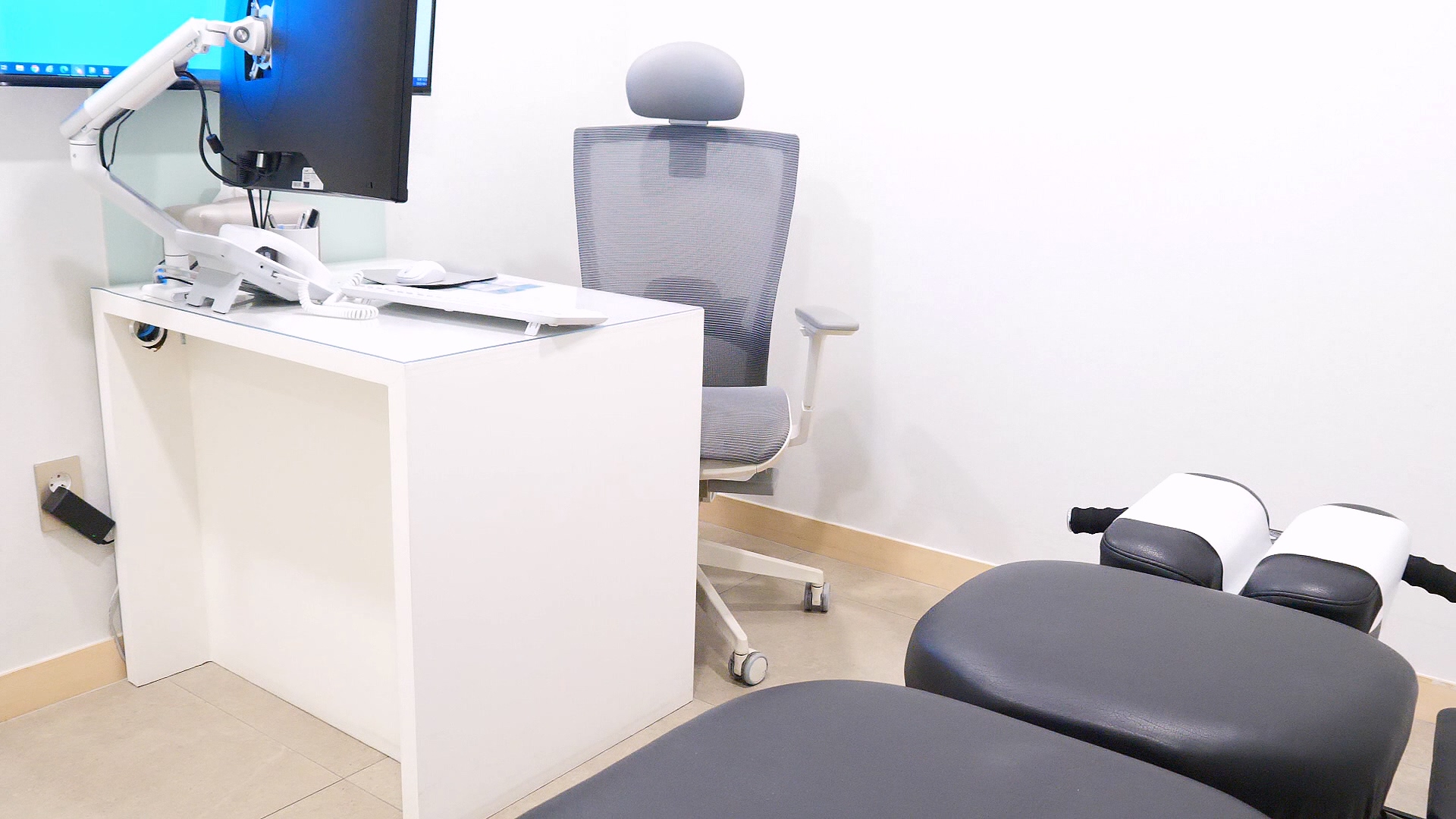
I have dedicated my career to Acupotomy and structural restoration, focusing on identifying the root causes of pain rather than just masking symptoms. Chronic itchy ears are often defined as a persistent, irritating sensation in the ear canal that does not resolve with standard hygiene or topical treatments. This condition frequently signals an underlying imbalance in the sensory nerves or the structural alignment of the surrounding tissues, requiring a deeper investigation into the nervous system's health to provide meaningful relief.
The Complex Nature of Chronic Itchy Ears and Nervous System Health
Chronic itching of the ear canal refers to a sensory disturbance where the nerves responsible for auditory sensation become hypersensitive due to internal or external triggers. While many people associate this with dryness, it often involves the intricate pathways of the autonomic nervous system and how it processes environmental stimuli.
Identifying persistent itching beyond simple earwax buildup
Persistent itching that remains even after the ear is cleaned is a clinical sign that the issue is neurological or structural rather than dermatological. In my experience at Bonecure, I have seen patients who have suffered for a long-standing period with various auditory irritations that failed to respond to conventional drops. Please note that individual results may vary depending on the patient's condition. These individuals often present with a clean ear canal under microscopic examination, yet they report a debilitating urge to scratch. This phenomenon suggests that the sensory receptors are firing incorrectly, often due to localized inflammation or nerve entrapment. When the skin appears healthy but the sensation remains intense, we must look at the deeper tissues and the neural pathways. Understanding that the ear is not an isolated organ but part of a connected sensory network is the first step toward recovery. By shifting the focus from the surface to the underlying nerve health, we can begin to address why these signals are misfiring in the first place.
The hidden connection between the vagus nerve and auditory sensations
The vagus nerve is a critical component of the parasympathetic nervous system that provides sensory innervation to parts of the external ear canal. When this nerve becomes irritated due to structural compression or systemic inflammation, it can send aberrant signals interpreted as itching. In clinical practice at Bonecure, I often observe that patients with chronic ear irritation also present with digestive issues or heart rate variability changes. These co-occurring symptoms suggest a broader autonomic dysfunction rather than a localized skin condition. Research indicates that approximately 80% of vagal fibers are sensory, meaning their primary job is to relay information back to the brain. If the nerve is pinched or restricted by surrounding fascia, the resulting neural itch cannot be resolved with surface-level creams. Instead, we must address the internal environment where the nerve resides. Restoring the balance of the autonomic nervous system is essential for dampening these overactive sensory signals and achieving lasting comfort in the auditory canal.
When autonomic nervous system imbalance manifests as sensory irritation
An imbalance in the autonomic nervous system, often called dysautonomia, can manifest as heightened sensitivity to sensory inputs, including the sensation of itching. This imbalance often occurs when the body remains in a prolonged state of stress, causing the sympathetic nervous system to remain overactive. This state can lead to the sensitization of small nerve fibers in the ear canal, making them react to even minor changes in temperature or pressure. At Bonecure, we focus on stabilizing this system to reduce the overall sensory load on the patient. For many, this process involves not only physical treatment but also lifestyle adjustments that support nervous system regulation. Patients often report that their itching intensifies during periods of high stress, which is a classic indicator of autonomic involvement. By calming the nervous system through targeted Korean medicine protocols, we help the body return to a state where sensory signals are processed correctly. This holistic approach ensures that the relief is not just temporary but built on a stable physiological foundation.
Structural Integrity and the Role of the Cervical Spine in Ear Health
Structural integrity in the context of ear health refers to the proper alignment of the cervical spine and the temporomandibular joint, which directly influences the nerve pathways leading to the ears. When these structures are misaligned, they can exert mechanical pressure on the nerves, leading to various auditory symptoms including itching, tinnitus, or a feeling of fullness.
How cervical misalignment impacts the sensory nerves of the ear canal
The cervical spine, particularly the upper vertebrae C1 and C2, serves as the primary structural support for the head and a conduit for major nerves. If these vertebrae are misaligned, they can cause tension in the suboccipital muscles, which in turn compresses the nerves that branch out toward the ear. This mechanical irritation often leads to phantom sensations, such as persistent itching or a crawling feeling inside the ear. At Bonecure, we utilize structural assessments to determine if a patient's ear symptoms are actually rooted in their neck. Correcting these misalignments is vital because no amount of ear-specific medication can fix a nerve that is being physically pinched by a bone or a tight muscle. Clinical observations show that restoring the natural curve of the neck can significantly reduce the frequency and intensity of sensory disturbances. This structural approach addresses the mechanical root cause, allowing the nerves to heal and function without interference from surrounding skeletal issues.
Insights from a professional Korean medicine doctor blog on structural balance
Maintaining structural balance is a core philosophy in my clinical practice because the body functions as an integrated whole. On this blog, I emphasize that the ears do not exist in a vacuum; they are deeply connected to the posture of the neck and the alignment of the jaw. When I treat patients for chronic ear issues, I always look at their global posture and spinal health. A forward head posture, which is increasingly common in 2026 due to digital device use, places immense strain on the nerves and blood vessels that supply the ear. By realigning the spine, we improve the blood flow and neural communication necessary for healthy ear function. This is not just about bones; it is about the soft tissues, nerves, and vessels that rely on those bones for proper spacing. My goal is to educate patients on how their daily habits and physical structure contribute to their symptoms. Through this integrated perspective, we provide a more comprehensive form of care that transcends simple symptom management and aims for total body harmony.
Traditional medicine clinical notes regarding neck tension and ear sensitivity
In traditional Korean medicine, we have long recognized that the channels of energy and blood flow passing through the neck are vital for the health of the sensory organs. Clinical notes from various cases highlight that individuals with chronic neck stiffness frequently suffer from ear-related sensitivities. This is often due to the accumulation of what we call stagnant fluid or poor circulation in the upper body regions. When the muscles around the ears and neck are chronically tight, they create a stagnant environment that irritates local nerve endings. At Bonecure, we address this through techniques that release these deep-seated tensions. For instance, in a case involving a patient with significant auditory discomfort, addressing neck tension led to a meaningful improvement in their subjective quality of life. It is important to remember that this is an individual case and does not guarantee the same outcome for every patient. These results suggest that physical tension in the neck is a major contributor to the hypersensitivity of the ear canal. By focusing on these clinical patterns, we can apply centuries of wisdom to modern structural problems, resulting in effective and natural relief.
Integrative Approaches for Long-Term Relief at Bonecure
Integrative approaches at Bonecure involve combining traditional Korean medical techniques with modern structural analysis to treat the root causes of chronic conditions. By utilizing both physical manipulation and specialized treatments, we aim to restore the body's natural healing capabilities and focus on preventing future discomfort once the initial treatment phase is complete.
Understanding the Bonecure Approach to Structural Recovery
At Bonecure, our structural therapy focuses on root cause alignment and nerve health to support functional recovery. Unlike surface-level treatments that may only offer temporary relief, our mechanism involves the mechanical release of nerve compression through precise, impactful procedures. While patients may experience temporary muscle soreness or mild bruising as a side effect, this approach is specifically designed for those dealing with chronic, recurring, or neurological itching. We pride ourselves on an efficient system that focuses only on essential treatments, avoiding unnecessary long-term protocols.
Utilizing specialized Acupotomy to release nerve compression in the neck
Acupotomy, also known as Do-chim, is a specialized treatment that uses a micro-blade tip to release adhesions in the soft tissues that may be compressing nerves. This procedure is particularly effective for chronic itchy ears when the cause is rooted in hardened fascia or scar tissue in the cervical region. By physically breaking down these obstructions, we allow for better nerve conduction and blood flow to the ear canal. During the first visit, many patients experience a sense of immediate lightness as the pressure on the nerves is relieved. At Bonecure, we prioritize compressed and efficient treatment plans tailored to each individual, rather than mandating a set number of dozens of sessions. The procedure is minimally invasive but requires high precision to target the exact points of compression. While there is a possibility of minor swelling or temporary pain at the site, these are signs of the body's inflammatory response starting the healing process. This specialized tool allows us to reach depths that standard acupuncture cannot, making it a cornerstone of our structural restoration protocol.
Combining pharmacopuncture with Chuna therapy for systemic balance
In our clinic, we often combine the precision of pharmacopuncture with the structural correction of Chuna therapy to treat chronic sensory pain and irritation. Pharmacopuncture involves injecting refined herbal extracts into specific points to provide anti-inflammatory benefits and nerve stabilization. This is particularly beneficial for patients whose itchy ears are exacerbated by localized nerve inflammation. When used alongside Chuna therapy—our signature manual realignment—it helps to normalize the musculoskeletal environment surrounding the ear. This combination therapy supports the body’s internal balance, addressing both the physical structure and the biochemical environment. Tinnitus ENT Clinic vs. Structural Recovery: A 2026 Guide at Bonecure discusses how these integrative methods provide an alternative for those who have not found success at a traditional ENT. By applying these time-tested methods in a modern clinical setting, we offer a comprehensive path to recovery for patients dealing with complex ear sensations.
Clinical Safety Guidelines and Setting Realistic Recovery Expectations
Clinical safety guidelines are the protocols we follow to ensure that every treatment is performed with minimal risk and maximum benefit to the patient. Setting realistic expectations involves a transparent dialogue about the timeline of recovery and the individual nature of healing based on the severity of the condition.
Understanding individual variations and potential side effects of Do-chim
Every patient's body responds differently to Acupotomy, and it is essential to understand that results may vary based on the chronicity of the itching. While our goal is to achieve immediate changes that the patient can feel, the process of tissue remodeling takes time. Common side effects of the Do-chim procedure include localized soreness, minor bruising, or a temporary increase in sensitivity, which typically resolve within a few days. These are normal parts of the restorative process as the body reacts to the release of long-standing adhesions. We prioritize patient safety by conducting a thorough initial screening to ensure the treatment is appropriate for their specific structural health. A 2026 Structural Guide to Ear Tinnitus Treatment through Acupotomy and Alignment further explains how we manage these individual variations to ensure a safe clinical experience. By being informed about these possibilities, patients can proceed with their treatment plan with confidence.
Maintaining long-term results through postural correction and physical therapy
To help maintain long-term ear health and comfort, we integrate postural correction advice and physical therapy into our care plans. These help to maintain healthy blood flow and prevent the recurrence of muscle tension in the neck and shoulders. Postural correction is equally important, as it prevents the re-emergence of the cervical misalignments that originally caused the nerve compression. We educate our patients on movements that support the structural changes made during their clinical sessions. This proactive approach empowers patients to take control of their health. While our clinical sessions provide the necessary structural reset, the daily habits of the patient are what sustain those results over time. By combining these maintenance strategies, we provide a holistic solution that goes beyond the treatment room. This ensures that the body remains in a state of balance, allowing the ears and the nervous system to function optimally.
Why specialized care at a Korean traditional medicine clinic in Cheongdam matters
Located at 3F, 767 Samseong-ro in Gangnam-gu, our clinic provides a specialized environment where traditional wisdom meets modern diagnostic precision. Bonecure is dedicated to treating difficult, chronic cases that have often been overlooked by more generalized medical practices. The high level of specialization in structural recovery and Acupotomy allows us to offer solutions for those suffering from persistent ear irritation that has no obvious cause. Our focus on the whole body, rather than just the ear canal, sets us apart as a destination for comprehensive wellness. International and local patients alike benefit from our personalized approach, which considers the unique physiological and structural makeup of every individual. Choosing a specialized clinic ensures that you are receiving care from professionals who understand the intricate relationship between the spine, the nerves, and sensory health.
Frequently Asked Questions
Q. Why do my ears itch even though they look perfectly clean?
Chronic itching without visible debris often stems from sensory nerve hypersensitivity or autonomic imbalances. At Bonecure, we investigate whether cervical tension is irritating the nerves that travel to the ear canal. This approach looks beyond the surface of the skin to find the neurological cause.
Q. Can neck problems really cause my ears to itch?
Yes, misalignment in the upper cervical spine can compress nerves that provide sensation to the ear. Correcting this structural issue often leads to a significant reduction in persistent itching for many patients. The physical pressure on the nerve is often the true source of the irritation.
Q. What is the difference between standard acupuncture and Acupotomy for ear issues?
Standard acupuncture focuses on energy flow, while Acupotomy uses a specialized micro-blade to physically release adhesions and compressed nerves. This structural approach aims to address the root cause of nerve irritation directly. It is a more intensive and efficient method designed for chronic, stubborn cases.
Q. Are there any side effects to the Do-chim or Acupotomy treatment?
Patients may experience temporary soreness, minor bruising, or slight swelling at the treatment site. These are typically short-lived and are part of the body's natural healing response. It is important to consult a specialist at Bonecure to ensure the procedure is appropriate for your condition.
Q. How many sessions are generally needed to see a difference in chronic itchy ears?
At Bonecure, we avoid the '10 or 20 session' requirement often seen elsewhere. We aim for immediate, tangible changes through efficient and impactful care. The exact number of visits depends on individual structural balance and response, but we focus on providing only the essential treatments required for recovery.
Q. Is Bonecure located in a convenient area for international patients?
Bonecure is a Korean traditional medicine clinic located in the accessible area of Samseong-ro, Gangnam-gu, Seoul. We frequently provide specialized structural treatments for both local and international visitors seeking oriental medicine for chronic pain and sensory issues.
Q. Does stress make ear itching worse?
Stress directly affects the autonomic nervous system, which can exacerbate sensory symptoms like itching. We often incorporate pharmacopuncture and Chuna therapy to help regulate the nervous system and manage stress-induced structural tension. Reducing the body's overall stress response is key to dampening nerve hypersensitivity.
Key Takeaways
- Neurological Root: Chronic itchy ears are often a symptom of nerve hypersensitivity or autonomic imbalance rather than a simple skin problem.
- Structural Connection: Misalignments in the cervical spine (neck) can compress sensory nerves, leading to persistent itching in the ear canal.
- Efficient Treatment: Bonecure focuses on impactful, compressed treatment plans using Acupotomy and Chuna to release nerve pressure immediately.
- Integrative Tools: We combine pharmacopuncture and physical therapy to stabilize the nervous system and prevent recurring inflammation.
- Personalized Approach: Every treatment plan is tailored to be as efficient as possible, avoiding unnecessary long-term protocols while focusing on root-cause recovery.
For professional consultation regarding chronic ear symptoms and structural restoration, please contact our office.
Bonecure / Practitioner Song Jung-hyun
FAQ
- Why do my ears itch even though they look perfectly clean?
- Chronic itching without visible debris often stems from sensory nerve hypersensitivity or autonomic imbalances. At Bonecure, we investigate whether cervical tension is irritating the nerves that travel to the ear canal. This approach looks beyond the surface of the skin to find the neurological cause.
- Can neck problems really cause my ears to itch?
- Yes, misalignment in the upper cervical spine can compress nerves that provide sensation to the ear. Correcting this structural issue often leads to a significant reduction in persistent itching for many patients. The physical pressure on the nerve is often the true source of the irritation.
- What is the difference between standard acupuncture and Acupotomy for ear issues?
- Standard acupuncture focuses on energy flow, while Acupotomy uses a specialized micro-blade to physically release adhesions and compressed nerves. This structural approach aims to address the root cause of nerve irritation directly. It is a more intensive method designed for chronic, stubborn cases.
- Are there any side effects to the Do-chim or Acupotomy treatment?
- Patients may experience temporary soreness, minor bruising, or slight swelling at the treatment site. These are typically short lived and are part of the body's natural healing response. It is important to consult a specialist at Bonecure to ensure the procedure is appropriate for your condition.
- How many sessions are generally needed to see a difference in chronic itchy ears?
- The duration of treatment depends on the chronicity of the condition and how long the symptoms have been present. While some notice improvements early on, chronic cases related to structural issues may require a series of approximately 20 sessions to stabilize. Each individual's recovery timeline will vary based on their body's response.
- Is Bonecure located in a convenient area for international patients?
- Bonecure is a Korean traditional medicine clinic located in the accessible area of Cheongdam, Seoul. We frequently provide specialized structural treatments for both local and international visitors seeking oriental medicine for chronic pain and sensory issues. Our clinic is equipped to handle the needs of diverse patient populations.
- Does stress make ear itching worse?
- Stress directly affects the autonomic nervous system, which can exacerbate sensory symptoms like itching or tinnitus. We often incorporate moxibustion and acupuncture to help regulate the nervous system and manage stress induced symptoms. Reducing the body's overall stress response is key to dampening nerve hypersensitivity.