
Post
Integrative Acupuncture for Neck Pain: A 2026 Clinical Guide to Structural Restoration at Bonecure
Hello. I am Dr. Jeong-hyun Song, a Korean Medicine Doctor who has long specialized in acupotomy therapy. Integrative acupuncture for neck pain is a comprehensive treatment protocol that addresses both muscular tension and underlying structural misalignments.
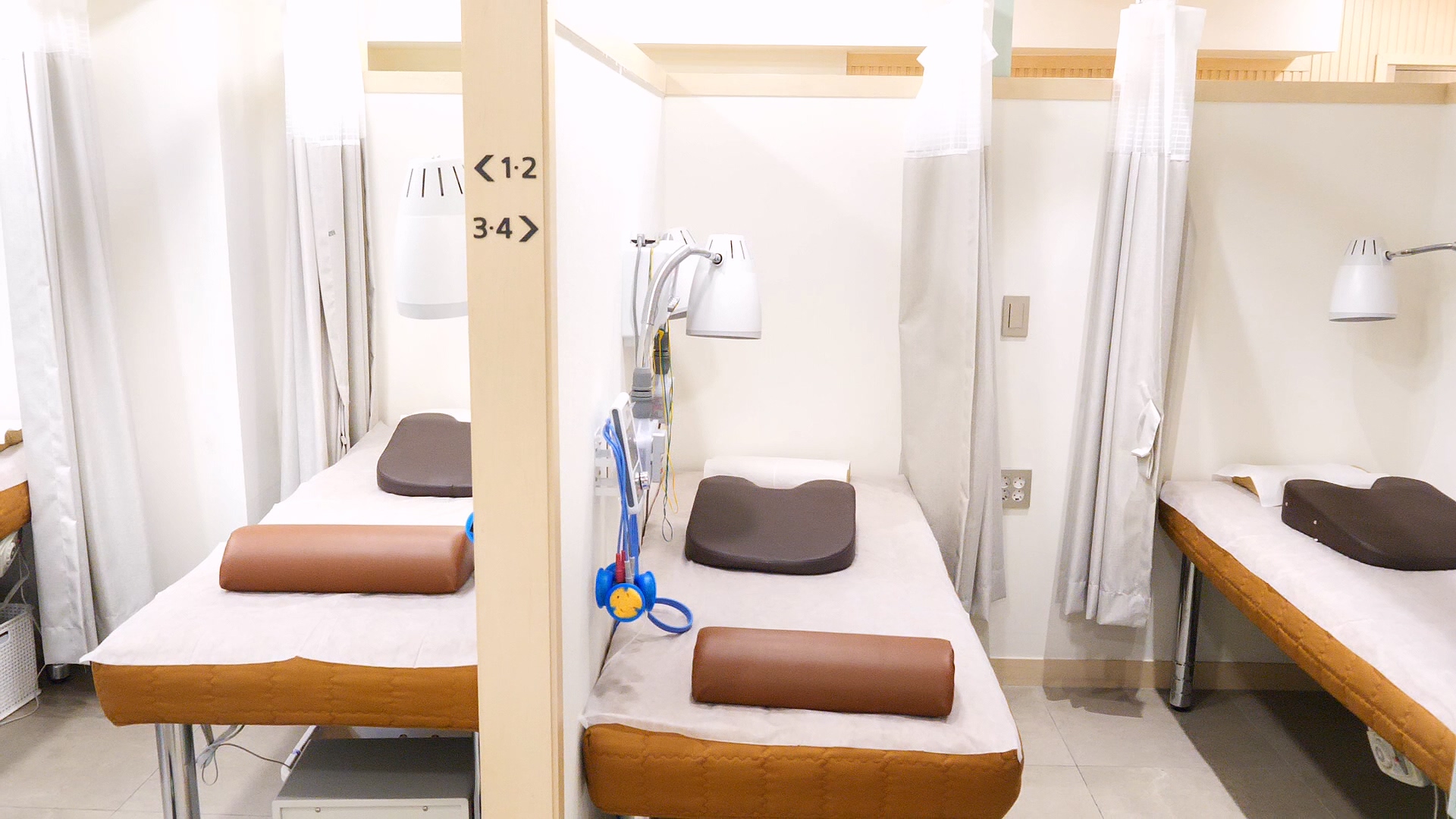
By targeting the source of cervical dysfunction, this approach offers a path toward sustainable physical well-being and restored mobility in our 2026 clinical landscape.
Understanding Integrative Acupuncture for Neck Pain and Its Benefits
Integrative acupuncture for neck pain is defined as a multi-dimensional therapeutic approach that utilizes specialized needles to release internal tissue adhesions while restoring the natural biomechanical balance of the cervical spine. This method moves beyond simple symptom management by integrating traditional meridian theory with modern anatomical science to address the root causes of chronic discomfort. At Bonecure, we prioritize the restoration of structural integrity as the primary vehicle for long-term health, ensuring that every intervention is tailored to the specific physiological needs of the individual patient. By focusing on the interplay between soft tissue health and vertebral alignment, this integrative modality provides a robust framework for patients seeking relief from persistent neck issues that have not responded to conventional therapies. The primary goal is to facilitate the body’s innate regenerative processes through precise, evidence-based stimulation of affected tissues.
Defining Integrative Acupuncture: A Structural Approach
Integrative acupuncture represents a significant evolution in musculoskeletal care, moving away from a generalized focus on pain relief toward a specialized emphasis on structural correction. In this framework, the practitioner views the neck not merely as a collection of muscles, but as a complex architectural system where the alignment of the cervical spine dictates the health of the surrounding nerves and vascular structures. By utilizing advanced diagnostic tools, such as whole spine X-ray analysis, Bonecure identifies specific areas where structural imbalances contribute to chronic tension. This structural approach ensures that every needle insertion is guided by a clear understanding of the patient's unique biomechanical map. The therapy aims to restore the natural lordotic curve of the neck, which is often compromised by modern lifestyle factors such as prolonged screen use. Through these targeted interventions, patients may experience a gradual restoration of balance that supports better posture and overall systemic health during their recovery journey.
The Science of Adhesion Release and Tissue Recovery
One of the most critical components of this therapy is the release of internal tissue adhesions, which are essentially scars or fibrous bands that form within muscle layers due to chronic inflammation or injury. These adhesions restrict movement and can trap sensitive nerves, leading to the sharp or radiating pain commonly associated with neck disorders. The integrative approach utilizes specialized tools like the Acu-Needle, featuring a flat, blade-like tip, to physically decouple these restrictive tissues at the microscopic level. This process, often referred to as Acupotomy, stimulates a localized healing response that encourages the regeneration of healthy, elastic fibers. In my clinical experience, releasing these deep-seated adhesions is essential for patients who have found little success with surface-level treatments. While individual results vary, this mechanical intervention serves as a catalyst for tissue recovery, allowing for increased blood flow and nutrient delivery to areas that were previously compromised by dense, fibrotic structures.
Comparing Conventional Acupuncture vs. Integrative Acu-Needle Therapy
While both modalities share roots in East Asian medicine, they differ significantly in their clinical application and depth of tissue penetration. Conventional acupuncture typically focuses on superficial stimulation to regulate the nervous system and promote general relaxation, which can be highly effective for acute stress. In contrast, the integrative Acu-Needle therapy practiced at Bonecure is specifically designed to reach deeper layers of connective tissue to address structural pathologies. The specialized tool allows for a more aggressive yet precise intervention in cases of chronic adhesion and spinal misalignment. Patients often notice a difference in the physical sensation of the treatment, as the Acu-Needle is specifically designed to target deep-seated adhesions and facilitate physical release in fibrotic tissues. The following table highlights the key differences between these two approaches to help patients understand which modality might best suit their specific clinical needs based on the chronicity of their condition.
| Feature | Conventional Acupuncture | Integrative Acu-Needle (Acupotomy) |
|---|---|---|
| Primary Goal | Neuromodulation & Pain Relief | Structural Restoration & Adhesion Release |
| Tool Type | Standard Filiform Needle | Specialized Blade-Tip Acu-Needle |
| Target Depth | Superficial to Moderate Muscle Layers | Deep Connective Tissues & Adhesions |
| Diagnostic Focus | Meridian Patterns & Pulse | Whole Spine X-ray & Biomechanics |
| Ideal Case | Acute Stress & Mild Tension | Chronic Pain & Structural Misalignment |
| Treatment Focus | Energetic Balance | Mechanical Tissue Regeneration |
Core Principles of Structural Realignment and Mobility
Structural realignment in the context of cervical care refers to the restoration of the physiological curvature of the neck to alleviate pressure on nerves and vascular structures. This principle is based on the understanding that a straight or reversed neck curve, often called 'text neck,' puts an unnatural load on the musculoskeletal system. At Bonecure, we believe that restoring the proper alignment of the spine is an important factor in helping to reduce the possibility of recurrence once the initial pain has subsided. By combining manual techniques with precision needle therapy, we work to reshape the soft tissues that pull the vertebrae out of their natural positions. This dual focus on bone alignment and soft tissue elasticity is what sets our integrative protocol apart from standard treatments. Maintaining structural balance is not just about avoiding pain; it is about ensuring that the entire nervous system can function without interference from physical impingements in the cervical region.
How Bonecure Focuses on Spinal Alignment for Lasting Relief
At Bonecure, the process of achieving lasting relief begins with a comprehensive assessment of the patient's entire spinal column. We recognize that the neck does not exist in isolation, and misalignments in the lower back or pelvis can often manifest as compensatory pain in the cervical area. By utilizing three core types of foundational analysis—physical evaluation, movement evaluation, and internal organ function evaluation—alongside precise X-ray imaging, we develop a roadmap for structural correction. Our treatment protocols emphasize the 3 core values of fundamental recovery, immediate improvement, and scientific proof. This means we are not satisfied with merely masking symptoms; we strive to show objective changes in spinal geometry over time. By addressing the 5 primary levels of the cervical spine, we ensure that the load-bearing capacity of the neck is evenly distributed. This systematic focus on alignment helps to prevent the wear and tear of spinal discs that often leads to more severe degenerative conditions.
The Role of Acu-Needle in Restoring Range of Motion
Restoring a full range of motion is a primary objective for patients suffering from chronic neck stiffness, as restricted movement significantly impacts daily quality of life. The Acu-Needle plays a pivotal role in this process by directly addressing the shortened and thickened ligaments that often lock the joints in place. When these tissues are released, the mechanical barriers to movement are removed, often resulting in a noticeable increase in flexibility immediately following the session. In my practice, I have observed that even patients with years of restricted motion can see progress when the specific adhesions surrounding the facet joints are targeted. This procedure may involve brief discomfort as the tight tissues are liberated, but the subsequent sense of lightness is a common report among our patient population. By improving mobility, we also improve the circulation of synovial fluid within the joints, which is crucial for long-term cartilage health and the prevention of further structural deterioration in the cervical region.
Clinical Observations: From Chronic Stiffness to Fluid Movement
Clinical observations over the years have shown that consistent structural intervention can lead to meaningful shifts in patient mobility and comfort. My clinical experience suggests that even chronic cervical stiffness or complex symptoms like tinnitus linked to neck dysfunction may be managed more effectively when the focus is shifted to the underlying tissue architecture. While individual results vary and specific outcomes cannot be guaranteed for every patient, these observations highlight the potential for recovery through structural restoration. It is important to note that chronic conditions often require multiple sessions, and results depend on the individual's physiological state. The transition from chronic stiffness to fluid movement is a gradual process that requires patient commitment and precise clinical execution to ensure that the body successfully adapts to its new, more functional structural alignment.
Integrative Approaches for Complex Cervical Conditions
Complex cervical conditions encompass pathologies such as herniated discs and autonomic dysfunctions that arise from chronic structural degeneration and persistent nerve compression. These conditions often present with a wide array of symptoms beyond simple local pain, including headaches, dizziness, and even digestive issues, due to the neck's proximity to the brainstem and vagus nerve. An integrative approach is essential for these cases because it addresses the multifaceted nature of the dysfunction, combining mechanical tissue release with neurological stabilization. Bonecure utilizes advanced diagnostic insights to determine how structural deviations in the neck are impacting the patient's overall autonomic health. By stabilizing the cervical environment, we can reduce the irritation of the sympathetic and parasympathetic nerves, which may help alleviate symptoms that seem unrelated to the spine. This holistic view of the cervical complex allows for a more comprehensive recovery strategy that addresses the patient's internal and external well-being simultaneously.
Management of Cervical Disc Issues and Nerve Impingement
Cervical disc herniation and nerve impingement are among the most challenging conditions we treat, as they often involve significant neurological distress and radiating pain. The integrative acupuncture protocol at Bonecure focuses on reducing the internal pressure within the spinal canal by relaxing the hypertonic muscles that compress the disc space. By creating more room for the nerve roots to exit the spine, we can reduce the inflammation and electrical sensations that characterize impingement. This approach is often used in conjunction with structural realignment to ensure that the pressure does not return due to poor posture. It is important to note that treatment for disc issues requires a high level of precision and a series of sessions to achieve stable results. Patients are closely monitored for improvements in strength and sensation, ensuring that the intervention is effectively addressing the mechanical cause of the nerve irritation without the need for invasive surgical procedures in many suitable cases.
Addressing Autonomic Nervous System Symptoms Linked to Neck Health
Many patients are surprised to learn that their neck health is intimately connected to their autonomic nervous system, which controls involuntary functions like heart rate and digestion. When the upper cervical vertebrae are misaligned, they can put pressure on the vagus nerve or interfere with blood flow through the vertebral arteries, leading to symptoms such as chronic fatigue or anxiety. The Bonecure protocol addresses these systemic issues by restoring the structural environment surrounding the autonomic pathways. By releasing the deep suboccipital muscles and correcting the position of the C1 and C2 vertebrae, we help normalize the signals sent between the brain and the rest of the body. This structural stabilization can lead to improved sleep quality and a more balanced emotional state, as the body is no longer in a constant state of physiological stress due to mechanical irritation. This connection underscores the importance of viewing neck pain not just as a local musculoskeletal issue, but as a critical gateway to whole-body health.
Evidence-Based Case Reports on Spinal Curvature Corrections
Evidence-based practice at Bonecure is supported by a growing body of clinical reports that document objective changes in patient outcomes. For example, my research encompassing eight specific case reports across various conditions, including spinal curvature abnormalities, autonomic dysregulation, and tinnitus, has shown that targeted structural acupuncture can facilitate measurable improvements in the lordotic angle of the neck and systemic function. In my clinical experience, addressing cervical misalignment has been associated with improvements in related symptoms such as hearing discomfort or chronic dizziness in certain patients. These observations emphasize that while every patient's body reacts differently, addressing the structural cause is a key component of the therapeutic process. By documenting these changes through X-ray metrics and standardized health scales, we provide our patients with a transparent look at the progress of their treatment, moving beyond subjective feelings to tangible, scientific evidence of recovery.
A 2026 Clinical Guide to Acupuncture Therapy Seoul: Structural Recovery at Bonecure
Personalized Treatment Protocols and Safety Considerations
Personalized treatment protocols are individual care plans formulated through precise diagnostic imaging and physical examination to ensure the highest level of patient safety and efficacy. No two necks are identical, and therefore, no two treatment plans should be the same at Bonecure. We take the time to understand each patient's history, lifestyle, and specific pain patterns to determine the most appropriate needle placement and intensity. Safety is our paramount concern, and we adhere to rigorous protocols to minimize the risk of adverse events. Every procedure is preceded by a thorough consultation where the potential risks and benefits are discussed in detail. By tailoring our approach, we ensure that the intervention is as effective as possible while respecting the patient's individual tolerance and physical condition. This commitment to personalized care is the cornerstone of our practice, allowing us to achieve better outcomes for a diverse range of patients with varying degrees of structural complexity.
Patient-Centered Diagnosis: Analyzing Whole Spine X-rays
Diagnosis at Bonecure is a patient-centered process that utilizes whole spine X-ray analysis to provide a clear picture of the patient's structural health. This imaging allows us to see exactly how the vertebrae are stacked and where the primary points of stress are located. Unlike localized scans, a whole spine view reveals compensatory patterns that might be missed if only the neck were examined. We use these insights to educate our patients, showing them the physical evidence of their misalignment so they can be active participants in their recovery. This diagnostic clarity is essential for developing a precise treatment plan that targets the root cause rather than just the symptoms. By tracking changes in these images over the course of treatment, we can objectively measure the progress of the structural restoration. This evidence-based approach builds trust and ensures that our clinical decisions are always grounded in the most accurate data available for each individual patient case.
Understanding Potential Side Effects and Treatment Limitations
While integrative acupuncture is a safe and effective modality for many, it is important for patients to understand the potential side effects and limitations of the treatment. Common side effects may include temporary soreness at the needle site, mild bruising, or minor localized bleeding, which typically resolve within a few days. Some patients may also experience a temporary flare-up of symptoms as the body begins to adjust to its new alignment, a process that is generally transient and manageable. It is also critical to acknowledge that this therapy has limitations; for instance, extremely advanced degenerative changes or certain acute medical conditions may require different interventions. Chronic or severe cases often require a series of treatments rather than a single session to achieve long-lasting stability. We ensure that every patient is fully informed of these possibilities during their initial consultation, maintaining a transparent and honest relationship that prioritizes patient safety and realistic expectations for their health outcomes.
Comparison of Integrative Modalities: Acu-Needle vs. Manual Therapy
At Bonecure, we often use a combination of integrative modalities to achieve the best results, but it is helpful for patients to understand how Acu-Needle therapy compares to manual treatments like Chuna therapy. Manual therapy focuses on the external manipulation of joints and muscles to improve alignment and reduce tension through pressure and stretching. In contrast, the Acu-Needle procedure provides a direct, internal intervention that is specifically designed to access deep-seated adhesions. While manual therapy is excellent for general mobilization and relaxing the nervous system, Acu-Needle therapy is particularly useful for addressing the dense fibrous tissues that often contribute to chronic misalignments. By combining specialized manual therapies, such as Chuna therapy and jaw joint correction, with the precision of the Acu-needle, we provide a synergistic effect that addresses both the internal and external components of spinal health. This dual approach ensures that the structural changes we achieve are supported by flexible soft tissues, leading to a more stable recovery.
Frequently Asked Questions
Q. What exactly is integrative acupuncture for neck pain?
It is a specialized approach that combines traditional acupuncture techniques with modern structural analysis, often utilizing specialized tools like the Acu-Needle to release adhesions in muscle and connective tissues for deeper recovery. This method focuses on restoring the natural alignment of the spine rather than just addressing surface symptoms. At Bonecure, we use this to treat the root cause of chronic pain.
Q. Is the Acu-Needle procedure painful during neck treatment?
While the procedure may involve brief discomfort during the release of tight adhesions, many patients report a sense of immediate relief and lightness in the treated area shortly after the session. The sensation is often described as a deep 'release' of pressure. Any discomfort is typically transient and occurs only during the active phase of the tissue release.
Q. How many sessions are typically required for chronic neck pain?
The number of treatments varies depending on the individual's condition and responsiveness. At Bonecure, we prioritize highly compressed and efficient treatment plans designed to facilitate immediate, observable improvements. Rather than recommending long-term multi-session packages, we monitor your progress session-by-session to ensure you receive exactly the care needed for your structural recovery.
Q. Are there any side effects associated with this treatment?
Common side effects may include temporary soreness at the site, mild bruising, or minor bleeding. These are generally transient and resolve within a few days without further intervention. During your consultation at Bonecure, I ensure a thorough review of your health profile to minimize any potential risks based on your individual needs.
Q. Can integrative acupuncture improve my posture as well as my pain?
Yes, by releasing the specific tissues that pull the spine out of alignment, this therapy helps restore the natural curvature of the neck, which is a key component of postural correction. When the internal adhesions are gone, the body finds it much easier to maintain an upright, balanced posture. This leads to less strain on the muscles during daily activities.
Q. How does this therapy differ from standard physical therapy for the neck?
Standard physical therapy focuses on exercises and external manipulation, whereas integrative acupuncture with Acu-needle therapy targets internal adhesions directly to facilitate tissue regeneration from within. This allows us to reach problematic areas that are often inaccessible to external pressure alone. We often recommend a combination of both for a truly comprehensive recovery plan.
Q. Is this treatment suitable for someone with a cervical disc herniation?
It can be highly effective in reducing pressure around the affected nerves by relaxing the surrounding musculature, though a prior review of imaging and a physical exam are necessary to determine suitability. By improving the structural environment around the disc, we can help the body's natural healing process. Each case is evaluated individually to ensure the safest possible care path.
Key Takeaways
- Structural Focus: Integrative acupuncture for neck pain prioritizes the restoration of the cervical spine's natural alignment to provide long-term relief.
- Adhesion Release: The use of specialized tools like the Acu-Needle allows for the precise release of deep-seated tissue adhesions that restrict mobility.
- Evidence-Based: Clinical outcomes, including case reports of significant symptom reduction, support the effectiveness of this structural restoration approach.
- Safety First: While common side effects like mild bruising may occur, personalized protocols and thorough diagnostic imaging ensure patient safety and care quality.
Bonecure Clinic / Dr. Jeong-hyun Song
FAQ
- What exactly is integrative acupuncture for neck pain?
- It is a specialized approach that combines traditional acupuncture techniques with modern structural analysis, often utilizing specialized tools like the Acu-Needle to release adhesions in muscle and connective tissues for deeper recovery. This method focuses on restoring the natural alignment of the spine rather than just addressing surface symptoms. At Bonecure, we use this to treat the root cause of chronic pain.
- Is the Acu-Needle procedure painful during neck treatment?
- While the procedure may involve brief discomfort during the release of tight adhesions, many patients report a sense of immediate relief and lightness in the treated area shortly after the session. The sensation is often described as a deep 'release' of pressure. Any discomfort is typically transient and occurs only during the active phase of the tissue release.
- How many sessions are typically required for chronic neck pain?
- The number of treatments varies depending on the severity and chronicity of the condition. While some notice changes quickly, chronic or complex structural issues often require a series of sessions, sometimes up to 20 sessions for stable and long-term results. We monitor your progress closely to adjust the frequency of visits as your structural health improves.
- Are there any side effects associated with this treatment?
- Common side effects may include temporary soreness at the site, mild bruising, or minor bleeding. These are generally transient and resolve within a few days without further intervention. During your consultation at Bonecure, I ensure a thorough review of your health profile to minimize any potential risks based on your individual needs.
- Can integrative acupuncture improve my posture as well as my pain?
- Yes, by releasing the specific tissues that pull the spine out of alignment, this therapy helps restore the natural curvature of the neck, which is a key component of postural correction. When the internal adhesions are gone, the body finds it much easier to maintain an upright, balanced posture. This leads to less strain on the muscles during daily activities.
- How does this therapy differ from standard physical therapy for the neck?
- Standard physical therapy focuses on exercises and external manipulation, whereas integrative acupuncture with Acu-needle therapy targets internal adhesions directly to facilitate tissue regeneration from within. This allows us to reach problematic areas that are often inaccessible to external pressure alone. We often recommend a combination of both for a truly comprehensive recovery plan.
- Is this treatment suitable for someone with a cervical disc herniation?
- It can be highly effective in reducing pressure around the affected nerves by relaxing the surrounding musculature, though a prior review of imaging and a physical exam are necessary to determine suitability. By improving the structural environment around the disc, we can help the body's natural healing process. Each case is evaluated individually to ensure the safest possible care path.