
Post
Holistic Health Practitioner Cheongdam: 2026 Guide to Structural Recovery at Bonecure
Greetings. I am Dr. Song Jung-hyun, a Korean medicine doctor who has focused on acupotomy for many years. A holistic health practitioner Cheongdam provides a comprehensive medical framework that addresses the structural, neurological, and internal roots of chronic conditions.
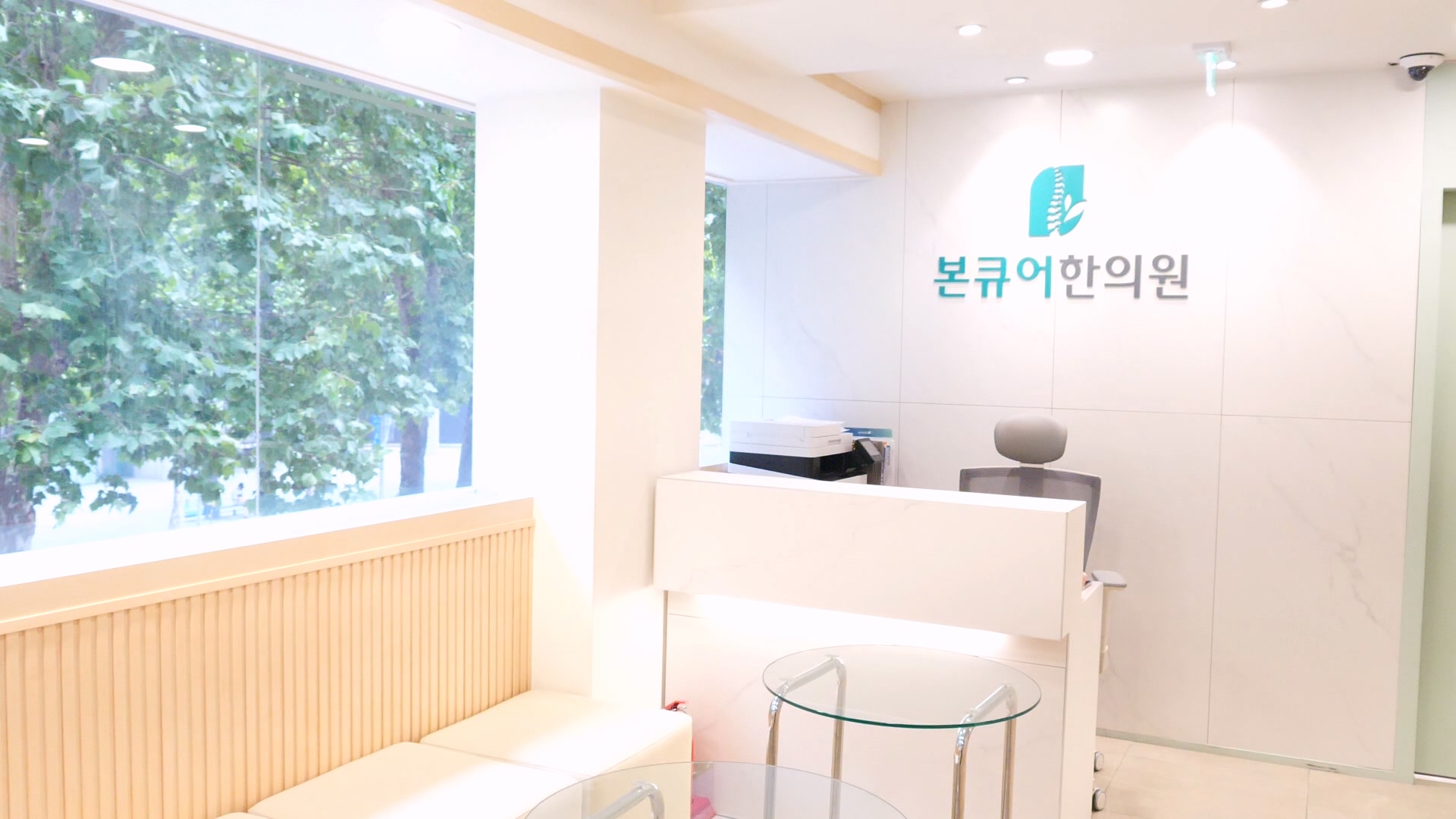
By shifting the focus from temporary pain suppression to restoring the body's natural alignment, Bonecure helps patients achieve sustainable wellness in an increasingly stressful modern environment. This evidence-based approach integrates traditional wisdom with modern diagnostics to ensure every patient receives care tailored to their unique physiological needs, focusing on the root causes rather than just masking the symptoms.
Redefining Wellness: What Does a Holistic Health Practitioner in Cheongdam Actually Do?
A holistic health practitioner Cheongdam at Bonecure defines wellness as the dynamic integration of structural integrity, neurological balance, and physiological harmony. Rather than viewing the body as a collection of isolated parts, we analyze the complex interdependencies between the musculoskeletal system and the internal organs to identify the underlying causes of persistent health issues. This definition-first approach ensures that our treatments address the source of discomfort rather than merely masking the symptoms, fostering a more resilient and functional state of health for our patients who seek lasting relief.
Moving Beyond Symptom Management to Structural Balance
At Bonecure, we recognize that chronic pain is often a cry for help from a misaligned system rather than an isolated incident in a single joint or muscle. A holistic health practitioner Cheongdam evaluates the entire kinetic chain to determine if a patient's neck pain might actually stem from a pelvic tilt or a collapsed arch in the foot. By focusing on structural restoration, we aim to provide a foundation for long-term health that persists long after the initial discomfort has faded. We have observed that structural imbalances are present in a significant portion of cases involving chronic spinal discomfort. For instance, the alignment of the spine can significantly influence how comfortably an individual manages daily activities and long-distance travel. While such rapid responses are notable, it is essential to understand that structural changes typically occur gradually and results vary among individuals. We utilize comprehensive physical examinations to map out these imbalances meticulously for every patient entering our clinic.
The Role of a Korean Medicine Doctor in Modern Healthcare
Modern healthcare is evolving toward a more integrative model where the Korean medicine doctor plays a pivotal role in bridging ancient wisdom with contemporary diagnostic tools. A holistic health practitioner Cheongdam at Bonecure utilizes advanced imaging, such as whole-spine X-rays, alongside traditional pulse and tongue diagnosis to create a multidimensional view of the patient. This integrated approach allows us to address complex issues like autonomic nervous system imbalances and persistent inflammatory states that often baffle conventional diagnostic methods. Our clinical database includes extensive documented cases of structural recovery where integrated protocols were utilized to support long-term wellness. In our practice, we have seen patients with chronic conditions that have lasted for several years find a new path toward recovery through these combined insights. It is important to note that this process requires active patient participation and adherence to lifestyle modifications. By synthesizing the best of both worlds, we provide a personalized care plan that targets specific structural needs.
Defining the Holistic Approach to Korean Traditional Medicine
The holistic approach in Korean traditional medicine is centered on the concept of structural vessels and the flow of vital energy within them. As a holistic health practitioner Cheongdam, I prioritize the relationship between the spine and the internal organs, understanding that a compressed nerve in the thoracic region can influence digestive health. At Bonecure, our treatments are designed to remove obstructions to this natural flow, whether they are physical adhesions in the fascia or metabolic toxins in the blood. In cases of chronic tinnitus, we carefully examine the relationship between the upper cervical spine and the nervous system to identify potential structural contributors to the condition. This demonstrates that the body possesses an innate ability to heal when the correct structural environment is restored. However, patients should be aware that chronic conditions often require a sustained series of treatments to achieve significant physiological shifts, and specific outcomes cannot be guaranteed for every case due to individual biological differences.
Specialized Techniques for Chronic Pain: Acupotomy and Structural Recovery
Acupotomy and structural recovery techniques are specialized interventions used by a holistic health practitioner Cheongdam to resolve tissue adhesions and restore functional mobility. By utilizing a unique, blade-like needle, we can perform micro-releases in the fascia that are often unreachable by conventional acupuncture or physical therapy alone. These methods are designed to physically break down scar tissue and adhesions that restrict movement and cause chronic pain, allowing the body to return to its optimal structural alignment and promoting the regeneration of healthy tissues.
How Acupotomy Resolves Tissue Adhesion for Persistent Back Pain
Acupotomy is a specialized technique that uses a flat, blade-like needle to physically release adhesions in the soft tissue, which are often the true source of persistent back pain. As a holistic health practitioner Cheongdam, I use this tool to navigate the complex layers of fascia and muscle that have become glued together due to chronic inflammation or injury. By performing these micro-releases, Bonecure facilitates the return of normal blood flow and nerve conduction to the affected area. Through personalized care plans, we aim for a gradual and steady reduction in pain levels, though the rate of improvement varies significantly between individuals based on their unique physiological state. While highly effective, acupotomy does carry minimal risks such as localized tenderness, minor bruising, or temporary swelling at the site of insertion. It is a precise intervention that requires a deep understanding of anatomy to ensure safety and efficacy, making it a cornerstone of our structural recovery protocols for patients.
Integrating Moxibustion and Cupping Therapy for Systemic Vitality
To complement structural interventions, we integrate moxibustion and cupping therapy to enhance systemic vitality and accelerate the healing process. A holistic health practitioner Cheongdam uses moxibustion to apply therapeutic heat to specific points, which may help improve circulation and modulate the immune response. Cupping therapy, on the other hand, creates a vacuum that pulls stagnant blood to the surface, facilitating the removal of metabolic waste from deep muscle tissues. At Bonecure, we often use these methods to prepare the body for more intensive structural work or to soothe the nervous system after an acupotomy session. We have observed that patients who receive these integrative treatments often experience enhanced recovery in muscle flexibility compared to those receiving single-modality care. It is important to recognize that cupping can leave temporary circular marks on the skin, which typically fade within 3 to 7 days, depending on the person's circulatory health and overall metabolic state.
Scientific Tracking via X-ray and Clinical Progress Notes
Objective data is the backbone of our clinical practice at Bonecure, ensuring that every treatment plan is grounded in measurable reality. A holistic health practitioner Cheongdam utilizes whole-spine X-ray analysis to visualize the curvature of the spine and identify specific areas of structural stress. We also maintain meticulous clinical progress notes and use standardized scales, such as the Visual Analogue Scale for pain, to track patient outcomes over time. For example, in our clinical reviews of patients with cervical-related dizziness, we have observed meaningful improvements in symptom stability following a full course of treatment. These metrics allow us to refine our techniques and provide patients with a clear picture of their journey toward health. While these tools provide valuable insights, they are always interpreted in the context of the patient's unique physical history and current symptoms. This commitment to scientific tracking ensures that our holistic methods remain transparent, accountable, and highly personalized for each individual visiting our clinic in Cheongdam.
Holistic vs. Conventional Approaches: Choosing the Right Path for Long-term Health
Comparing holistic and conventional approaches involves evaluating the difference between localized symptom relief and comprehensive structural restoration. A holistic health practitioner Cheongdam emphasizes the correction of underlying mechanical imbalances that cause pain, whereas conventional methods may focus more on pharmaceutical intervention to suppress inflammation. Understanding these differences is crucial for patients seeking a long-term solution to chronic health challenges that have not responded to standard medical care.
| Feature | Conventional Symptom Management | Bonecure Holistic Structural Therapy |
|---|---|---|
| Primary Focus | Immediate relief of localized pain | Root cause and structural alignment |
| Diagnostic Tools | Localized imaging and blood tests | Whole-spine X-ray and kinetic analysis |
| Treatment Goal | Inflammation suppression | Adhesion release and postural restoration |
| Long-term Outlook | Focus on temporary relief | Focus on long-term functional stability |
| Approach | Standardized medical protocols | Personalized structural care plans |
Comparing Symptomatic Relief with Root Cause Correction
Choosing between symptomatic relief and root cause correction is a fundamental decision for anyone facing chronic health challenges. While conventional medicine often excels at providing rapid relief through medication, a holistic health practitioner Cheongdam focuses on why the pain occurred in the first place. At Bonecure, we prioritize identifying and addressing the underlying structural causes of discomfort rather than focusing solely on temporary symptom suppression. By identifying structural misalignments, we address the mechanical stress that leads to inflammation and nerve irritation. In our clinical experience, addressing the structural root cause can help reduce the long-term reliance on temporary relief measures, although results depend on the severity of the underlying condition. It is vital for patients to understand that correcting the root cause often requires more time and effort than taking a pill, but the reward is a more resilient and balanced body that is better equipped to handle future stressors in their daily lives.
A Comparative Look at Traditional Medicine and Modern Structural Therapy
Modern structural therapy at Bonecure represents a sophisticated evolution of traditional Korean medicine, combining time-honored principles with contemporary biomechanical insights. As a holistic health practitioner Cheongdam, I view the body not as a collection of parts but as a dynamic, integrated whole. Chuna Manual Therapy and acupotomy are utilized to provide a more robust intervention for musculoskeletal disorders. We have found that this combined approach is particularly effective for cases where spinal curvature is a concern. For instance, in cases involving spinal curvature imbalances, a consistent protocol of structural therapy can lead to measurable improvements in spinal symmetry as observed on follow-up X-rays. While traditional methods provide a vital energetic framework, the addition of structural therapy ensures that the physical framework of the body is properly supported. This dual focus allows us to offer a more comprehensive pathway toward recovery for our diverse patient population through specialized evidence-based care tailored to their needs.
The Importance of Personalized Treatment Protocols
No two bodies are exactly alike, which is why personalized treatment protocols are essential for successful holistic care. A holistic health practitioner Cheongdam at Bonecure conducts a focused initial assessment, typically spanning 10 to 20 minutes, to understand the patient’s lifestyle, history, and goals. This efficient deep dive allows us to tailor the frequency and intensity of treatments to the individual’s specific needs without unnecessary delay. We have observed that patients who follow a customized plan, which may include herbal decoctions and specific postural exercises, often experience more stable results. In our internal tracking, patients reported high satisfaction levels when their care plans were specifically tailored to their daily activity levels and clinical needs. It is important to acknowledge that the effectiveness of these protocols can be influenced by factors such as age, occupation, and existing health conditions. By prioritizing personalization, we ensure that every patient receives the most appropriate and effective care possible for their unique situation.
Restoring Daily Life: Addressing Complex Conditions and Autonomic Balance
Restoring daily life requires a holistic health practitioner Cheongdam to address not only physical pain but also complex conditions like autonomic nervous system dysfunction and metabolic imbalances. By restoring structural harmony, we can influence the body's internal regulatory systems, helping patients regain their vitality and improve their overall quality of life. This holistic approach is particularly effective for those dealing with the multifactorial stressors of modern urban living.
Supporting Women’s Health and Metabolic Balance in Seoul
Holistic care extends beyond the musculoskeletal system to encompass metabolic health and hormonal balance, particularly for women facing the pressures of life in Seoul. A holistic health practitioner Cheongdam addresses issues such as digestive disorders and chronic fatigue by examining the link between spinal health and the autonomic nervous system. At Bonecure, we have seen that restoring structural balance can improve blood circulation to the pelvic organs, which may help alleviate symptoms associated with metabolic sluggishness. In our clinic, we have noted that a significant number of female patients reporting chronic lower back pain also experience concurrent digestive or hormonal issues. By treating the body as an interconnected unit, we provide a more comprehensive solution that supports overall vitality. However, it is important to note that metabolic changes are often gradual and may require consistent dietary and lifestyle adjustments alongside clinical treatments to achieve the best possible outcomes for long-term health and wellness.
Neurological Considerations in Holistic Pain Management
The relationship between the spine and the nervous system is a primary focus for any holistic health practitioner Cheongdam. Chronic pain is not just a physical sensation; it is a complex neurological process that involves the brain’s perception of threat. At Bonecure, we use structural therapy to reduce the mechanical pressure on nerves, which can help calm an overactive sympathetic nervous system. Our initial evaluation covers essential physical markers to assess neurological stress. In some clinical cases, specialized upper cervical adjustments have been associated with improved autonomic balance and a reduction in the frequency of headaches, though these outcomes vary by individual case and condition severity. Patients should understand that neurological recovery can be a sensitive process, sometimes involving temporary shifts in sensation as the body recalibrates to a more balanced state. We work closely with each patient to monitor these changes and ensure the nervous system is responding positively to treatment.
What to Expect During Your Initial Consultation at Bonecure
Entering a clinic for the first time can be an intimidating experience, but our goal at Bonecure is to make the process as transparent and supportive as possible. During your initial visit with a holistic health practitioner Cheongdam, you will undergo an evaluation that includes a health history and a physical examination of your posture and movement. We examine the vertebral segments to ensure a complete structural map is created for your treatment. Following this assessment, we will discuss our findings and propose a personalized plan that outlines the recommended therapies and the expected timeline for recovery. We encourage all patients to ask questions and express any concerns they may have about the process. It is important to note that the initial consultation is a collaborative effort to establish the foundation for your health journey. While we aim for clear communication, the complexity of chronic conditions means that treatment plans may be adjusted as we monitor your body's specific response to care.
Key Takeaways
- A holistic health practitioner Cheongdam focuses on root cause correction by identifying structural misalignments and tissue adhesions.
- Bonecure utilizes specialized techniques like acupotomy and whole-spine X-ray analysis to track and support patient recovery.
- Personalized care plans address both physical pain and internal health, including autonomic nervous system and metabolic balance.
- Long-term health is achieved through the integration of traditional Korean medicine and modern structural therapy, with an emphasis on functional restoration.
Frequently Asked Questions
Q. What exactly does a holistic health practitioner in Cheongdam do?
A holistic health practitioner, like a Korean medicine doctor at Bonecure, looks at the body as an interconnected system. Instead of just treating a sore spot, we evaluate your entire structural alignment, nervous system, and internal balance to find the root cause of discomfort. This approach ensures that we are addressing the underlying issues that contribute to chronic pain.
Q. Is acupuncture effective for chronic back pain?
Acupuncture for back pain is a well-researched method for reducing inflammation and improving circulation in the affected area. At Bonecure, we often combine traditional acupuncture with acupotomy to release adhesions in the soft tissue, though individual results will vary based on the chronicity and severity of the condition. It is a valuable tool for managing pain naturally.
Q. What are the potential side effects of acupotomy or needle therapy?
While generally safe when performed by a licensed professional, acupotomy may cause temporary localized pain, minor bruising, or slight bleeding at the insertion site. In very rare cases, infection could occur if proper aftercare instructions are not followed. We always discuss these potential risks and provide detailed care guidelines during the initial consultation to ensure patient safety.
Q. How much does holistic treatment cost at Bonecure?
Treatment costs vary depending on the complexity of the case, the specific combination of therapies used, and the total duration of the care plan. We recommend a detailed initial assessment to provide a transparent breakdown of the necessary steps and associated costs for your specific health goals. This ensures you have a clear understanding of the investment required.
Q. How many sessions are typically required to see an improvement?
There is no universal number as every body responds differently to treatment based on various physiological factors. While some patients report feeling a release of tension after one session, chronic structural issues often require a series of treatments to achieve stable, long-term results. We monitor your progress closely and adjust the treatment frequency as your body begins to heal.
Q. Does the clinic use scientific evidence for its treatments?
Yes, we prioritize objective data and evidence-based protocols in all our clinical work. We utilize whole-spine X-ray analysis to track structural changes and maintain detailed clinical notes and standardized evaluation scales for conditions like chronic pain. This commitment to data allows us to monitor your progress scientifically and provide effective interventions for each individual case.
Q. Can I receive moxibustion and cupping therapy at your Seoul clinic?
Yes, we offer moxibustion therapy in Seoul along with modern cupping techniques to support the body's natural recovery. These are frequently used in conjunction with structural therapies to improve blood flow and reduce muscle stiffness. Our practitioners will determine the best combination of these therapies based on your specific needs and health status.
Hello, I am Dr. Song Jung-hyun. At Bonecure, we are dedicated to restoring the harmony between your structure and your life. If you are struggling with persistent pain or complex health issues, I invite you to schedule a consultation to explore how a holistic approach can support your recovery.
Bonecure / Dr. Song Jung-hyun
FAQ
- What exactly does a holistic health practitioner in Cheongdam do?
- A holistic health practitioner, like a Korean medicine doctor at Bonecure, looks at the body as an interconnected system. Instead of just treating a sore spot, we evaluate your entire structural alignment, nervous system, and internal balance to find the root cause of discomfort. This approach ensures that we are addressing the underlying issues that contribute to chronic pain and dysfunction.
- Is acupuncture effective for chronic back pain?
- Acupuncture for back pain is a well-researched method for reducing inflammation and improving circulation in the affected area. At Bonecure, we often combine traditional acupuncture with acupotomy to release adhesions in the soft tissue, though individual results will vary based on the chronicity and severity of the condition. It is a valuable tool for managing pain while promoting natural healing.
- What are the potential side effects of acupotomy or needle therapy?
- While generally safe when performed by a licensed professional, acupotomy may cause temporary localized pain, minor bruising, or slight bleeding at the insertion site. In very rare cases, infection could occur if proper aftercare instructions are not followed by the patient. We always discuss these potential risks and provide detailed care guidelines during the initial consultation to ensure patient safety.
- How much does holistic treatment cost at Bonecure?
- Treatment costs vary significantly depending on the complexity of the case, the specific combination of therapies used, and the total duration of the care plan. We recommend a detailed initial assessment to provide a transparent breakdown of the necessary steps and associated costs for your specific health goals. This ensures that you have a clear understanding of the investment required for your recovery.
- How many sessions are typically required to see an improvement?
- There is no universal number as every body responds differently to treatment based on various physiological factors. While some patients report feeling an immediate release of tension after one session, chronic or severe structural issues often require a series of treatments to achieve stable, long-term results. We monitor your progress closely and adjust the treatment frequency as your body begins to heal and stabilize.
- Does the clinic use scientific evidence for its treatments?
- Yes, we prioritize objective data and evidence-based protocols in all our clinical work. We utilize whole-spine X-ray analysis to track structural changes and maintain detailed clinical notes and standardized evaluation scales for conditions like chronic pain and dizziness. This commitment to data allows us to monitor your progress scientifically and provide the most effective interventions possible.
- Can I receive moxibustion and cupping therapy at your Seoul clinic?
- Yes, we offer moxibustion therapy in Seoul along with modern cupping techniques to support the body's natural recovery. These are frequently used in conjunction with structural therapies to improve blood flow, reduce muscle stiffness, and enhance systemic vitality. Our practitioners will determine the best combination of these therapies based on your specific needs and health status.