
Post
Herbal Medicine Consultation Seoul: A Structural Approach to Lasting Recovery
A herbal medicine consultation in Seoul is a specialized diagnostic process where a licensed practitioner evaluates your structural health and internal balance to prescribe natural remedies tailored to your specific needs.
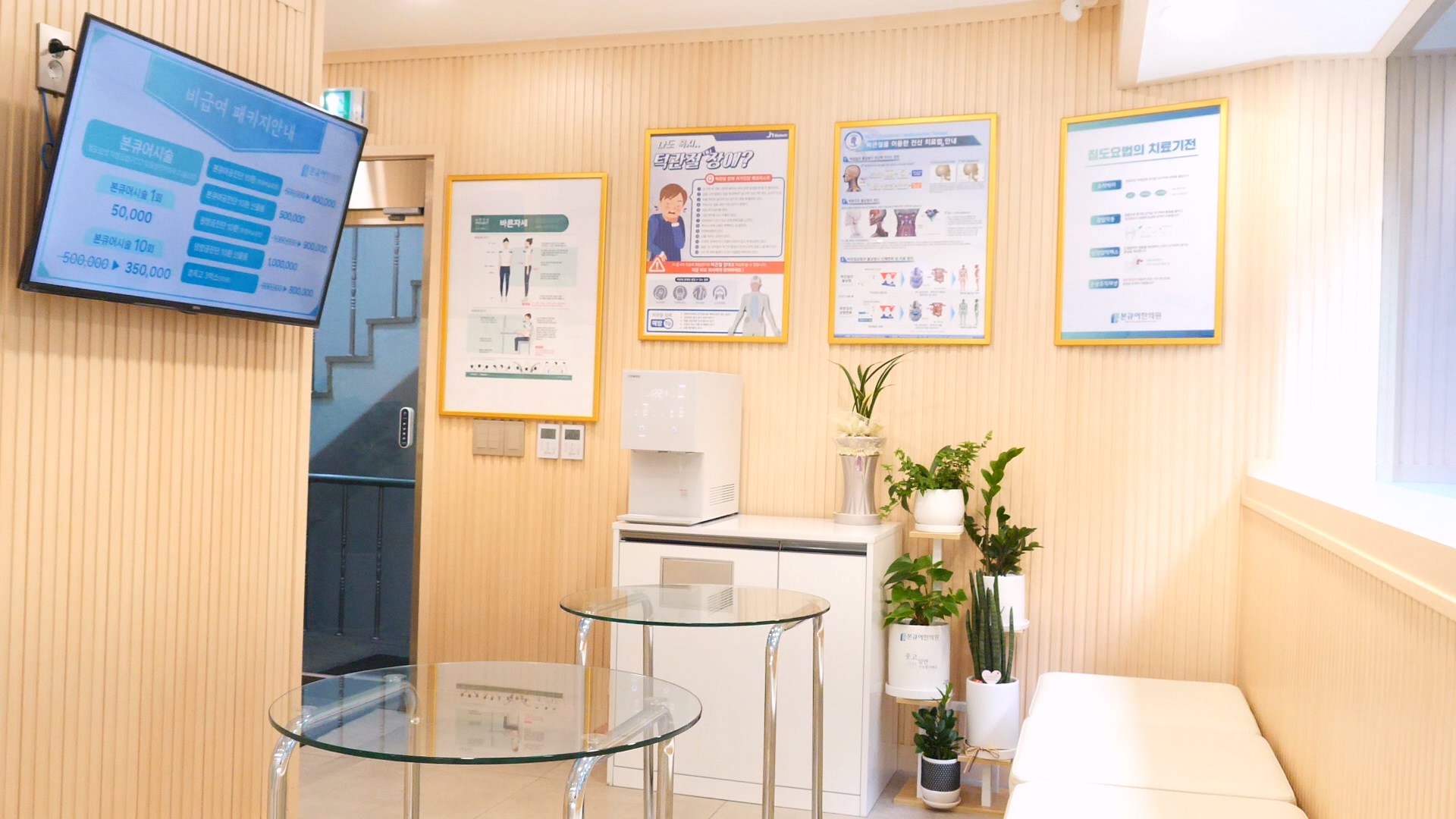
This process integrates traditional Korean medical knowledge with modern clinical assessments to address the root causes of discomfort. Hello, I am Dr. Jeong-hyeon Song, a Korean medicine doctor specializing in acupotomy and structural restoration at Bonecure Korean Medicine Clinic. My goal is to guide you through the complexities of traditional healing to achieve a balanced and pain-free life. At Bonecure, we believe in the philosophy that "When your bones smile, life smiles," focusing on identifying structural misalignments that interfere with your body's innate healing potential.
Understanding Herbal Medicine Consultation in Seoul
Herbal medicine consultation in Seoul serves as the foundational step for any personalized traditional medical treatment plan aimed at restoring internal and external balance. At Bonecure, we move beyond simple symptom relief by focusing on the body's overall structural harmony. During this session, we utilize a comprehensive evaluation process that includes postural analysis, movement assessment, and visceral function testing. This allows us to identify how skeletal deviations may be impacting your nervous system and internal organ efficiency. Unlike standardized supplements, these consultations result in customized prescriptions that evolve alongside your immediate progress, ensuring that the treatment remains effective and safe throughout the recovery journey.
Structural and Visceral Assessment for Personalized Care
Identifying one's unique physical state is a central pillar of our practice, moving away from generalized typologies to focus on specific structural and functional analysis. We evaluate how the alignment of the skull and spine affects the flow of vital energy and nervous system signals. Each individual exhibits unique physiological strengths and vulnerabilities based on their structural habits and metabolic rates. During a herbal medicine consultation in Seoul, I carefully observe physical movement patterns and internal organ signals to pinpoint the exact cause of dysfunction. This precise diagnosis allows for highly specific herbal prescriptions that address your innate nature rather than just surface symptoms. By understanding these biological patterns, Bonecure provides a personalized health strategy that includes structural corrections tailored to the individual. This approach is particularly effective for chronic conditions like autonomic dysregulation that have not responded to conventional one-size-fits-all treatments. Understanding your body's structural needs empowers you to maintain long-term wellness and improved vitality.
The Principles of Structural Restoration and TKM
Traditional Korean Medicine, or TKM, at Bonecure is rooted in the philosophy of maintaining harmony between the body's physical frame and its internal systems. We emphasize the flow of vital signals and the balance of physical structures to prevent disease. We analyze how individual lifestyle factors and environmental stressors impact this delicate equilibrium, specifically looking at how "adhesions" in soft tissue can trap nerves. By focusing on the body as an interconnected structural whole, TKM seeks to optimize the natural healing mechanisms inherent in every person. This holistic approach involves the use of medicinal herbs selected to support the recovery of tissues after structural interventions. Recent clinical notes suggest that patients with complex conditions, such as those suffering from abnormal back heat or "Baeyeol-jeung," find relief through these integrated methods. The ultimate objective is to foster a state of resilience where the body can maintain its own health through proper alignment and balanced internal function.
The Role of an Expert Korean Medicine Doctor
A licensed Korean medicine doctor undergoes rigorous academic and clinical training to bridge the gap between ancient wisdom and contemporary diagnostic accuracy. At Bonecure, we utilize tools like X-ray imaging in collaboration with orthopedic centers to ensure objective data guides our structural treatments. In the context of a herbal medicine consultation in Seoul, the doctor act as a primary care provider who designs a sophisticated roadmap for recovery. The emphasis is placed on clinical evidence and immediate improvement; we do not believe in telling patients they must wait for dozens of sessions to feel a change. My research into spinal curvature and neurological conditions has shown that addressing the root structural cause can lead to immediate physiological responses. While individual results may vary, professional oversight is crucial for managing serious health concerns like Parkinsonism or spasmodic torticollis. This ensures that every intervention is performed safely and results in a tangible improvement in the patient's quality of life.
Comprehensive Solutions for Chronic Pain and Neurological Health
Comprehensive solutions for chronic pain involve a multi-faceted approach that combines structural realignment with internal herbal support to facilitate deep tissue healing. While many treatments focus solely on masking pain, traditional medicine in Korea aims to resolve the physical adhesions and imbalances that cause the pain to persist. This requires a detailed understanding of how the skeletal system interacts with the nervous system and soft tissues. At Bonecure, we focus on the upper cervical spine and its connection to the brain's signaling pathways. By integrating manual therapies with targeted botanical formulas, we can reduce inflammation and promote the regeneration of damaged structures, providing a more sustainable path to recovery for those suffering from long-term neurological or musculoskeletal issues.
Managing Parkinsonism and Neurological Dysregulation
Managing neurological conditions like Parkinsonism requires a clear distinction between Parkinson's Disease (PD) and Atypical Parkinsonism. While PD is characterized by dopamine deficiency, Atypical Parkinsonism often involves more severe autonomic symptoms and a poor response to standard medications. During a herbal medicine consultation in Seoul, we focus on how upper cervical misalignments and suboccipital muscle adhesions may be exacerbating these symptoms. Our clinical experience shows that "strong dissection" of these adhesions using acupotomy can lead to immediate improvements in bradykinesia and tremors for many patients. It is important to note that while we do not claim a "cure" for degenerative diseases, we aim for significant symptom management and slowing the disease's progression. These results are documented through clinical notes, though individual responses depend on the chronicity of the condition. By improving the structural environment of the nervous system, we help patients regain functional independence and comfort in their daily lives.
Immediate Structural Response for Chronic Pain
At Bonecure, we challenge the notion that chronic pain management must always be a long, drawn-out process. Our approach focuses on immediate structural response; when the alignment is corrected, the patient should feel a change in their symptoms right away. A herbal medicine consultation in Seoul often reveals that chronic pain is linked to "fibrosis" of the muscles, where the tissue has lost its elasticity due to persistent nerve compression. Unlike temporary analgesic solutions, our medicinal blends and manual techniques focus on breaking these fibrotic adhesions. We have documented cases where patients with severe back pain or radiating nerve pain experienced substantial relief after just one or two targeted sessions. These results are specific to the structural precision of our treatments and do not guarantee the same outcome for every individual. However, by addressing the physical obstructions to healing, we reduce the likelihood of future relapses and enhance the overall efficiency of the body's repair processes.
Advanced Acupotomy for Deep Tissue Adhesions
Advanced acupotomy, or "needle-knife" therapy, offers a powerful intervention for patients with severe tissue adhesions and structural distortions. This specialized tool allows for the precise release of thickened or scarred tissues that trap nerves and restrict movement, particularly in the neck and spine. This structural intervention is supported by herbal prescriptions that accelerate the healing of the treated areas and prevent the reformation of adhesions. At Bonecure, this dual approach is the primary method for treating difficult conditions like spasmodic torticollis or cervical dystonia, where muscles are in a state of constant abnormal contraction. By releasing the physical tension in the extrapyramidal system's pathways, we can restore normal head and neck positioning. As with any medical procedure, there are potential risks such as temporary soreness or minor bleeding, and effectiveness can vary significantly. This procedure provides a specialized path for those who have exhausted other options, focusing on restoring the natural length and function of the muscles through mechanical release.
Comparing Professional Medical Clinics and K-Medi Experience Centers
Comparing professional medical clinics and K-Medi experience centers is essential for patients to ensure they receive the appropriate level of care for their health concerns. While both entities promote traditional Korean wellness, they serve fundamentally different purposes in the healthcare landscape. Medical clinics are staffed by licensed doctors who provide diagnostic services and clinical treatments for complex pathologies. Understanding these differences helps patients choose between a relaxing cultural experience and a medical intervention designed to treat specific chronic conditions.
| Feature | Professional Medical Clinic (e.g., Bonecure) | K-Medi Experience Center |
|---|---|---|
| Primary Goal | Clinical Treatment of Chronic/Incurable Disease | Cultural Education and Wellness Experience |
| Practitioner | Licensed Korean Medicine Doctor (KMD) | Staff or Wellness Guides |
| Prescriptions | Individualized Medical Grade Herbal Formulas | General Herbal Teas or Pre-made Packs |
| Diagnostics | Structural, Visceral, and X-ray Analysis | Basic Questionnaires or Surveys |
| Treatment Scope | Acupotomy, Chuna, Nerve Release | Foot Baths, Tea Tasting, General Massage |
Clinical Diagnosis vs. Wellness Experience Centers
Clinical diagnosis in a medical setting involves a thorough examination of the patient's medical history and current structural state to identify specific diseases. Clinics like Bonecure utilize professional diagnostic tools to create a record of the patient's health, ensuring that every treatment is based on verified data. In contrast, wellness experience centers provide a broad introduction to the world of herbal medicine through activities such as tea making. While these centers are excellent for tourists, they do not possess the authority or expertise to treat medical conditions like "Baeyeol-jeung" or autonomic failure. A herbal medicine consultation in Seoul at a licensed clinic is a formal medical encounter that results in a targeted treatment plan involving acupotomy and Chuna therapy. Patients seeking relief from debilitating pain or neurological symptoms should always prioritize a clinical environment where their progress is monitored by a medical professional. This ensures that any underlying risks are managed appropriately according to medical standards.
Why Expertise in Structural Alignment Matters
Expertise is the most critical factor when selecting a clinic in Cheongdam, where patients often seek specialized care for "untreatable" conditions. A high level of clinical expertise allows the doctor to navigate complex cases involving the extrapyramidal system or chronic nerve entrapment. At Bonecure, the integration of advanced acupotomy and precise structural alignment requires specialized training in the anatomy of nerve pathways. This expertise ensures that treatments are not only effective but also performed with the highest regard for safety, minimizing risks such as infection or nerve irritation. Licensed doctors in specialized clinics can interpret subtle changes in a patient's movement and visceral response, allowing for timely adjustments to treatment protocols. Choosing a clinic with a focus on structural restoration provides patients with the confidence that they are receiving medical care rather than just a general wellness service. This professional standard is what allows us to handle difficult cases that others might find challenging.
Specialized Care: Autonomic Balance and Structural Integrity
Specialized care paths at Bonecure offer targeted support for complex issues such as autonomic nervous system regulation and chronic sensory abnormalities. These programs are designed to address the unique neurological challenges that can affect daily functioning, such as the sensation of heat in the back or "Baeyeol-jeung." By focusing on the regulation of the body's structural harmony, we can help patients overcome symptoms that are often dismissed as "stress-related" in standard evaluations. These specialized paths emphasize the restoration of the body's natural signaling, providing a foundation for emotional and physical stability through precise, non-invasive interventions.
Addressing Autonomic Dysregulation and "Baeyeol-jeung"
Autonomic dysregulation often manifests as "Baeyeol-jeung," a condition where the patient feels an intense burning or heat sensation in the back despite no external heat source. A herbal medicine consultation in Seoul at our clinic focuses on how thoracic spinal nerve entrapment and autonomic imbalance contribute to these abnormal sensations. We look at the "Dorsal Scapular Nerve" and "Thoracic Dorsal Rami" to see if muscle tension is causing sensory distortions. Our treatment involves releasing these entrapment points through acupotomy to normalize nerve signals. While herbal formulas help stabilize the internal environment, the physical release of the nerve is often what provides the most immediate relief. It is worth noting that while these treatments are highly effective for many, the timeline for complete stabilization can vary depending on the severity of the autonomic damage. This patient-centered approach allows individuals to regain comfort and manage their health by addressing the neurological root of the problem.
Advanced Acupotomy for Structural Release
Advanced acupotomy is utilized at Bonecure to address deep-seated fibrosis that standard acupuncture cannot reach. This therapy is particularly beneficial for conditions characterized by "stagnation" and tissue hardening, such as chronic spinal stiffness or frozen joints. In the context of a herbal medicine consultation in Seoul, acupotomy is recommended to mechanically break down adhesions that prevent the spine from returning to its natural alignment. The tool allows us to precisely target the multifidus and other deep spinal muscles that support posture. By restoring the flexibility of these tissues, we allow the nervous system to function without interference. While the procedure is more intensive than traditional methods, it is performed with careful attention to safety and patient comfort. Potential side effects like temporary redness or soreness are mild and typically subside within a few days. This traditional yet technologically refined therapy remains a staple of our clinic due to its ability to facilitate deep structural recovery.
Chuna Therapy for Spinal Realignment and Functional Balance
Chuna therapy is a manual treatment where the doctor uses their hands and specialized equipment to realign the musculoskeletal system. This process is essential for treating chronic tightness and structural imbalances that result from poor posture or repetitive strain. During a consultation at Bonecure, I may include Chuna as part of a comprehensive strategy to improve spinal integrity and facilitate proper movement. The therapy helps to restore the natural curves of the spine, which can lead to immediate improvements in both internal organ function and musculoskeletal comfort. It is common for patients to feel a sense of "lightness" and increased range of motion after a session. While Chuna is highly effective for localized pain, it is most beneficial when used alongside acupotomy and herbal medicine to address both the structural and metabolic causes of disease. This ensures that the benefits of realignment are sustained over time, leading to a healthier and more active lifestyle.
The Bonecure Approach: Professional Diagnosis and Structural Recovery
The Bonecure approach is defined by a commitment to professional diagnosis and structured recovery protocols that prioritize immediate and objective patient outcomes. By combining herbal wisdom with modern structural standards, we provide a transparent and evidence-based pathway to health. This methodology ensures that every patient understands the structural cause of their symptoms and can see measurable progress. Our focus remains on the structural integrity of the body as the foundation for all other health systems, ensuring that recovery is both comprehensive and lasting.
Utilizing Clinical Notes and Objective Structural Data
Utilizing clinical notes and objective data is fundamental to how we track patient progress and refine our structural strategies. These notes provide a detailed history of how the patient's body responds to acupotomy and Chuna, allowing for a highly precise healing process. At Bonecure, we place a high value on measurable metrics, such as postural changes observed on X-rays or standardized pain scale reductions. For example, our clinical reports on neurological cases show that structural interventions can lead to significant functional improvements. Please be aware that while we aim for immediate response, chronic conditions may require follow-up sessions to stabilize the results, and individual health factors always play a role. This data-driven approach helps to demystify traditional medicine, making it more accessible and credible for patients seeking professional care. By documenting every step of the journey, we ensure that the treatment remains focused on the patient's specific goals and can be adjusted as their structural health evolves.
Nervous System Stabilization through Alignment
Nervous system stabilization is directly linked to structural alignment, as the spine serves as the primary conduit for neurological communication. When the vertebrae are misaligned or tissues are fibrotic, they put pressure on nerves, leading to symptoms like pain, numbness, or autonomic dysfunction. A herbal medicine consultation in Seoul at Bonecure includes a thorough assessment of the spinal structure to identify these critical points of interference. By restoring proper alignment, we relieve the pressure on the nervous system, allowing it to function more efficiently. This stabilization is often the key to resolving conditions like chronic tinnitus or dizziness that have not responded to medication alone. Patients frequently report improved autonomic functions, such as better sleep and digestion, as their structural health improves. It is important to remember that achieving long-term stability requires the patient to follow our guidance on posture and movement. This holistic perspective ensures that we are not just treating symptoms, but creating an environment where the entire nervous system can thrive.
Safety Guidelines and Patient-Specific Results
Safety guidelines are an integral part of every treatment at Bonecure, ensuring that patients receive the benefits of traditional medicine while minimizing potential risks. While acupotomy and herbal medicine are safe when performed by experts, it is essential to disclose your full medical history to avoid adverse interactions. It is also important to recognize that individual variation plays a significant role in treatment results; factors like age and the severity of structural damage can impact how quickly a person heals. While we strive for immediate improvement, we maintain a realistic approach to the recovery of chronic tissues. Potential side effects such as temporary fatigue or minor bruising are typically mild. We encourage open communication throughout the treatment process to ensure that any concerns are addressed promptly. By following professional safety protocols and acknowledging the unique nature of each patient's body, we provide a safe and effective environment for recovery. This professional approach ensures that patients can pursue their health goals with confidence.
Frequently Asked Questions
Q. What happens during a herbal medicine consultation in Seoul?
A licensed doctor evaluates your structural alignment, posture, and internal symptoms to prescribe a customized herbal formula and treatment plan. At Bonecure, we focus on identifying the root causes of pain, such as tissue adhesions or spinal misalignments, using professional diagnostic tools to ensure an evidence-based approach for each individual.
Q. Is acupotomy effective for chronic neurological conditions?
Acupotomy is used to release deep tissue adhesions that may be compressing nerves or affecting the autonomic system. While it is highly effective for conditions like Parkinsonism or torticollis, results vary based on the individual's condition. It is a specialized intervention aimed at restoring structural and functional balance without surgery.
Q. Are there any side effects to the treatments at Bonecure?
Treatments like acupotomy and Chuna are generally safe when performed by a licensed professional. Some patients may experience temporary soreness, minor bruising, or mild fatigue as the body adjusts to the structural changes. These effects are usually temporary and resolve within a few days of the procedure.
Q. How long does it take to see results from structural treatment?
At Bonecure, we aim for immediate improvement that the patient can feel. While some chronic issues may require multiple sessions to achieve long-term stability, structural changes should result in an immediate physiological response. Recovery timelines are individual and depend on the severity of the structural damage.
Q. Can I receive treatment for autonomic issues like "Baeyeol-jeung"?
Yes, we specialize in addressing autonomic dysregulation through a combination of nerve release (acupotomy) and herbal medicine. These treatments focus on correcting the nerve entrapments in the spine that cause abnormal sensations like heat or burning in the back, restoring the body's natural signaling.
Q. Does Bonecure provide support for international patients?
We provide professional and clear explanations of our diagnostic process to ensure all patients, including those from abroad, feel comfortable. Our clinic focuses on delivering high-quality, clinical care in a way that is easy to understand, making specialized Korean medicine accessible to everyone.
Q. What is the cost of a herbal medicine consultation and treatment?
Costs vary depending on the complexity of the herbal prescription and the types of structural interventions required, such as acupotomy or Chuna. We provide a thorough consultation to determine the most effective and value-driven path for your recovery based on your specific medical needs.
Key Takeaways
- Structural Focus: Consultations prioritize structural alignment and the release of tissue adhesions for personalized recovery.
- Immediate Results: Bonecure focuses on treatments that provide immediate physiological responses and symptom relief.
- Specialized Expertise: We offer expert care for difficult conditions like Parkinsonism, torticollis, and autonomic dysregulation.
- Objective Diagnosis: We utilize structural analysis and clinical data to monitor and validate treatment progress.
- Comprehensive Healing: Effective recovery combines mechanical nerve release (acupotomy) with internal metabolic support (herbal medicine).
Consulting with a licensed professional is the first step toward understanding your body's structural needs. For those seeking a deeper restoration of health and harmony, our clinic offers a path grounded in clinical expertise and structural wisdom.
Bonecure / Dr. Jeong-hyeon Song
FAQ
- What happens during a herbal medicine consultation in Seoul?
- A licensed doctor evaluates your symptoms, pulse, and structural alignment to prescribe a customized herbal formula. At Bonecure, we integrate clinical notes with modern diagnostic tools to ensure a precise and evidence-based approach for each individual. The goal is to identify the root cause of your symptoms rather than just treating the surface issues.
- Is acupuncture for back pain effective for chronic conditions?
- Acupuncture is widely used to manage back pain by stimulating specific points to improve circulation and reduce nerve tension. While it is highly effective for many, results vary based on the severity and duration of the condition, and chronic cases often require a series of sessions combined with herbal medicine. It is a non-invasive way to manage pain and promote natural tissue healing.
- Are there any side effects to traditional Korean medicine treatments?
- While generally safe when performed by a licensed professional, some patients may experience temporary soreness, bruising from cupping, or minor fatigue after treatment. It is important to disclose your full medical history during your consultation to ensure the safest possible care. These side effects are usually mild and resolve within a few days of treatment.
- How long does it take to see results from herbal medicine?
- Recovery timelines are highly individual and depend on the complexity of the health issue being addressed. Some patients report improvements in energy or digestion within a week, while structural or chronic pain issues may take several months of consistent treatment to stabilize. Results are not typical for everyone and require patience and consistency.
- Can I receive herbal medicine for women's health issues?
- Yes, Korean medicine frequently addresses hormonal balance, menstrual discomfort, and postpartum recovery through personalized care. These treatments focus on restoring the body's natural rhythm through moxibustion, structural alignment, and targeted herbal prescriptions. It provides a natural alternative for managing reproductive health throughout various life stages.
- Does Bonecure provide support for international patients in Seoul?
- Many clinics in areas like Cheongdam offer support for international patients to ensure they feel comfortable during their visit. Bonecure focuses on providing clear, professional explanations of the diagnostic process and treatment plan in a way that is easy to understand. We aim to make the world of traditional Korean medicine accessible to everyone visiting Seoul.
- What is the cost of a typical herbal medicine treatment?
- Costs vary depending on the complexity of the herbal prescription and the duration of the treatment plan required for recovery. While we cannot provide exact figures without a professional diagnosis, we offer comprehensive consultations to determine the most effective and value-driven path for your health. Each plan is tailored to the individual's specific medical needs.