
Post
Clinical Insights into Dorsal Burning Sensation (DBS) and Structural Recovery in 2026
안녕하십니까. I am Director Song Jeong-hyeon, a practitioner specializing in acupotomy (침도요법) for many years at BonCure Korean Medicine Clinic.
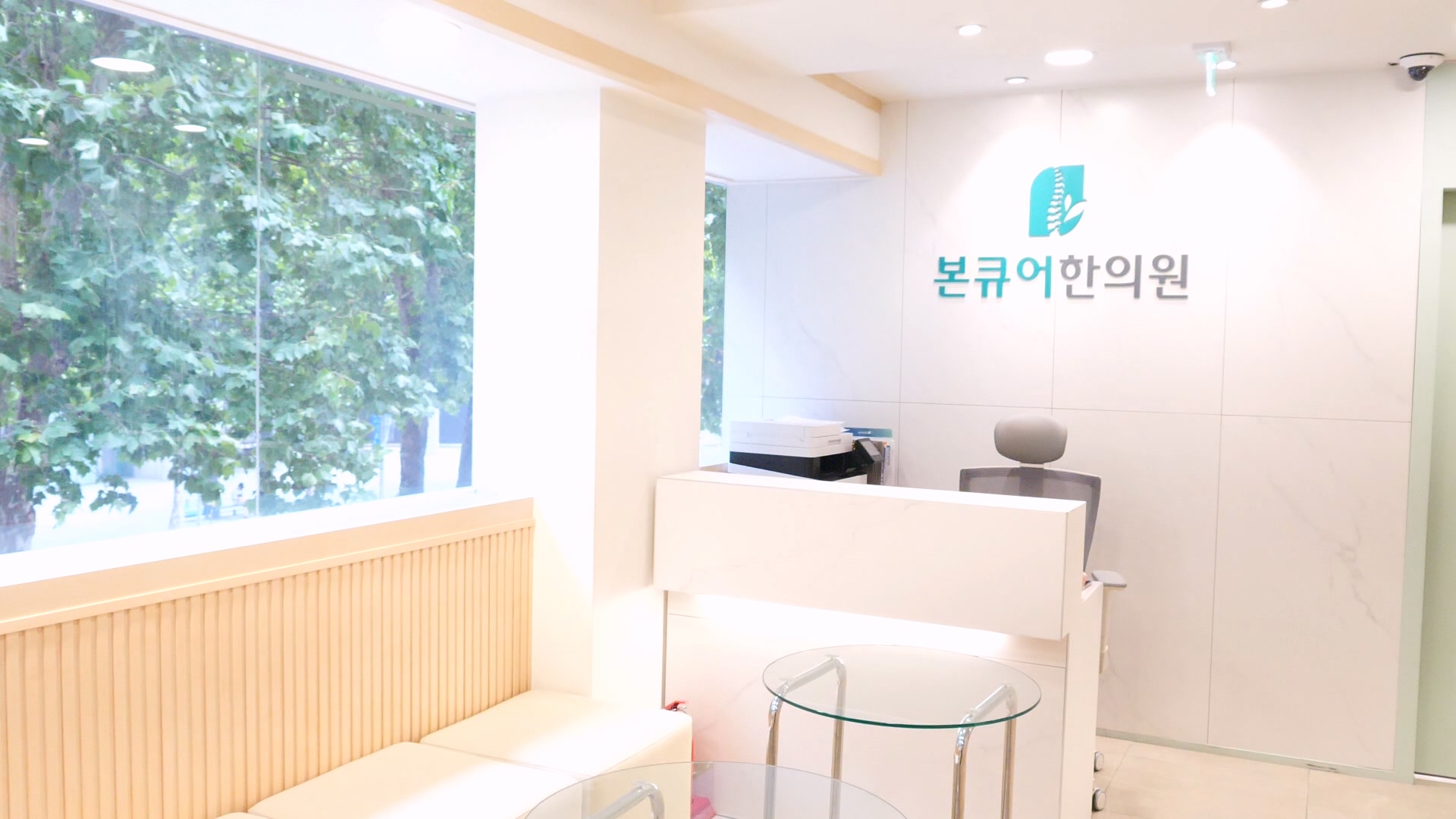
Our philosophy is simple: "When your bones smile, life smiles." Many patients visit our clinic in Gangnam complaining of a distressing burning sensation in the back, even when dermatological exams show no abnormalities. This condition, often termed Dorsal Burning Sensation (배열증), is frequently rooted in structural misalignments of the spine and nerve entrapment. In this guide, I will share how we address these underlying causes to restore balance to your daily life as of 2026-08-02.
Understanding Dorsal Burning Sensation (DBS): More Than Just Heat
Dorsal Burning Sensation (DBS) refers to an abnormal sensory experience where the patient feels intense heat, burning, or a "fire-like" feeling in the back. Unlike a typical burn, the skin itself remains normal to the touch. In Korean medicine, this is recognized as an "abnormal sensation" (이상감각) linked to the autonomic nervous system and the physical compression of nerves.
The Science of Back Heat and Nerve Entrapment
DBS is often not a skin condition but a neurological one. It typically involves the entrapment of the Dorsal Scapular Nerve (originating from the C5 root) or the Thoracic Dorsal Rami. When muscles such as the middle scalene or the rhomboids become fibrotic or tight, they compress these nerve pathways. This compression causes the brain to interpret signals as heat or a burning sensation (dysesthesia). At BonCure, we focus on identifying these specific entrapment points where the nerve passes through the fascia and muscles. By addressing the structural rigidity of the thoracic region, we aim to normalize these sensory signals. It is important to note that results vary based on individual physical conditions.
Interconnected Symptoms: The Autonomic Nervous System
Patients with DBS rarely suffer from heat alone. Because the thoracic spine is closely linked to the autonomic nervous system, many individuals experience concurrent symptoms like chronic fatigue, anxiety, indigestion, or heart palpitations. In my clinical experience, when the thoracic spine is tense or misaligned, it keeps the body in a state of sympathetic dominance (stress mode). By releasing the adhesions around the thoracic vertebrae, we often observe a calming effect on the overall nervous system. While I have seen patients report significant relief in sensory distress after targeted treatment, these findings are specific to those cases and may not be typical for every individual.
The Role of Thoracic Alignment in Sensory Health
A misaligned spine is often the root cause of chronic sensory issues. If a patient has an increased thoracic kyphosis (hunched back), it puts constant mechanical stress on the posterior nerve branches. At BonCure, we use structural analysis to see how spinal curvature contributes to nerve irritation. Unlike clinics that offer generic massage, we look for the "root cause"—the structural imbalance that allows these nerves to be pinched. By integrating Chuna therapy and acupotomy, we aim to restore the natural curve of the spine, providing a long-term solution rather than just masking the heat sensation.
Comparison: Symptomatic Management vs. BonCure Structural Recovery
Understanding the difference between temporary relief and structural resolution is key for patients dealing with chronic burning sensations.
| Feature | Conventional Symptom Management | BonCure Structural Approach |
|---|---|---|
| Primary Focus | Topical relief / Painkillers | Structural alignment & Nerve release |
| Primary Method | Ointments, nerve blocks | Acupotomy (침도요법), Chuna therapy |
| Target | Surface symptoms | Nerve entrapment & Fascial adhesions |
| Immediate Goal | Temporary cooling | Restoring nerve conductivity & balance |
Acupotomy: Breaking Down Adhesions for Immediate Relief
One of our primary tools is acupotomy, a specialized technique using a blade-like needle to perform adhesiolysis (박리). For patients with DBS, we target the fibrotic tissues around the C1 transverse process or the thoracic dorsal rami. Unlike standard acupuncture, acupotomy physically detaches hardened adhesions that compress nerves. Our clinic focuses on efficient, impactful treatment; rather than telling patients "it will take 10+ sessions to feel anything," I aim for immediate sensory changes that the patient can perceive. Please be aware that acupotomy may cause temporary soreness, minor bleeding, or bruising at the site, which typically resolves within a few days.
Traditional and Modern Synergy: The BonCure Method
We combine traditional Korean medical insights with modern biomechanical understanding to provide a comprehensive treatment environment.
Restoring Autonomic Balance
When the thoracic spine is locked, the "rest and digest" mode (parasympathetic) is inhibited. Our treatment protocols involve recalibrating the autonomic nervous system by releasing tension in the spinal muscles (multifidus and erector spinae). This not only helps with the burning sensation in the back but also supports overall systemic health. For instance, in cases involving spasmodic torticollis or Parkinsonism-related stiffness, we have observed that releasing the upper cervical and thoracic areas can improve movement fluidity. However, chronic and complex neurological conditions require personalized consultation, and results are not guaranteed for all patients.
Structural Rejuvenation for Chronic Conditions
For chronic cases where the muscles have become severely fibrotic, structural rejuvenation is essential. We don't just treat the spot that feels hot; we evaluate the entire spinal chain. If the skull or upper cervical spine is misaligned, it creates a trickle-down effect to the thoracic region. By correcting the structural blueprint of the body, we allow the nerves to function without interference. While many patients feel an immediate shift in their symptoms, long-term stability depends on the degree of chronic degeneration. We focus on providing the most efficient care possible, avoiding unnecessary tests or prolonged packages.
Key Takeaways
- Dorsal Burning Sensation (DBS) is often a result of nerve entrapment (Dorsal Scapular Nerve) rather than a skin issue.
- Structural misalignment in the thoracic spine triggers autonomic nervous system imbalances.
- Acupotomy (침도요법) is used to physically release hardened adhesions that compress nerves for immediate sensory improvement.
- Treatment at BonCure focuses on root-cause structural recovery rather than just symptomatic management.
- Patients may experience temporary soreness or bruising following acupotomy; results vary by individual.
Frequently Asked Questions
Q. Why does my back feel like it's on fire when the skin looks normal?
This is likely Dorsal Burning Sensation (배열증), an abnormal sensation caused by nerve entrapment or autonomic dysfunction. When nerves in the thoracic region are compressed by tight muscles or misaligned vertebrae, the brain interprets the signal as heat.
Q. How does BonCure treat this burning sensation differently?
We use acupotomy to physically break down the adhesions trapping the nerves. While many clinics focus on surface relaxation, we target the deep structural rigidity and spinal alignment that cause the nerve compression in the first place.
Q. How many sessions will I need?
At BonCure, we do not believe in telling patients they must commit to dozens of sessions before seeing results. Our goal is to provide immediate, perceptible improvement from the first treatment. The total number of sessions depends on how long the condition has been chronic and how well your body maintains the new alignment.
Q. Is acupotomy painful or risky?
As it involves releasing deep tissue adhesions, there can be a sharp sensation during treatment, and temporary soreness or minor bruising may occur afterward. In rare cases, localized infection is possible, though we maintain strict sterilization. It is a highly effective procedure for releasing chronic entrapment.
Q. Can a "bent back" cause these heat sensations?
Yes. An increased thoracic curve (kyphosis) puts mechanical tension on the nerves exiting the spine. Correcting this structural posture is often essential for long-term relief from back heat and associated fatigue.
Q. Where is BonCure clinic located?
We are located at 3F, 767 Samseong-ro, Gangnam-gu, Seoul. We specialize in treating complex pain and functional disorders through personalized structural recovery plans.
BonCure Clinic / Director Song Jeong-hyeon
FAQ
- What exactly is Food Stagnation Syndrome (Damjeok)?
- Food Stagnation Syndrome, known as Damjeok in Korean Traditional Medicine, refers to a condition where undigested waste toxins accumulate in the stomach wall. This causes the tissue to harden and impairs natural gastrointestinal motility. It is often why patients feel a physical stiffness in their upper abdomen even when medical tests appear normal.
- How much does the treatment at a Korean traditional medicine clinic in Cheongdam cost?
- The cost varies depending on the severity of the stagnation and the specific combination of therapies required, such as acupotomy or spinal adjustment. We recommend a personalized consultation at Bonecure to receive a detailed treatment plan and cost estimation tailored to your specific condition. Our focus is on providing long-term value through root-cause resolution.
- How many sessions are typically required to see results for chronic indigestion?
- While some patients experience immediate comfort, chronic cases often require multiple sessions to address the hardened tissue. In my clinical experience, a consistent course of treatment over several weeks, sometimes involving 20 sessions, is typically necessary to achieve significant structural and functional recovery. Individual results will always vary based on the patient's history.
- Are there any side effects to the specialized acupuncture used for Damjeok?
- Specialized acupuncture is generally safe; however, some patients may experience temporary soreness at the site or minor bruising. In rare instances, localized fatigue may occur as the body recalibrates its autonomic balance. These effects are usually mild and resolve within 24 to 48 hours as the body heals.
- Can spinal alignment really improve my digestion?
- Yes, because the nerves controlling the digestive organs exit through the spine. Misalignment can lead to autonomic dysfunction, which contributes to stagnation and reduced gastric motility. Correcting these structural issues helps restore the neural pathways necessary for healthy, efficient digestion.
- Is moxibustion therapy effective for women's health issues related to digestion?
- Moxibustion is excellent for warming the lower abdomen and improving systemic circulation. This is often crucial for women's health, as it addresses the 'cold' environment that typically accompanies both digestive stagnation and menstrual irregularities. By restoring heat, the body can more effectively break down accumulated toxins.
- What makes the approach at Bonecure different from other clinics?
- At Bonecure, we follow the motto 'When your bones smile, life smiles,' focusing on the deep connection between structure and function. We combine traditional Korean medicine with modern structural analysis to address the root causes of pain and stagnation. Our goal is to provide a comprehensive recovery path that goes beyond just masking symptoms.