
Post
A 2026 Guide to Dry Eye Relief through Structural Medicine and Acupotomy
Hello. I am Dr. Song Jung-hyun, a practitioner at BonCure Korean Medicine Clinic who has specialized in acupotomy and structural medicine for many years.
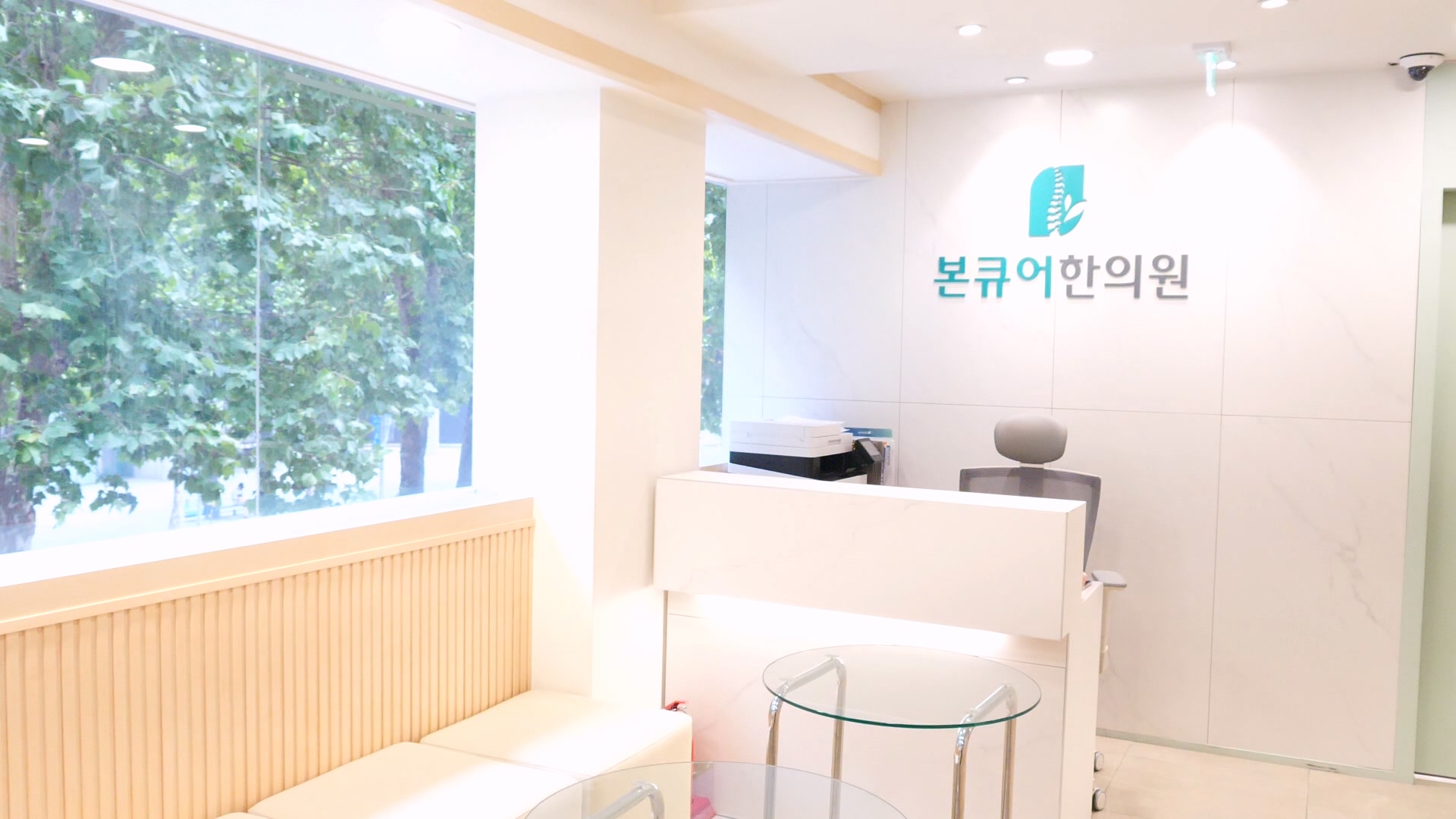
Dry eye treatment in 2026 involves more than just moistening the surface of the eye; it requires a comprehensive understanding of how the body's internal structure and nervous system influence ocular health. In this guide, I will share clinical insights on how we address chronic ocular fatigue and dryness by restoring the body's natural balance through structural correction.
Understanding Dry Eye Syndrome and the Structural Perspective
Dry eye syndrome is a complex condition characterized by a loss of homeostasis in the tear film. While many consider it a simple lack of moisture, it is frequently the result of an imbalance in the physiological systems that govern tear production, often linked to structural tensions.
Beyond Surface Moisture: The Root Causes of Tear Film Instability
At BonCure, we observe that traditional dry eye management often relies solely on artificial lubricants. Many patients who visit our clinic have used artificial tears for years without lasting relief because the underlying structural instability remains. This instability can be a symptom of deeper physiological imbalances. Our clinical approach focuses on the principle that when the delicate balance between the layers of the tear film is disrupted, the eye becomes vulnerable to chronic inflammation. By focusing on identifying the root causes—such as structural tension in the surrounding tissues—we aim to restore the natural homeostatic environment of the eye. This allows for more consistent and sustainable moisture production over time.
The Role of the Autonomic Nervous System in Ocular Health
The autonomic nervous system (ANS) plays a critical role in regulating involuntary functions, including the secretion of tears from the lacrimal glands. When a patient suffers from chronic stress or structural misalignment, the ANS can become dysregulated, leading to decreased tear quality. We often utilize diagnostic approaches to evaluate how these neurological imbalances might be contributing to ocular symptoms. In my experience, addressing the sympathetic and parasympathetic balance is essential for patients who feel that their eyes are constantly tired. By normalizing these neurological signals through structural alignment, we can improve the reflexive production of tears, providing a more biological solution to the dryness that plagues so many modern office workers today.
BonCure Korean Medicine Clinic Approaches to Eye Wellness
We offer a unique perspective on ocular health by linking the condition of the eyes to the overall structural vitality of the body. In our clinical setting, we focus on identifying specific blockages in circulation that may be depriving the ocular region of necessary nutrients. This holistic approach does not look at the eye in isolation but as part of an integrated system where structural integrity is paramount. At BonCure, we refine traditional concepts using modern diagnostic tools to provide precise treatments. We utilize specialized acupotomy and Chuna therapy to reduce local tension and restore structural harmony. While results vary from person to person, integrating these structural methods with contemporary analysis allows us to offer a comprehensive care plan for those seeking an alternative to conventional drop-based therapies.
Precision Acupotomy and Chuna for Dry Eye Relief
Innovative techniques, such as acupotomy, utilize specialized tools to physically address the structural adhesions and tension that may be restricting nerve function in the ocular region. These methods provide a mechanical release of hardened tissues that traditional needles might not reach.
How Acupotomy Releases Micro-Adhesions Near the Ocular Pathways
Acupotomy is a specialized technique that involves using a fine, blade-like needle to release micro-adhesions in the fascia and connective tissues. We often find that chronic tension in the muscles at the base of the skull and the cervical region can create physical pressure on the nerves and blood vessels supplying the lacrimal system. At BonCure, we carefully apply this method to break down these restrictive tissues, which helps restore normal physiological signaling. This procedure is designed to produce immediate changes in structural tension. While the sensation during treatment can be intense, many patients report a feeling of immediate lightness in the ocular region afterward. It is important to note that because this is a structural intervention, some patients may experience temporary soreness or minor bruising for 1 to 2 days following the session. However, these are typical responses as the body begins its natural healing process.
Supporting Glandular Function through Structural Release
The health of the meibomian glands is vital for preventing the premature evaporation of tears. When these glands become dysfunctional, dry eye symptoms can become severe. Through our clinical experience at BonCure, we focus on specific acupotomy points and Chuna techniques designed to stimulate the pathways that support gland secretion. By improving the local micro-circulation and releasing structural pressure, we help the body's natural systems function more efficiently. This approach addresses the structural causes of evaporative dry eye rather than just masking symptoms. Our goal is to help the body maintain its own protective barrier against environmental irritants, promoting long-term ocular comfort. Since every patient's structural state is different, the speed of recovery may vary.
Improving Circulation to the Lacrimal Glands
Adequate circulation is the foundation of healing, and the lacrimal glands require a steady supply of nutrients to produce the aqueous component of the tear film. At BonCure, we focus on the vascular and nerve pathways in the head and neck. If there is significant muscle guarding or structural compression in the cervical region, these pathways can be subtly compromised. By using a combination of manual Chuna therapy and precision acupotomy, we work to ensure that these pathways are clear. Our approach suggests that improving cervical mobility can support better local physiological function. For many patients, this results in a more robust tear response during activities that typically strain the eyes, such as digital device use. Ensuring the lacrimal glands are well-supported by the body's own circulatory system is a key pillar of our structural recovery philosophy.
Comparing Conventional Dry Eye Treatments with Structural Therapy
| Feature | Conventional Treatment (Artificial Tears/Drops) | Structural Therapy (Acupotomy/Chuna) |
|---|---|---|
| Primary Goal | Symptomatic relief by adding moisture | Restoring natural production functions |
| Mechanism | External lubrication (Chemical) | Structural release & neurological balance |
| Duration of Effect | Temporary (minutes to hours) | Long-term potential (cumulative recovery) |
| Focus Area | Ocular surface only | Cervical spine, nerves, and glands |
| Frequency | Multiple times daily | Personalized sessions per patient need |
Artificial Tears vs. Structural Realignment: A Comparative Analysis
When we compare artificial tears to structural realignment, we are looking at two different philosophies. Artificial tears provide an immediate, chemical solution to dryness, which is helpful for daily discomfort. However, they do not address the physical reason why the self-moisturizing mechanism has failed. At BonCure, we look for physical reasons—such as cervical tension—why the body's mechanism is hindered. Realignment of the upper cervical spine can often relieve pressure on the autonomic nerves that control the lacrimal glands. While using drops is passive, structural therapy is an active process of physical restoration. We often find that as the structure improves, patients naturally find less need for external lubrication. Individual results vary, but the goal is to reduce dependency on external aids by fixing the internal structure.
Focus on Immediate Results and Physiological Recovery
Immediate comfort is the main advantage of pharmacological interventions. However, the structural approach at BonCure focuses on both immediate structural change and long-term recovery. We do not believe in forcing a set number of sessions like "10 or 20 visits"; instead, we aim for immediate, perceptible improvement from the first treatment. Our goal is to change the underlying environment of the ocular system so that it can sustain itself. According to our clinical philosophy, a focused and impactful treatment that addresses the root cause is more efficient than repetitive, passive care. While the initial sensation of acupotomy may be strong, the potential for lasting relief from the burden of dry eye symptoms makes it a compelling option. We prioritize a balanced approach that supports immediate relief while working on long-term structural stability.
Integration for Chronic Fatigue and Ocular Tension
It is rare to see a patient with severe dry eyes who does not also complain of neck tension or general fatigue. At BonCure, we recognize these as interconnected symptoms of structural imbalance. By addressing the whole structure, we can achieve results that localized eye treatment might miss. For example, relaxing the muscles of the neck and correcting the spinal alignment can have a profound effect on the tension felt behind the eyes. This systemic perspective aims to support the patient's overall physical balance alongside their specific ocular concerns. We believe that when the structure is corrected, the body's innate healing ability is maximized.
The BonCure Philosophy: Why Cervical Alignment Impacts Your Vision
The BonCure philosophy is built on the understanding that the alignment of the cervical spine is the foundation for healthy cranial function. Any deviation in this structure can have cascading effects on the nerves that support the eyes.
The Anatomical Link Between the Upper Cervical Spine and the Eyes
The upper cervical spine, particularly the C1 and C2 vertebrae, serves as a gateway for the nervous system. There is a direct link between the health of these vertebrae and the function of the cranial nerves. When there is misalignment in this area, it can lead to irritation of the nerves that govern the lacrimal glands. At BonCure, we use structural analysis to identify these subtle shifts. By precisely adjusting these structures and using acupotomy to release adhesions, we remove the interference that prevents the eyes from receiving the proper signals to produce tears. This anatomical focus is why we emphasize that managing dry eye symptoms must include an assessment of the neck and spine for sustainable health.
Restoring Balance: The BonCure Way
Restoring balance at BonCure means returning the entire body to a state of efficiency. We believe that when the structure is aligned, "the bones smile," and this harmony reflects in the health of all organs, including the eyes. During your treatment, we monitor progress using both your feedback and structural evaluations. Even in cases of long-standing chronic symptoms, we focus on identifying the underlying structural causes to facilitate recovery. While we cannot guarantee a 100% cure for every individual, our experience shows that most patients experience a significant improvement in their quality of life and immediate symptom relief. At BonCure, we are dedicated to providing personalized care tailored to your unique anatomical needs.
Key Takeaways
- Dry eye syndrome is often linked to structural imbalances in the cervical spine and autonomic nervous system.
- Acupotomy at BonCure releases micro-adhesions that restrict nerve and blood flow to the lacrimal glands.
- We focus on immediate structural changes and perceptible improvement from the very first session.
- Improving meibomian gland function and cervical alignment enhances tear film stability based on individual conditions.
- Treatment plans are tailored to each individual; results may vary, and minor side effects like temporary soreness may occur.
Frequently Asked Questions
Q. What exactly is dry eye syndrome from a structural perspective?
From a structural perspective, dry eye is often linked to tension in the upper cervical spine. This tension can compress nerves or restrict blood flow, leading to chronic dryness. We look at the alignment of the neck to see if physical blockages are preventing your lacrimal glands from functioning correctly.
Q. How does acupotomy help with dry eye symptoms?
Acupotomy helps by physically releasing hardened tissues and adhesions near the nerves and vessels that supply the eyes. By removing these mechanical obstructions, it restores the body's natural ability to regulate tear production and circulation, often leading to immediate relief.
Q. Is it true I need dozens of sessions to see an improvement?
No. At BonCure, we focus on impactful treatments that produce immediate structural changes. While chronic cases require a personalized plan to maintain stability, many patients feel a significant difference in ocular pressure and dryness after just one session.
Q. Are there any side effects or risks associated with these treatments?
As with any clinical procedure involving acupotomy, there are minor risks such as temporary soreness, slight bruising, or a dull ache at the site for 1-2 days. At BonCure, we use sterile, disposable equipment and follow strict safety protocols to ensure a safe and effective treatment.
Q. Can I continue using artificial tears while receiving treatment?
Yes, you can continue using drops for immediate comfort. Our ultimate goal is to restore your body's own tear production functions so that you can eventually reduce your dependence on external drops as your structural health improves.
Q. How much does the treatment at BonCure cost?
Treatment costs depend on the complexity of the acupotomy and the extent of structural realignment (Chuna) needed. Because every patient's structural condition is unique, we provide a personalized explanation of the necessary treatments and associated values after an initial consultation with Dr. Song Jung-hyun.
For those suffering from persistent ocular fatigue and dryness, structural recovery offers a path toward lasting comfort. If you are ready to explore a different approach to dry eye treatment, we invite you to consult with us.
BonCure Korean Medicine Clinic / Dr. Song Jung-hyun
FAQ
- What exactly is dry eye syndrome from a structural perspective?
- From a structural perspective, dry eye syndrome is more than just a surface issue; it is often linked to tension in the upper cervical spine. This tension can compress the nerves that regulate tear production or restrict blood flow to the eyes, leading to chronic dryness. At Bonecure, we look at the alignment of the neck to see if physical blockages are preventing your lacrimal glands from functioning correctly.
- How does acupuncture help with dry eye symptoms?
- Acupuncture helps by stimulating local blood circulation and balancing the autonomic nervous system. By targeting specific points around the eyes and along the spine, it can reduce inflammation and encourage the body to produce high-quality tears. This natural stimulation helps restore the homeostatic balance of the ocular surface without the need for chemicals.
- What is the difference between standard acupuncture and acupotomy for this condition?
- Standard acupuncture uses very thin needles to balance the body's energy and blood flow. Acupotomy, however, uses a specialized tool with a small blade at the tip to physically release hardened tissues and adhesions. This is more effective for chronic cases where the physical structure of the tissue has become stiff or scarred over time.
- How many sessions are typically required to see an improvement?
- The number of sessions varies depending on whether the condition is acute or chronic. While some patients feel a sense of lightness after just one session, chronic dry eye treatment usually requires 10 to 20 sessions to achieve stable results. We recommend a consistent treatment plan to allow the body's structure and nervous system time to adapt and heal.
- Are there any side effects or risks associated with these treatments?
- As with any clinical procedure, there are minor risks such as temporary soreness, bruising, or slight swelling at the treatment site. These are usually mild and resolve within a few days. At Bonecure, we use sterile, disposable equipment and follow strict safety protocols to minimize the risk of infection or other complications.
- Can I continue using artificial tears while receiving treatment?
- Yes, you can continue using artificial tears for immediate symptomatic relief while undergoing treatment at Bonecure. Our ultimate goal is to restore your body's ability to produce its own tears, which may eventually reduce your dependence on drops. We will monitor your progress and advise you on how to adjust your use of drops as your condition improves.
- How much does the dry eye treatment at Bonecure cost?
- The cost of treatment depends on the specific procedures involved, such as the complexity of the acupotomy or the extent of the structural realignment needed. Because every patient's structural needs are different, we provide a personalized cost estimate after an initial consultation with Dr. Song Jung-hyun. We focus on providing high-value care that addresses the root cause of your symptoms.