
Post
A 2026 Structural Guide to Eye Fatigue and Autonomic Imbalance
Hello, I am Song Jeong-hyun, the director of Bonecure Korean Medicine Clinic.
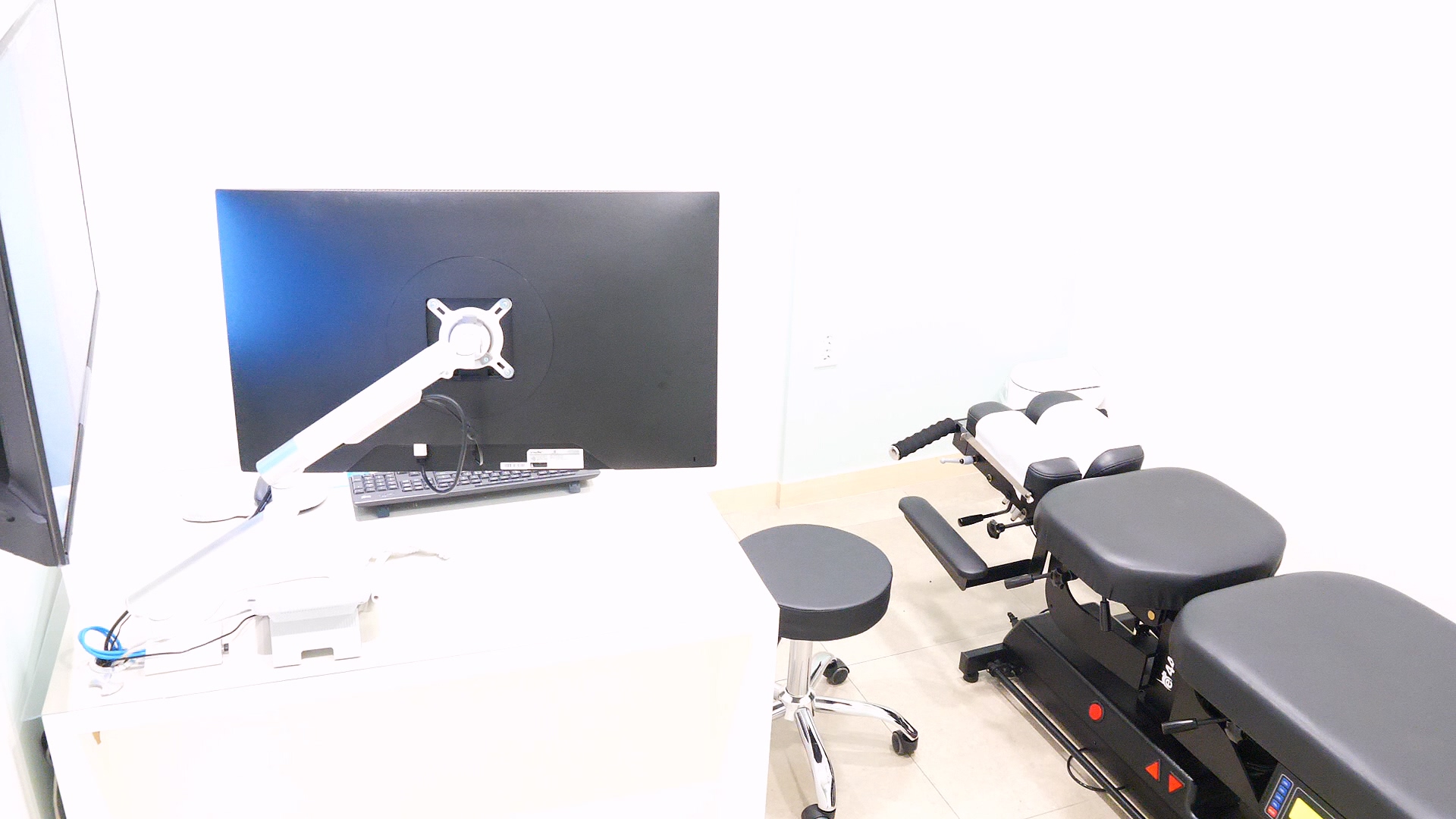
My practice is dedicated to identifying the structural root causes of chronic pain and functional disorders through Acupotomy and Chuna therapy. If you are experiencing persistent ocular discomfort or fatigue that doesn't improve with topical treatments, it is essential to look beyond the surface. Often, these symptoms are manifestations of underlying structural imbalances and autonomic nervous system dysfunction that require precise physical intervention to resolve. My goal is to assist patients in their journey toward a balanced life by working to restore the body's natural alignment and physiological flow, though results may vary based on individual conditions.
Understanding Dry Eye Syndrome Through Structural Balance
Structural balance is the foundation of sensory health. When the body's framework is misaligned, it creates a cascade of physiological issues that can affect various organs, including the eyes. At Bonecure, we view ocular comfort through the lens of anatomical precision and neurological harmony.
A Definition Based on Structural Integrity
In my clinical experience at Bonecure, I have found that sensory abnormalities are rarely isolated incidents. While ocular fatigue is often defined as a lack of tear film stability, it is deeply connected to how the nervous system regulates gland function. The tear film—comprised of lipid, aqueous, and mucin layers—relies on precise autonomic signaling. When the structural environment of the nerves is compromised, this balance is disrupted, leading to burning, stinging, or a persistent gritty sensation. Rather than viewing this simply as an environmental issue, we must consider the systemic health of the neurosensory pathways. Understanding this connection is the first step toward moving beyond supplemental lubrication like artificial tears toward a health-oriented approach that addresses the physiological foundations of tear production through structural recovery.
The Connection Between Your Neck and Eye Health
The structural integrity of the upper cervical spine, particularly the C1 and C2 vertebrae, is a critical factor in ocular health. At Bonecure, I frequently observe that patients with chronic sensory discomfort also present with significant tension or misalignment in these segments. These vertebrae are closely situated to autonomic nerve pathways that regulate cranial secretions. When the neck is misaligned due to poor posture or repetitive strain, it can create mechanical pressure on these delicate nerves. This structural interference can disrupt the signals sent to the glands, potentially leading to decreased fluid production and eye strain. By focusing on the relationship between the spine and the eyes, we can work to identify underlying structural factors that may be relevant to your symptoms. My approach focuses on manual movement evaluations to pinpoint these structural bottlenecks, providing a comprehensive view of patient health.
How Autonomic Dysfunction Triggers Chronic Eye Strain
Autonomic dysfunction refers to an imbalance between the sympathetic and parasympathetic systems, which directly affects the body's ability to maintain moisture and rest. The parasympathetic system stimulates tear and saliva production, while chronic structural stress often leaves the sympathetic system in a dominant state. At Bonecure, we assess this balance using tools like the Autonomic Nervous System and HRV Test to understand the patient's internal state. If the nerves passing through the neck and skull base are compressed, the feedback loop required for healthy tear film maintenance is broken. This often manifests as chronic eye strain that persists regardless of external factors. Addressing this neurological balance through the physical release of adhesions can be a helpful option for patients who have not found sufficient relief from topical treatments alone, although individual responses to treatment differ.
Why Conventional Eye Drops May Fall Short for Chronic Cases
Conventional eye drops provide immediate lubrication by mimicking natural tears. While they are effective for surface moisture, our approach focuses on the internal structural and neurological factors that may also influence how the body regulates moisture and comfort.
The Limitations of External Artificial Lubrication
Artificial tears serve a purpose for environmental dryness, but for many chronic sufferers, they may not address the underlying structural issues contributing to the condition. These drops do nothing to stimulate the glands or repair the oily lipid layer that prevents evaporation. Furthermore, overusing certain types of drops can wash away natural proteins and enzymes the eye needs. In my observations at Bonecure, I have seen patients who find no baseline improvement despite frequent use of external lubrication. This is because topical application cannot override a structural blockage in the nervous system or a lack of blood flow to the ocular tissues. Relying solely on these products can delay the identification of significant underlying structural issues that require an integrative medicine approach to resolve effectively by targeting the body's internal physical environment.
Identifying Internal Adhesions and Nerve Compression
Internal adhesions are areas where fascia and muscle tissues have become fibrotic and 'stuck' together due to chronic inflammation. These adhesions in the suboccipital and cervical regions can physically compress blood vessels and nerves vital for cranial health. When blood flow is restricted, the tissues do not receive the oxygen and nutrients needed for optimal gland function. In my practice, I focus on identifying these physical bottlenecks, such as stiffness in the suboccipital muscles that can impede the pathways supporting the autonomic nerves. This mechanical compression is a physical problem that requires a physical solution, such as the precision offered by Bonecure Acupotomy (Dochim) Therapy. Recognizing that the problem is often 'trapped' within the tissue allows us to target the treatment much more accurately than broad-spectrum medications, facilitating a direct release of the compressed structures.
Traditional Korean Medicine Treatment vs. Symptomatic Relief
The difference between a structural approach and symptomatic relief lies in the goal of the treatment. While standard care focuses on adding moisture to the eye, my approach at Bonecure investigates why the moisture production is hindered. We view symptoms as signals of a 'blocked' system. By using specialized techniques to release those blocks, we aim to restore the body’s innate ability to maintain balance. This is not a superficial fix, but a process of rehabilitating the structural environment of the nerves and muscles. While drops manage surface symptoms, structural realignment at Bonecure aims to support the patient's overall physiological environment. By focusing on the 'root cause' rather than just the symptom, we provide evidence-based interventions that target the physical structures of the neck and skull base.
The Bonecure Approach: Acupotomy and Cervical Realignment
Bonecure utilizes a specialized structural approach that combines Acupotomy—using blade-tipped needles to release tissue adhesions—and Chuna therapy to restore proper physiological flow. This methodology targets the physical barriers that prevent the nervous system from functioning optimally and helps patients regain structural symmetry.
| Feature | Standard Acupuncture | Bonecure Acupotomy (Dochim) |
|---|---|---|
| Tool Used | Thin, rounded needle | Specialized blade-tipped needle |
| Primary Goal | General energy balance | Physical release of fibrotic adhesions |
| Tissue Depth | Mostly superficial | Deep fascial & structural layers |
| Effect on Adhesions | Indirect stimulation | Direct mechanical separation and release |
| Typical Use Case | General wellness | Chronic structural issues |
Releasing Upper Cervical Adhesions with Acupotomy
Acupotomy, or Dochim, is a specialized procedure I perform at Bonecure to address deep-seated tissue adhesions. The tool used in Acupotomy has a tiny flat blade at the tip, allowing me to precisely 'peel' away the microscopic scar tissue and adhesions formed around the upper cervical vertebrae and skull base. When these adhesions are released, the mechanical pressure on the nerves and blood vessels is reduced, supporting better physiological flow. Many patients report an immediate feeling of 'release' or lightness in their neck and head following these sessions. It is important to note that while this procedure is highly effective, common side effects include temporary soreness or minor bruising at the site, which typically resolves within a few days. This treatment is a cornerstone for those whose ocular symptoms are linked to chronic structural stiffness.
Improving Blood Flow to the Optic Nerve via Spinal Correction
Spinal correction at Bonecure involves restoring the proper conduit for blood flow to the head. The vertebral arteries travel through the cervical vertebrae, and misalignment can potentially impede this flow. When we perform Chuna therapy, we are effectively opening the highways of the body. Improved circulation means the nerves and glands receive a steady supply of nutrients, which is vital for long-term health and the stability of the sensory systems. I have seen that correcting forward head posture can significantly reduce the 'heavy' feeling in the eyes that many patients describe. While results vary, the link between spinal alignment and cranial blood flow is a foundational principle of my work. This process focuses on the 'structural smile' of the bones, which leads to a higher quality of daily life.
Comparison: Standard Acupuncture vs. Bonecure’s Specialized Acupotomy
It is helpful for patients to understand the functional differences between treatments. Standard acupuncture is a valuable tool for general wellness. In contrast, Acupotomy is specifically designed for the mechanical release of dense, chronic adhesions. My use of Acupotomy at Bonecure is a more 'impactful' non-surgical intervention that targets the hardened fascia. For stubborn conditions like chronic eye fatigue linked to autonomic imbalance, a robust intervention is required. We also integrate Structural Nerve Release for Autonomic Balance principles to ensure the nervous system is supported after the physical release. This combination of physical tissue release and neurological support provides a comprehensive framework for recovery, offering a different mechanical approach than standard needle stimulation for complex structural cases.
Clinical Insights from My Traditional Medicine Practice
Clinical insights at Bonecure are gathered from my focus on how structural corrections correlate with the relief of systemic symptoms. These observations help guide personalized treatment plans tailored to each individual's unique anatomical needs.
Observations from Traditional Medicine Clinical Notes
Throughout my years of practice, I have documented numerous cases where patients presenting with autonomic issues—such as 'Dorsal Burning' (Baeyeol-jeung) or chronic neck stiffness—also found significant relief from their ocular fatigue. These clinical notes suggest that the body’s structures are deeply interconnected. For instance, releasing entrapment of the dorsal rami in the thoracic spine often correlates with improved sensory balance. It is crucial to manage expectations; while my goal is to provide immediate improvement during the first session, chronic conditions may require a consistent plan to achieve long-term stability. Individual results vary based on age, lifestyle, and the severity of the structural damage. These insights form the basis of our evidence-based approach, focusing on the release of fibrotic tissue to restore the body's natural functionality.
Clinical Principles: Managing Chronic Eye Fatigue Through Structural Therapy
In clinical practice, patients with severe eye fatigue often exhibit restricted neck motion and significant misalignment in the upper cervical spine. For such cases, I apply a combination of Chuna therapy and Acupotomy to release suboccipital adhesions, focusing on restoring structural balance. This approach aims to decrease mechanical strain on the cranial nerves and support the body's natural regulatory mechanisms. By treating the structural environment of the whole person, we address the foundations of ocular comfort. It is important to note that results vary significantly between individuals. Chronic conditions typically require a tailored treatment plan to achieve stable improvement. At Bonecure, we prioritize necessary treatments only, ensuring that each procedure is efficient and impactful for the patient's specific structural needs.
Safety Guidelines and Potential Side Effects to Consider
Transparency regarding safety is paramount at Bonecure. Acupotomy is a specialized technique involving deep tissue interaction, and patients should be aware of potential side effects. These most commonly include localized soreness, minor swelling, or bruising at the treatment site, which are part of the body's natural healing response. In rare cases, localized infection or increased sensitivity may occur, although we take every precaution to ensure a sterile and precise environment. Structural treatment is a process; some patients may feel temporary fatigue as their body adjusts to a new alignment. I always provide a thorough consultation before starting any plan to ensure a patient is a good candidate. By maintaining open communication and following these safety guidelines, we can work together to achieve the best possible outcomes for your structural and sensory health.
Frequently Asked Questions
Q. What is the primary cause of eye fatigue from a structural perspective?
From my experience at Bonecure, many chronic cases involve misalignments in the upper cervical spine. This can put pressure on the autonomic nervous system, which regulates the glands and sensory signals, leading to persistent discomfort despite using topical aids. Addressing these misalignments helps restore the proper neurological signaling required for natural balance.
Q. How does Bonecure use Acupotomy to address ocular symptoms?
Acupotomy, or 'Dochim', involves using a specialized blade-tipped needle to release stiffened tissue adhesions around the neck and skull base. By improving nerve conduction and circulation in these areas, I aim to restore natural physiological functions and reduce the mechanical blocks that prevent the body from maintaining its own ocular health.
Q. Does the Acupotomy procedure cause significant pain?
The treatment involves a brief moment of discomfort as I target deep adhesions, which most patients describe as a 'heavy' or 'sore' sensation that subsides quickly. I prioritize precision and efficiency to ensure the process is as comfortable as possible. The immediate feeling of 'release' often outweighs the temporary sensation of the procedure.
Q. How many sessions are typically required to see an improvement?
At Bonecure, we aim for immediate, perceptible changes in your symptoms during the first session. However, the duration for long-term stability varies based on the individual's condition and the chronicity of the structural issue. Some chronic cases may require a more consistent plan, which we determine after a thorough examination during your first visit.
Q. Are there any side effects or risks associated with this treatment?
Acupotomy may result in temporary soreness, minor bruising, or light bleeding at the site of insertion. In rare cases, localized infection or increased sensitivity may occur. It is essential to consult with a qualified practitioner like myself at Bonecure to ensure the treatment is appropriate for you and to minimize any potential risks.
Q. Can this treatment help patients who feel their eyes are constantly 'heavy'?
Yes, this 'heavy' feeling is often linked to poor blood flow and nerve compression in the upper neck. By correcting cervical alignment and releasing adhesions, we can improve circulation to the head and eyes, often reducing the sensation of strain. However, it is important to remember that results vary by individual case.
Q. How is Bonecure different from a standard acupuncture clinic in Seoul?
Bonecure focuses heavily on the structural and neuro-anatomical aspects of chronic conditions. I combine traditional Acupotomy with Chuna therapy and modern diagnostic movement evaluations to correct the fundamental spinal imbalances that contribute to systemic issues. This provides a more targeted, physical solution for complex or recalcitrant cases.
Key Takeaways
- Structural Connection: Eye fatigue and sensory discomfort are often linked to upper cervical misalignments that disrupt autonomic nerve signals.
- Beyond Surface Relief: Artificial tears provide temporary comfort; Bonecure targets internal root causes such as nerve compression and tissue adhesions.
- Acupotomy Precision: Specialized blade-tipped needles are used to physically release deep fibrotic tissues that block blood flow and nerve function.
- Immediate Improvement: Our philosophy focuses on providing immediate structural release and perceptible changes during treatment, not just long-term management.
- Personalized Care: Every treatment plan at Bonecure is tailored to the individual's specific anatomical needs, focusing on efficient and impactful structural recovery.
If you are struggling with persistent ocular discomfort and are looking for a structural solution, I am here to help. Please reach out to discuss how we can work toward restoring your balance and comfort.
Bonecure / Song Jeong-hyun
FAQ
- What is the primary cause of dry eye syndrome from a structural perspective?
- From my experience at Bonecure, many chronic cases involve misalignments in the upper cervical spine. This can put pressure on the autonomic nervous system, which regulates tear production, leading to persistent dryness despite using eye drops. Addressing these misalignments helps restore the proper neurological signaling required for natural eye lubrication.
- How does Bonecure use Acupotomy to treat dry eye syndrome?
- Acupotomy, or 'Dochim', involves using a specialized blade-tipped needle to release stiffened tissue adhesions around the neck and skull base. By improving nerve conduction and circulation in these areas, I aim to restore natural tear film function and reduce the mechanical blocks that prevent the lacrimal glands from working efficiently.
- Does the Acupotomy procedure for dry eyes cause significant pain?
- While the treatment involves a brief moment of discomfort as I target deep adhesions, most patients describe it as a 'heavy' or 'sore' sensation that subsides quickly. I prioritize precision and efficiency to ensure the process is as comfortable as possible for the patient. The immediate feeling of 'release' often outweighs the temporary sensation of the procedure.
- How many sessions are typically required to see an improvement?
- The duration of treatment varies significantly based on the patient's individual condition and how long they have suffered from the symptoms. For chronic or severe structural issues, multiple sessions—often between 10 and 20—are usually necessary to achieve and maintain stable results. I determine the specific plan after a thorough structural examination during your first visit.
- Are there any side effects or risks associated with this treatment?
- Acupotomy is a specialized procedure that may result in temporary soreness, minor bruising, or light bleeding at the site of insertion. In rare cases, localized infection or increased sensitivity may occur. It is essential to consult with a qualified practitioner like myself at Bonecure to ensure the treatment is appropriate for you and to minimize any potential risks.
- Can this treatment help patients who have undergone LASIK or LASEK surgery?
- Yes, many post-surgery patients suffer from dry eyes due to disrupted nerve signals or existing structural issues that were exacerbated by the procedure. Our focus at Bonecure on cervical alignment and autonomic balance can be a helpful adjunctive therapy to restore comfort, although it is important to remember that results vary by individual case.
- How is Bonecure different from a standard acupuncture clinic in Seoul?
- Bonecure focuses heavily on the structural and neuro-anatomical aspects of chronic conditions rather than just general energy balance. I combine traditional Acupotomy with Chuna therapy and other structural techniques to correct the fundamental spinal imbalances that contribute to systemic issues like dry eye syndrome. This provides a more targeted, physical solution for complex cases.