
Post
Chuna Manual Therapy Gangnam: A 2026 Guide to Skull, TMJ, and Spinal Restoration at Bonecure
Hello, I am Dr. Song Jeong-hyeon, a practitioner specializing in the restoration of structural harmony through Acupotomy and Chuna manual therapy at Bonecure.
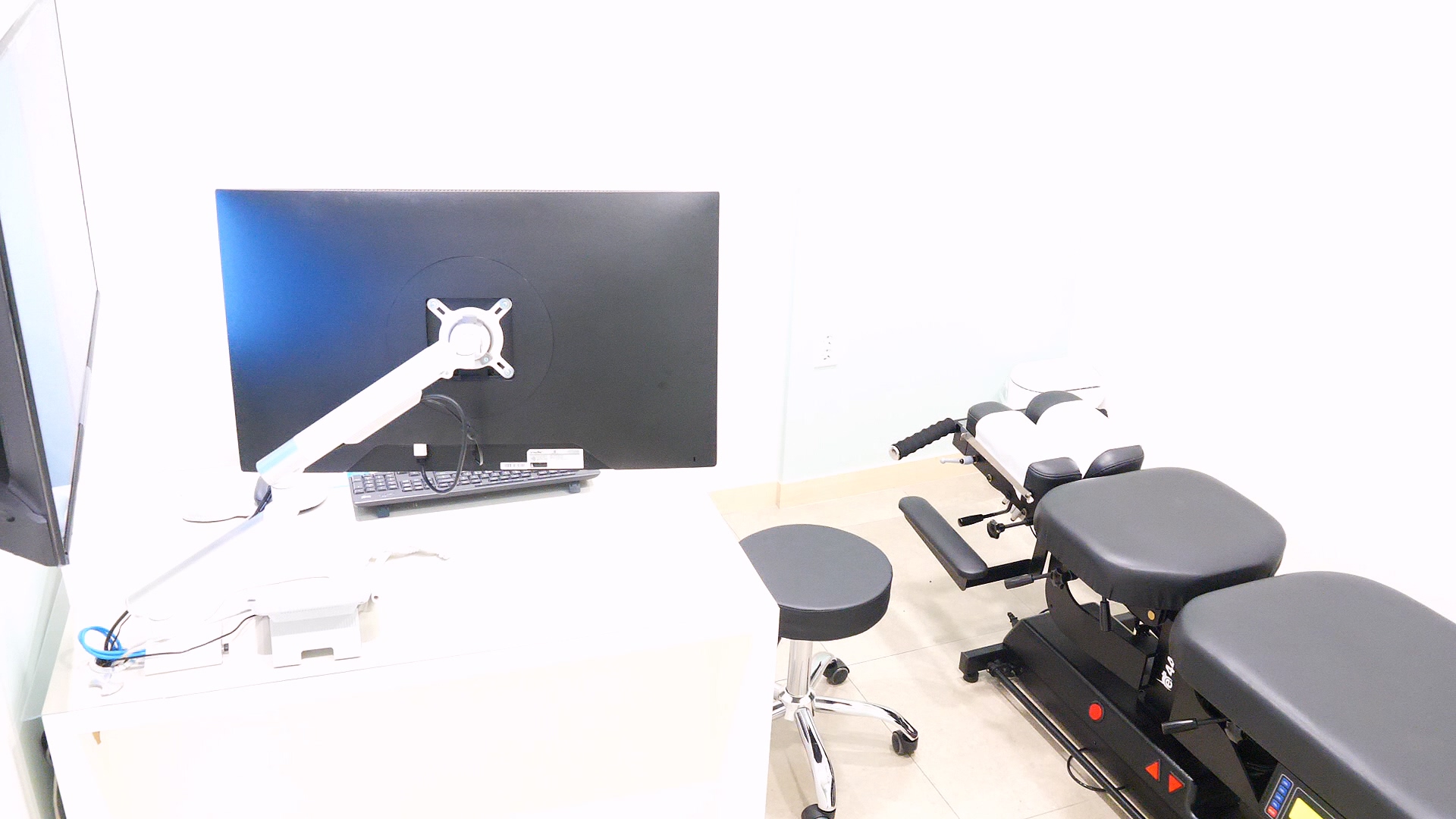
For years, I have focused on helping patients regain their natural vitality by correcting the underlying misalignments of the skull, jaw, and spine that cause chronic discomfort and neurological imbalances. My approach is centered on efficient, impactful treatment that aims to provide noticeable changes by addressing the root structural cause.
Understanding Chuna Manual Therapy in Gangnam: A Fundamental Approach to Cranial and Spinal Health
Chuna manual therapy in Gangnam is a specialized Korean traditional medical treatment where a licensed doctor uses their hands, limbs, or specialized equipment to apply therapeutic force to the patient's skeletal structure and soft tissues. At Bonecure, we define our core expertise as the restoration of structural integrity, specifically focusing on the misalignment of the skull (cranial), temporomandibular joint (TMJ), and the entire spine. This method aims to rectify structural imbalances, alleviate pain, and improve the overall functional capacity of the body by restoring natural alignment. We move beyond mere symptom management to focus on identifying and treating the essential structural origins of physical dysfunction.
What is Chuna Manual Therapy?
Chuna manual therapy represents a specialized form of Korean traditional medicine where a qualified practitioner uses controlled force to correct skeletal misalignment and restore functional movement. At Bonecure, the primary focus is not merely on symptom suppression but on the fundamental restoration of structural integrity. By addressing the root cause—often found in the imbalance between the skull and the spine—this method facilitates the natural healing processes of the body. Throughout my years of practice, I have observed that many patients in the Gangnam area seek this treatment for issues ranging from neck stiffness to complex chronic conditions rooted in cranial-sacral imbalances. Each session is tailored to the individual’s specific physiological needs, aiming for immediate structural changes that the patient can feel during the recovery process.
The Core Philosophy of Bonecure: When Your Bones Smile, Life Smiles
The guiding philosophy at Bonecure is encapsulated in our slogan, "When your bones smile, life smiles." This emphasizes that the health of the skeletal system, starting from the skull down to the tailbone, is the foundation for overall well-being. When the skull and spine are misaligned, it often leads to a cascade of physiological issues, including nerve compression, muscular tension, and reduced mobility. My goal is to help patients regain their structural harmony so they can return to their daily lives without the burden of constant physical discomfort. By prioritizing the health of the bones and joints, we are investing in the long-term vitality of the entire body. While every patient’s journey is unique, our mission remains focused: providing meticulous structural care for a more balanced life.
Why Choose Chuna Manual Therapy for Chronic Pain and Structural Alignment
Structural alignment therapy at Bonecure prioritizes the correction of skeletal discrepancies, particularly in the cranial and spinal regions, to relieve pressure on the nervous system. By focusing on the relationship between the skull, the TMJ, and the central nervous system, this approach addresses the mechanical origins of pain. We utilize these principles to help patients suffering from chronic conditions that have not responded to conventional treatments, providing a path toward functional recovery.
Restoring Balance through Cranial, TMJ, and Spinal Realignment
Restoring balance through structural realignment is the cornerstone of effective musculoskeletal care. The human body functions best when its structural components—including the skull and jaw—are correctly positioned to distribute force evenly. When imbalances occur, certain muscles become overactive while others weaken, leading to chronic pain and joint wear. Bonecure utilizes diagnostic insights to identify these discrepancies and applies Chuna techniques to encourage the body back into its natural state of equilibrium. This process often involves precise adjustments that relieve pressure on the nervous system. While some structural changes may be felt quickly, long-term stabilization usually requires a series of consistent treatments tailored to the individual. Maintaining this balance is vital for preventing the recurrence of chronic pain.
Addressing Adhesion and Promoting Tissue Regeneration with Acupotomy
Chronic pain is frequently the result of tissue adhesions where muscle fibers and fascia become stuck together due to inflammation. Addressing these adhesions is critical for promoting genuine tissue regeneration. At Bonecure, I integrate Acupotomy, a specialized blade-like needle technique, alongside Chuna manual therapy to effectively release these stubborn internal scars through precise dissection (adhesion release). This dual approach allows for a deeper level of structural correction that manual manipulation alone might not achieve. By breaking down these adhesions, we stimulate the body’s natural repair mechanisms. Patients often describe a sense of immediate lightness following the release of tension. However, please note that because this involves micro-interventions, temporary soreness, minor bleeding, or bruising at the treatment site is common, and in rare cases, infection can occur. Achieving tissue regeneration is a process that requires expert guidance to ensure optimal results.
A Comparative Overview: Chuna Manual Therapy vs. General Physical Therapy
Understanding different treatment modalities helps patients make informed healthcare decisions. While both Chuna and physical therapy aim to reduce pain, they utilize different theoretical frameworks. Bonecure focuses on the manual restoration of the structural framework itself, ensuring a holistic approach to recovery.
Key Differences in Methodology and Goals
Chuna manual therapy differs from standard physical therapy in its clinical focus. While physical therapy often emphasizes muscle strengthening through exercise, Chuna emphasizes the manual correction of the skeletal framework, including the skull and TMJ. The practitioner directly manipulates the bones and joints to address structural blockages impacting alignment. Bonecure integrates these traditional techniques with modern diagnostic tools like X-ray analysis to provide a comprehensive view. Furthermore, Chuna is performed exclusively by a licensed Korean medicine doctor, ensuring the treatment is guided by deep clinical knowledge of anatomy. This perspective ensures the patient receives a multi-dimensional approach catering to both the physical structure and internal physiological balance.
Comparison Table: Treatment Characteristics
| Feature | Chuna Manual Therapy (Bonecure) | General Physical Therapy |
|---|---|---|
| Primary Provider | Licensed Korean Medicine Doctor | Physical Therapist |
| Core Target | Skull, TMJ, & Spinal Alignment | Muscles & Functional Movement |
| Main Technique | Manual Structural Manipulation | Therapeutic Exercise & Equipment |
| Integration | Combined with Acupotomy (Adhesion Release) | Combined with Heat/Electrical Stimulation |
| Goal | Root Structural Restoration | Rehabilitation & Mobility Maintenance |
For more information on specialized spine care, you may refer to A 2026 Clinical Guide to Non-invasive Spine Therapy: Structural Restoration at Bonecure or explore A 2026 Clinical Guide to Acupotomy and Structural Restoration.
Clinical Evidence and the Scientific Basis of Bonecure’s Approach
At Bonecure, we rely on clinical research and objective patient data to validate treatment outcomes. This commitment to scientific rigor allows us to address complex cases, including autonomic nervous system dysfunction and chronic structural deformities, with a high degree of clinical confidence.
Case Reports on Structural Alignment and Wellness
The scientific basis of my approach is supported by various clinical case reports and objective evaluation metrics. For instance, I have documented cases where patients with mid-degree idiopathic scoliosis or chronic tinnitus showed structural and symptomatic improvements after a dedicated course of treatment focused on spinal and cranial alignment. These results are tracked using tools such as whole-spine X-ray imaging and neurological scales. However, it is vital to understand that these outcomes represent specific clinical case reports; results vary between individuals, and a consistent treatment plan is often necessary for chronic conditions. Safety is our highest priority. Potential side effects include temporary pain, localized redness, or, in rare circumstances, minor infection. We maintain clear communication to minimize risks while maximizing the potential for structural restoration.
Frequently Asked Questions
Q. What exactly is Chuna manual therapy provided at Bonecure?
Chuna manual therapy is a specialized treatment where a doctor uses their hands to correct structural imbalances. At Bonecure, we specifically target the alignment of the skull, TMJ, and spine to address the root cause of pain and functional issues.
Q. Is the treatment painful?
Some patients may feel pressure or temporary discomfort during the release of adhered tissues (Acupotomy) or skeletal adjustments. This sensation is part of the process of releasing tight structures. The intensity is adjusted to your tolerance to ensure a safe procedure.
Q. How many sessions are typically required?
Results vary based on the severity of the condition. While we aim for efficient treatment and immediate impact, chronic issues like scoliosis or autonomic dysfunction often require a consistent plan over several weeks to achieve stabilization. A personal consultation is necessary for a precise timeline.
Q. Are there any side effects?
Commonly, patients experience mild soreness, temporary redness, or minor bruising. In rare cases, minor inflammation or infection may occur. We provide clear post-treatment instructions to manage these sensations and ensure safety.
Q. Can Chuna help with issues like dizziness or jaw pain?
Yes. By correcting the alignment of the skull (cranial) and TMJ, we address structural issues that often contribute to dizziness and jaw dysfunction. Clinical case reports have shown positive results in these areas by restoring balance to the nervous system.
Q. What is the cost of treatment at Bonecure?
Costs vary depending on the specific techniques used and insurance coverage. We provide transparent pricing and value-based recovery plans during your initial consultation. Please contact Bonecure for detailed pricing information.
Key Takeaways
- Chuna manual therapy at Bonecure focuses on the structural alignment of the skull, TMJ, and spine.
- We combine manual therapy with Acupotomy to release tissue adhesions for deeper structural restoration.
- Our goal is to identify and treat the root cause of pain, aiming for impactful and efficient recovery.
- Patient safety is prioritized, with clear guidance on common side effects like temporary soreness or bruising.
- Individual results may vary, and a customized plan is essential for chronic condition management.
For a detailed consultation and to start your journey toward structural restoration, please contact our clinic.
Bonecure / Dr. Song Jeong-hyeon
FAQ
- What exactly is Chuna manual therapy provided in Gangnam?
- Chuna manual therapy is a specialized Korean traditional treatment where a doctor uses their hands or specialized equipment to apply pressure to the patient’s body, correcting structural imbalances and relieving pain. At Bonecure, we focus on restoring the natural alignment of the spine and joints to improve overall function. This process involves a detailed assessment of the skeletal system to ensure precise and effective manual adjustments.
- Is Chuna manual therapy painful?
- While some patients may feel slight discomfort or pressure during the release of adhered tissues, many describe the sensation as a refreshing pain followed by immediate relaxation. The intensity is always adjusted based on the individual's condition and pain tolerance. Most patients find that the temporary pressure is well worth the subsequent relief and improved range of motion.
- How many sessions are typically required for noticeable results?
- Results vary depending on the severity and chronicity of the condition. While some individuals experience relief after the 1st session, chronic issues like scoliosis or autonomic dysfunction often require a consistent treatment plan over several weeks. A personalized consultation at Bonecure is necessary to determine the exact number of sessions required for your specific needs.
- Are there any side effects to be aware of?
- Commonly, patients may experience mild soreness, temporary redness, or minor bruising at the treatment site, which typically resolves within a few days. In rare cases, minor inflammation or infection may occur, so following post-treatment care instructions is vital. We always prioritize patient safety and provide clear guidance on how to manage any temporary post-treatment sensations.
- Can Chuna therapy help with non-musculoskeletal issues like dizziness or tinnitus?
- Yes, through techniques such as Acupotomy and Chuna, we address structural issues that may affect the nervous system. Our clinical case reports have shown improvement in conditions like an 18-year history of tinnitus by correcting spinal alignment, though results are specific to each individual case. Restoring structural balance can often have positive effects on the autonomic nervous system.
- How does Chuna differ from standard physical therapy?
- While similar in manual manipulation, Chuna incorporates Korean medicine principles, focusing on meridians and the flow of energy alongside structural alignment. It is performed exclusively by a licensed doctor and often integrates other treatments like Acupotomy for deeper tissue adhesion release. This provides a more holistic and medically directed approach to recovery than standard exercise-based physical therapy.
- What is the cost of Chuna manual therapy in Gangnam?
- The cost varies depending on the specific techniques used and whether it is covered by national health insurance. For detailed pricing and to understand the value of a comprehensive recovery plan, please contact Bonecure for a private consultation. We provide transparent information regarding the treatment process and the associated costs during your initial visit.