
Post
Acupuncture for Stress and Anxiety: A 2026 Professional Guide to Structural and Emotional Balance
Hello. I am Dr. Jeong-hyun Song, a Korean Medicine doctor who has focused on acupotomy and structural restoration for many years. At Bonecure Korean Medicine Clinic, we devote ourselves to helping each patient regain a healthy and balanced daily life.
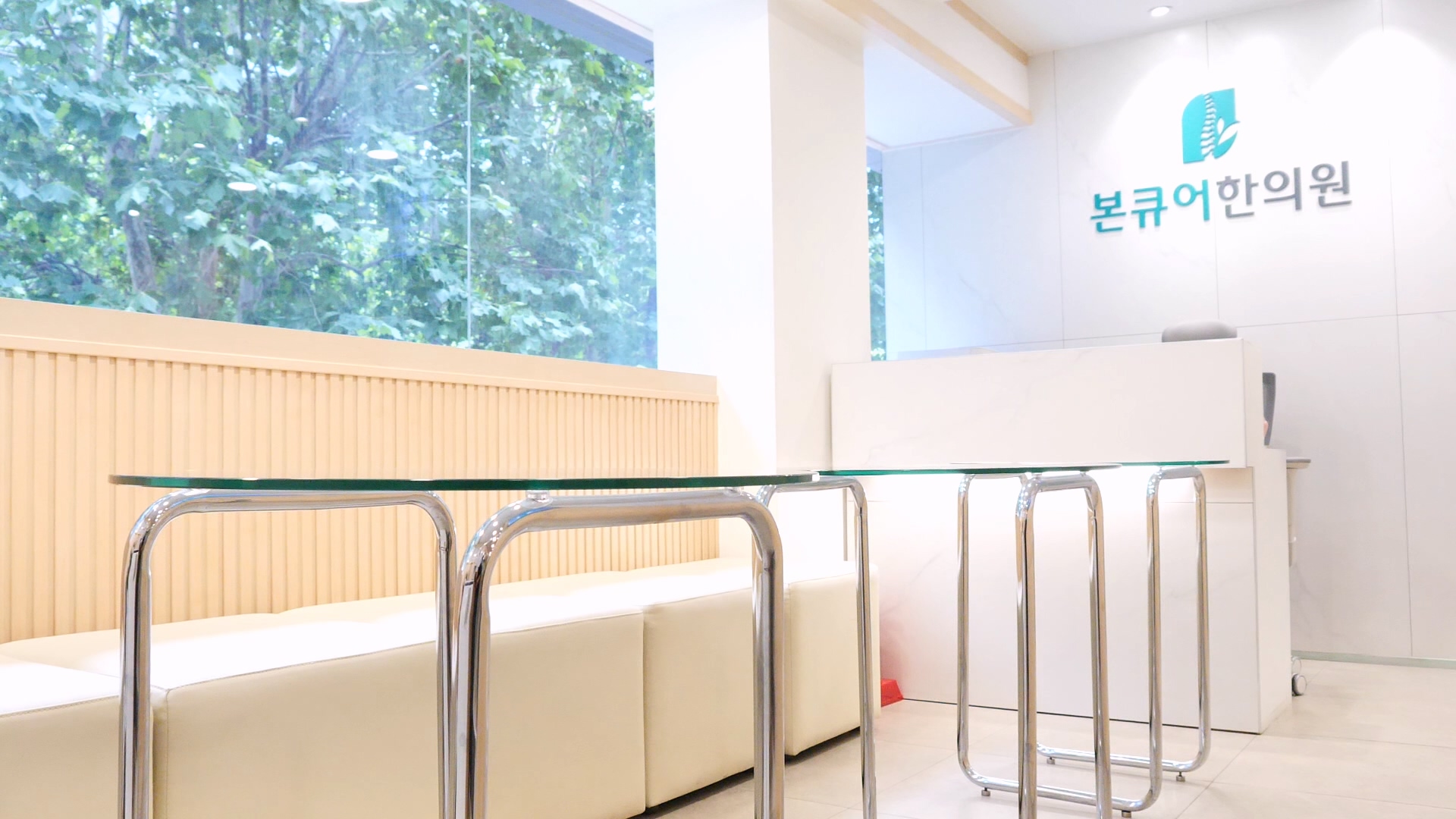
Using acupuncture for stress and anxiety involves more than just superficial relaxation—it is about restoring the body's natural equilibrium through precise stimulation and structural alignment. My goal is to provide a high-impact, efficient approach that addresses the physical roots of emotional distress.
Understanding Acupuncture for Stress and Anxiety Management
Acupuncture for stress and anxiety is a therapeutic practice involving the insertion of fine needles into specific points to regulate the nervous system and promote emotional stability. This method works by harmonizing the body's internal environment and facilitating the smooth flow of energy. By targeting key points that correspond to neurological and endocrine pathways, we can lower the physiological markers of stress that often keep the body in a state of constant high alert.
The Biological Mechanism of Needling for Emotional Regulation
The biological mechanism of acupuncture involves the stimulation of peripheral nerves that send signals to the brain to modulate neurotransmitter activity. When a needle is inserted into a specific point, it can trigger the release of endorphins, which are natural painkilling and mood-elevating chemicals produced by the body. This process also helps in regulating the hypothalamic-pituitary-adrenal axis, which is the primary system responsible for the body's stress response. By lowering cortisol levels and balancing autonomic functions, acupuncture may help transition the body from a sympathetic "fight or flight" state to a parasympathetic "rest and digest" state.
How Traditional Korean Medicine Harmonizes the Nervous System
Traditional Korean Medicine views stress and anxiety as a disruption in the harmonious flow of "Qi" and a systemic imbalance between organ systems. My approach at Bonecure involves identifying specific structural blockages through comprehensive diagnosis. By restoring the balance of energy and physical alignment, we help the body return to its natural state of tranquility. We focus on the "Heart" and "Liver" meridians, which govern emotional regulation. By clearing these pathways, we help patients feel more grounded and resilient against the daily pressures of modern life, promoting stability and better sleep patterns.
Addressing the Root Cause Through Structural and Energy Balance
Addressing the root cause of anxiety requires looking at both energetic pathways and the physical structures supporting the nervous system. When the physical frame is misaligned, it creates physiological stress manifesting as anxiety. Chronic tension in the neck and upper back can physically compress nerves and blood vessels, leading to heart palpitations and shallow breathing. By combining energy-focused acupuncture with structural correction, we create a stable foundation. When the physical structure is aligned and the energy flows freely, the body is much better equipped to manage emotional fluctuations.
Clinical Evidence on the Effectiveness of Acupuncture
Clinical evidence regarding acupuncture for psychological health is growing, with numerous studies highlighting its potential as a valid complementary therapy. Scientific research focuses on how these traditional methods influence the central nervous system to reduce measurable symptoms of anxiety. By looking at data-driven outcomes, we can better understand the therapeutic value of integrating acupuncture into a broader mental health management plan for patients seeking non-pharmacological options.
Analyzing Systematic Reviews of Anxiety Symptom Reduction
Recent systematic reviews provide compelling evidence for the efficacy of acupuncture in reducing anxiety levels. A significant 2021 systematic review and meta-analysis analyzed data from 20 randomized controlled trials. The results indicated that acupuncture was more effective than controls for reducing anxiety symptoms, with a standardized mean effect size of -0.41. These findings suggest that acupuncture offers a meaningful reduction in symptom severity. This evidence-based foundation allows practitioners to offer acupuncture with clinical confidence regarding its role in supporting emotional recovery and improving quality of life.
Acupuncture as a Valid Complementary Therapy for Mental Health
Acupuncture is a valid complementary therapy that works effectively alongside conventional treatments like psychotherapy or medication. It is best understood as a supportive intervention rather than a stand-alone replacement for established psychiatric care. By reducing physical symptoms associated with stress, such as muscle tension and insomnia, acupuncture can make it easier for patients to engage in their primary therapies. At Bonecure, I work with patients who use acupuncture to manage the side effects of medications or to provide an extra layer of support during stressful periods.
Understanding the Safety Profile and Tolerability of Treatments
The safety profile of acupuncture makes it an attractive option for those seeking relief without systemic side effects. Clinical reviews consistently report that acupuncture is generally well-tolerated when performed by a qualified professional. Minor side effects may include localized soreness at the needle site, temporary bruising, or a brief feeling of fatigue. While serious complications are rare, acupotomy involves a more intensive stimulus and may involve temporary pain or minor bleeding at the site. It is always recommended to consult with a healthcare provider to ensure it is appropriate for your specific history. At Bonecure, I use sterile, single-use needles to maintain the highest standards of hygiene.
The Bonecure Method: Integrating Structural Realignment with Acupotomy
The Bonecure method focuses on the relationship between spinal structure and autonomic nervous system function. My practice integrates traditional acupuncture with advanced acupotomy—a technique using a specialized needle with a small flat blade. This allows for the release of deep tissue adhesions contributing to chronic stress. By correcting structural alignment, we remove physical barriers to nervous system health and emotional well-being.
Restoring Autonomic Balance Through Spinal and Cervical Correction
Restoring autonomic balance is a central goal at Bonecure, particularly through the correction of spinal and cervical misalignments. If the cervical vertebrae or thoracic vertebrae are misaligned, they can create mechanical stress on nerves, exacerbating anxiety and autonomic dysregulation. Through specialized techniques, I work to restore the natural curvature and alignment of the spine. This structural approach ensures that when the physical frame is balanced, the nervous system functions without interference. Improving spinal integrity leads to a decrease in physical symptoms like tension headaches and heart palpitations.
Using Acupotomy to Release Chronic Physical Tension from Stress
Acupotomy is a powerful tool used at Bonecure to release chronic physical tension "locked" into muscles and fascia. Unlike traditional acupuncture, acupotomy physically breaks down adhesions and fibrotic tissue formed in soft tissues. Chronic anxiety causes persistent tightening of muscles around the neck and shoulders. These adhesions restrict blood flow and irritate nerves, feeding the emotional cycle of stress. By precisely targeting and releasing these tight spots, acupotomy provides an immediate sense of physical relief and structural freedom. This release of chronic tension is essential for breaking the physical and emotional stress cycle.
Case Report Insights: Addressing Autonomic Dysregulation and Tinnitus
Clinical case reports from my practice provide insights into how structural and needle therapies address complex symptoms. In clinical practice, when chronic tinnitus is accompanied by cervical tension, a combination of spinal alignment and acupotomy may be considered to address the underlying structural strain. Another case involved a patient with severe autonomic symptoms, including dizziness and heart palpitations, whose condition improved as the structural integrity of their neck was restored. These cases illustrate the potential for specialized Korean Medicine. However, results vary by individual and these reports do not guarantee the same outcome for every patient.
Comparing Stress Relief Approaches and Choosing Your Path
Choosing the right path involves understanding the differences between treatment modalities and how they align with your symptoms. While traditional methods have their place, modern integrative approaches offer a more targeted solution for those with physical manifestations of anxiety.
Traditional Acupuncture versus Bonecure Structural Acupotomy
Traditional acupuncture primarily focuses on energetic meridians and neurochemical responses. In contrast, the approach at Bonecure utilizes structural acupotomy to address both energetic and physical layers of chronic stress. Acupotomy is specifically designed to target and release hardened tissues and deep adhesions that require a more direct mechanical stimulus. Furthermore, our focus on spinal alignment through targeted correction adds structural diagnostics beyond traditional theory. We provide an intensive intervention for those whose stress has become physically structural, ensuring a more comprehensive path toward recovery.
Identifying Physical Symptoms of Anxiety that Respond to Treatment
Identifying which physical symptoms respond to treatment is a key part of our diagnostic process. Anxiety often manifests as muscle tension, digestive issues, and shallow breathing. At Bonecure, we find that patients with tension in the suboccipital muscles or significant spinal curvature issues often see the most notable benefits from our structural approach. Other symptoms like a "lump in the throat" (globus sensation) can also be linked to autonomic imbalances addressed through needle therapy. By focusing on these tangible physical markers, we provide targeted relief that dampens the overall feeling of anxiety.
What to Expect During Your Consultation at Bonecure
At Bonecure, we prioritize an impactful and highly efficient diagnostic process. I focus on identifying the root causes of pain and restoring the body’s overall balance through personalized plans. Rather than lengthy, repetitive consultations, I utilize a streamlined system designed to identify and treat structural causes rapidly, typically within an intensive 10 to 20-minute window per patient. I will identify areas of structural tension and may utilize tools like whole-spine X-rays to understand your skeletal alignment. This evidence-based approach ensures we develop a treatment plan tailored specifically to your needs for immediate clinical impact. My goal is to ensure you receive efficient care so that, as our philosophy suggests, when your bones smile, your life smiles.
| Feature | Traditional Acupuncture | Bonecure Structural Acupotomy |
|---|---|---|
| Primary Goal | Energy (Qi) flow & general relaxation | Structural release & nervous system recalibration |
| Needle Type | Very fine, flexible needles | Specialized needles with small flat blades |
| Target Tissue | Acupoints and superficial nerves | Deep muscle adhesions and fibrotic tissue |
| Diagnostic Focus | Pulse and tongue diagnosis | X-ray analysis and spinal structural assessment |
| Ideal For | General wellness and relaxation | Cases involving physical tension and structural misalignment |
| Procedure Feel | Minimal sensation or mild dull ache | Sensation of pressure and release |
Key Takeaways
- Acupuncture may help manage stress and anxiety by regulating the autonomic nervous system and neurotransmitters like endorphins.
- Bonecure integrates structural spinal alignment with specialized acupotomy to address the physical roots of chronic emotional tension.
- A 2021 systematic review of 20 trials found acupuncture more effective than control conditions for anxiety, with an effect size of -0.41.
- Treatment at Bonecure is personalized and highly efficient, utilizing diagnostics to ensure precision in addressing structural imbalances.
- While generally safe, acupuncture is a complementary therapy and individual results vary; some procedures like acupotomy involve significant pressure and localized pain.
Frequently Asked Questions
Q. How does acupuncture help with stress and anxiety?
Acupuncture may help by regulating the body's energy flow and harmonizing the nervous system. It stimulates specific points to promote the release of natural chemicals that manage stress, though it is best used as a complementary approach alongside standard care.
Q. Is acupuncture for anxiety supported by scientific research?
Yes, several systematic reviews suggest that acupuncture can be effective in reducing anxiety levels. For instance, a 2021 review of 20 randomized trials showed significant symptom reduction compared to control groups. While results vary, it is generally considered a safe management option.
Q. What makes the Bonecure approach different for stress relief?
At Bonecure, I focus on the structural integrity of the spine and neck. Since physical misalignment can aggravate the nervous system, we use specialized acupotomy to release adhesions and restore balance efficiently. This addresses the physical tension that traps the body in an anxiety cycle.
Q. Can I stop taking my anxiety medication if I start acupuncture?
No, you should never discontinue prescribed medication without consulting your doctor. Acupuncture is a complementary therapy intended to work alongside your existing medical treatments to enhance overall well-being. We support your current medical plan, not replace it.
Q. Are there any side effects to the treatment?
Minor side effects may include temporary soreness at the needle site, slight bruising, or mild fatigue. Acupotomy involves deeper tissue release, which can result in localized pain or minor bleeding. These are usually short-lived. Serious complications are rare when performed by a qualified professional.
Q. How many sessions are typically required to see results?
I focus on immediate clinical changes that you can feel. Unlike clinics that suggest long-term packages of 10 or 20 sessions before seeing results, my goal is to provide noticeable symptomatic relief and structural improvement from the very first treatment. The frequency of visits will be adjusted based on your immediate response.
Q. Does the treatment hurt?
Most patients experience a dull ache or a sensation of pressure. Acupotomy can be more intense than traditional acupuncture as it involves breaking down adhesions. At Bonecure, I use precise, impactful techniques to ensure the experience is highly effective and leads to rapid recovery.
Advanced Acupotomy in Seoul: Root Cause Pain Relief at BoneCure Korean Medicine Clinic
Bonecure / Dr. Jeong-hyun Song
FAQ
- How does acupuncture help with stress and anxiety?
- Acupuncture may help by regulating the body's energy flow and harmonizing the nervous system. It stimulates specific points to promote the release of natural chemicals that manage stress, though it is best used as a complementary approach alongside standard care. This process helps shift the body from a high-stress state to a more relaxed, parasympathetic state.
- Is acupuncture for anxiety supported by scientific research?
- Yes, several systematic reviews and meta-analyses suggest that acupuncture can be effective in reducing anxiety levels. For instance, a 2021 review of 20 randomized trials showed significant symptom reduction compared to control groups. While results can vary by individual, clinical evidence shows it is generally well-tolerated and safe for managing symptoms.
- What makes the Bonecure approach different for stress relief?
- At Bonecure, I focus on the structural integrity of the spine and neck as a foundation for mental health. Since physical misalignment can aggravate the nervous system, we use specialized acupotomy to release adhesions and restore balance. This method addresses the physical tension that often traps the body in a cycle of anxiety.
- Can I stop taking my anxiety medication if I start acupuncture?
- No, you should never discontinue prescribed medication without consulting your prescribing doctor. Acupuncture is a complementary therapy intended to work alongside your existing medical treatments to enhance overall well-being. We aim to support your current medical plan, not replace it, ensuring a safe and integrated path to health.
- Are there any side effects to the treatment?
- Minor side effects may include temporary soreness at the needle site, slight bruising, or mild fatigue. These are usually short-lived and are considered a normal part of the body's response to the therapy. Serious complications are rare when performed by a qualified and experienced practitioner like myself.
- How many sessions are typically required to see results?
- The number of sessions depends on the severity and duration of your stress or anxiety. While some patients feel more relaxed after one session, chronic conditions often require a structured plan over several weeks for sustainable improvement. During your consultation at Bonecure, I will provide a personalized timeline based on your specific needs.
- Does the treatment hurt?
- Most patients experience a dull ache, a heavy sensation, or a feeling of pressure rather than sharp pain. At Bonecure, I prioritize your comfort and use precise, professional techniques to ensure the experience is manageable and restorative. We aim to provide a therapeutic environment where you can feel secure throughout the process.